
Wataya gives Urawa a serious izakaya address built around fish, sake and shochu rather than spectacle. Its Tabelog 100 Izakaya EAST selections in 2024 and 2025 place it in a regional conversation usually dominated by Tokyo, while its small-room format keeps the experience closer to a local drinking house than a destination tasting counter.
Pearl is the En Primeur Club membership app — saves, bookings, and concierge access live there. Same editors, same standards.
- Address
- 4 Chome-3-15 Tokiwa, Urawa Ward, Saitama, 330-0061, Japan
- Phone
- +81 90-3866-8843
- Website
- tabelog.com
 Saves & bookings on Pearl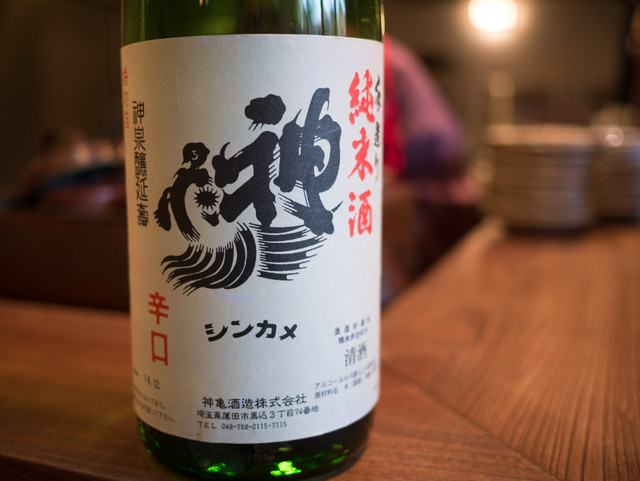
Approaching the quieter residential side of Urawa, the izakaya category starts to feel different from its Tokyo stereotype. The point is not neon, volume or late-night sprawl. It is a smaller grammar: fish-led cooking, a sake and shochu list treated as part of the meal, and a room compact enough that counter seats and table seats create different evenings. Wataya belongs to that more disciplined branch of izakaya culture, where the kitchen is judged less by theatrical plating than by sourcing, seasoning and the timing of drinks.
Saitama’s dining map often gets read through its commuter relationship with Tokyo, but Urawa has its own rhythm. It rewards places that work for regulars first: patisserie counters such as Acacier Kitaurawa honten and Acacier Urawa ten, small-format food shops like Aki Foods and Bagel Shop vivant, and neighbourhood restaurants that do not need Tokyo postcodes to justify attention. In that context, an izakaya selected for Tabelog 100 Izakaya EAST in both 2024 and 2025 matters because it signals regional strength, not tourist choreography.
Fish, sake and shochu define the serious izakaya lane
The strongest izakaya cooking in Japan is often ingredient-first rather than chef-first. Fish quality sets the tone because it forces discipline across the menu: raw preparations, grilled items, simmered dishes and drinking snacks all expose sourcing and handling in different ways. Wataya is categorized as an izakaya and Japanese sake bar, with a stated emphasis on fish, sake and shochu. That combination places it in the adult drinking-house tradition rather than the casual beer-and-fried-food lane.
The price position reinforces the same reading. Dinner sits in the JPY 6,000 to JPY 7,999 band, above everyday shokudo territory and below the formal kappo or sushi-counter bracket. Compared with Saitama peers such as Turkish Ryori Asena at JPY 4,000 to JPY 4,999 for dinner, or Unagi Hamana at JPY 8,000 to JPY 9,999, Wataya occupies a middle-premium zone where the value test is not luxury service. The test is whether the fish, drink program and pacing justify a focused evening.
That middle tier is where izakaya culture can be especially revealing. A specialist unagi house narrows the meal around one craft; a low-priced lunch room often prioritizes speed and habit. A fish-forward sake bar has to hold a broader conversation: what to drink first, where shochu fits, how much cooked food should follow raw or lightly prepared fish, and when the meal should feel complete rather than extended by default. The better versions of the genre understand appetite as a sequence, not a checklist.
Urawa gives the format a quieter kind of authority
Urawa’s appeal for this kind of restaurant is practical and cultural. It has enough density to support specialists, but not the churn that pushes every room toward spectacle. The area’s better food addresses tend to feel integrated into daily life, from Beach Story to small sweets and bakery counters, rather than staged for a single destination photograph. For a broader view of that mix, Our full Saitama restaurants guide is the useful starting point; the city’s hospitality picture also extends through Our full Saitama hotels guide, Our full Saitama bars guide, Our full Saitama wineries guide and Our full Saitama experiences guide.
Recognition from Tabelog’s Hyakumeiten list is useful here because izakaya excellence is difficult to rank from the outside. These are not always rooms with English-language menus, international awards or chef biographies translated for visitors. A Tabelog 100 Izakaya EAST selection in 2025, following a 2024 selection, gives Wataya a clear trust signal inside a category that depends heavily on local repeat custom and. Its Tabelog score of 3.63 also puts it in a serious bracket for a small izakaya, where user ratings tend to be more conservative than international guide language suggests.
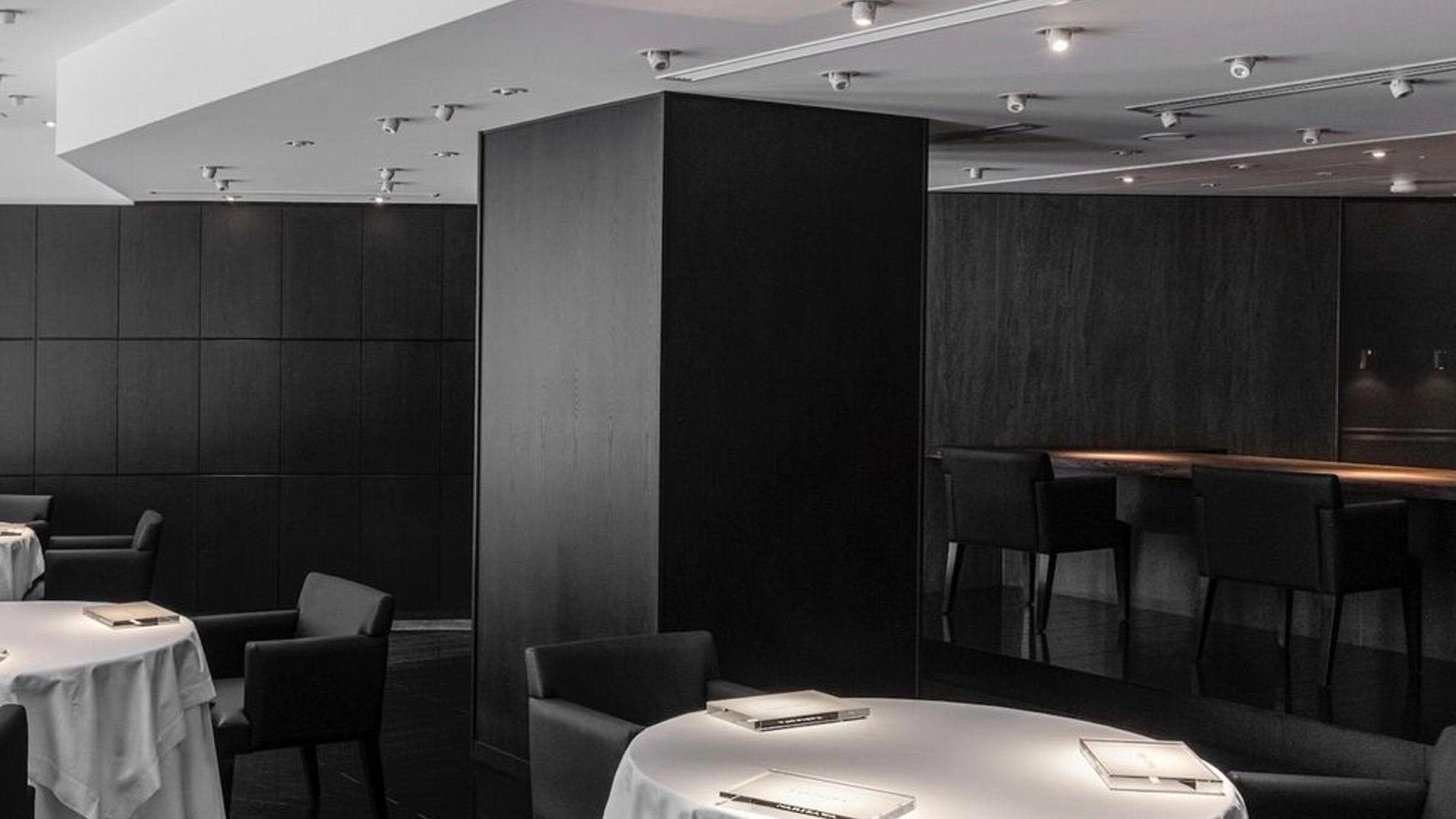
The room scale sharpens the point. Eighteen seats, split between an eight-seat counter and tables, changes how an izakaya behaves. Counter dining brings the kitchen and drink decisions closer; table seating suits the friend-group rhythm that izakaya culture was built to serve. Private rooms and private use are not part of the format, so this is not the address for a sealed-off corporate meal. It is better read as a compact fish-and-drink room for people who care about what lands with the first sake as much as what closes the evening.
How to place it in a wider Japan itinerary
For travellers building a Japan food itinerary, Wataya makes sense as a Saitama counterpoint to the better-publicized Tokyo circuit. The comparison is not with formal sushi counters or kaiseki rooms; it is with ingredient-led everyday luxury, the kind that reveals how regional cities eat after work and on weekends. In Kamakura, -Grilled beef Sukiyaki- KAMAKURA TANUKIAN 鎌倉 たぬき庵 in Kamakura frames beef through a more specialized format, while. 鮪と炭火焼き うお炭 秋葉原店 in Tokyo points toward tuna and charcoal in the capital’s denser dining field. Wataya’s role is different: it shows how fish, sake and shochu work inside a neighbourhood izakaya rather than a single-ingredient destination.
That distinction also travels well beyond Japan. Jōdo Saké Bar in Los Angeles translates sake-bar interest for a California audience, while Onigiri Time in Pasadena pulls Japanese comfort food into a more casual American frame. In Japan itself, the range stretches from.cafe in Osaka to.know in Kumamoto, (Shoku) Vietnam in Kawasaki and [Curry Senmon Ten] Maruyama Kyoju. in Sapporo. The useful lens is not cuisine as a label, but format: which places are built for a quick meal, which for a specialist craving, and which for a slower evening around drink and sourcing.
Wataya belongs firmly in the last group. The editorial case rests on a few concrete signals: repeated Tabelog 100 Izakaya EAST selection, a fish-led kitchen identity, sake and shochu emphasis, and a small room that keeps the experience close to izakaya fundamentals. For diners who treat Saitama as more than a transit corridor, it offers a precise argument for Urawa’s dining seriousness.
Comparison Snapshot
Side-by-side context: comparable cuisine and price.
| Venue | Cuisine | Price | Notes |
|---|---|---|---|
| WatayaThis venue — the venue you are viewing | Traditional Izakaya & Sake Bar | $$$ | Not listed |
| Toyo Zushi | Traditional Sushi & Hot Pot | $$$ | Omiya |
| Masuya | Traditional Unagi & Kaiseki Ryotei | $$$ | Urawa |
| Jikasei Temomimen Suzunoki | Handmade Flat Noodle Ramen | $$ | Sayamagaoka |
| かねかつ | Traditional Shoyu Ramen & Abura Soba | $$ | 北浦和 (Kita-Urawa) |
| Komorebi Shokudo + | Healthy Japanese Café & Teishoku | $$ | Urawa |
Recognition history
Dated appearances from independent guides and award organizations, with the underlying list record or original source where available.
Tabelog 100 #84 · No. 84
Tabelog · Tabelog 100 - Izakaya - EAST - 2025









At a Glance
- Cozy
- Intimate
- Classic
- Date Night
- Casual Hangout
- After Work
- Solo
- Standalone
- Courtyard
- Sake Program
Current opening hours
- Monday
- Closed
- Tuesday
- Closed
- Wednesday
- 5–10 PM
- Thursday
- 5–10 PM
- Friday
- 5–10 PM
- Saturday
- 4–10 PM
- Sunday
- 4–10 PM
Hours can change for holidays and private events. Last verified .
An intimate, non-smoking neighborhood hideout with only counter and a few table seats, relaxed lighting, and a calm, grown-up atmosphere suited to dates or quiet drinks rather than boisterous groups.