
Yakiniku Kushin places Omiya’s beef culture in a sharper register: yakiniku, tripe, and steak treated with the seriousness usually reserved for chef-led counters. Its Tabelog 100 Yakiniku EAST 2025 selection gives it a clear quality signal in Saitama, while the room’s mix of counter, table, private, and semi-private seating keeps the format adaptable rather than ceremonial.
Pearl is the En Primeur Club membership app — saves, bookings, and concierge access live there. Same editors, same standards.
- Address
- Japan, 〒330-0802 Saitama, Omiya Ward, Miyacho, 2 Chome−17 1F
- Phone
- +81 48-657-9901
- Website
- yakiniku-kushin.owst.jp
 Saves & bookings on Pearl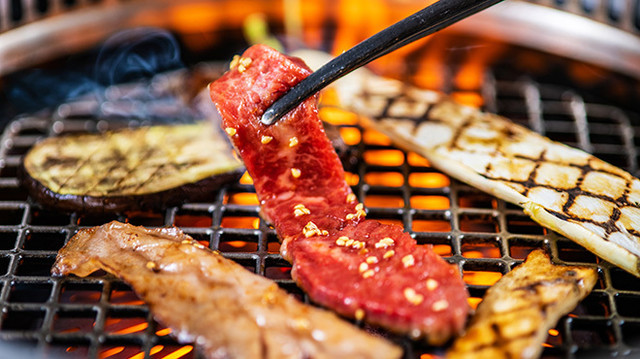
Approaching a serious yakiniku room in Omiya is not the same proposition as drifting into a late-night grill in central Tokyo. The pace is local, the appetite is direct, and the pleasure depends on control: heat, timing, fat, smoke, and the order in which cuts arrive at the table. Yakiniku Kushin sits inside that tradition, where the diner is not a passive recipient of a plated sequence but an active participant in the meal’s outcome.
That distinction matters. Japanese yakiniku descends partly from Korean barbecue culture, but its modern restaurant form has become its own urban ritual: small-format grills, carefully portioned beef, offal handled without apology, and a table rhythm that rewards attention. In Saitama, where Omiya functions as a major rail-and-dining hub rather than a tourist showroom, the appeal is less about spectacle than about the confidence of a category done with discipline.
Omiya's serious yakiniku tier is about control, not theatre
The useful comparison in Saitama is not between yakiniku and fine dining, but between high-heat beef restaurants and the city’s more everyday eating circuits. A place such as Beach Story operates at a lighter price tier, while noodle counters and casual specialists, including formats comparable to Temomi Chuka Soba Nakamura or Niboshi Chuka Soba Senmon Niboshi Maru, answer a different need: quick, focused, and inexpensive. Yakiniku Kushin belongs to the slower evening bracket, where the meal is built around beef, tripe, steak, drinks, and the social contract of cooking together.
The Tabelog 100 Yakiniku EAST 2025 selection is the cleanest external signal here. In a category crowded with neighborhood grills, premium wagyu rooms, offal specialists, and occasion restaurants, inclusion in that list places the restaurant in a narrower regional conversation. The listed score of 3.65 also reads differently in Japan than it might on a global review platform; Tabelog scores are conservative, and movement above the mid-threes tends to indicate sustained local approval rather than casual enthusiasm.
Yakiniku’s cultural strength is that it can be intimate without being hushed. The grill gives every table its own tempo. One group may move methodically through leaner cuts before richer beef; another may center the meal on tripe and drinks. The restaurant’s categories, yakiniku, tripe, and steak, point to that breadth without turning the format into a tasting-menu performance. The presence of sake, shochu, wine, and cocktails also suggests a meal designed to stretch, not a quick protein stop.
Private rooms, counter seats, and the social grammar of grilled beef
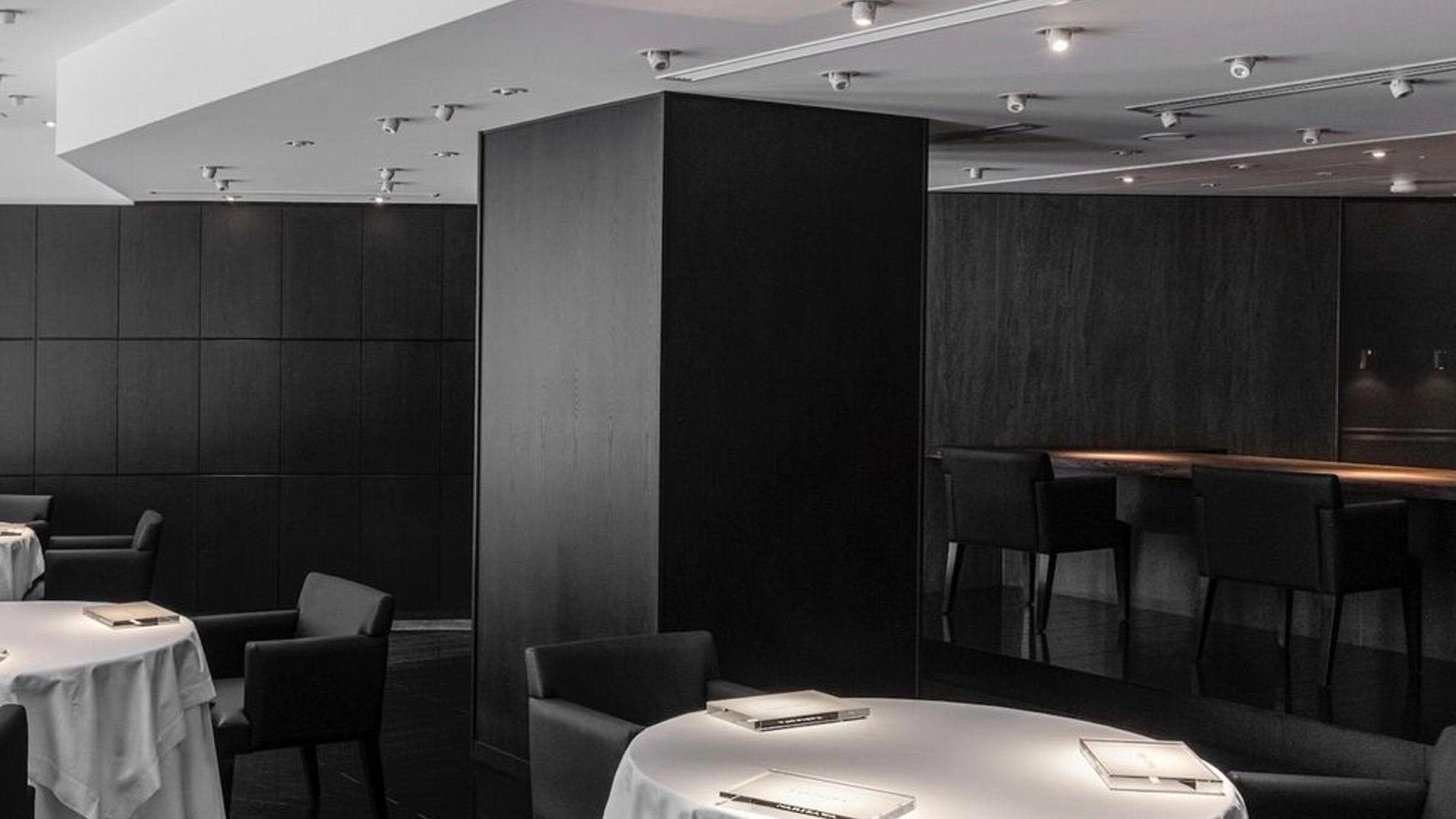
Room structure shapes yakiniku more than outsiders often notice. A counter seat turns the meal into a tighter exchange between diner, grill, and staff pacing. Tables suit the classic group format, where ordering becomes collective and the grill is managed by the attentive person present. Private and semi-private rooms change the meal again, especially in Japan, where yakiniku often carries the weight of dates, family meals, work dinners, and celebrations without requiring the stiffness of formal kaiseki.
Here, the room’s range gives the restaurant more flexibility than a narrow counter-only specialist. That matters in Omiya, a district fed by commuters, families, and destination diners moving through Saitama’s largest transport node. A 38-seat restaurant with counter and table seating can serve different versions of the same tradition: a focused dinner for two, a family meal with children, or a larger gathering built around shared grilling.
The offal component is part of the story rather than a side note. Tripe and related cuts are central to yakiniku’s democratic appeal: they reward technique, seasoning, and heat management as much as pedigree beef does. In high-end beef culture, luxury is often reduced to marbling; in yakiniku, the more interesting test is whether the restaurant gives enough attention to texture, sequence, and drink pairing for less obvious cuts to hold the table.
Compared with Saitama’s broader dining map, this is a narrower, more intentional choice. Pastry and café routes through the city might include Acacier Kitaurawa honten, Acacier Urawa ten, Aki Foods, or Bagel Shop vivant. Those names speak to Saitama’s daytime and neighborhood food culture. Yakiniku Kushin sits in the evening lane: higher spend, more time at the table, and a cuisine whose value depends on sourcing and execution rather than novelty.
How to read it within Saitama's wider dining map
For travelers using Omiya as a base, the restaurant is a useful reminder that Saitama’s dining appeal is not limited to spillover from Tokyo. The city has its own rhythm: less internationalized than Ginza or Shibuya, more practical than Kyoto’s heritage circuits, and often better understood through category specialists than grand tasting rooms. For a wider map, start with our full Saitama restaurants guide, then branch into our full Saitama hotels guide, our full Saitama bars guide, our full Saitama wineries guide, and our full Saitama experiences guide if the trip extends beyond dinner.
Readers building a Japan-wide beef or casual-specialist itinerary can place the restaurant alongside other category-driven addresses rather than generic luxury dining. Consider -Grilled beef Sukiyaki- KAMAKURA TANUKIAN 鎌倉 たぬき庵 in Kamakura for a different beef tradition. 鮪と炭火焼き うお炭 秋葉原店 in Tokyo for charcoal and seafood.cafe in Osaka.know in Kumamoto, (Shoku) Vietnam in Kawasaki, and [Curry Senmon Ten] Maruyama Kyoju. in Sapporo. Outside Japan, Jōdo Saké Bar in Los Angeles and Onigiri Time in Pasadena show how Japanese drinking and comfort-food formats translate abroad.
The editorial case is clear: choose this for Saitama yakiniku with credible recognition, a flexible room, and a format rooted in shared grilling rather than chef theatre. The reward is not novelty. It is a controlled version of a deeply social Japanese beef tradition, placed in Omiya where the category has to answer to regular local diners as much as traveling list-checkers.
Cost and Credentials
Nearby venues at a similar price tier for orientation.
| Venue | Cuisine | Price | Notes |
|---|---|---|---|
| Yakiniku KushinThis venue — the venue you are viewing | Omiya, Japanese Yakiniku BBQ | $$$ | Not listed |
| Ishimaru | Omiya, Edomae Sushi Omakase | $$$ | Not listed |
| Wataya | Urawa, Traditional Izakaya & Sake Bar | $$$ | Not listed |
| SALT | Urawa, Modern French Innovative | $$$ | Not listed |
| Teuchi Udon Matsuna | Urawa, Handmade Udon | $ | Not listed |
| Kojima Ya | Not listed | $$$ | Minami Ward, Traditional Unagi (Eel) Restaurant |
Recognition history
Dated appearances from independent guides and award organizations, with the underlying list record or original source where available.
Tabelog 100 #10 · No. 10
Tabelog · Tabelog 100 - Yakiniku - EAST - 2025









At a Glance
- Romantic
- Intimate
- Elegant
- Sophisticated
- Cozy
- Date Night
- Business Dinner
- Group Dining
- Celebration
- Special Occasion
- Private Event
- Chefs Counter
- Private Dining
- Standalone
- Extensive Wine List
- Sake Program
- Beer Program
- Local Sourcing
- Organic
Current opening hours
- Monday
- Closed
- Tuesday
- 5 PM–12 AM
- Wednesday
- 5 PM–12 AM
- Thursday
- 5 PM–12 AM
- Friday
- 5 PM–12 AM
- Saturday
- 4 PM–12 AM
- Sunday
- 4–11 PM
Hours can change for holidays and private events. Last verified .
A calm, upscale interior with partitioned tables, a small counter with indirect lighting, and semi-private window-side seating designed for date nights, business dinners, and celebrations.