


La Liste Top Restaurants · Tabelog Silver #49
Our verdict
Jubei belongs to the small-counter sushi tier where the room is part of the format: close sightlines, counter seating, and a service rhythm built around chef-to-guest proximity. Recognition from Tabelog and La Liste places it in a serious national conversation, but the appeal is less about ceremony than concentration: eight seats, fish-led sushi, sake, and a compact room that makes every movement visible.

Pearl is the En Primeur Club membership app, where members save venues, book tables and use the concierge.
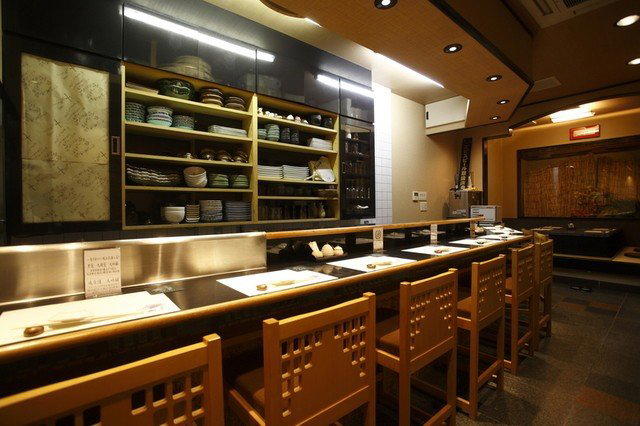
The first read is spatial. Jubei is built around counter seating, not dining-room distance, changing the meaning of sushi before the first piece arrives. In an eight-seat room, the counter is stage, pass, and conversation line. Tokyo has many sushi counters that sell scarcity through price and access; the better ones use proximity as discipline. Guests see the preparation sequence, pacing, handoff, and quiet calibration that separate counter sushi from plated restaurant sushi.
That intimacy matters in a city where sushi has split into lanes. Ginza and Akasaka counters often trade on corporate polish and international visibility. Neighbourhood counters can feel more personal, sometimes more severe, and often more dependent on repeat local trust. Jubei sits in the small-format camp: reservation-only, counter-led, and so narrow in capacity that the room becomes a filter. The point is not spectacle, but the pressure of a format with little room for drift.
An eight-seat counter puts the craft under scrutiny
Counter sushi is theatre in the older sense: timing, blocking, repetition, and control. The chef’s hands are visible at close range, shifting attention to rice temperature, fish handling, knife rhythm, and serving cadence. Nothing needs to be announced as performance when the format removes distance between preparation and eating.
Chef Tetsuya Tsukada’s name gives the counter authorship, but the key point is structural. At this scale, the chef’s presence is not branding; it is the operating model. Eight seats mean fewer buffers between decision and service. In larger sushi rooms, hierarchy can absorb inconsistency. In a compact counter, the guest watches the system in real time.
The cuisine is listed simply as sushi, with emphasis on fish and sake. That keeps Jubei in the classical Japanese counter tradition rather than the hybrid luxury lane. Sake gives the meal a rhythm different from Champagne-led omakase, and fish focus narrows the promise. This is not a room built around a catalogue of extras; it belongs to sushi houses asking how much precision can be delivered inside restraint.
For readers comparing Tokyo sushi options, the distinction is useful. Edomae Sushi Hanabusa, Ebisu Endo, and the comparison set of Sushi Oya, Sushiya Hajime, Hatou, Sushi Fukuzuka, and Sushi Yoshino all sit on the broad counter-sushi map, but price tier, neighbourhood, access, and room scale change the experience sharply. Jubei’s appeal is compactness: a meal where the counter is not just the seat, but the mechanism defining the evening.
Recognition gives context, not the whole argument
Award data is useful because it grounds the conversation. Jubei is associated with Tabelog Silver recognition for 2026, a Tabelog score in the mid-4s, La Liste points in the high 80s across recent listings, and Opinionated About Dining Japan recognition in recent years. Those signals place it in a serious bracket without inflated language and suggest a restaurant evaluated by diners and ranking systems attentive to consistency, not novelty alone.
In Japan, Tabelog carries particular weight because high scores are difficult in categories under strong local scrutiny. Sushi is especially competitive: diners compare rice, seasoning, fish sourcing, counter manner, value, and pacing with unforgiving precision. A Silver-level signal does not tell the whole story, but it separates Jubei from casual sushi and tourist-facing omakase rooms built mainly around access anxiety.
The stronger reading is comparative. Tokyo’s premium sushi scene often rewards either extreme polish or extreme intimacy. Jubei leans toward the latter, making it better for diners who care about counter mechanics than for those wanting a large-room luxury ritual. Small capacity also changes group dynamics. A pair can read the room and follow the rhythm; a larger party risks turning a disciplined counter into a private conversation the format was not designed to absorb.
The broader Tokyo lesson is that serious sushi counters are not interchangeable trophies. Some are built for expense-account fluency, some for connoisseur regulars, some for travellers chasing awards, and some for the quiet intensity of watching a meal assembled within arm’s reach. Jubei belongs to the last category, with enough recognition to justify attention and enough compactness to keep the experience focused.
How to place it within a Tokyo dining itinerary
Jubei works as a counterpoint to Tokyo meals with broader menus or more social pacing. Around the city, 3110, Bistrot Dia, and Daikanyama Ogawaken serve different appetites: contemporary restaurant ambition, bistro structure, and old Tokyo dining memory. A sushi counter at this scale asks for different attention. It is not the meal to schedule between heavy shopping and late drinks; it benefits from arriving ready to watch.
For travellers building a longer Japan route, the useful comparison is not only within Tokyo. Sushi in Osaka can carry a different tempo, as seen in listings such as AKA to SHIRO, Sushi in Osaka, while international counters such as Akikos, Sushi in San Francisco show how the format changes outside Japan. The Japanese counter remains more compressed and rule-bound, which is why an eight-seat room can feel so revealing.
Tokyo planning should also leave room for contrast beyond sushi. EP Club’s wider city coverage includes Our full Tokyo restaurants guide, Our full Tokyo hotels guide, Our full Tokyo bars guide, Our full Tokyo wineries guide, and Our full Tokyo experiences guide. For a wider Japan map, compare how specificity shifts at -Grilled beef Sukiyaki- KAMAKURA TANUKIAN 鎌倉 たぬき庵 in Kamakura.cafe in Osaka.know in Kumamoto, (Shoku) Vietnam in Kawasaki, [Curry Senmon Ten] Maruyama Kyoju. in Sapporo, and [ki:] in Kyoto. Those links are not substitutes for a sushi counter; they show how Japan’s dining culture changes by city, genre, and room size.
The editorial case for Jubei is precise. It is for diners who value the compressed drama of counter sushi, understand that eight seats create intimacy and pressure, and read awards as context rather than the whole reason to go. In Tokyo’s crowded sushi conversation, that is a clear position: small room, close work, serious recognition, and a format that rewards attention.
Frequently asked questions
Does Jubei work for a family meal?
For a small family that is comfortable at a counter, yes. Jubei has 8 seats, is reservation only, and serves sushi in Tokyo’s Kagurazaka area, so it suits a quiet meal rather than a loose, multi-table outing.
How would you describe the vibe at Jubei?
It is a compact house restaurant with counter seating, a relaxing space, and no-smoking conditions. The 8-seat format keeps the room tightly focused on the chef, which is part of the appeal at this Tokyo sushi address.
How would you describe the cuisine at Jubei?
Jubei serves Sushi cuisine.
What are the opening hours for Jubei?
Hours at Jubei: Hours: Monday 12–2 pm, 6:30–9 pm Tuesday 12–2 pm, 6:30–9 pm Wednesday 12–2 pm, 6:30–9 pm Thursday 12–2 pm, 6:30–9 pm Friday 12–2 pm, 6:30–9 pm Saturday 12–2 pm, 6:30–9 pm Sunday Closed.
Category Peers
Comparable options at the same price tier.
| Venue | Cuisine | Price | Awards | Notes |
|---|---|---|---|---|
| JubeiThis venue (the venue you are viewing) | Yakiniku (Japanese BBQ) | $50–100 | La Liste Top Restaurants · Tabelog Silver #49 | Not listed |
| Tempura Asanuma | Modern Tempura Omakase | $100–150 | Michelin Plate · Tabelog Silver #8 | Chūō |
| Tempura Otsuka | Authentic Tempura | $100–150 | Michelin Plate | Taitō |
| Edosoba Hosokawa | Traditional Edo Soba | $30–50 | Michelin Bib Gourmand · Tabelog 100 #41 | Sumida |
| Negima | Traditional Edomae Negima Nabe | $50–100 | Michelin Bib Gourmand | Toshima |
| Asagaya BIRD LAND | Yakitori (Okukuji Shamo Chicken) | $50–100 | Michelin Plate | Suginami |
Recognition history
Dated appearances from independent guides and award organizations, with the underlying list record or original source where available.
La Liste Top Restaurants
La Liste
Tabelog Silver #49
Tabelog
Opinionated About Dining Top Restaurants in Japan Ranked #435
Opinionated About Dining
Full recognition history (8 entries)
La Liste Top Restaurants
La Liste
Tabelog 100 #98 · No. 98
Tabelog · Tabelog 100 - Sushi - WEST - 2025
Tabelog Silver
Tabelog
Opinionated About Dining Top Restaurants in Japan Ranked #430
Opinionated About Dining
Opinionated About Dining Top Restaurants in Japan Recommended
Opinionated About Dining
Continue exploring
More in Tokyo
Restaurants in Tokyo
All restaurants in Tokyo →
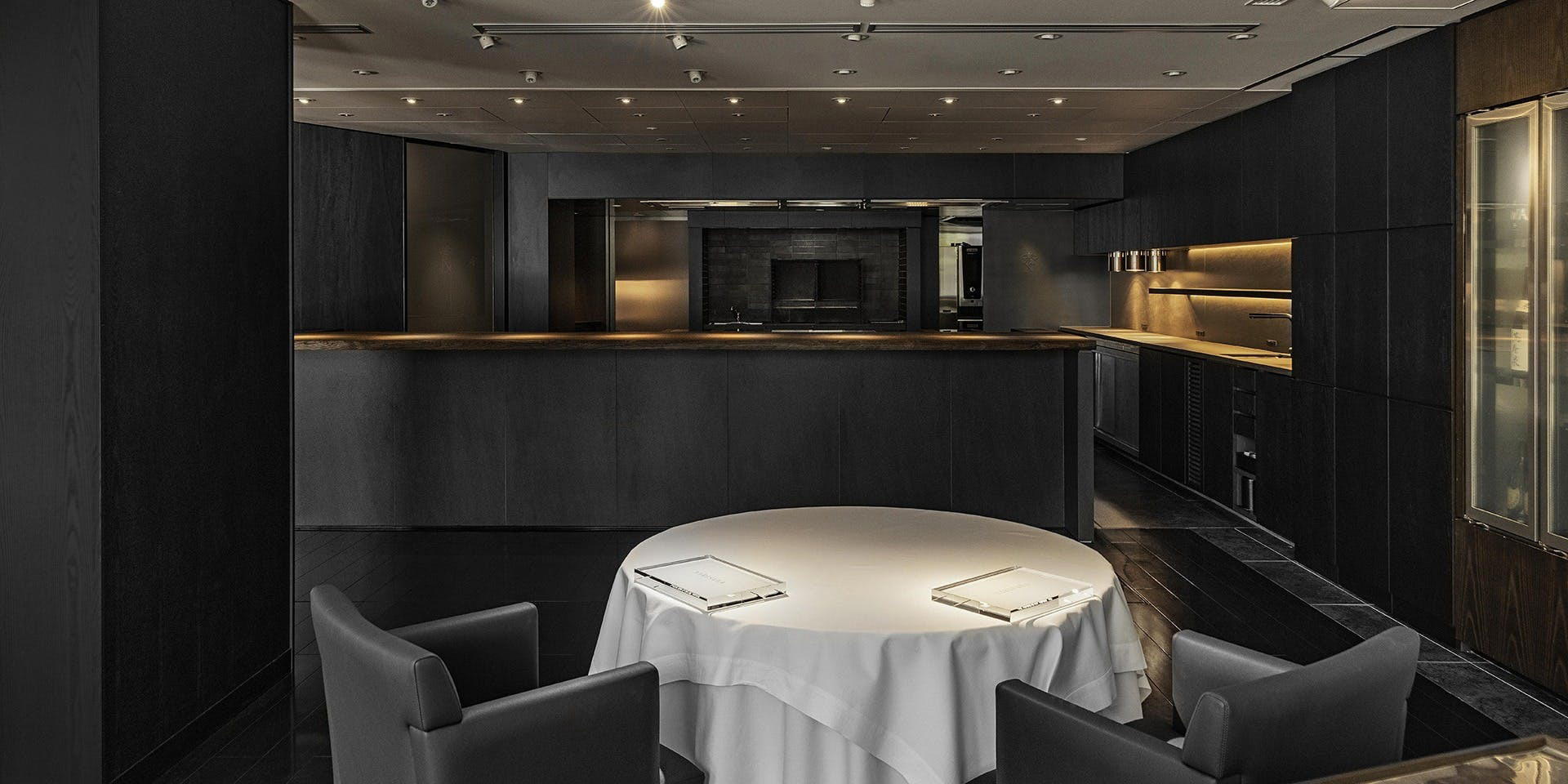
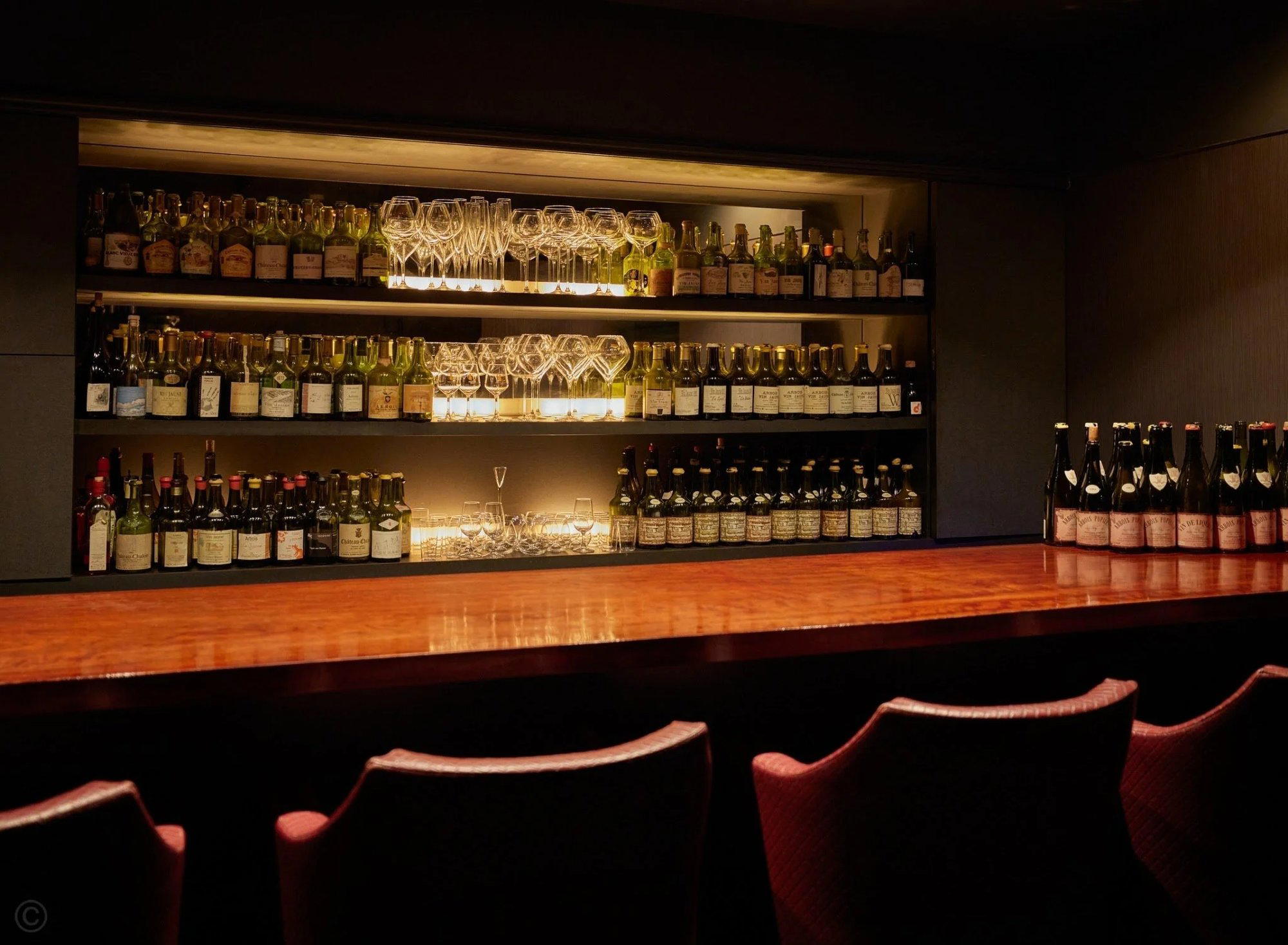
Bars in Tokyo
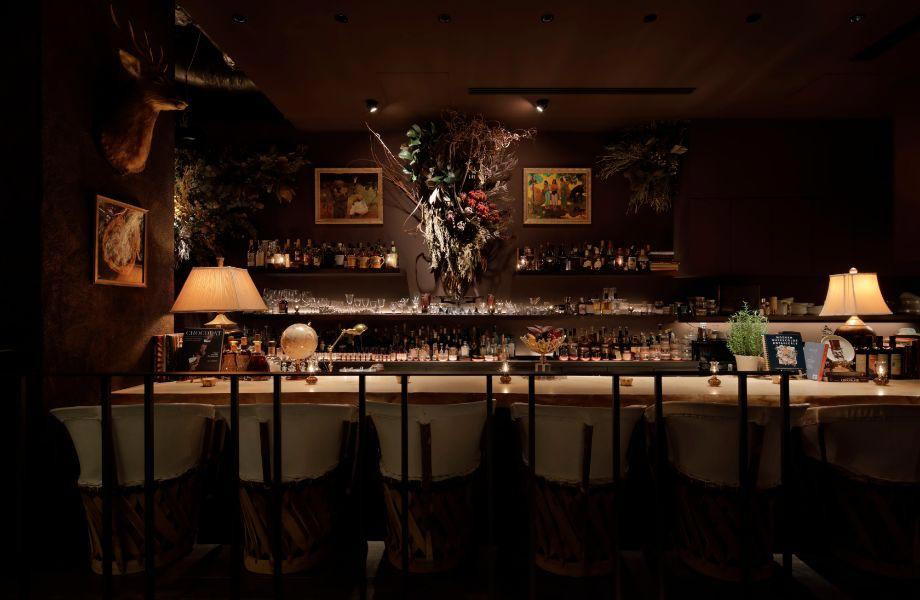
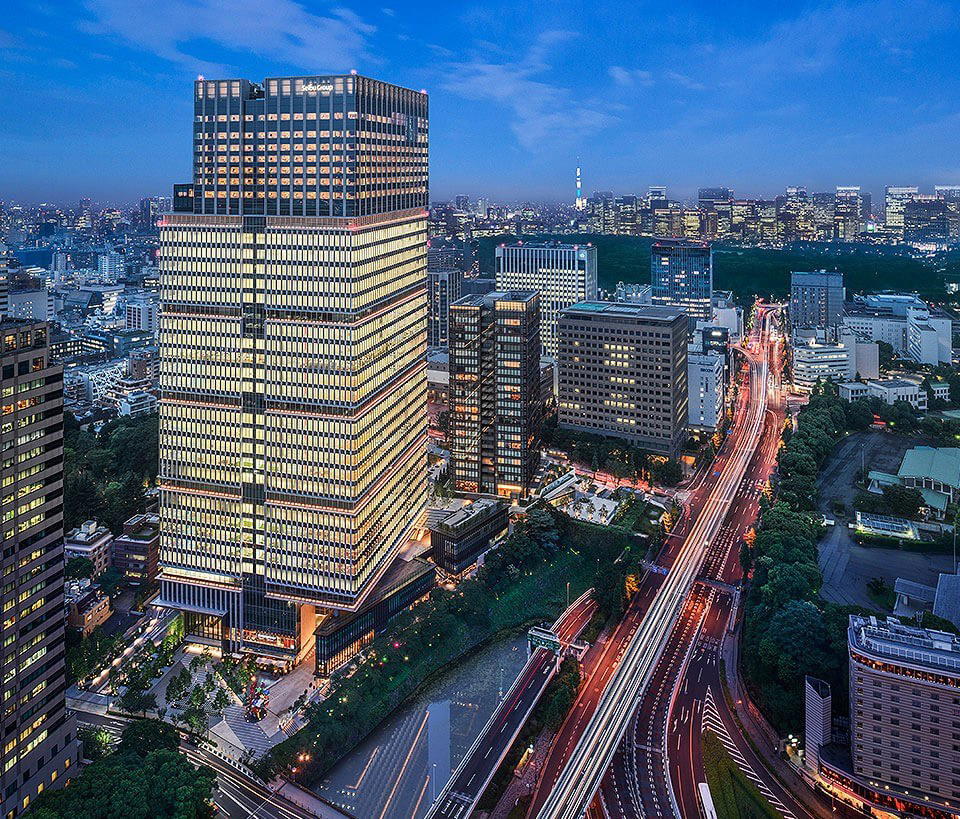
All bars in Tokyo →




Details
- Cozy
- Relaxed
- Group Dining
- Family
- Business Dinner
- Celebration
- Open Kitchen
- Sake Program
- Local Sourcing
- A La Carte
- Small Plates
- Sake
- Shochu
- Wine
- Cocktails
Current opening hours
- Monday
- 6 PM–2 AM
- Tuesday
- 6 PM–2 AM
- Wednesday
- 6 PM–2 AM
- Thursday
- 6 PM–2 AM
- Friday
- 6 PM–2 AM
- Saturday
- 6 PM–2 AM
- Sunday
- Closed
Hours can change for holidays and private events. Last verified .
Stylish and relaxing space with spacious seating and sofa options for comfortable dining.