Bbang Bbang sits in Tel Aviv’s Asian-fusion lane, a category that works here when it respects the city’s produce culture rather than treating soy, chilli, herbs, and citrus as decoration. With no published awards or formal price band, the editorial case rests on context: this is a Tel Aviv dining choice for readers tracking how local ingredients meet pan-Asian technique.
Pearl is the En Primeur Club membership app — saves, bookings, and concierge access live there. Same editors, same standards.
- Address
- Tel Aviv, Israel
- Directions
- Get directions
 Saves & bookings on Pearl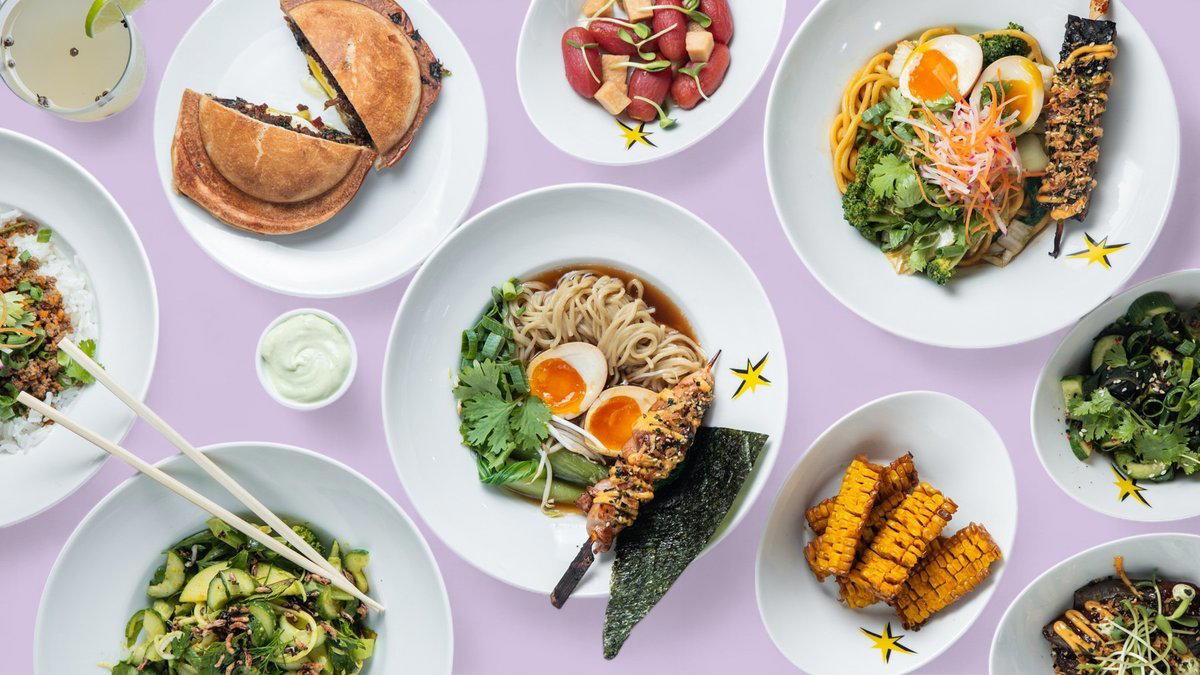
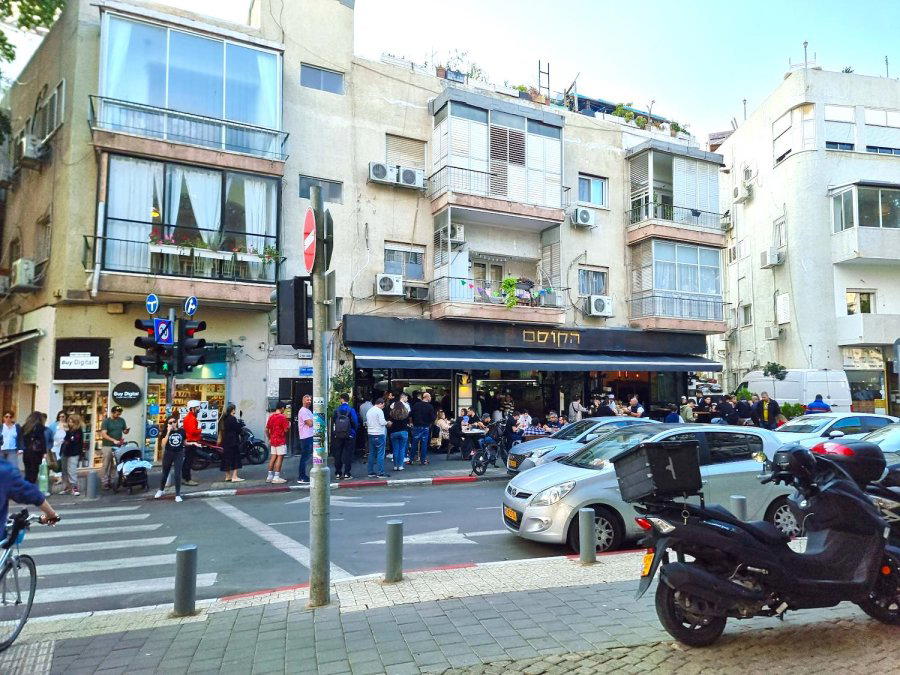
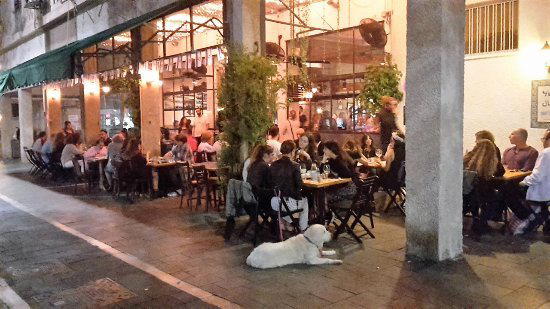
Tel Aviv approaches dinner at street level: scooters at the curb, market bags still visible on café chairs, and the smell of grilled alliums, citrus, and sea air cutting through the evening. In that setting, Asian fusion is not a novelty category. It is a test of discipline. The city has enough produce, heat, herbs, and acidity to make the format convincing, but it also punishes restaurants that use Asia as a decorative label rather than a working grammar.
Bbang Bbang belongs in that conversation. The restaurant is listed as Asian fusion in Tel Aviv and has been featured in a 2025 annual roundup of Israel’s top new restaurants, giving it a clear place in the city’s current dining discussion. The interesting question is not whether the room can be filed under one cuisine type. It is how Tel Aviv’s ingredient culture changes the meaning of fusion: less generic pan-Asian gloss, more market-driven cooking filtered through sauces, heat, and texture.
Asian fusion makes sense in a city built on markets, migration, and acidity
Tel Aviv’s dining identity has never been neat. Levantine staples sit beside Balkan, North African, Yemeni, Eastern European, and newer global influences; the city’s strongest casual cooking often relies on contrast rather than heaviness. Pickles cut fat. Herbs do real work. Tahini, tomato, chilli, lemon, and smoke appear across price points. That gives Asian fusion a local advantage, because many East and Southeast Asian cooking systems also depend on balance: salt, sourness, sweetness, bitterness, heat, and aroma moving together.
The risk is flattening those systems into a loose collection of familiar signals. A Tel Aviv restaurant using Asian-fusion language has to earn the hyphen by showing restraint: enough soy, sesame, spice, or ferment to define direction, enough local character to avoid imitation. Bbang Bbang’s value for a curious diner is tied to that broader tension. The format can read as contemporary, but the stronger versions of the genre are ingredient-led, not theme-led.
For a wider sense of the city’s range, Our full Tel Aviv restaurants guide maps the local dining field, while Our full Tel Aviv bars guide, Our full Tel Aviv hotels guide, Our full Tel Aviv wineries guide, and Our full Tel Aviv experiences guide place the meal inside a fuller city itinerary.
The sourcing question matters more than the label
In Tel Aviv, ingredient sourcing is not a decorative backstory. It determines whether a kitchen has range. The city’s culinary strength comes from fast produce turnover, coastal access, spice shops, bakeries, and small food businesses that blur the line between restaurant supply and everyday shopping. Asian fusion can draw energy from that system when it uses local seasonality with precision: sharper greens in cooler months, tomatoes and cucumbers when they carry actual flavor, citrus when acidity is needed, and herbs as a main component rather than a final flourish.
That is the editorial frame through which to read Bbang Bbang. With no published chef or owner supplied in the available venue facts, and no supplied seat count or named signature dishes, the restaurant should not be approached through personality myth. Its recognition comes from being featured as an award-winning fine dining restaurant in a 2025 roundup of Israel’s top new restaurants. For readers who care about sourcing, the relevant questions remain concrete: does the kitchen let local produce keep its snap, does heat serve balance rather than volume, and do sauces support the main ingredient rather than bury it?
Tel Aviv offers several generic reference points for understanding that ingredient-first instinct without forcing direct comparison. Other local dining rooms speak to the city’s appetite for slow-cooked regional comfort, hotel dining, and contemporary city cooking, while more traditional regional foodways across Israel help shape expectations around acidity, herbs, texture, and generosity. Bbang Bbang should be read within that broader field rather than against a list of named peers.
How to read the room before committing the evening
Because the public-facing facts are focused, Bbang Bbang is better treated as a targeted choice than a trophy reservation built on excess detail. The useful signal is the cuisine type itself: Asian fusion in Tel Aviv usually fits diners who want flavor contrast, shared ordering, and less rigid formality than dégustation-led dining. It is a category for a group willing to let sauces, acidity, and heat set the pace of the table.
Planning should stay flexible. The available recognition is meaningful but not a substitute for checking current hours, booking channels, and the shape of the menu before committing the evening. Readers building a broader route through the city can scan other Tel Aviv dining generically, from casual regional rooms to more polished contemporary restaurants, without treating any one comparison as a fixed template for what Bbang Bbang will be.
The recommendation is narrow and useful: choose Bbang Bbang when the night calls for Tel Aviv’s produce-driven energy seen through an Asian-fusion lens, especially with the added signal of its 2025 new-restaurant recognition. In a city that eats with speed, acidity, and appetite, that can be enough of a reason.
Comparable Venues Nearby
Comparable venues nearby, for context on price, style, and recognition.
| Venue | Cuisine | Price | Notes |
|---|---|---|---|
| Bbang BbangThis venue — the venue you are viewing | Asian Fusion | $$ | Not listed |
| Dr. Shakshuka | Israeli Shakshuka | $$ | Jaffa |
| Café Yom Tov | Israeli Cafe with Mediterranean Flavors | $$ | Kerem Ha-teimanim |
| Cicchetti | Venetian Small Plates & Cicchetti | $$ | Ha-rakevet |
| Ha'Achim | Modern Israeli Mediterranean | $$ | HaQirya |
| Thai House | Authentic Thai Isan | $$ | Tel Aviv City Center |
Continue exploring
More in Tel Aviv
Restaurants in Tel Aviv
Browse all →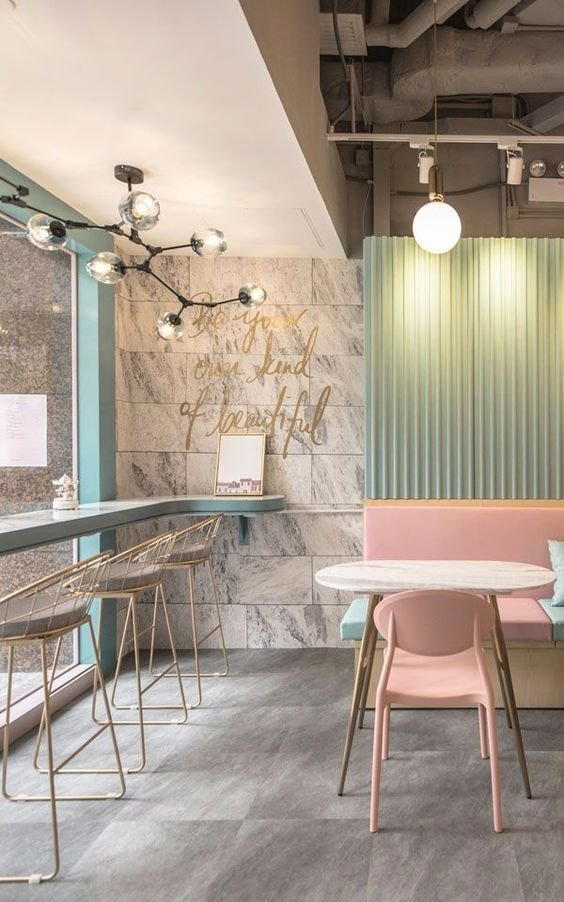
Bars in Tel Aviv
Browse all →
Hotels in Tel Aviv
Browse all →


At a Glance
- Modern
- Trendy
- Casual
- Casual Hangout
- Group Dining
- After Work
- Standalone
- Street Scene
A simple storefront atmosphere with a modern, no-frills feel and a focus on quick, flavor-forward dining.
Know Before You Go
- Reservations
- Walk in friendly
- Dress code
- Casual