In a city where baozi traditions run deep, 十二桥包子店 operates in the neighbourhood of 十二桥 — a district that still orients around everyday Sichuan street food rather than the tourist circuits of Jinli or Kuanzhai. The shop sits within a dense local eating culture that prizes filling, affordable dough-wrapped parcels as much as the region's famous chilli preparations. A reference point for Chengdu's workaday bun scene.
 Discover on Pearl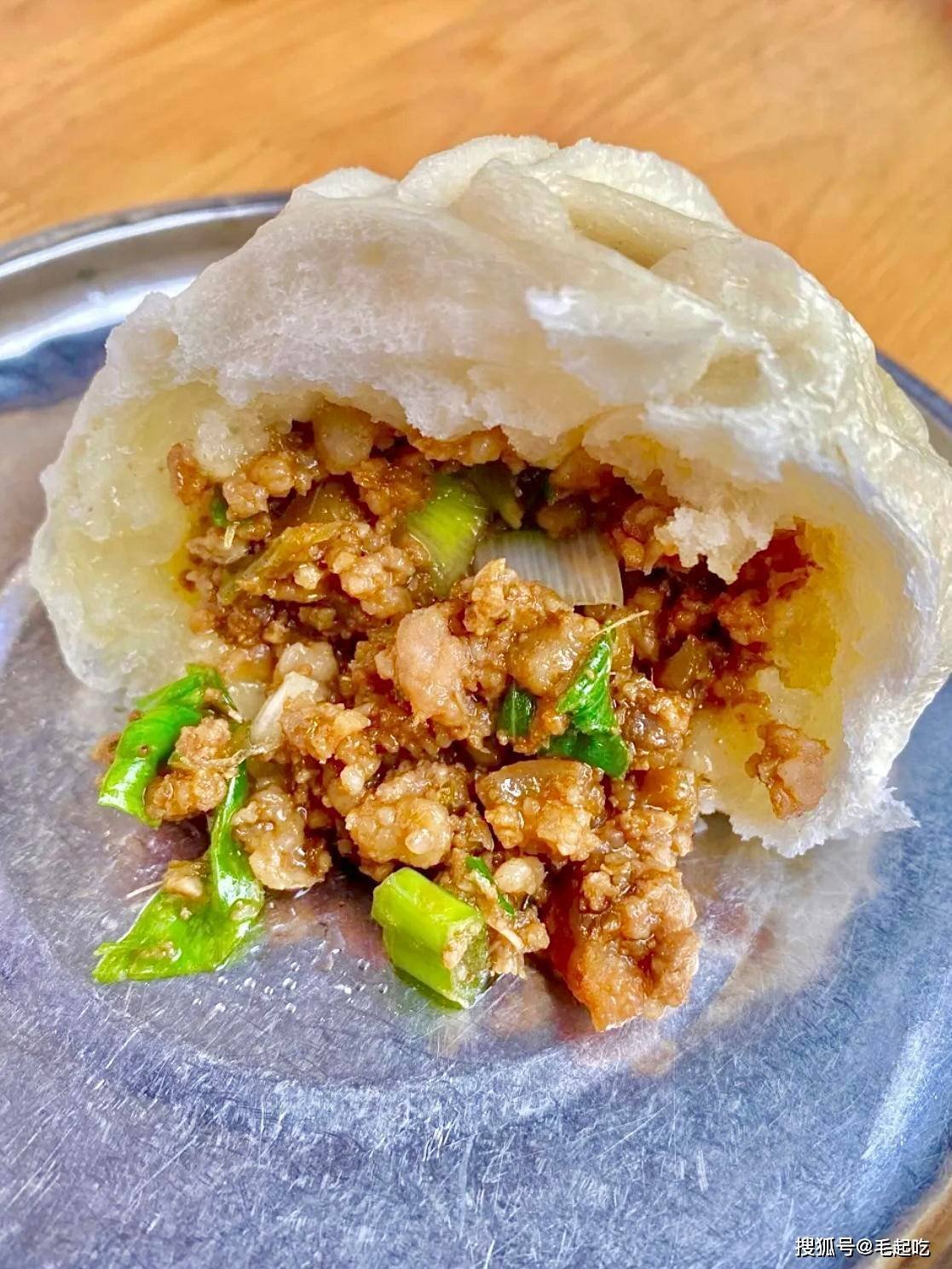
Where Chengdu's Street Food Culture Stays Honest
Chengdu's reputation in international food media tends to concentrate on two poles: the fiery, numbing complexity of dishes like mapo doufu — celebrated at institutions such as Chen's Mapo Doufu (陈麻婆豆腐) — and the higher-register Sichuan cooking found at places like Xin Rong Ji in Chengdu. What that framing misses is an entire middle register: the neighbourhood baozi shops that feed the city's residential districts from early morning through midday, operating on thin margins, high turnover, and an unspoken contract with the locals who rely on them daily. 十二桥包子店 belongs to that category.
The 十二桥 area, named after its historic bridge, sits west of Chengdu's core tourist corridors. The streets here have a different rhythm from Kuanzhai Alley or the Taikoo Li precinct. Morning foot traffic is local , office workers, residents from nearby compounds, elderly regulars , and the food operations that survive here do so by delivering consistent value to people who will return the next day. That accountability is, in its own way, a more demanding standard than the approval of a one-time visitor.
The shortlist, unlocked.
Hard-to-book tables, cellar releases, and concierge-planned trips.
Get Exclusive Access →The Ingredient Logic Behind Sichuan Baozi
Understanding what makes a Sichuan baozi shop worth attention requires understanding the ingredient priorities of the form. Unlike the delicate pleated constructions of Cantonese dim sum or the soup-filled xiao long bao of the Jiangnan tradition , well represented at spots like Dingshan·Jiangyan (Xiangcheng) in Suzhou , Sichuan baozi tend to foreground seasoned pork, or a pork-and-vegetable combination, where the filling does significant flavour work rather than relying on broth or wrapper texture alone.
In the Chengdu basin, that flavour work draws on a narrow but carefully managed pantry: Pixian doubanjiang (the fermented broad bean and chilli paste aged in the open air of Pixian county, just outside the city), fresh ginger, Sichuan peppercorn, and locally produced pork from breeds that have long suited the fatty, gelatinous requirements of Sichuan braising and filling traditions. The sourcing geography matters here. Pixian's specific microclimate , the overcast, humid conditions that slow fermentation , produces a doubanjiang that cannot be precisely replicated elsewhere, and it underpins not just hotpot and mapo doufu but the quieter seasoning logic of everyday filled doughs. A baozi shop embedded in a residential neighbourhood like 十二桥 is typically sourcing from established local suppliers rather than the premium wholesale channels that serve hotel restaurants or concept dining rooms.
This is the distinction that separates the workaday baozi shop from the experiential tier occupied by places like Chef Tam's Seasons in Macau or 102 House in Shanghai. Neither approach is superior in absolute terms; they are answers to different questions. The baozi shop answers: what can be produced at volume, at low cost, with consistent seasoning, using the regional pantry that has supplied this neighbourhood for decades?
The Form and What It Demands
Baozi production is unforgiving in its transparency. The dough is mixed and proofed on-site, the filling prepared in bulk, the pinching and steaming done in tight, visible cycles. There is no sauce, no garnish, and no presentation format to compensate for technical failure. A wrapper that is too thick reads immediately as dough-heavy; filling that was seasoned yesterday and refrigerated overnight loses the freshness that distinguishes a good shop from a mediocre one. The leading neighbourhood baozi operations in Chengdu and across Sichuan run short production windows and sell out rather than holding product , a discipline that is visible in the queue and in the empty trays by mid-morning.
Chengdu's baozi culture sits within a broader Sichuan snack tradition that includes zhong shui jiao (wontons in chilli oil), dan dan noodles, and the various small plates collectively called xiaochi. These forms share a commitment to accessible pricing and speed of service, which is why they have remained embedded in residential districts while higher-register Sichuan cooking has drifted toward dedicated dining rooms. For context on how Chengdu's broader restaurant scene spans that range, see our full 成都市 restaurants guide.
Positioning Within the Local Scene
Within the 十二桥 area, 十二桥包子店 occupies the practical end of the neighbourhood eating spectrum. It does not compete with the more structured Sichuan dining offered at 武侯首席 or the heritage-inflected cooking at Chun Yang Guan (纯阳馆). Its peer set is the cluster of similar shops that serve morning and lunch traffic in Chengdu's non-touristified residential zones.
That peer set is larger than it appears on mapping platforms. Chengdu has a dense baozi and xiaochi culture that operates largely below the level at which international review platforms document it. Shops in this tier rarely appear in the same conversation as the Sichuan outposts reviewed by food media that also covers Le Bernardin in New York City or Atomix in New York City. The result is that the neighbourhood baozi circuit in cities like Chengdu remains navigated primarily through local knowledge and repeat visits rather than formal guidance.
For travellers moving between China's major food cities, the contrast is instructive. The preserved-ingredient sensibility of Jiangnan Wok·Rong in Fuzhou or the Cantonese technical discipline at Imperial Treasure Fine Chinese Cuisine in Guangzhou reflect entirely different regional ingredient logics. Sichuan's everyday food culture, represented at the street level by shops like this one, is defined instead by the depth of fermented and pickled condiments applied to simple protein and dough formats , a flavour strategy that scales from the humblest baozi counter up to the most elaborate tasting menu in the city.
Planning a Visit
Because specific hours, booking policies, and contact details for 十二桥包子店 are not available through verified sources, the practical advice here applies broadly to Chengdu's neighbourhood baozi shops as a category: arrive before 9:30 in the morning if you want to see the full range in production, and expect the busiest windows to be 7:30 to 9:00 as the local residential traffic moves through. No reservation is required or relevant for a shop in this format. Payment in China at this tier is almost universally handled through WeChat Pay or Alipay mobile applications rather than cash or international cards, so having one of those set up before arrival is the practical prerequisite. The 十二桥 area is accessible via Chengdu Metro Line 4 (十二桥站), making it a reasonable stop on any itinerary that extends beyond the central tourist districts.
Frequently Asked Questions
- What's the signature dish at 十二桥包子店?
- The verified database for this venue does not include a listed signature dish. In the context of Chengdu's baozi tradition and the cuisine type associated with shops in this category, pork-filled steamed baozi seasoned with Sichuan aromatics represent the baseline expectation. For confirmed menu details, a direct visit or local enquiry through WeChat channels is the most reliable approach. For Chengdu's broader restaurant context, see our full 成都市 restaurants guide.
- Do I need a reservation for 十二桥包子店?
- Neighbourhood baozi shops in Chengdu at this format and price tier do not operate reservation systems. Walk-in queuing during peak morning hours (roughly 7:30 to 9:00) is the standard experience. If this is a concern, arriving slightly before or after that window typically reduces wait time. The format is closer to a street-food operation than to the seated dining rooms at awarded restaurants elsewhere in the city.
- What makes 十二桥包子店 worth seeking out?
- Its significance is primarily contextual: the shop represents the residential, workaday tier of Chengdu's street food culture that does not typically surface in formal food media or award structures. For a traveller whose itinerary already covers the higher-register Sichuan cooking at places like Xin Rong Ji in Chengdu, a visit to a neighbourhood baozi shop provides a useful baseline for understanding how Sichuan flavours function at their most accessible price point.
- What if I have allergies at 十二桥包子店?
- No phone number or website is available in the verified record for this venue, which limits the ability to confirm allergy information in advance. Sichuan baozi fillings routinely contain pork, wheat, soy-based seasonings, and potentially sesame. Pixian doubanjiang , a near-universal flavouring in this cuisine type , contains fermented broad beans, which is a legume allergen. Travellers with serious allergies should approach the neighbourhood baozi category in Chengdu with caution and seek venues with staff who can communicate in shared languages.
- Is 十二桥包子店 overpriced or worth every penny?
- No price range is confirmed in the verified data for this venue. Neighbourhood baozi shops in Chengdu's residential districts operate at some of the lowest per-item prices in the city's food economy , typically well below the entry point of any reviewed or awarded dining room. The value proposition is not comparable to higher-register venues; the relevant question at this tier is consistency and filling quality, not price-to-prestige ratio.
- How does 十二桥包子店 fit into Chengdu's broader street food geography?
- The shop is located in the 十二桥 district, west of Chengdu's main tourist corridors, which places it within the city's residential eating belt rather than its visitor-facing food streets. This geographic positioning is itself informative: shops that survive in non-tourist neighbourhoods do so through repeat local custom rather than passing trade, which is a different and in some ways stricter form of accountability. For a fuller map of where Chengdu's dining options sit relative to each other, the 成都市 restaurants guide provides neighbourhood-level orientation.
Comparable Spots, Quickly
These are the closest comparables we have in our database for quick context.
| Venue | Cuisine | Price | Awards | Notes |
|---|---|---|---|---|
| 十二桥包子店 | This venue | |||
| Chun Yang Guan (纯阳馆) | ||||
| Chen's Mapo Doufu (陈麻婆豆腐) | ||||
| 武侯首席 |
Need a table?
Our members enjoy priority alerts and concierge-led booking support for the world's most difficult tables.
Get Exclusive AccessThe shortlist, unlocked.
Hard-to-book tables, cellar releases, and concierge-planned trips.
Get Exclusive Access →