Google: 4.8 · 1,754 reviews
.png)

Jiang Nan Yuan holds a Michelin Plate and a 2025 Opinionated About Dining ranking of #131 in Asia, placing it among the most formally recognised vegetarian restaurants in Fujian. Set in Quanzhou, the restaurant works within a culinary tradition that draws on Buddhist-influenced plant-based cooking, presenting a vegetarian menu at the ¥¥¥ price tier. It is one of the few venues in southern China's interior cities to receive sustained dual-year Michelin recognition for this format.
 Discover on Pearl
Pearl is the En Primeur Club membership app — saves, bookings, and concierge access live there. Same editors, same standards.
Quanzhou's Place in China's Vegetarian Fine Dining Shift
China's serious vegetarian restaurant category has consolidated around a handful of cities: Shanghai, Beijing, and Hangzhou attract most of the critical attention, with venues like Fu He Hui in Shanghai and Lamdre in Beijing anchoring the tier. What makes Quanzhou notable in this context is that its vegetarian tradition predates the current fine-dining wave by centuries. The city sits at a historical crossroads where Buddhist monasteries, Taoist practice, and centuries of maritime trade shaped a regional food culture more comfortable with plant-based cooking than most Chinese cities of comparable size. Jiang Nan Yuan occupies that inheritance and builds a formal dining proposition from it.
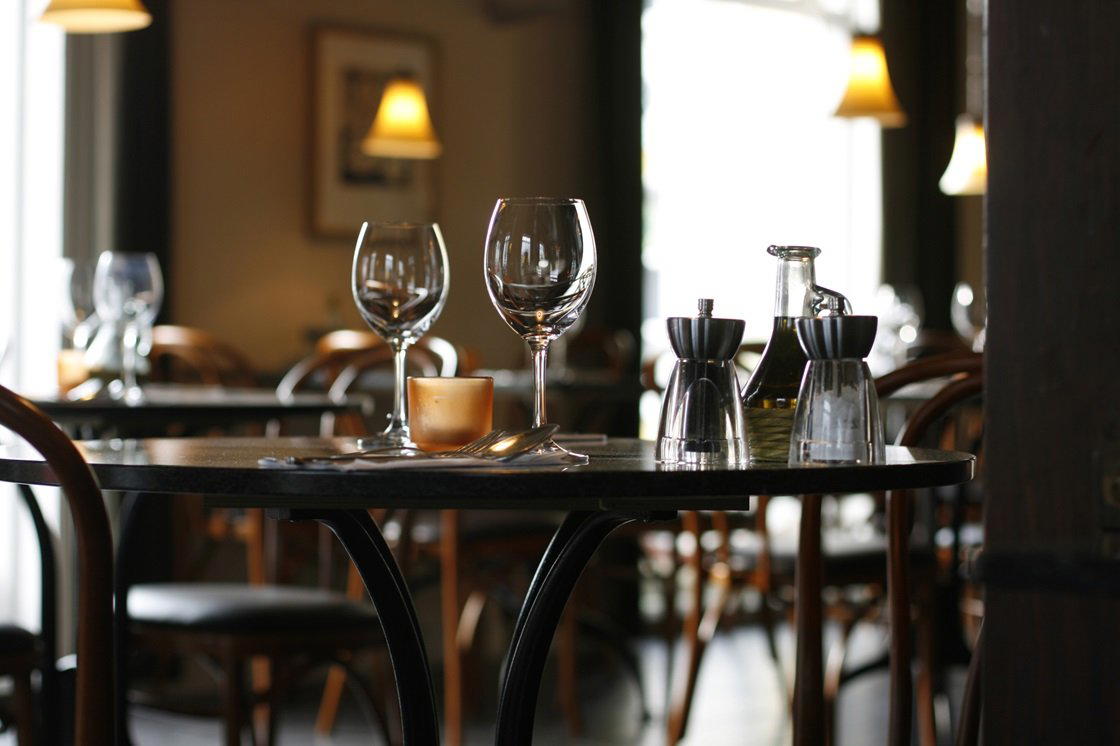
The atmosphere sets expectations before any dish arrives. The physical space projects the kind of composed stillness that serious vegetarian restaurants in China tend to favour — an aesthetic cue rooted in the Chan Buddhist dining tradition, where the environment is considered part of the meal. The approach contrasts sharply with the noisy banquet halls that define much of Quanzhou's dining scene, as surveyed across venues like A Qiu Niu Pai on Huxin Street and the more casual registers of Chun Sheng. At the ¥¥¥ price point, Jiang Nan Yuan is positioning itself explicitly outside the everyday dining circuit and alongside the city's other formal-tier options, such as the seafood-focused restaurants that dominate that bracket locally.
Recognition Across Two Consecutive Years
Jiang Nan Yuan holds a Michelin Plate for both 2024 and 2025, alongside a 2025 Opinionated About Dining ranking of #131 in Asia. The OAD ranking is significant: the list is compiled from votes by experienced diners and professional critics rather than anonymous inspectors, which means the placement reflects sustained reputation among people who eat widely across the region. A ranking in the top 150 across all of Asia for a vegetarian restaurant in a second-tier Chinese city is a meaningful signal about how the kitchen is regarded relative to peers. For comparison, the broader competitive set for formally recognised Chinese vegetarian cooking at this level includes Ru Yuan in Hangzhou, a city with far greater international dining visibility. The fact that Jiang Nan Yuan appears in the same regional conversation reflects both the quality of the kitchen and the relative scarcity of high-end vegetarian restaurants outside China's major metropolitan centres.
The Wine and Beverage Question at an All-Vegetable Table
The editorial angle that most clearly separates premium vegetarian restaurants from their casual counterparts is how they handle the beverage program. At the ¥¥¥ price tier, guests arrive with expectations shaped by the formal dining circuit, and a vegetarian menu presents genuine pairing challenges that a conventional Chinese fine dining room does not face in the same way.
Across China's serious vegetarian fine dining rooms, sommeliers and beverage directors have generally moved in one of two directions. The first is a conventional wine-list approach oriented toward lighter-bodied whites and low-tannin reds, drawing on the same logic applied to vegetable-forward European tasting menus: Burgundy-trained instincts, minimal oak, high acidity. The second approach, more common in Chinese-rooted vegetarian programs, foregrounds tea pairings or domestically produced wines alongside imported options. The latter is more coherent with the culinary philosophy of a restaurant working in a Buddhist-influenced tradition, where the beverage program is understood as an extension of ingredient philosophy rather than a separate hospitality layer. Fu He Hui in Shanghai has done significant work developing the tea-pairing format at the premium level; restaurants in Quanzhou, with access to Fujian's own considerable tea production including Tieguanyin and Da Hong Pao from nearby Wuyi, have a natural resource base to work with.
For a restaurant at Jiang Nan Yuan's recognition level, the beverage approach matters because it determines how completely the kitchen's cooking philosophy is expressed across the full meal. A vegetarian menu that relies solely on a conventional imported wine list is essentially borrowing a framework from a different culinary tradition. The more interesting proposition, and the one that distinguishes the top tier of China's vegetarian dining from the rest, is a beverage program that treats the meal as a unified whole. Whether Jiang Nan Yuan has fully developed this strand of its program is not something the available record confirms with precision, but the ¥¥¥ pricing and sustained critical recognition suggest a level of seriousness that would make it a reasonable area of expectation for guests arriving at that price point.
Where Jiang Nan Yuan Sits in the Regional Picture
Across southern China's formal dining tier, Chinese cuisine restaurants at the Michelin recognition level tend to cluster around two formats: seafood-centred regional cooking (dominant in Fujian and Guangdong) and the kind of highly technique-driven Chinese gastronomy represented by venues like Chef Tam's Seasons in Macau or Imperial Treasure Fine Chinese Cuisine in Guangzhou. A formally recognised vegetarian restaurant in Quanzhou occupies a different niche entirely, one that aligns more naturally with the Buddhist temple cooking tradition of Fujian than with either of those dominant formats.
The closest peer references in the Michelin-recognised Chinese vegetarian category are concentrated in Shanghai, Beijing, and Hangzhou. Outside those cities, the category becomes sparse. This positions Jiang Nan Yuan as a relatively rare example of a kitchen that has achieved formal critical recognition for a format that most Chinese cities of Quanzhou's profile have not developed at this level. For visitors building a Fujian itinerary that extends beyond the seafood-dominated mainstream, it represents a distinct entry point into the city's culinary culture. Those exploring Quanzhou's full range of eating options across price tiers will find different registers at places like Antstory, Che Qiao Tou Wen A Shui Wan on Daxi Street, and De Wen Xia Zai Mian.
Planning Your Visit
At the ¥¥¥ price tier with sustained Michelin and OAD recognition, advance booking is advisable, particularly for dinner sittings or larger group reservations. Quanzhou is not a city that attracts heavy international tourist traffic compared to Xiamen to the south, which means availability may be less constrained than at comparably recognised vegetarian restaurants in Shanghai or Beijing, but the domestic dining audience for this category is growing. Visitors extending their time in the city can consult our full Quanzhou restaurants guide, as well as our Quanzhou hotels guide, bars guide, wineries guide, and experiences guide for broader itinerary context. For those travelling more widely through China's formal dining circuit, related reference points include Xin Rong Ji on Xinyuan South Road in Beijing, 102 House in Shanghai, and Xin Rong Ji in Chengdu.
Cuisine and Awards Snapshot
A quick peer reference to anchor this venue in its category.
| Venue | Cuisine | Awards | Notes |
|---|---|---|---|
| Jiang Nan Yuan | Vegetarian | Michelin Plate (2025); Opinionated About Dining Top Restaurants in Asia Ranked #… | This venue |
| Chun Sheng | Fujian | Fujian, ¥¥ | |
| Luo Ji Mian Xian Hu | Noodles | Noodles, ¥ | |
| Qing You Yu | Seafood | Seafood, ¥¥¥ | |
| Che Qiao Tou Wen A Shui Wan (Daxi Street) | |||
| Hám-khàk |
Continue exploring
More in Quanzhou
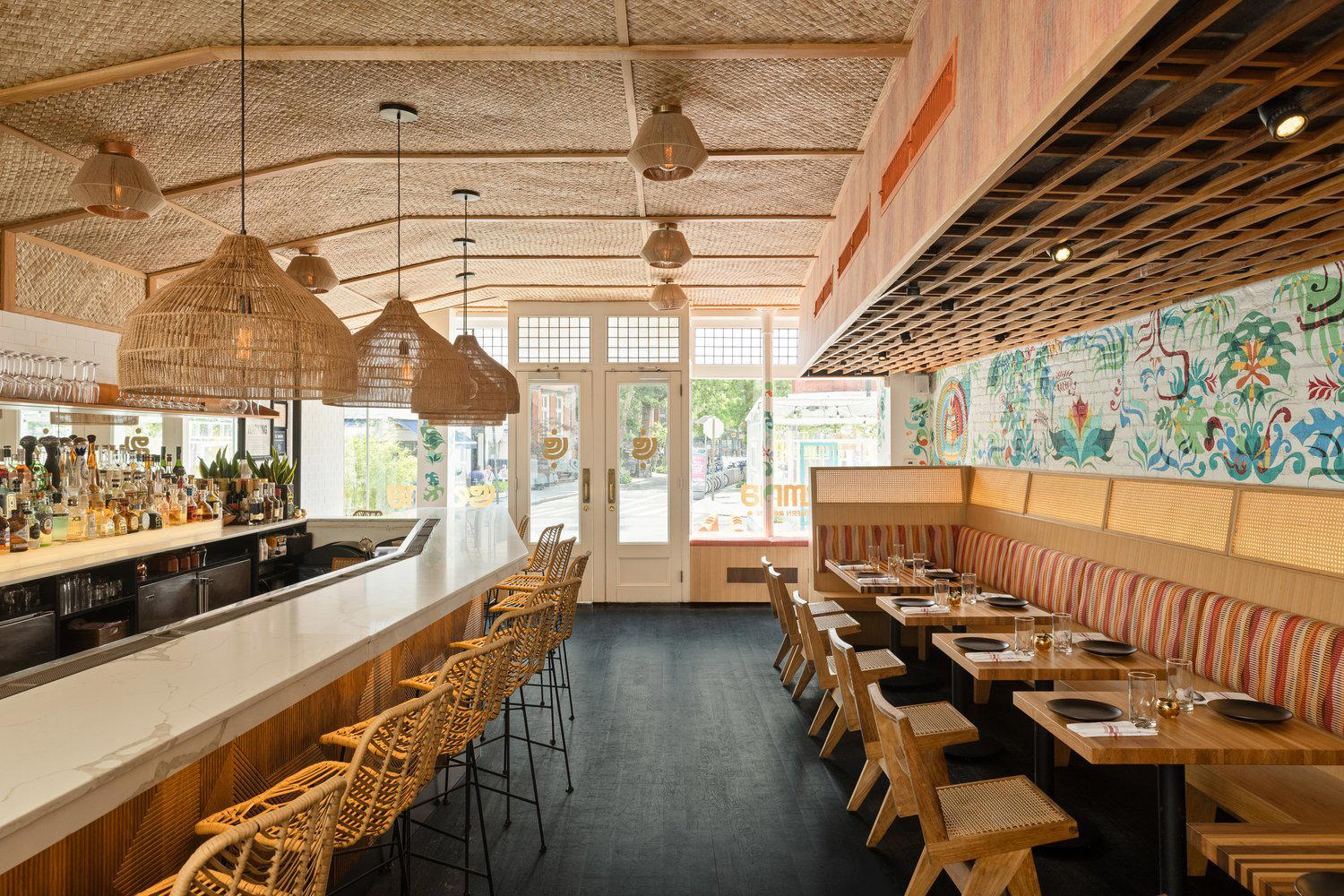
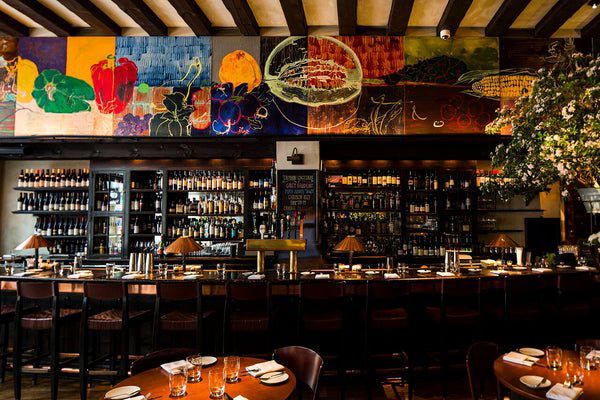
Restaurants in Quanzhou
Browse all →
Bars in Quanzhou
Browse all →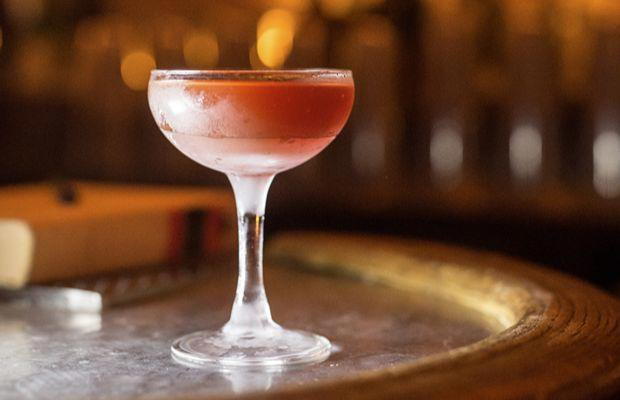

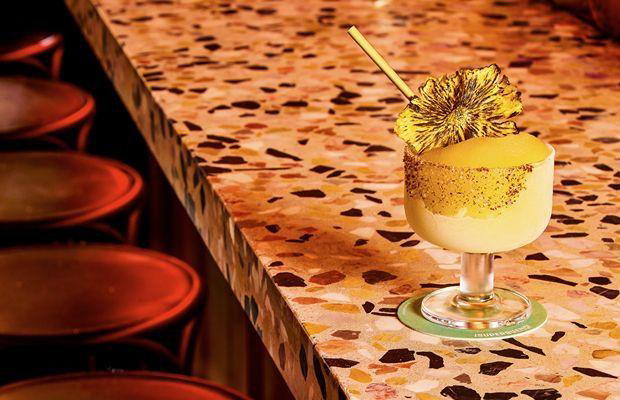
Hotels in Quanzhou
Browse all →







At a Glance
- Classic
- Elegant
- Scenic
- Group Dining
- Special Occasion
- Historic Building
- Garden
Art district ambiance with richly flavored vegetarian dishes that pack oomph and heat, unlike typical light vegetarian fare.