Claud









Michelin Plate · Star Wine List · James Beard Award Nominee
Our verdict
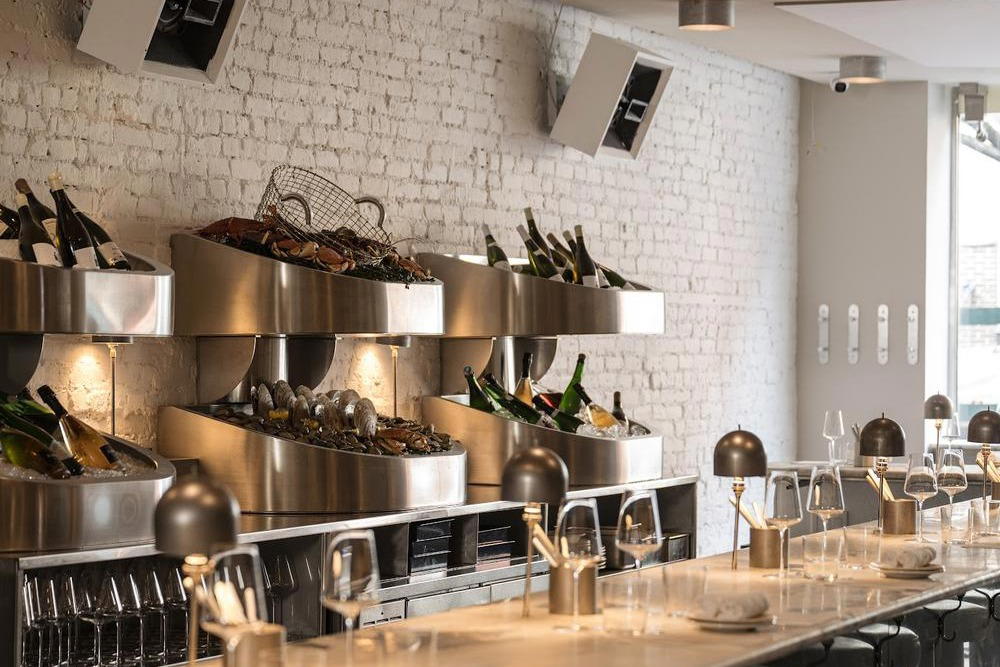
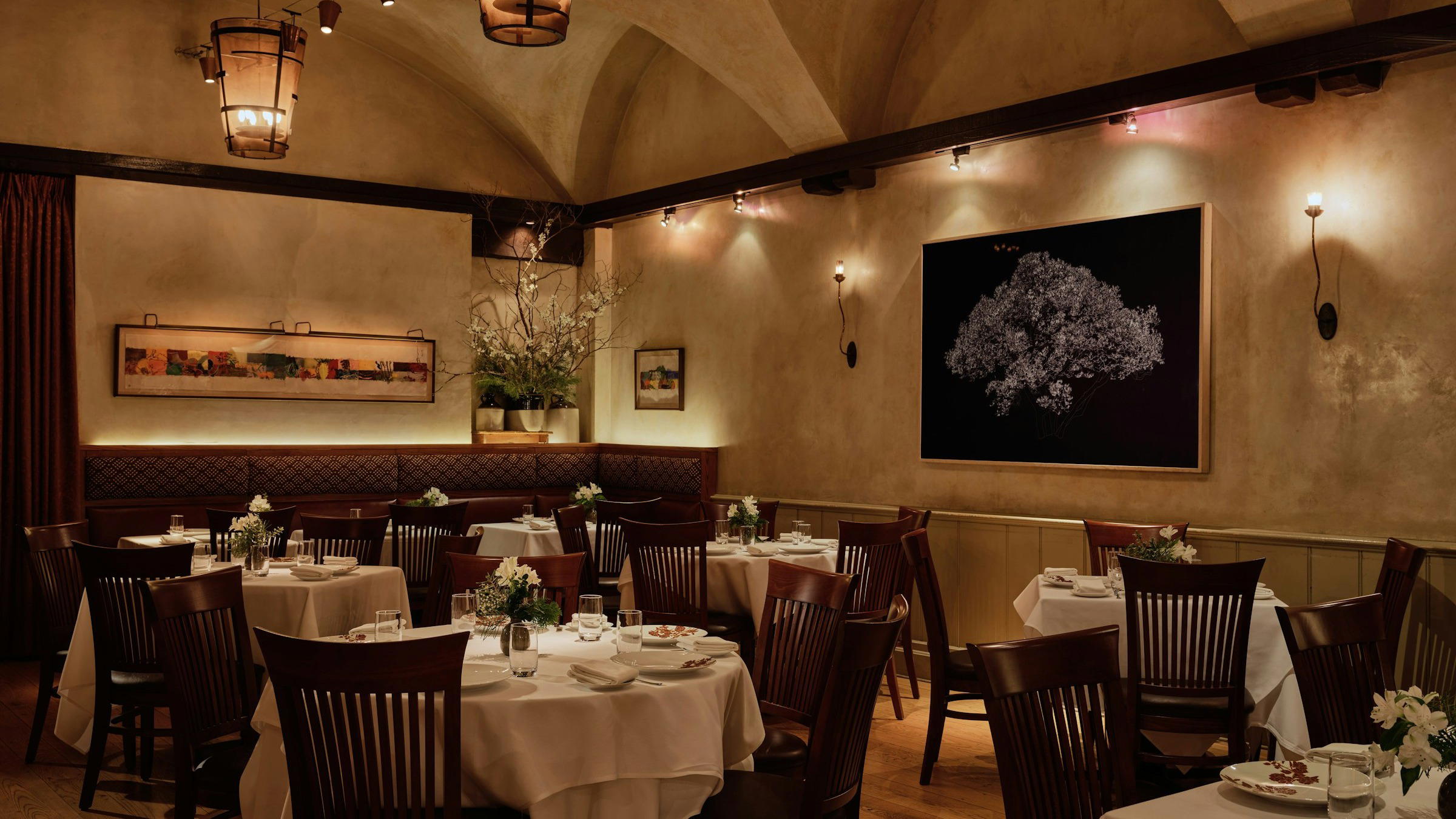
A few steps below street level on East 10th Street, Claud has become one of the East Village's most closely watched dinner reservations. Ranked #1 on Opinionated About Dining's Casual North America list in both 2024 and 2025, it operates at the intersection of French-leaning bistro technique and ingredient-forward New American cooking, with a wine program running to 1,400 selections and 5,000 bottles in inventory.

Pearl is the En Primeur Club membership app, where members save venues, book tables and use the concierge.
The menu
What to order
- Devil’s Food Cake
- Chicken Liver Agnolotti
- Red Shrimp
Below Street Level, Above Most of Its Peers
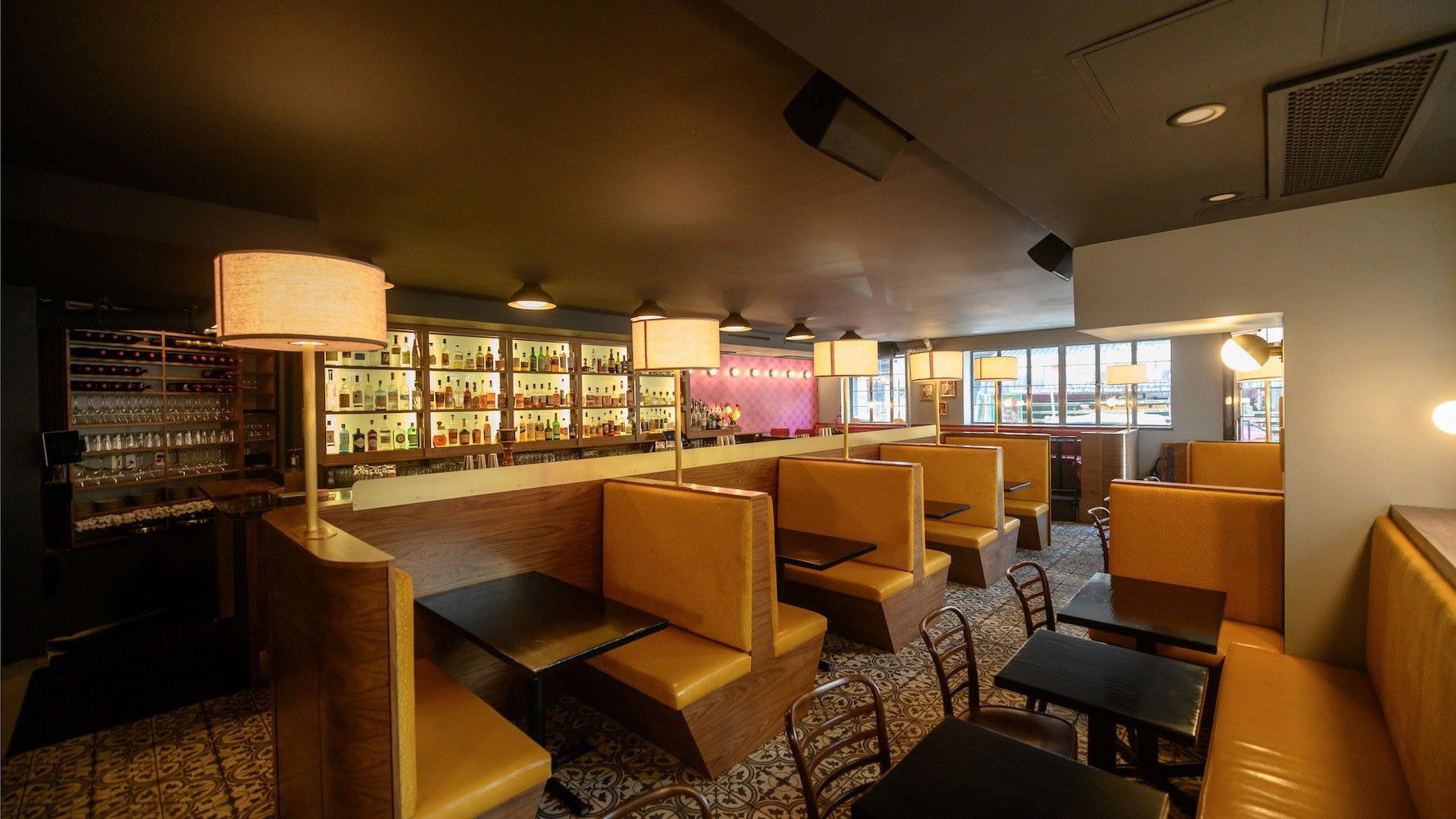
The East Village has always harbored a particular kind of restaurant: not the destination-dining address that draws tourists on special occasions, but the neighborhood room that regulars fight to enter and critics quietly rank alongside far more expensive peers. Claud, on East 10th Street, sits at the sharper end of that tradition. The physical space is modest by design. What happens inside it is not.
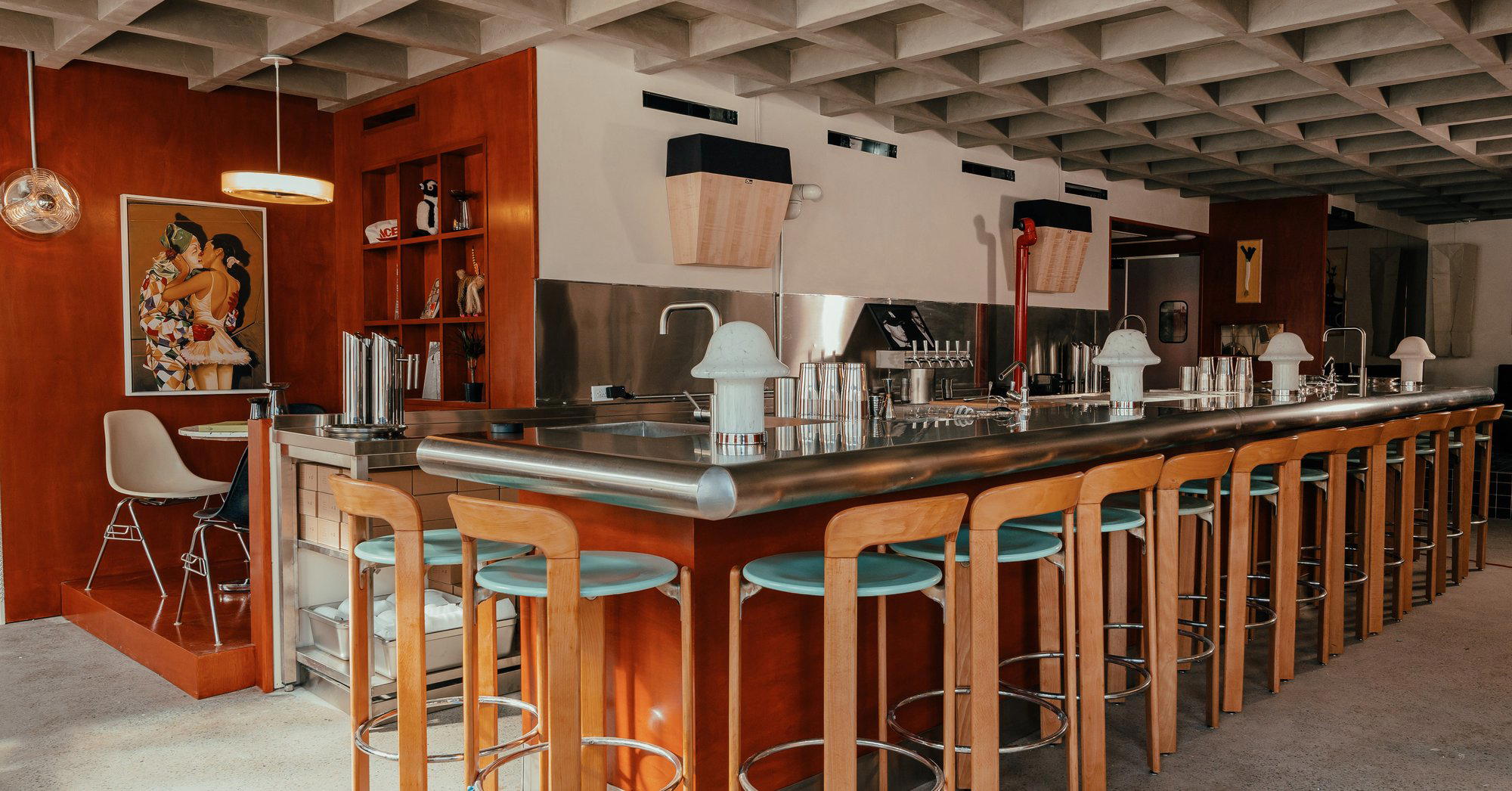
That gap between setting and ambition is central to understanding where Claud fits in New York dining. The city maintains a tier of formally recognized destination restaurants Le Bernardin, Eleven Madison Park, Per Se, Masa, Atomix, all operating at the $$$$ price tier with tasting menus and formal room conventions. Claud occupies a structurally different position: the $$$ casual-fine register where the room is informal but the kitchen is not, where shared plates replace tasting sequences, and where a deeply serious wine program sits behind a zinc bar rather than inside a velvet-rope cellar. Opinionated About Dining ranked it #1 on its Casual North America list in both 2024 and 2025, a double endorsement that signals how consistently the restaurant delivers against its own format.
The Regional Conversation Behind the Cooking
American fine dining has spent the better part of two decades negotiating a truce between European technique and local identity. The tension plays out differently depending on geography: in San Francisco at Lazy Bear, the emphasis leans toward Northern California produce and fermenting traditions; at Single Thread Farm in Healdsburg, the farm-to-table doctrine is enacted with Japanese-influenced restraint; at Alinea in Chicago, the framework is conceptual modernism. In New Orleans, Providence in Los Angeles keeps its axis firmly on Pacific seafood.
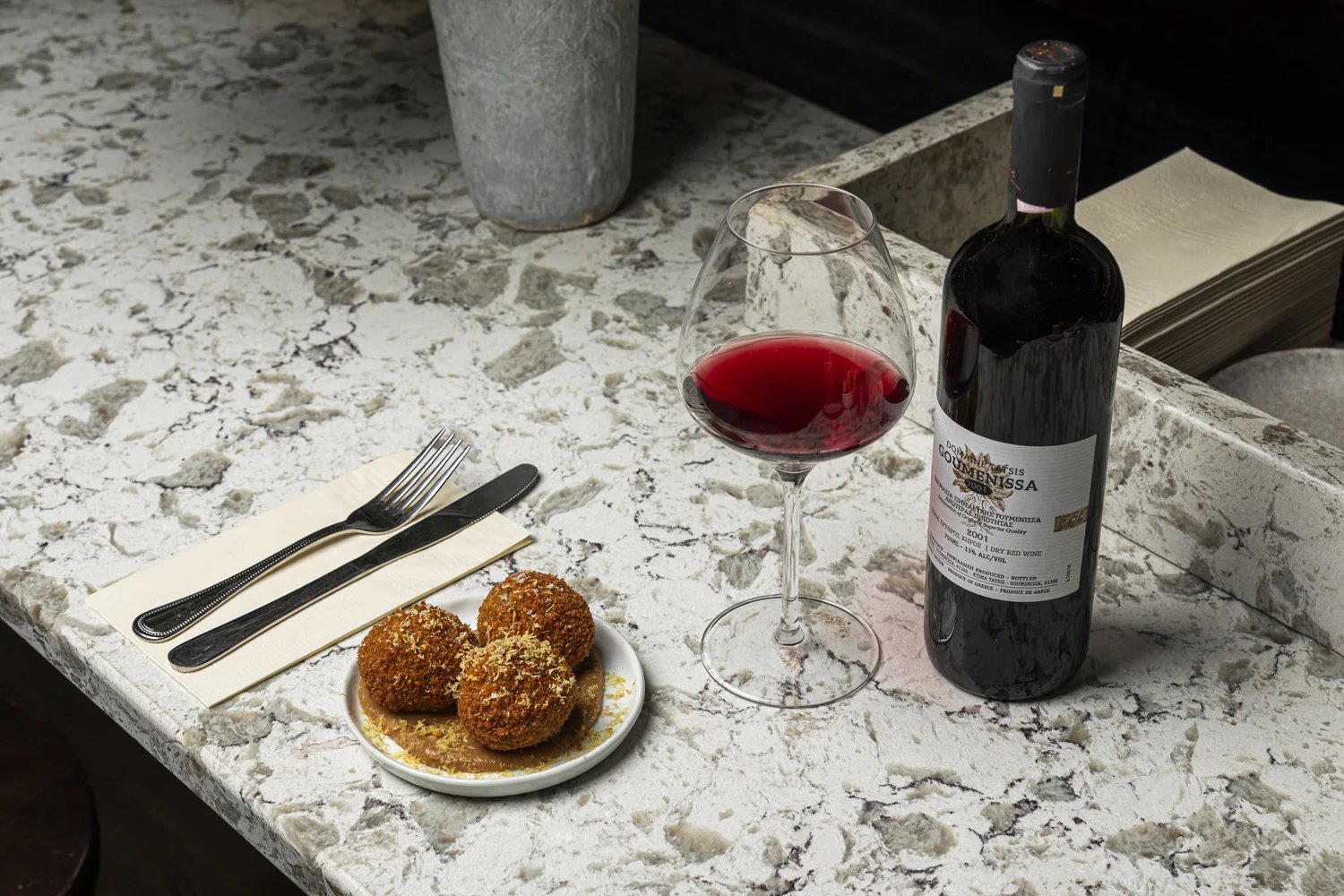
New York's contribution to this conversation tends to run through a French-inflected classicism, but one refracted through the city's density and informality. Claud belongs to that lineage. Chef Joshua Pinsky works in a mode where French bistro foundations, escargots, rillettes, roast chicken, are given a precise, quietly adventurous treatment. The escargots arrive folded into molten croquettes, the garlicky herb butter still present but recontextualized. The rillettes carry the weight of a properly made French original. The roast chicken is bathed in a jus built with lovage and pickled peppers. These are not fusion gestures or novelty departures; they are the moves of a kitchen that understands the tradition well enough to extend it without losing it. New York Magazine included Claud in its 2025 list of the 43 best restaurants in the city. The Michelin Guide awarded a Plate in 2024. Esquire named it one of the leading new restaurants in the country at #34 in 2023.
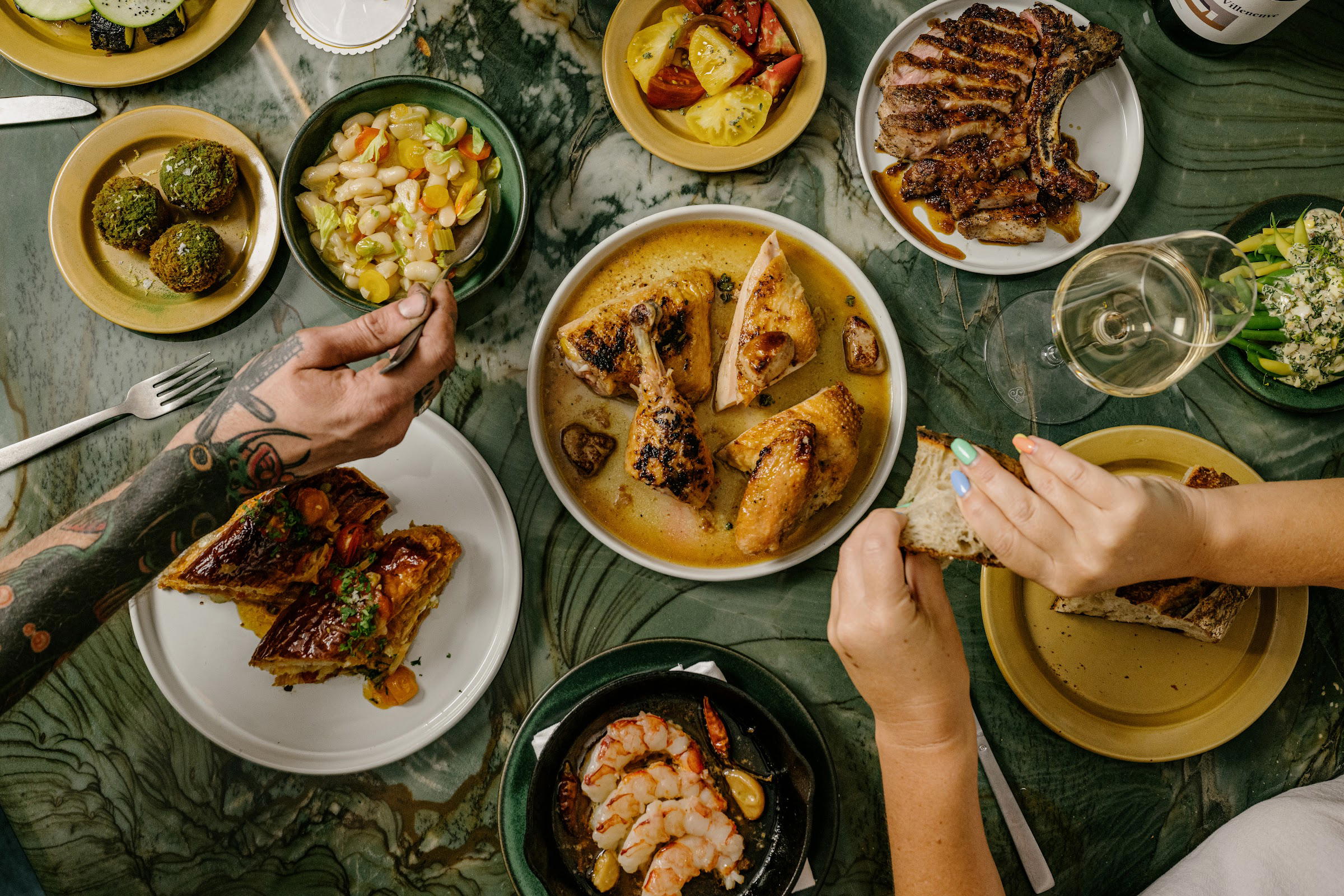
The shared plates format underpins how the menu reads. The kitchen is described as ingredient-focused, prioritizing substance, and that orientation is visible in the structure of the meal: begin with something immediate and tactile (red shrimp, sizzling with garlic and olive oil), move through heartier main plates (a pork chop with smoked onion jus, a roasted chicken), and close with the six-layer devil's food cake that has become one of the more discussed desserts in the East Village. The cooking follows a logic closer to The French Laundry's belief in classical structure than to the spectacle-oriented formats at places like 8½ Otto e Mezzo Bombana or the grandeur of Alain Ducasse at Louis XV, except that the room costs a fraction of those addresses and the format is deliberately approachable.
The Wine Program as a Parallel Argument
In any serious wine bar, the list is an editorial statement, not just a beverage menu. At Claud, the program runs to 1,400 selections with 5,000 bottles in inventory, weighted toward France, and priced at $$$, meaning a meaningful portion of the list sits at the $100-plus-per-bottle range. The corkage fee is $55 for those arriving with their own bottles.
The wine program places Claud in a specific peer tier: not the grand-hotel cellar approach of a three-Michelin-star address, but not the rotating-keg natural wine bar either. It is a serious, France-anchored list with depth in inventory and the kind of range that rewards repeat visits at different price points.
Access, Timing, and Competitive Position
Reservations at Claud run ahead of the room's apparent scale. The basement setting and neighborhood address suggest something easier to walk into than it actually is; the awards record and press coverage since 2023 have closed that gap between perceived and actual demand. The bar remains an option for walk-ins when tables are full, which is a practical consideration worth factoring into any visit plan.
Hours run Monday through Sunday, 5 to 10 pm, with dinner as the only service. There is no lunch program.
How Claud Compares to Nearby Peers
| Venue | Cuisine | Price Tier | Key Recognition | Format | |||||||||||||||||||||||||||||||
|---|---|---|---|---|---|---|---|---|---|---|---|---|---|---|---|---|---|---|---|---|---|---|---|---|---|---|---|---|---|---|---|---|---|---|---|
| Claud | New American / French-Inspired | $$$ | OAD #1 Casual NA (2024, 2025); Michelin Plate (2024) | Shared plates, wine bar | |||||||||||||||||||||||||||||||
| Le Bernardin | French, Seafood | $$$$ | Michelin 3 Stars | Prix fixe tasting | |||||||||||||||||||||||||||||||
| Eleven Madison Park | French, Vegan | $$$$ | Michelin 3 Stars | Prix fixe tasting | |||||||||||||||||||||||||||||||
| Atomix | Modern Korean | $$$$ | Michelin 2 Stars | Tasting menu | |||||||||||||||||||||||||||||||
our New York City experiences guide.Frequently asked questionsIs Claud more mid-range or high-end?Pricing at Claud is listed as $$$. Side-by-Side Snapshot
Recognition historyDated appearances from independent guides and award organizations, with the underlying list record or original source where available.
Full recognition history (17 entries)
Continue exploring More in New York CityMore from Chef Joshua PinskyBrowse all →Restaurants in New York CityAll restaurants in New York City →Bars in New York CityAll bars in New York City →Claud The wineClaud holds the Wine Spectator Best of Award of Excellence, which Wine Spectator gives to lists of usually 350 or more selections.
DetailsVibe
Best For
Experience
Drink Program
Noise LevelConversational CapacityIntimate Service StyleUpscale Casual Meal PacingLeisurely Visit details Current opening hours
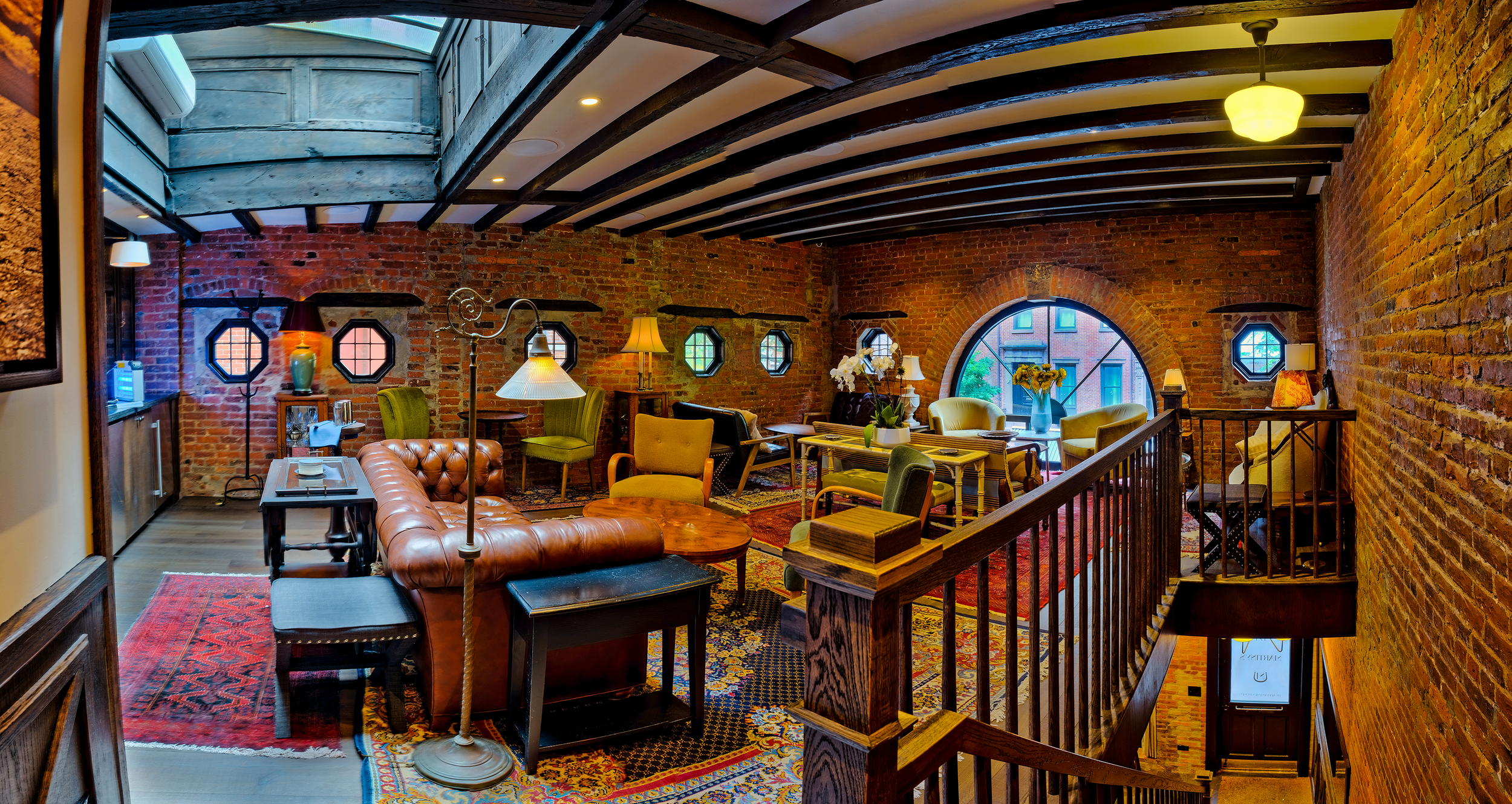
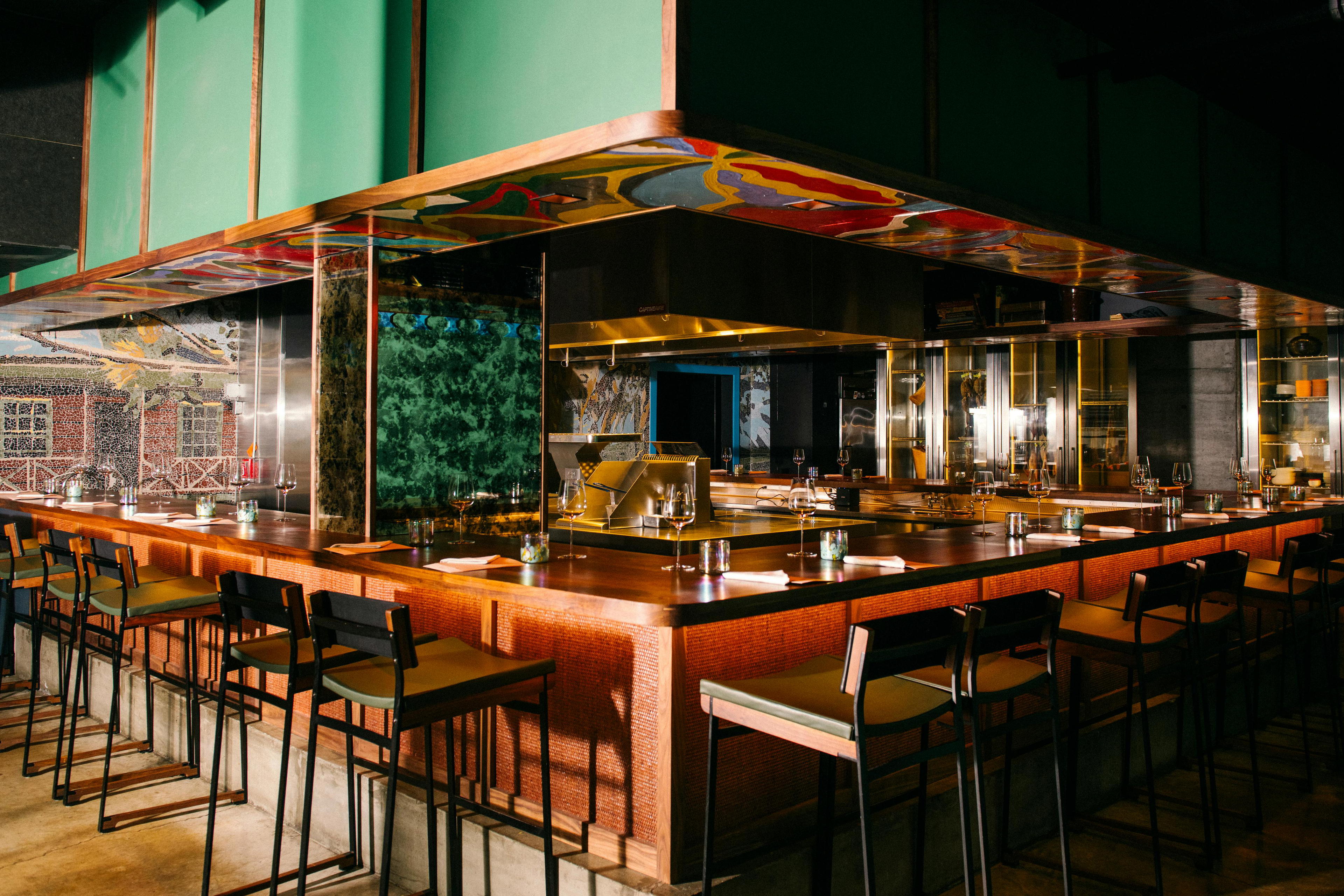
Hours can change for holidays and private events. Last verified . Sleek and stylish with whitewashed brick, dark charcoal tiled floors, snug seating, dim lighting, and an open kitchen creating a busy, exclusive house party vibe. |