
Michelin Bib Gourmand
Our verdict
Operating from a historic three-storey red brick villa in Jinjiang since 2018, Antstory holds a Michelin Plate (2025) for its approach to Fujian cooking: traditional recipes reframed through modern technique, house-made sauces, and regional ingredients. The ten-dish classics menu offers a structured entry point, anchored by the vinegar pork, a Quanzhou staple reimagined with apple cider marinade, deep frying, and macadamia nuts.

Pearl is the En Primeur Club membership app, where members save venues, book tables and use the concierge.
The menu
What to order
- Shima five-spice pork roll
- Braised yellow croaker with scallion
- Chef’s vinegar pork
- Truffle baked Wuchang rice
- Hakka salt-baked lamb chops
A Red Brick Villa and the Weight of Fujian Tradition
Quanzhou's dining scene occupies an unusual position in China's broader culinary conversation. The city sits at the historical heart of Fujian province, once a major port on the Maritime Silk Road, and its food culture is densely layered: fermented pastes, slow-braised seafood, five-spice preparations, and a sourness that runs through vinegar-marinated meats in a way that distinguishes the local palate from both Shanghai and Cantonese traditions. That culinary identity has mostly been transmitted through family kitchens and street-level stalls rather than formal restaurants. The more interesting development in recent years is what happens when a younger generation of local cooks engages seriously with that archive.
Antstory sits inside a three-storey red brick villa on Yaxiang Lane (衙巷) in Jinjiang, a building that carries its own historical register. The structure dates well before the restaurant's 2018 opening, and arriving here positions the meal before a single dish appears: the architecture signals that what follows will be rooted rather than reinvented from scratch. The setting is not incidental to the cooking, it frames the editorial argument the kitchen is making about Fujian food and where it belongs in the present tense.
The Fujian Kitchen as Living Archive
Across China, the most credible regional cooking projects tend to share a structural logic: they begin from documented tradition and apply technique selectively, rather than importing modernist frameworks wholesale. Antstory operates within that logic. The kitchen's foundation is recognisably Fujianese, five-spice pork rolls, braised yellow croaker with scallion, the kind of preparations that appear in household recipe books across the province. What shifts is the execution: house-made sauces and condiments replace off-the-shelf inputs, and modern technique is applied where it sharpens a flavour profile without displacing the original intent.
That approach is easier to describe than to execute consistently. Fujian cuisine relies heavily on fermentation, slow cooking, and the careful management of umami-forward bases. Substituting commercial shortcuts is common in mid-tier restaurant kitchens, and the decision to produce condiments in-house indicates a seriousness about ingredient control that affects every dish on the menu. Michelin's Plate recognition in both 2024 and 2025 provides external validation that the kitchen's standards have held across consecutive assessment cycles, not a starred accolade, but a consistent signal of cooking worth attention.
For context on how Fujian cooking is being interpreted elsewhere in China, Hokkien Cuisine, Fujian in Chengdu and Hokklo, Fujian in Xiamen represent different regional takes on the same culinary tradition. Xiamen's version tends toward the seafood-forward registers that dominate coastal Fujian; Chengdu's transplanted Hokkien kitchen operates in the context of a city that consumes regional cuisines with particular appetite for distinction.
The Ten Classics and the Vinegar Pork
The structure of the menu offers a practical entry point for first-time visitors: a curated set of ten classics that functions as an orientation to the kitchen's range. The Shima five-spice pork roll is among the listed dishes, a preparation rooted in the kind of banquet cooking that has defined formal Fujian hospitality for generations. The braised yellow croaker with scallion is another anchor, belonging to a category of fish preparations that appear across the province but vary significantly in execution depending on the quality of the braise and the balance of aromatics.
The dish that carries the most editorial weight is the vinegar pork. The Quanzhou version of this preparation, pork marinated in vinegar, typically combined with ginger and aromatics, is deeply local, the kind of dish that exists in almost every neighbourhood restaurant in the city but rarely receives formal treatment. Antstory's version uses apple cider vinegar as the marinade base, deep-fries the pork, and serves it with a wafer and macadamia nuts. The construction shifts the dish into a different register: the acidity is reframed, the texture contrast is deliberate, and the macadamia introduces a fat richness that wasn't part of the original.
Where Antstory Sits in Quanzhou's Dining Scene
At the ¥¥ price point, Antstory operates in the same tier as Chun Sheng, another Fujian kitchen in the city, which means the comparison for a visitor is between two distinct approaches to the same culinary material at similar spend levels. Quanzhou's dining options span from single-yuan noodle counters to higher-end seafood restaurants such as Qing You Yu at ¥¥¥. The middle tier is where the city's more considered cooking projects tend to sit, and Antstory's Michelin recognition positions it at the more credible end of that band.
For visitors assembling a broader picture of eating in the city, Hall Thing (Licheng), Lao A Bo, Jian Lai Fa, and A Qiu Niu Pai (Huxin Street) each offer distinct angles on the city's food character. The full Quanzhou restaurants guide maps the broader field.
Regional Chinese cooking at this standard also has meaningful comparators beyond Fujian: Xin Rong Ji (Xinyuan South Road) in Beijing, 102 House in Shanghai, Chef Tam's Seasons in Macau, Ru Yuan in Hangzhou, Xin Rong Ji in Chengdu, and Imperial Treasure Fine Chinese Cuisine in Guangzhou represent the broader tier of formal regional Chinese kitchens operating with serious technique. The difference at Antstory is the specificity of its geographic commitment, this is not regional Chinese cooking in general, but a very particular read on one city's culinary inheritance.
Planning a Visit
Antstory is located at No. 7 Yaxiang Lane, Jinjiang, Quanzhou, Fujian province (postal code 362201). The ten-classics format suggests that a first visit is leading structured around the listed dishes rather than improvised ordering. Phone and website details are not currently listed in public directories, and the most reliable approach to confirming current hours and reservations is to contact the restaurant directly through Chinese dining platforms or on arrival. The ¥¥ pricing means a full meal per person falls well within the mid-market range for Fujian restaurant dining. For accommodation and other planning context, the Quanzhou hotels guide, Quanzhou bars guide, and Quanzhou experiences guide cover the surrounding terrain.
Frequently asked questions
What kind of recognition has Antstory received?
Antstory has received recognition including: Since 2018, Antstory has been running this historic three-storey red brick villa. The young local chef reinterprets traditional Fujian recipes with modern techniques, home-made sauces and condiments. First-timers can pick from ‘10 classics’….
How much does it cost to eat at Antstory?
Pricing at Antstory is listed as ¥¥.
What's the signature dish at Antstory?
The vinegar pork draws consistent attention: pork marinated in apple cider vinegar, deep fried, and served with wafer and macadamia nuts, a deliberate modern reworking of a Quanzhou classic. The menu also offers ten documented Fujian classics, including Shima five-spice pork roll and braised yellow croaker with scallion, which serve as a structured introduction to the kitchen's range. Antstory has held the Michelin Plate in both 2024 and 2025, recognising the consistency of this approach.
A Pricing-First Comparison
| Venue | Cuisine | Price | Awards |
|---|---|---|---|
| AntstoryThis venue (the venue you are viewing) | Modern Fujian Cuisine | Not listed | Michelin Bib Gourmand |
| Chun Sheng | Home-style Fujian | $20–30 | Michelin Bib Gourmand |
| Jiang Nan Yuan | Vegetarian | Not listed | Not listed |
| Luo Ji Mian Xian Hu | Minnan Noodle Shop | $10–20 | Michelin Bib Gourmand |
| Qing You Yu | Live Seafood Selection with Refined Fujian Technique | $50–100 | 1 Michelin Star · Black Pearl 1 Diamond |
| Che Qiao Tou Wen A Shui Wan (Daxi Street) | Traditional Quanzhou Small Eats | Not listed | Michelin Bib Gourmand |
Recognition history
Dated appearances from independent guides and award organizations, with the underlying list record or original source where available.
Michelin Bib Gourmand
Michelin
Full recognition history (3 entries)
Michelin Plate
Michelin
Michelin Plate
Michelin
Continue exploring
More in Quanzhou
Restaurants in Quanzhou
All restaurants in Quanzhou →
Bars in Quanzhou
Browse all →



Details
- Historic
- Elegant
- Cozy
- Family
- Group Dining
- Celebration
- Historic Building
- Private Dining
- Open Kitchen
- Street Scene
- A La Carte
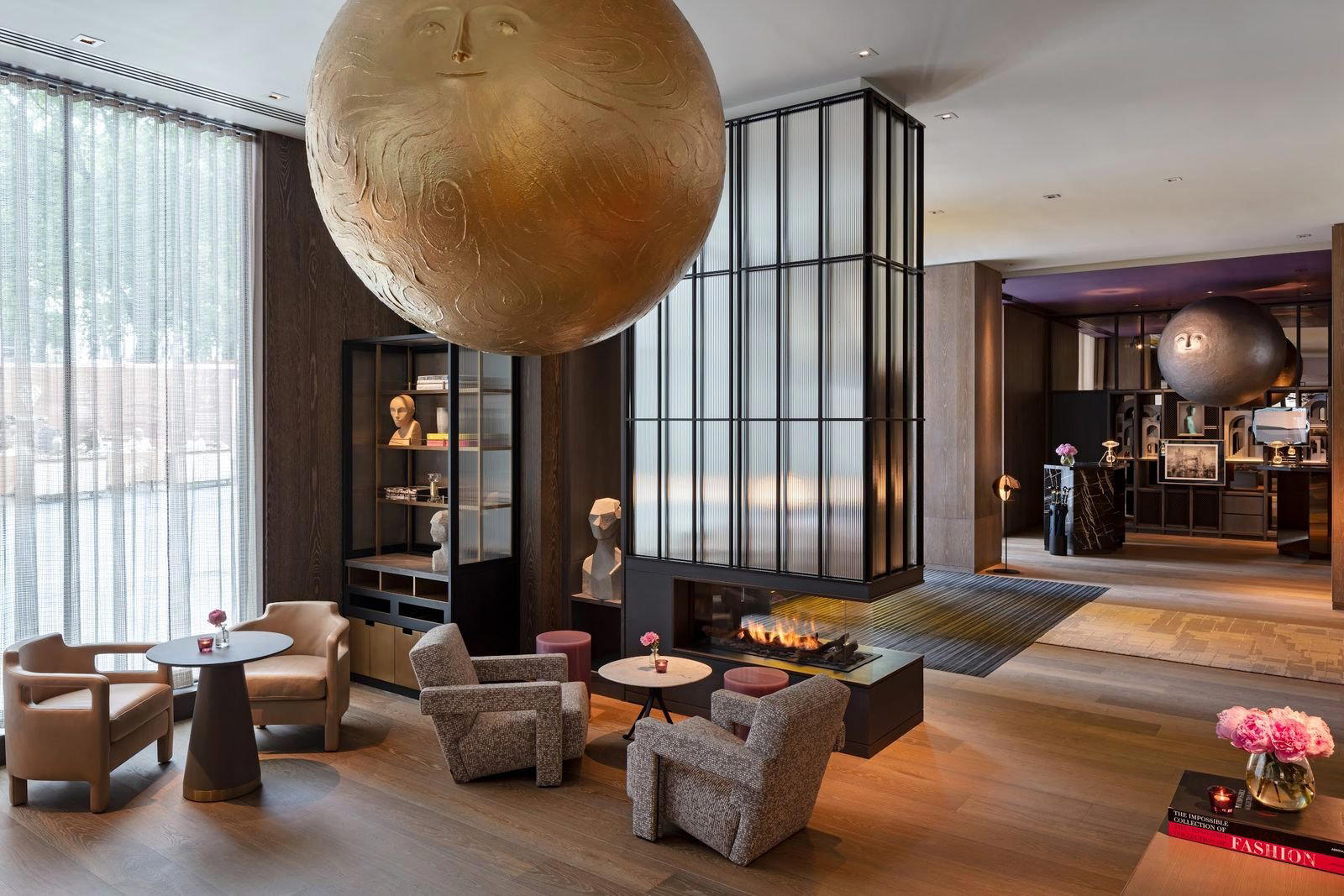
Modern minimalist interior in a preserved Minnan red brick building with private boxes on upper floors and outdoor dining on the third floor offering night views.