
A Michelin Bib Gourmand recipient since 2025, De Wen Xia Zai Mian is a no-frills noodle shop in Quanzhou's Fujian province serving a single focus: Hokkien hae mee, the region's prawn noodle tradition. The broth simmers for seven hours, the noodles carry genuine bounce, and a roster of fresh seafood toppings keeps the bowl from ever feeling static. At single-digit renminbi prices, few bowls anywhere deliver this much depth per yuan.
Pearl is the En Primeur Club membership app — saves, bookings, and concierge access live there. Same editors, same standards.
- Address
- Quanzhou, Fujian, China
- Phone
- +86 139 5979 2507
- Directions
- Get directions
 Saves & bookings on Pearl
What a Seven-Hour Broth Tells You About Quanzhou's Noodle Culture
Quanzhou's street-level food culture operates on a principle that most premium dining cities have long abandoned: that the most technically demanding work can happen inside the most unassuming rooms. The city's noodle shops are a clear illustration of this. Where Hokkien cuisine is discussed in fine-dining contexts — in restaurants like Xin Rong Ji (Xinyuan South Road) in Beijing or Xin Rong Ji in Chengdu — the conversation centres on ingredient provenance and refinement. At the neighbourhood level in Quanzhou, it centres on the broth. De Wen Xia Zai Mian is a direct expression of that local discipline.
The shop opened in 2022, built around a single offering: Fujian-style prawn noodles, known in Hokkien as hae mee. The format is narrow by design. There is no rotating menu, no seasonal concept, no parallel program. There is hae mee, a selection of seafood toppings, and a broth that simmers for seven hours before service begins. By 2025, the Michelin Guide had awarded the shop a Bib Gourmand, the guide's marker for places that deliver serious quality at prices accessible to a broad range of diners, a designation that places De Wen Xia Zai Mian inside a specific and meaningful peer group across Chinese street food.
The Bowl at the Centre of It
Fujian-style prawn noodles occupy a distinct position in the broader family of Southeast and East Asian prawn noodle traditions. The Hokkien diaspora carried versions of this dish to Malaysia and Singapore, where hae mee developed along slightly different lines, darker, with a stronger pork-and-prawn base in some versions, or lighter and more aromatic in others. The Fujian original, as practised in Quanzhou, tends toward a broth that is clear in colour but layered in flavour, with shellfish sweetness working alongside savoury depth rather than overpowering it.
At De Wen Xia Zai Mian, the noodles are medium-thickness and described as bouncy, a textural quality in Chinese noodle culture that signals proper alkalinity and handling, not simply freshness. A noodle that collapses under chopstick pressure or turns soft within minutes of hitting broth is a sign of shortcuts. The noodles here hold their structure through the bowl.
The seafood toppings are where the bowl becomes personal. The base hae mee is the signature, but the kitchen offers additions including baby lobster, prawn, crabmeat, squid, and razor clams. The sourcing is described as fresh, and in a coastal Fujian city with direct access to the Taiwan Strait's waters, that claim carries weight. Razor clams in particular are a regional coastal product that rarely travel well, making their presence on a Quanzhou menu a direct geographic advantage.
Value at the Sharp End of the Price Scale
The shop sits at the lowest price tier in Quanzhou's dining market, a single ¥ designation, the same bracket as nearby Luo Ji Mian Xian Hu, another noodle-focused address in the city. Against the ¥¥¥ registers of Quanzhou's seafood and vegetarian specialists, the distance in price is significant. A bowl with one or two seafood additions here costs a fraction of what comparable shellfish would command at a table-service restaurant.
This is where the Michelin Bib Gourmand designation does specific work as a trust signal. The Bib Gourmand does not evaluate price in isolation; it evaluates the ratio of quality to price. A shop that charges little but produces thin broth and mediocre noodles would not qualify. The 2025 recognition implies that the inspectors found the technique consistent enough with the cost to warrant the badge. For a reader calibrating where to spend in Quanzhou, that is useful information. Comparable value-to-technique ratios at noodle shops appear at A Bing Bao Shan Mian in Hangzhou and A Kun Mian in Taichung, both operating at the same principle of single-focus execution at low price points.
Quanzhou's dining spectrum is worth holding in view. The city's Michelin-tracked scene includes entries across the ¥ to ¥¥¥ range, from street noodles to higher-end Fujian cuisine. De Wen Xia Zai Mian shares a city with Zhuang Ji Quan Fu Lu Mian Guan, another noodle-focused address, as well as more contemporary venues like Antstory and A Qiu Niu Pai (Huxin Street). The range suggests a city where cheap and ambitious coexist without the usual geographic separation. See our full Quanzhou restaurants guide for a broader picture of where the city's kitchens are concentrated and how they are priced.
The Wider Fujian Noodle Tradition
Hokkien hae mee is not a recent invention dressed up for modern audiences. It belongs to a culinary lineage that traces back through the port cities of southern Fujian, where fishing communities built daily meals around whatever the boats returned with. Prawn shells and heads, often discarded in other cooking traditions, became the backbone of the broth, slow-cooked to extract sweetness and umami before service. The technique is labour-intensive relative to its perceived informality; a seven-hour simmer is not a shortcut measure but a deliberate structural choice.
That tradition sits differently when viewed against the Chinese dining scene further north. At 102 House in Shanghai or Chef Tam's Seasons in Macau, Chinese culinary heritage operates at a different register of formality and price. At Ru Yuan in Hangzhou or Imperial Treasure Fine Chinese Cuisine in Guangzhou, regional traditions are repackaged for dining rooms with matching service and wine lists. De Wen Xia Zai Mian operates in the opposite direction: no repackaging, no reframing. The dish is delivered in its base form, and the quality argument is made by the bowl alone.
Planning a Visit
De Wen Xia Zai Mian is located in Quanzhou, Fujian Province. No booking method is listed, which is consistent with how most single-dish noodle shops at this price point operate across China, first-come, first-served, with queues forming at peak hours. Following a Michelin Bib Gourmand listing in 2025, foot traffic at shops like this typically increases meaningfully, particularly among visitors arriving from outside the city. Arriving early or outside conventional meal windows is the direct way to avoid a wait. The ¥ price tier means turnover is fast; lines at this category of shop in Chinese cities rarely mean a long wait, but they are a reliable indicator of consistency.
Quanzhou is connected by high-speed rail to Fuzhou, Xiamen, and other major Fujian cities, making it accessible as a day trip or an overnight stop for travellers moving through the province. For accommodation and broader itinerary planning, our full Quanzhou hotels guide covers the city's accommodation options, and our full Quanzhou bars guide maps the city's drinking scene. Those with broader regional interests can also consult our full Quanzhou wineries guide and our full Quanzhou experiences guide. For other noodle-forward meals in the city, Che Qiao Tou Wen A Shui Wan (Daxi Street) is worth including on the same itinerary.
Recognition, Side-by-Side
| Venue | Cuisine | Price | Awards |
|---|---|---|---|
| De Wen Xia Zai MianThis venue — the venue you are viewing | Noodles | ¥ | Bib Gourmand |
| Chun Sheng | Fujian | ¥¥ | Fujian |
| Jiang Nan Yuan | Vegetarian | ¥¥¥ | Vegetarian |
| Luo Ji Mian Xian Hu | Noodles | ¥ | Noodles |
| Qing You Yu | Seafood | ¥¥¥ | Seafood |
Recognition history
Dated appearances from independent guides and award organizations, with the underlying list record or original source where available.
Michelin Bib Gourmand
Michelin
Michelin Bib Gourmand
Michelin





At a Glance
- Rustic
- Intimate
- Cozy
- Casual Hangout
- Standalone
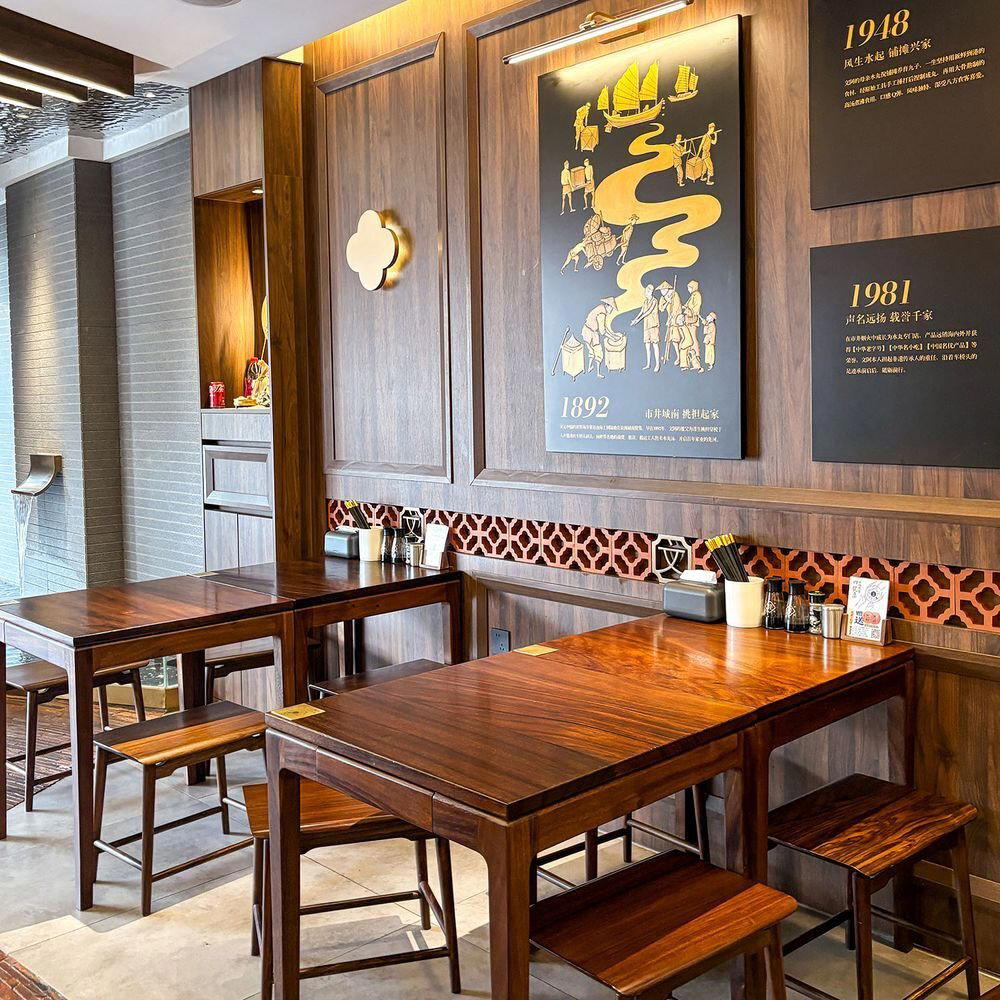
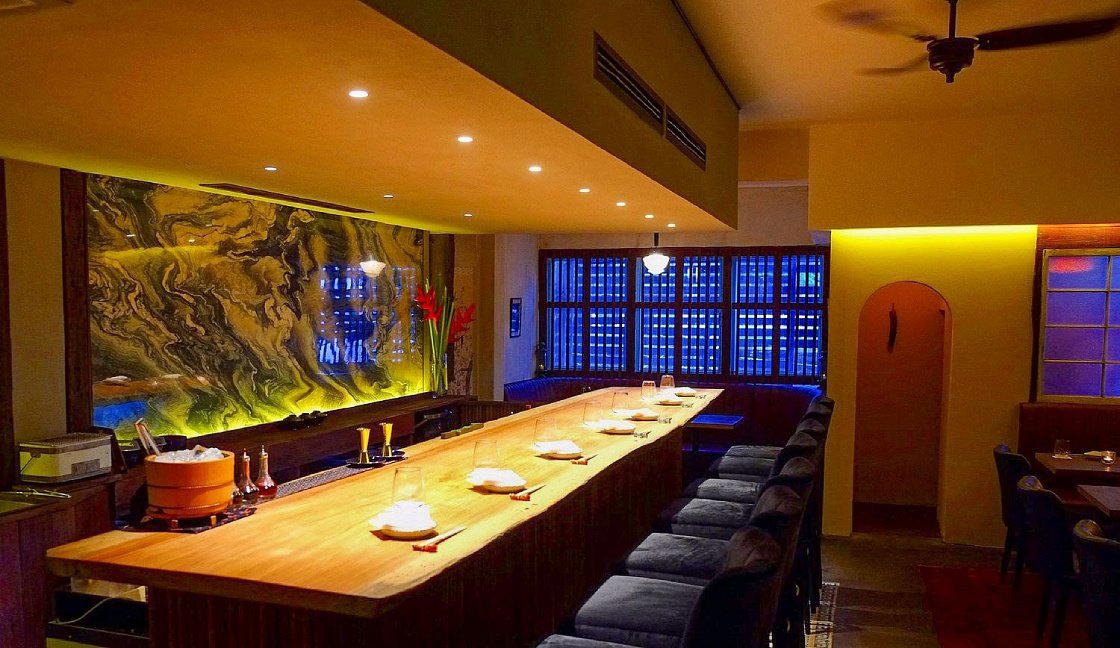
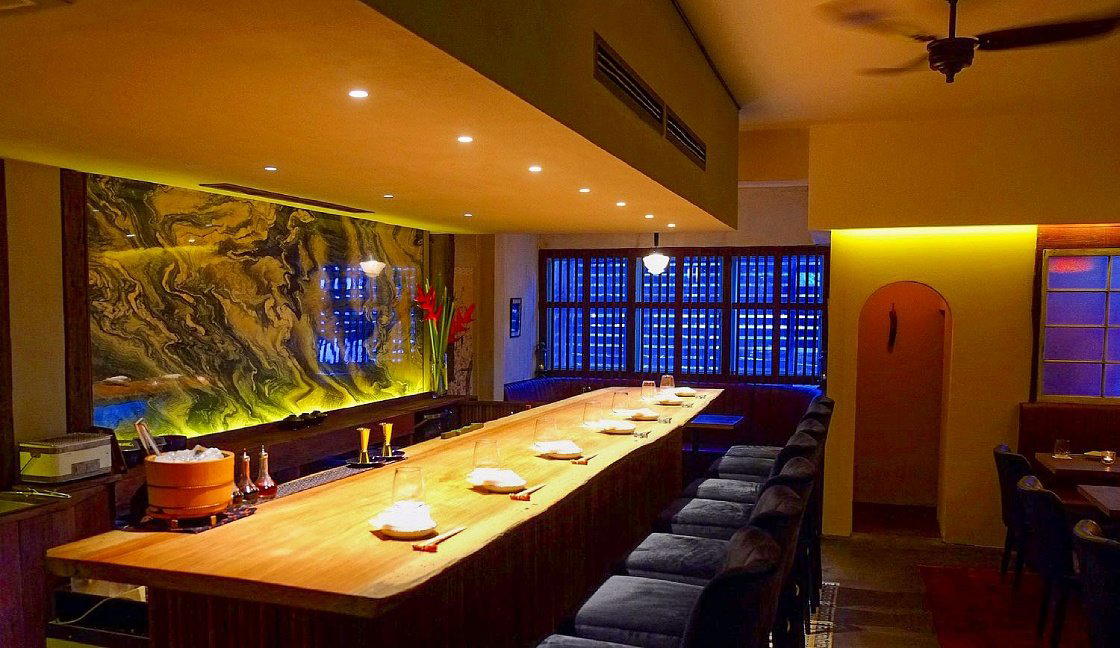
Unadorned yet purposeful rustic setting with serene, understated ambiance inviting focused appreciation.
Know Before You Go
- Getting there
- Quanzhou, Fujian, China