
Trattoria al Moro has occupied its address on Vicolo delle Bollette since 1929, making it one of Rome's longest-running trattorie in the historic centre. The kitchen holds to Roman tradition, cacio e pepe, coda alla vaccinara, abbacchio, while the cellar runs deeper than the whitewashed walls suggest. For visitors working through the city's classic dining tier, it belongs on the shortlist.
Pearl is the En Primeur Club membership app — saves, bookings, and concierge access live there. Same editors, same standards.
- Address
- Vicolo delle Bollette, 13, 00187 Roma RM, Italy
- Phone
- +39 06 678 3495
- Website
- ristorantealmororoma.it
- Directions
- Get directions
 Saves & bookings on Pearl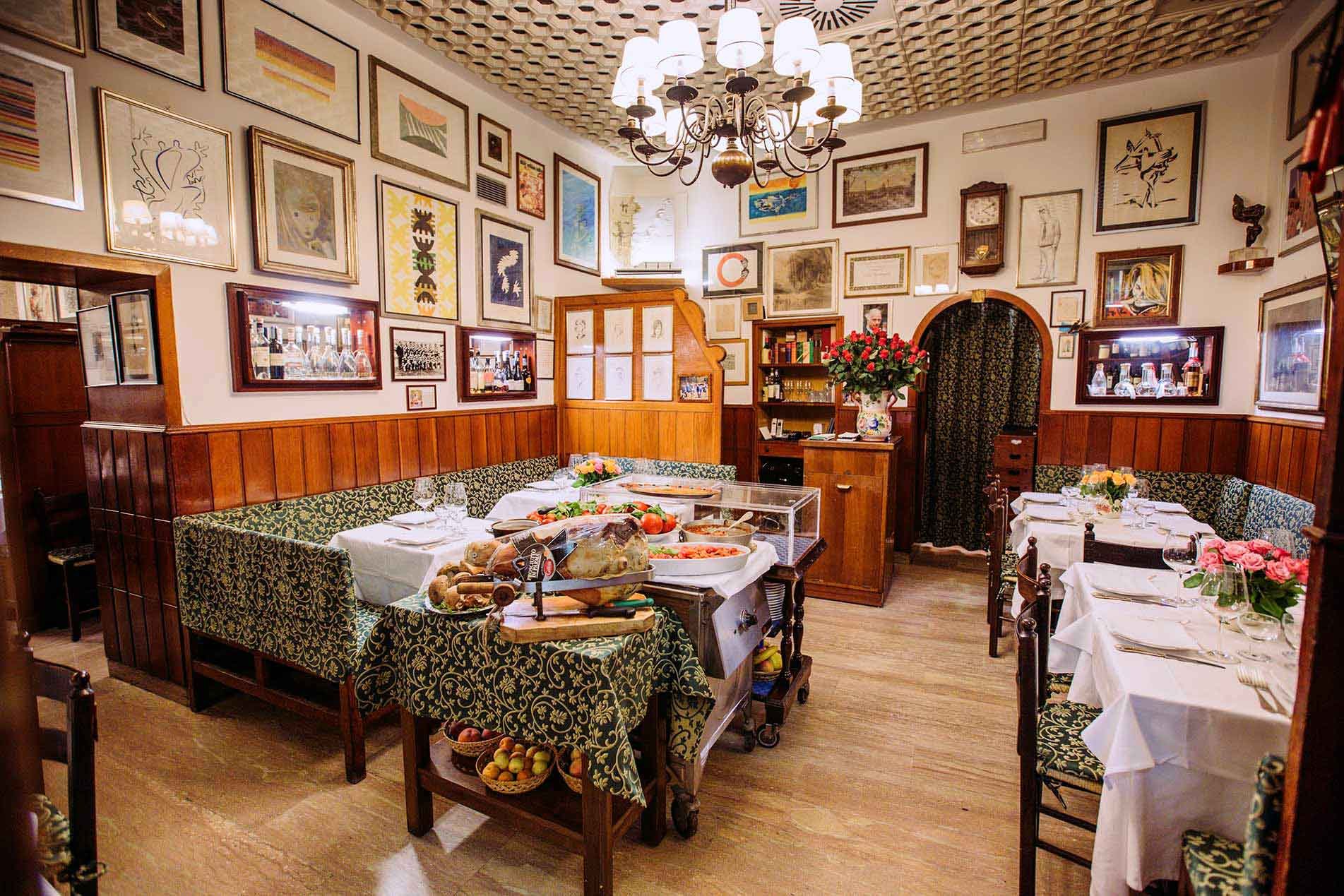
A Roman Dining Room That Predates the Republic
Rome's historic centre has never lacked for places that call themselves traditional. What it lacks is patience, the willingness to hold a formula across decades rather than drift toward tourist convenience or creative reinvention. Trattoria al Moro, on the narrow Vicolo delle Bollette a short walk from the Trevi Fountain, is a traditional Roman trattoria in Rome. That longevity is not, by itself, a credential. But Al Moro has accumulated a different kind of reputation: the room where serious Romans have brought guests they want to impress, and where the cellar has consistently outrun the expectations set by the tablecloths.
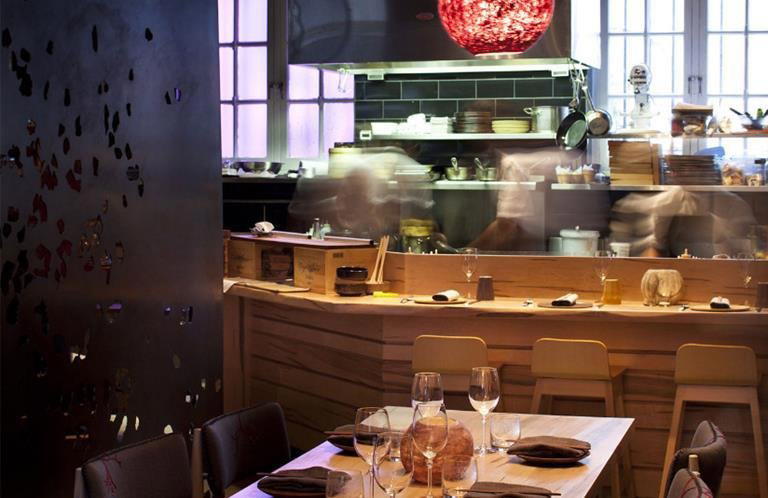
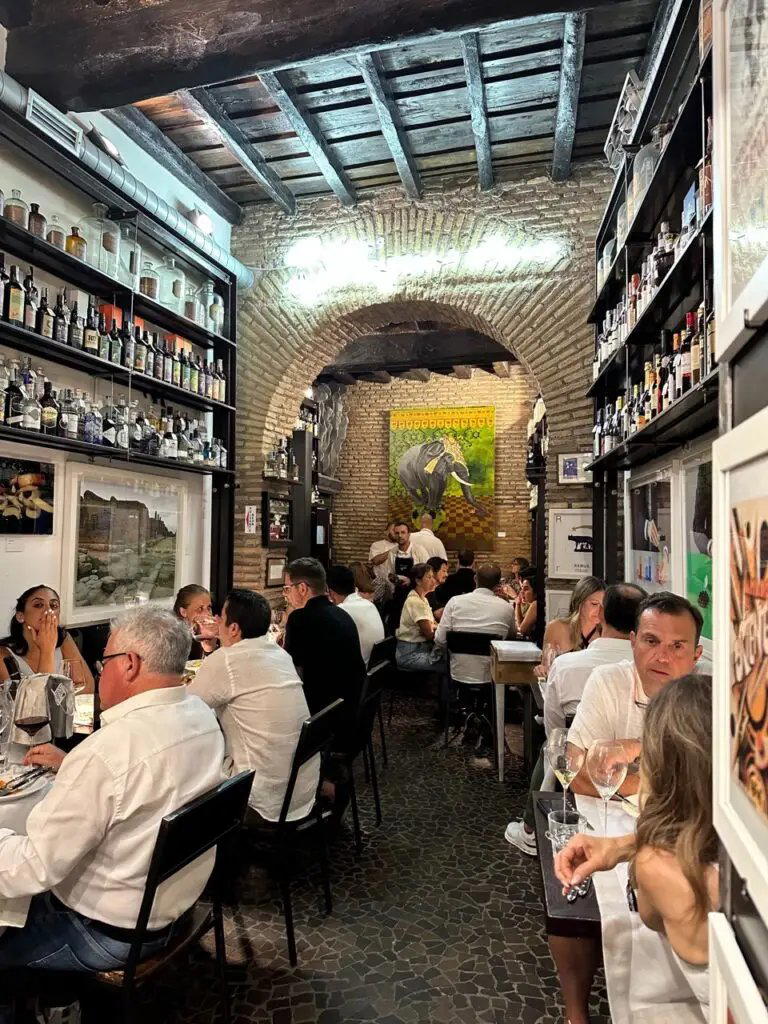
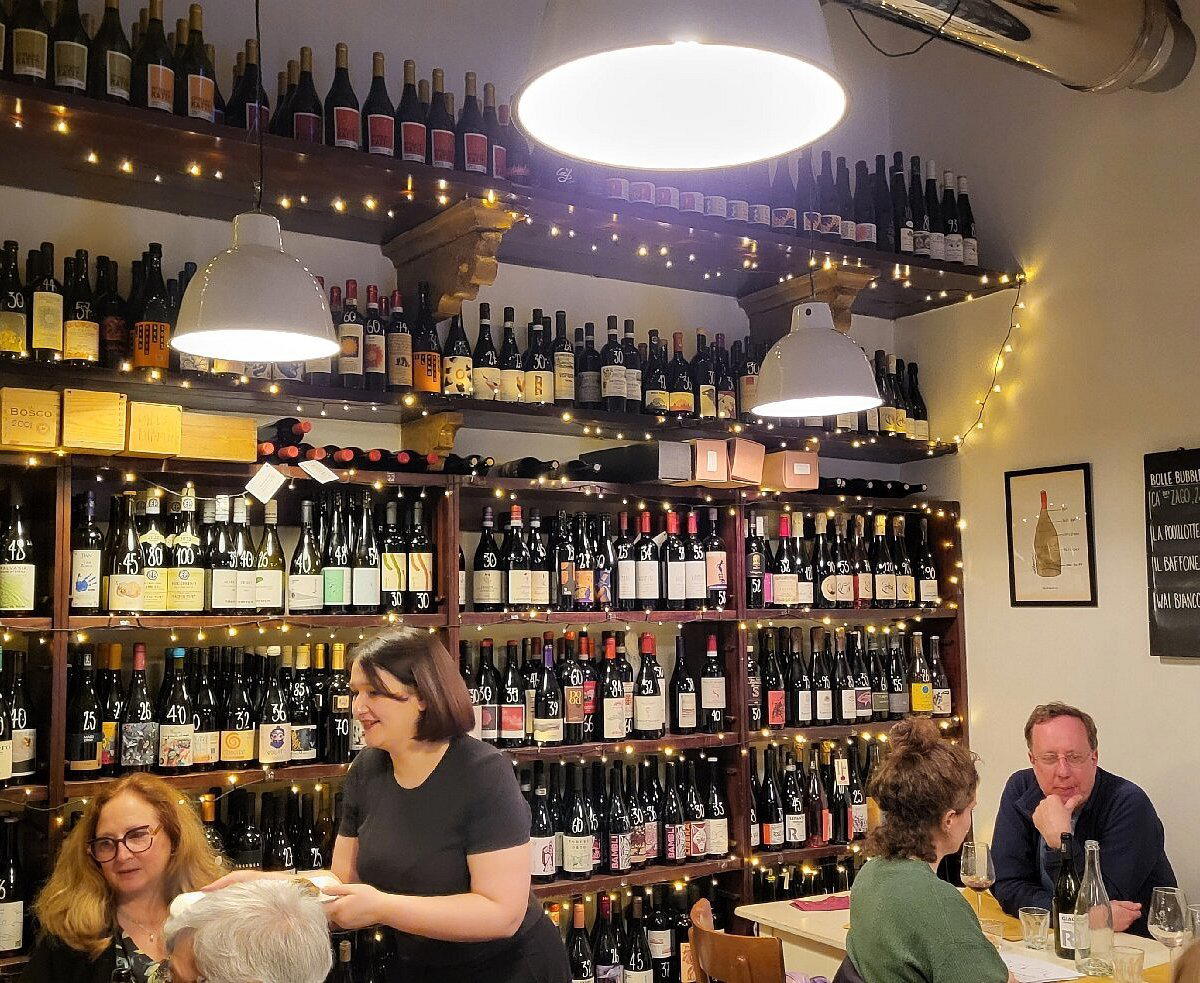
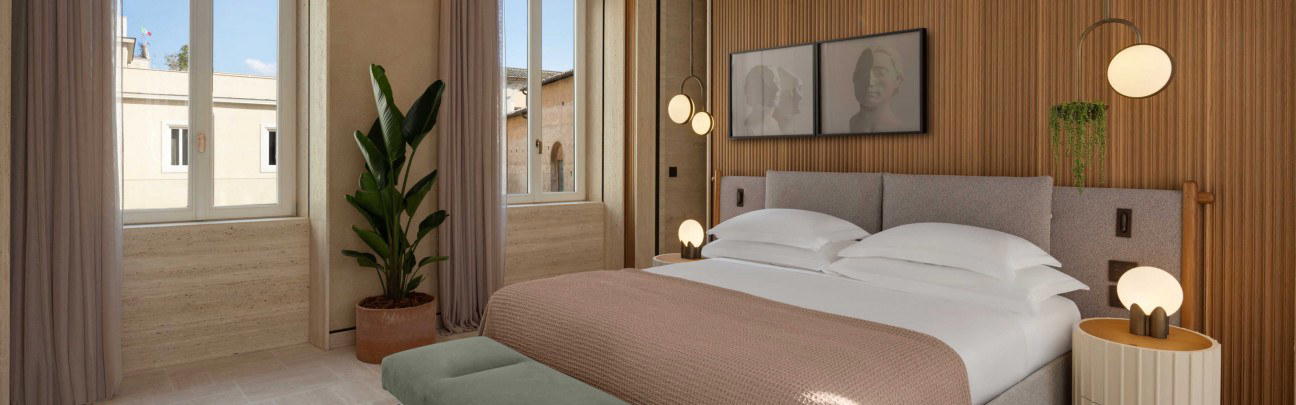
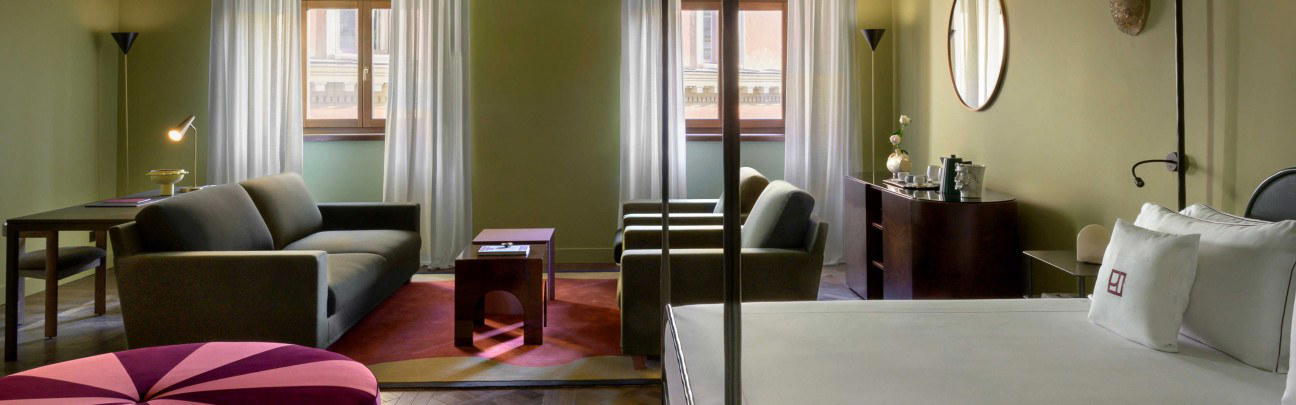
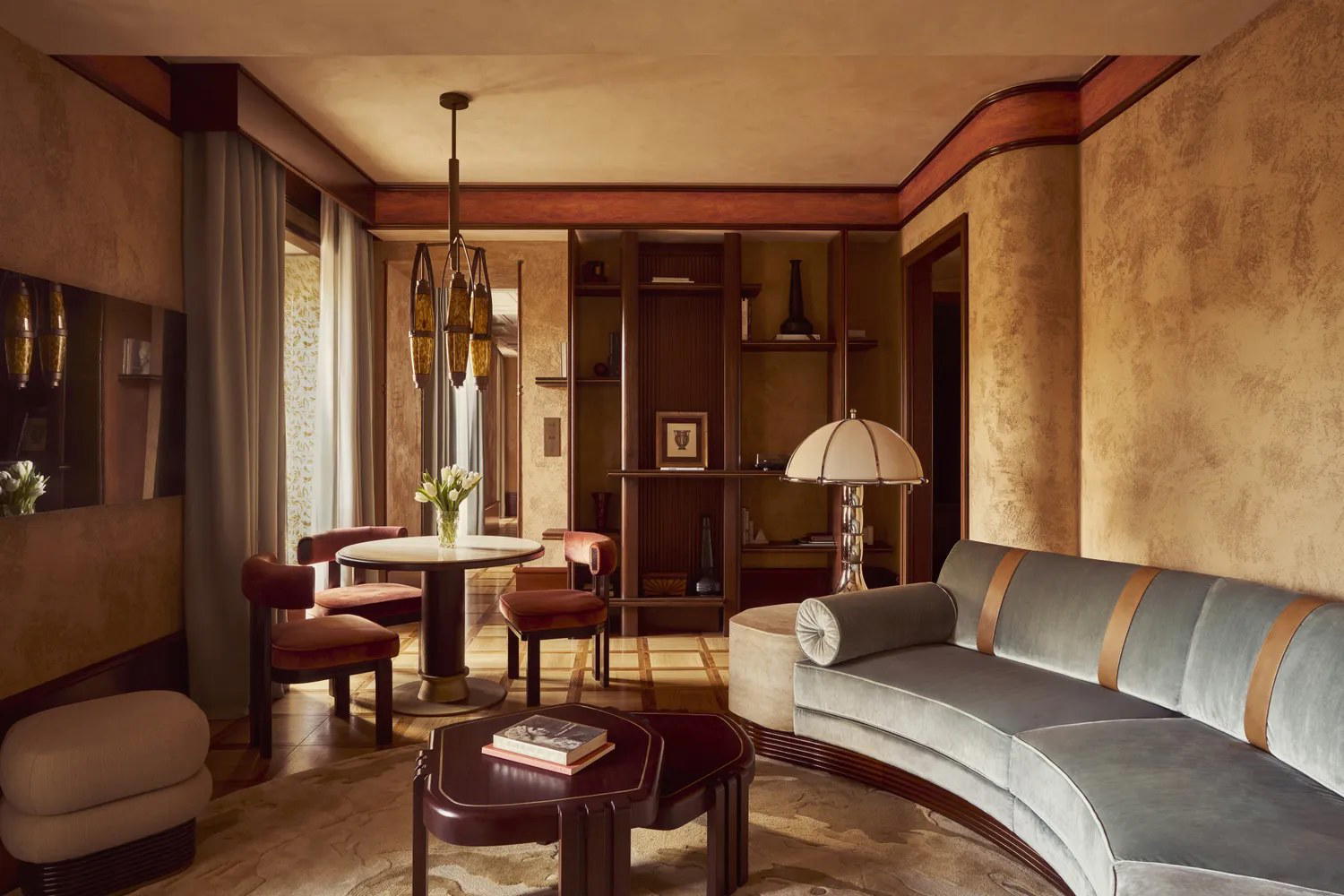
Vicolo delle Bollette runs perpendicular to the tourist current around the Trevi; in the minutes before service begins, the lane carries a different rhythm than the surrounding streets. The room itself is tiled, close, and lit without flattery, the kind of interior that has absorbed decades of conversation and shows it. There is no theatrical entry sequence, no ambient soundtrack. The atmosphere is the room doing what it has always done.
Roman Trattoria Cooking at the Classic Tier
Rome's trattoria tradition divides roughly into two categories: places that cook Lazio's canonical dishes with sourcing and technique that justify the exercise, and places that produce a fatigued version of the same menu for an audience unlikely to notice the difference. Al Moro has long sat in the first group. The menu anchors on the repertoire that defines Roman cucina, pasta preparations built on Pecorino Romano and black pepper, slow-braised cuts that reflect the city's historical relationship with the fifth quarter, and seasonal vegetables handled without intervention. This is cooking that asks to be judged against tradition rather than against peers in the contemporary Italian scene.
Al Moro sits at a different coordinate entirely, not beneath these addresses in ambition, but operating in a different register where the test is fidelity to tradition rather than the invention of new form. The two categories are not in competition.
The Cellar: Where Al Moro Diverges from the Category
Most Roman trattorie of similar vintage and price positioning carry functional wine lists. Al Moro has historically maintained a cellar with considerably more depth than this template suggests, and that depth is the clearest argument for the restaurant's continued relevance among serious diners.
The broader Italian fine wine context helps frame this. A cellar that engages seriously with this range offers something a Roman visitor cannot find in the tourist-proximate dining rooms. Italian wine houses like Enoteca Pinchiorri in Florence have built their entire identity around cellar depth; for a neighbourhood trattoria in Rome's historic centre to maintain comparable seriousness of curation is less common and more valuable than it first appears.
Osteria Francescana in Modena and Dal Pescatore in Runate both maintain wine programs that function as independent reasons to visit. Al Moro operates at a different scale, but the underlying principle, that the list should reward engagement rather than just service food, holds across the category. Visitors who come primarily to drink well, with the kitchen as accompaniment, tend to leave more satisfied than those who arrive expecting the experience to be led by the food alone.
Where Al Moro Fits in Rome's Dining Map
Rome's dining scene is stratified. The middle tier, competent neighbourhood cooking at moderate prices, has thinned, squeezed between tourist-oriented trattorias cutting costs and a new generation of chef-driven rooms investing heavily in product and technique. Al Moro occupies a specific and increasingly rare position: traditional Roman format with a cellar that places it a tier above casual. Achilli al Parlamento operates in a related register, with serious wine credentials attached to a more intimate format. Both addresses serve the same reader: someone who wants Roman cooking at its most considered, without the formality of a tasting-menu room.
Seasonality carries particular weight in this kind of kitchen. Lazio's vegetable calendar is specific and relatively short in its peak moments, artichokes from the Castelli in late winter and spring, puntarelle through the cooler months, funghi porcini when the Apennine season allows. Arriving in the window from November through March gives the menu its widest range of classical Roman ingredients.
For those building a broader picture of Italian regional cooking beyond Rome, EP Club covers the full range: from Reale in Castel di Sangro and Uliassi in Senigallia in central Italy, to Piazza Duomo in Alba and Le Calandre in Rubano in the north. Further afield, Atelier Moessmer Norbert Niederkofler in Brunico and Quattro Passi in Marina del Cantone represent the geographic spread of serious Italian dining. And for those comparing against international benchmarks, Le Bernardin in New York City, Lazy Bear in San Francisco, and Enrico Bartolini in Milan offer reference points at their respective levels.
Visit Information
Vicolo delle Bollette 13 places Al Moro close enough to the Trevi Fountain to be found easily, but far enough off the main circulation routes that the immediate surroundings retain some residential character. The standard advice for any address of this age and reputation in Rome's centre applies: booking ahead is recommended, especially for weekend dinner. Lunch tends to be more accessible than dinner for walk-in enquiries. Dress code is smart casual.
Same-City Peers
Comparable venues nearby, for context on price, style, and recognition.
| Venue | Cuisine | Price | Notes |
|---|---|---|---|
| Trattoria al MoroThis venue — the venue you are viewing | Traditional Roman Trattoria | $$$ | Not listed |
| Enoteca Bellini Roma | Modern Italian Enoteca | $$$ | Ponte |
| Enoteca L’antidoto | Modern Italian Small Plates with Natural Wines | $$$ | Trastevere |
| TAC – Thin And Crunchy | Modern Roman Thin and Crunchy Pizza | $$$ | Torrino |
| Clementino Ristorante & Bistrot | Contemporary Roman Cuisine | $$$ | Colonna |
| Contempo | Modern Roman Italian | $$$ | Trastevere |
Recognition history
Dated appearances from independent guides and award organizations, with the underlying list record or original source where available.
Opinionated About Dining Casual in Europe Highly Recommended
Opinionated About Dining

At a Glance
- Classic
- Rustic
- Intimate
- Date Night
- Special Occasion
- Historic Building
- Street Scene
Current opening hours
- Monday
- 12:30–3:30 PM, 7:30–11:30 PM
- Tuesday
- 12:30–3:30 PM, 7:30–11:30 PM
- Wednesday
- 12:30–3:30 PM, 7:30–11:30 PM
- Thursday
- 12:30–3:30 PM, 7:30–11:30 PM
- Friday
- 12:30–3:30 PM, 7:30–11:30 PM
- Saturday
- 12:30–3:30 PM, 7:30–11:30 PM
- Sunday
- Closed
Hours can change for holidays and private events. Last verified .
Cozy, rustic time capsule with window-paned doors evoking old Rome amid tourist bustle.