
An eight-seat counter in Nagoya's Tempaku Ward, Fujisawa operates by reservation only from 18:00, with dinner averaging JPY 40,000 to 49,999. Consecutive Tabelog Bronze Awards in 2025 and 2026, plus back-to-back inclusion in the Tabelog Sushi EAST 100 list, place it among the more consistently recognised sushi counters in the Chubu region.
Pearl is the En Primeur Club membership app — saves, bookings, and concierge access live there. Same editors, same standards.
- Address
- 1 Chome-111-1 Uedayama, Tempaku Ward, Nagoya, Aichi 468-0001, Japan
- Phone
- +81 52-782-1048
- Website
- sushi-fujisawa.com
- Directions
- Get directions
 Saves & bookings on Pearl
A Counter at the Edge of the City
Fujisawa is a Nagoya sushi restaurant in Tempaku Ward, with dinner around USD 300 per person and a reservation-only counter. The reflex is to scan Ginza or Gion for the white-knuckle reservation, but a quieter pattern has taken hold in provincial cities: small, disciplined counters operating outside the tourist circuit, drawing a local clientele willing to pay Tokyo-comparable prices for sushi that owes nothing to metropolitan performance. Tempaku Ward, a residential district on Nagoya's southern fringe, is not where most food travellers start their search. That is precisely why Fujisawa holds the position it does.
The address in Uedayama, reachable by car from Higashiyama Koen or Hoshigaoka stations on the Nagoya Municipal Subway's Higashiyama Line, signals something before you arrive: this is not a restaurant that trades on footfall. The venue relies on advance reservation and word-of-mouth rather than a prominent shopfront. Eight seats face the counter. No private rooms. No parking on-site. The format is unambiguous.
The Structure of the Meal
Omakase at this price tier carries specific ritual obligations, and how a counter handles them tells you more about its seriousness than any award. Service begins at 18:00, a single evening seating that frames the dinner as an event with a defined beginning and close. The pacing is the chef's prerogative. Guests arrive at the same time, proceed through the same sequence, and exit roughly together, a format that demands a particular kind of presence from the diner. You are not choosing from a menu. You are committing to a progression.
Fujisawa's focus on fish sourcing is part of its appeal. In the highest tier of Edomae-influenced sushi, that specificity carries weight: the selection, aging, and temperature management of each piece are the craft, and no amount of technique compensates for ingredient decisions made earlier in the chain. At JPY 40,000 to JPY 49,999 per head for dinner, the counter operates in a bracket where ingredient quality is a baseline expectation, not a distinguishing feature. What separates counters at this level is the coherence of the sequence and the decision-making behind each piece.
The drink list extends to sake and wine, with the listing flagging a particular attentiveness to both nihonshu and wine selection. This dual focus is less common than it sounds: many high-end sushi counters maintain a strong sake program but treat wine as an afterthought. A counter that has curated both with genuine intention gives guests more latitude in how they pace their drinking through a meal that can run two hours or more. A five percent service charge applies.
Recognition and Where It Places Fujisawa
Fujisawa has received two awards. The Tabelog 100 designation is competitive across the entire eastern Japan category, placing Fujisawa in a peer group that extends well beyond Aichi and includes counters in Tokyo, Yokohama, and beyond.
For context on what that recognition means in terms of comparable set: counters at this recognition level in Tokyo, such as Harutaka in Tokyo, operate in one of the world's most concentrated sushi markets. That a Tempaku Ward counter maintains comparable recognition year after year, at comparable price points, reflects something more than local esteem. Aichi's dining scene has long supported serious omakase without relying on the tourism volumes that drive Tokyo's restaurant economy. Fujisawa sits within that local premium tier alongside other recognised Aichi tables including Amaki, aru, GapricE, HIRO NAGOYA, and Hirovanna.
Nationally, the reference points extend further. Kaiseki and fine dining in Osaka and Kyoto attract more international coverage, with venues like HAJIME in Osaka and Gion Sasaki in Kyoto drawing visitors from across Japan and abroad. Sushi specifically has its most concentrated critical attention in Tokyo. Fujisawa operates largely outside those gravitational pulls, which means its recognition is built on repeat local patronage and organic national word-of-mouth rather than inbound tourism.
Booking, Access, and What to Expect
Reservation-only operation is the norm at counters of this calibre, but it shapes the practical experience in ways worth understanding before you contact the restaurant. With eight seats and a single evening service, availability is structurally limited: any given week has a maximum of roughly 48 covers across six operating nights (the counter closes Mondays). Demand at this price and recognition level in a city of Nagoya's size means forward planning is not optional. The restaurant's website is at sushi-fujisawa.com, and the listed phone number is 052-782-1048.
Getting there requires a car or taxi from the nearest subway stations; Tabelog's own data notes approximately five minutes by car from Higashiyama Koen or Hoshigaoka on the Higashiyama Line. On-site parking is unavailable, so a taxi is the more direct choice for an evening that will likely include sake or wine. Credit cards are accepted across the major networks including VISA, Mastercard, JCB, American Express, and Diners Club. Electronic money and QR code payments are not accepted.
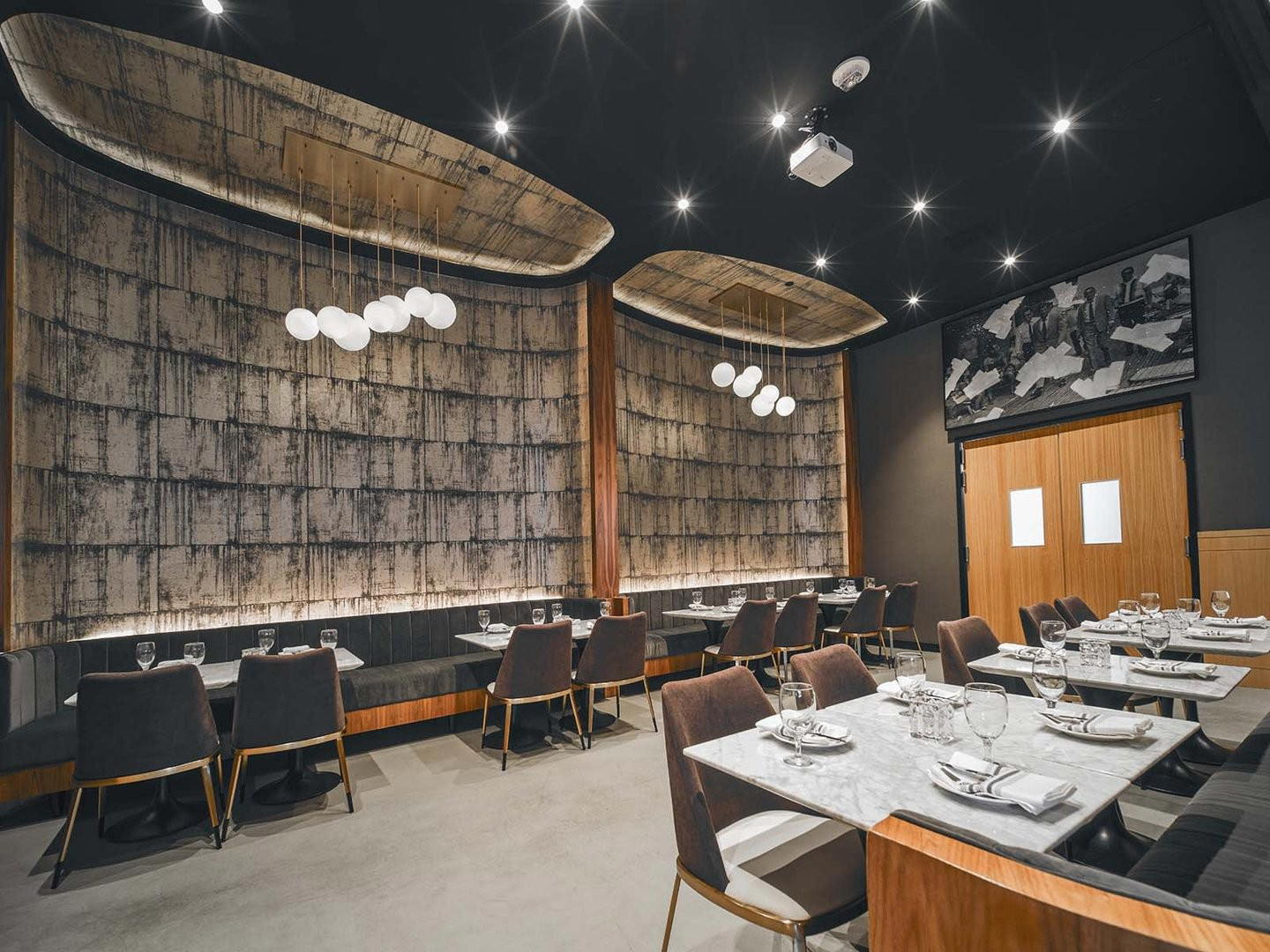
The seating includes counter positions and sunken seating. No private rooms are available, but the full venue can be taken for exclusive use, which makes it a viable option for a small group wanting complete privacy across all eight seats. The space is non-smoking throughout.
Fujisawa in the Broader Geography of Japanese Sushi
The geography of serious sushi in Japan is more distributed than the standard Tokyo-centric narrative suggests. Fukuoka has its own high-end counter culture; Goh in Fukuoka demonstrates how a regional city can sustain creative, internationally recognised dining. Yokohama operates in Tokyo's shadow while maintaining its own distinguished tables, including 1000 in Yokohama. Nara's dining scene, smaller but focused, has produced venues of genuine ambition such as akordu in Nara. Nagoya fits this pattern: a large, economically productive city with a food culture that rarely generates international headlines but maintains, at the upper end, standards that hold up against any comparison.
International parallel is instructive too. The format of a small counter, reservation-only, with a curated drinks program and a single set sequence, has analogues in fine dining globally. Atomix in New York City and Le Bernardin in New York City represent western versions of the same philosophy: format control as a prerequisite for quality. The Japanese counter version is more compressed, more intimate, and more dependent on the tacit understanding between chef and guest about what the meal is for.
For visitors to the region, the broader picture is worth taking in.
Cuisine Lens
Comparable venues nearby, for context on price, style, and recognition.
| Venue | Cuisine | Price | Notes |
|---|---|---|---|
| FujisawaThis venue — the venue you are viewing | Nagoya Sushi | $$$$ | Not listed |
| Tempura Kusunoki | Modern Tempura Omakase | $$$$ | Shikemichi |
| Tashiro | Traditional Japanese Unagi (Eel) | $$$ | Owari Seto |
| Setsugekka Tanaka Satoru | Modern Japanese Yakiniku | $$$$ | Sakae |
| Yoshii | Aichi Seasonal Omakase | $$$$ | Naka Ward |
| Mutsuki | Edomae Sushi | $$$$ | Taketoyo-cho, Chita-gun |
Recognition history
Dated appearances from independent guides and award organizations, with the underlying list record or original source where available.
Tabelog Bronze #74
Tabelog
Tabelog 100 #79 · No. 79
Tabelog · Tabelog 100 - Sushi - EAST - 2025
Tabelog Bronze
Tabelog
Continue exploring
More in Aichi
Restaurants in Aichi
Browse all →
At a Glance
- Cozy
- Elegant
- Intimate
- Sophisticated
- Special Occasion
- Chefs Counter
- Sake Program
- Local Sourcing
Current opening hours
- Monday
- 6–9 PM
- Tuesday
- 6–9 PM
- Wednesday
- 6–9 PM
- Thursday
- 6–9 PM
- Friday
- 6–9 PM
- Saturday
- 6–9 PM
- Sunday
- 6–9 PM
Hours can change for holidays and private events. Last verified .
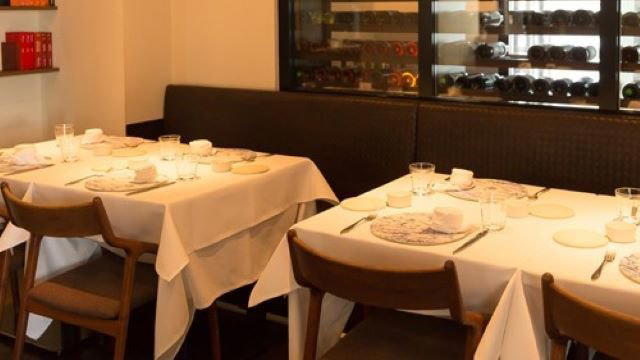
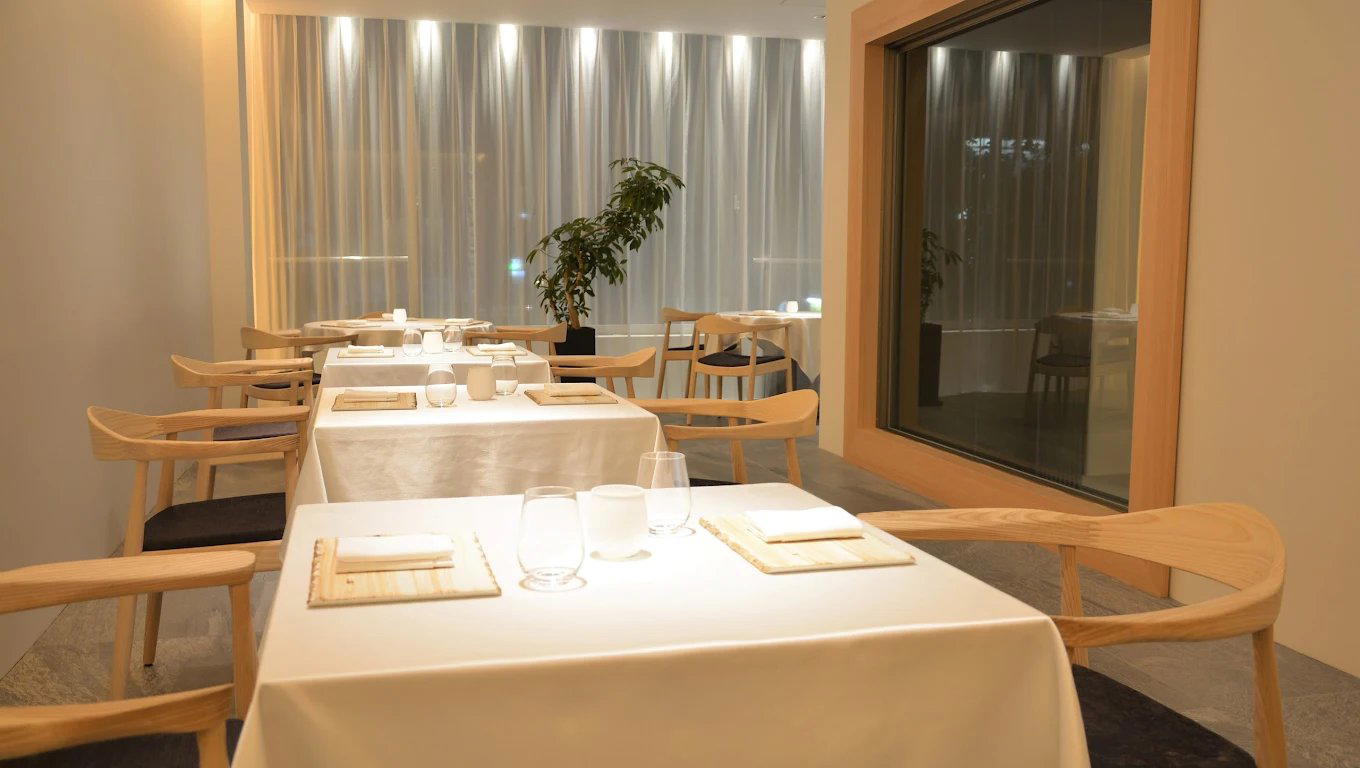
Cozy and relaxing atmosphere with counter and sunken seating in a hideout residential location.