
Tabelog Bronze #528
Our verdict
Yoshii belongs to Aichi’s small-counter Japanese cuisine tier, where sourcing, restraint, and repeat recognition matter more than spectacle. The seven-seat counter has Tabelog Award history from 2017 through 2026, including Bronze in 2026 and Silver in 2021 and 2022, with dinner pricing in the JPY 15,000 to JPY 19,999 band.

Pearl is the En Primeur Club membership app — saves, bookings, and concierge access live there. Same editors, same standards.
- Address
- 2 Chome-8-17 Kandacho, Toyota, Aichi 471-0868, Japan
- Phone
- 052-241-0686
- Hours
- Daily 11:30 AM–2 PM, 5–9:30 PM
- Website
- tabelog.com
- Directions
- Get directions
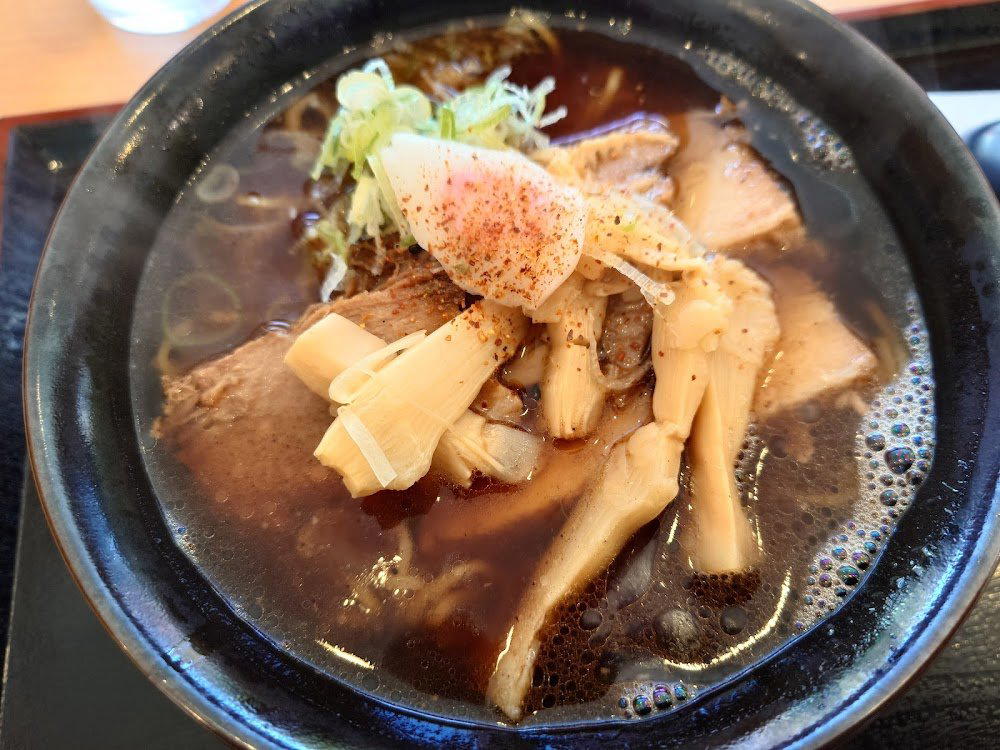
The menu
What to order
- Seasonal Sashimi Selection
- Miso-Glazed Seasonal Fish
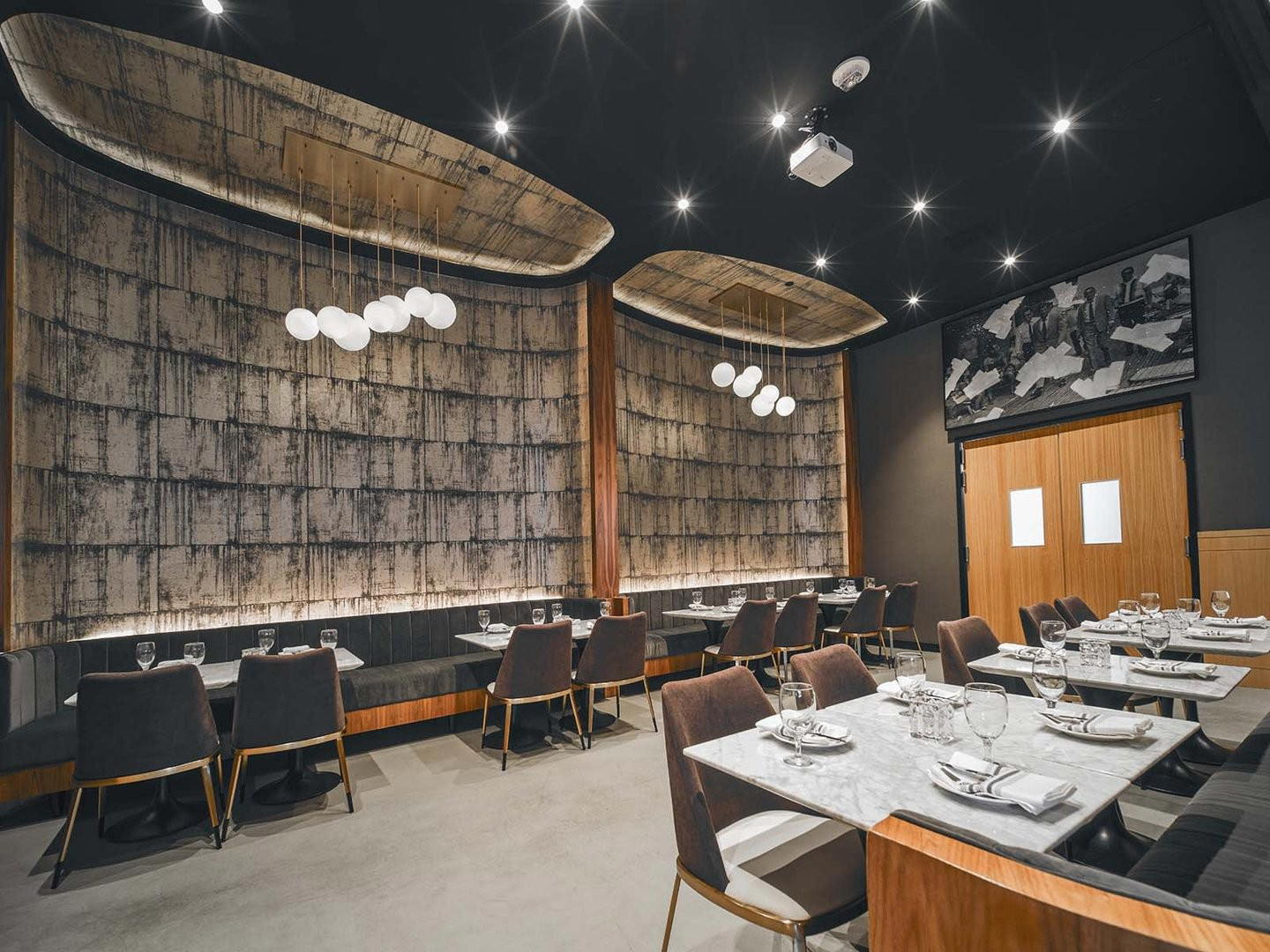
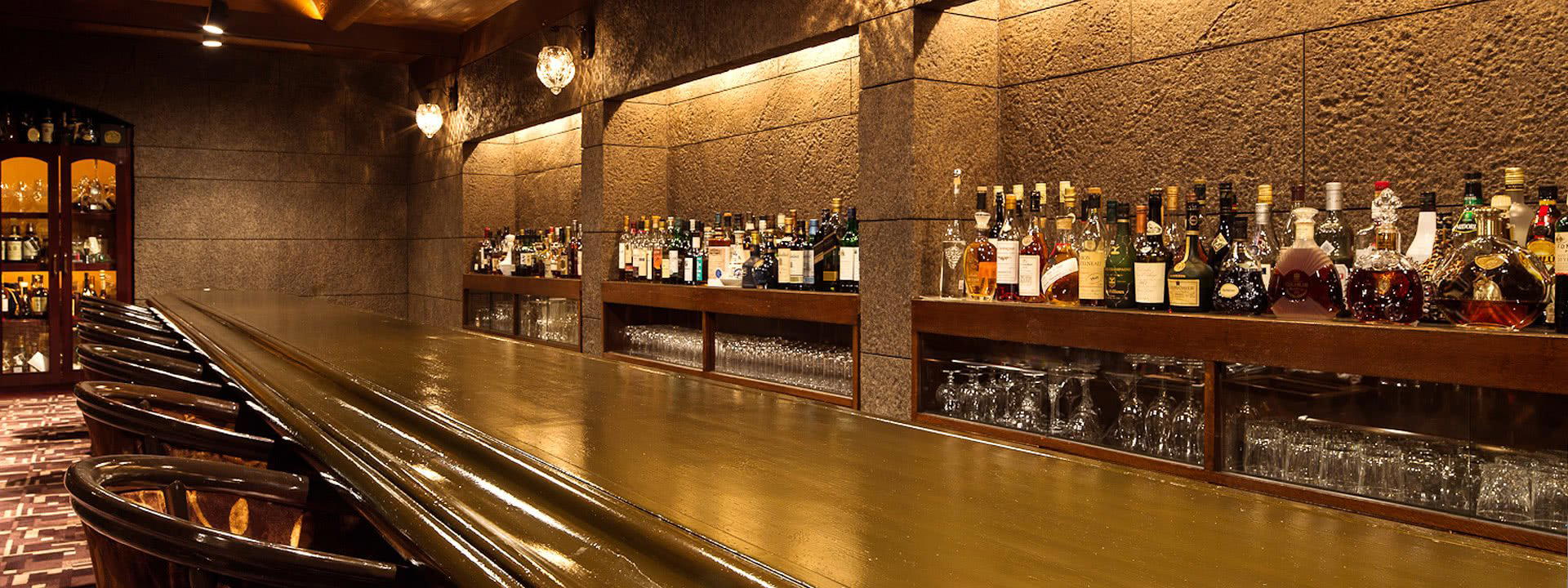
The room is built around proximity: seven counter seats, no private rooms, and a service style that puts the cooking within the diner’s direct line of sight. In Aichi, that scale matters. Japanese cuisine at this level is less about theatrical plating than about control: produce, season, heat, and timing compressed into a small room where every movement is visible.
Yoshii sits in the serious end of that local conversation. Its public recognition is not a single-year spike but a long pattern: Tabelog Award Bronze in 2017, 2018, 2019, 2020, 2023, 2024, 2025, and 2026, plus Silver in 2021 and 2022. It was also selected for Tabelog Japanese cuisine EAST “Tabelog 100” in 2021, 2023, and 2025. For diners reading Aichi from outside Japan, that is the useful signal: this is not a broad casual table but a compact Japanese cuisine counter with sustained domestic credibility.
A seven-seat counter in Aichi's ingredient-led Japanese cuisine tier
Ingredient-led Japanese cooking is often misunderstood by visitors as minimalism. In practice, it is a demanding editorial discipline: what to show, what to hold back, when to season, and when to let the product carry the dish. A small counter sharpens that discipline because there is little room for distraction. The format rewards diners who care about sequence, temperature, and the relationship between food and drink rather than menu volume.
The category listed here is Japanese cuisine, a broad label that in Japan can cover highly seasonal cooking, composed courses, rice, broth, grilled items, and sake-led pacing. Specific dishes are not publicly fixed in a way that should be treated as permanent, so the smarter way to read the restaurant is through structure rather than named plates. The drinks listing is also telling: sake, shochu, and wine. That spread places the meal in a contemporary Japanese dining register, where nihonshu remains central but wine is no longer an outsider at the counter.
Aichi’s dining scene can be split between everyday regional comfort, Nagoya’s dense urban restaurant culture, and smaller specialist rooms that behave more like destination counters. Yoshii belongs to the third group. Its price band, award history, and seven-seat format put it far from the casual end represented by lower-priced out-of-metro comparison names such as Mensou Nanaya, Kondo Meshinosuke, Menya Akinosora, Ramen Aigoya, and Bebe. Those comparisons are useful only as scale markers: this is a different dining decision, built around a longer evening and a narrower seat count.
Amaki, aru, Fujisawa, GapricE, and HIRO NAGOYA. The common thread is not cuisine type but commitment level: these are places where the booking, the spend, and the format ask diners to plan rather than wander in.Why sourcing matters more than spectacle here
Japanese cuisine in this register depends on procurement as much as technique. The chef’s name is not publicly listed here, and that is not a weakness for the reader; it pushes attention back to the counter’s actual proposition. A restaurant earning repeated domestic recognition in this category is being judged on consistency across seasons, handling of ingredients, and the ability to keep a small room compelling without leaning on scale.
That point is especially relevant in Aichi, where proximity to strong agricultural and coastal supply chains gives Japanese restaurants a deep pantry without requiring Tokyo-style international signaling. The meaningful question is not whether a dish sounds dramatic on paper, but whether the kitchen can make regional produce, seafood, rice, seasoning, and drinks feel coherent across the arc of dinner. At a seven-seat counter, the margin for weak pacing is thin.
The no-smoking policy and counter-only layout also shape the tone of the evening. This is a quiet-format meal by design: close seating, direct cooking view, and little separation between guest and kitchen. It suits diners who enjoy watching a meal unfold in sequence. It is a poor match for a group looking for a loose, loud night with private-room distance.
The same planning logic applies across Japan: a precise meal benefits from a precise day around it, not a rushed arrival.
The planning reality: small room, cash mindset, serious demand
The operational facts are part of the editorial assessment. Dinner is listed from 18:00, with Sundays and public holidays closed. The average dinner price is JPY 15,000 to JPY 19,999, while spending based on reviews is listed higher, in the JPY 30,000 to JPY 39,999 range. Payment is cash-minded: credit cards, electronic money, and QR code payments are not accepted. Parking is unavailable, and the room is counter-only.
The sharpest practical signal is reservation status: reservation only, with no new reservations accepted. That places the counter in a category where access, not only budget, defines the experience. The restaurant opened on 14 March 2012, so the sustained award run sits on more than a decade of operation rather than novelty. For a visiting diner, the sensible conclusion is clear: treat this as a relationship-driven Japanese cuisine address, not a flexible add-on to a Nagoya evening.
For readers comparing Japanese dining formats beyond Aichi, contrast this kind of counter with wider casual and specialist addresses such as -Grilled beef Sukiyaki- KAMAKURA TANUKIAN 鎌倉 たぬき庵 in Kamakura. 鮪と炭火焼き うお炭 秋葉原店 in Tokyo.cafe in Osaka.know in Kumamoto, (Shoku) Vietnam in Kawasaki, [Curry Senmon Ten] Maruyama Kyoju. in Sapporo, Jōdo Saké Bar in Los Angeles, and Onigiri Time in Pasadena. The comparison clarifies the decision: Yoshii is for diners prioritizing a compact, award-recognised Japanese cuisine counter over breadth, spontaneity, or casual price flexibility.
Frequently asked questions
Can I bring kids to Yoshii?
Yes. the public record lists children welcome, which is useful for a seven-seat counter in Aichi where space is tight. That said, the room is counter-only, so the experience suits children who can handle a quieter dinner setting. Check the venue's official channels for the latest details.
Is Yoshii better for a quiet night or a lively one?
Quiet is the better fit. Yoshii has seven counter seats, starts dinner from 18:00, and is closed on Sundays and public holidays, so the room is built for a focused service rather than a late, high-energy scene.
When is Yoshii open?
Hours at Yoshii: ■Business hours18:00 onwards■Closed onSundays and public holidays.
What's Yoshii's location?
Yoshii is located in Aichi.
What has Yoshii built its reputation on?
Yoshii’s credentials are its Tabelog recognition, including the 2026 Bronze award and selection for Tabelog Japanese cuisine EAST 100 in 2025, 2023, and 2021. The 7-seat counter and reservation-only format reinforce that this is a small, serious room in Aichi rather than a broad-turnover dining spot.
Is Yoshii good for vegetarians?
It may suit some vegetarians, but Those details are not published. Yoshii is recorded simply as Japanese cuisine with sake, shochu, and wine, so diners with strict dietary rules should treat it as a case for advance confirmation before booking. Check the venue's official channels for the latest details.
In Context: Similar Options
Comparable venues by cuisine and price in the same metro.
| Venue | Cuisine | Price | Awards | Notes |
|---|---|---|---|---|
| YoshiiThis venue — the venue you are viewing | Aichi Seasonal Omakase | $100–150 | Tabelog Bronze #528 | Not listed |
| HIRO NAGOYA | Premium Yakiniku | $500+ | Tabelog Bronze #117 | Nishi-ku |
| Amaki | Exquisite Sushi Omakase | $200–300 | Tabelog Bronze #16 | Nishi-ku |
| Tempura Kusunoki | Modern Tempura Omakase | $300–500 | Tabelog Silver #65 | Shikemichi |
| Fujisawa | Modern Japanese Sushi | $300–500 | Tabelog Bronze #74 | Ueda Yama |
| Mas de Lavande | Classic French Fine Dining | $150–200 | Tabelog Bronze #257 | Naka |
Recognition history
Dated appearances from independent guides and award organizations, with the underlying list record or original source where available.
Tabelog Bronze #528
Tabelog
Full recognition history (3 entries)
Tabelog Bronze
Tabelog
Tabelog 100 #28 · No. 28
Tabelog · Tabelog 100 - Japanese cuisine - EAST - 2025
Details
- Intimate
- Elegant
- Minimalist
- Sophisticated
- Date Night
- Special Occasion
- Chefs Counter
- Sake Program
- Local Sourcing
- Omakase
- Tasting Menu
- Counter Dining
- Sake
- Shochu
- Wine
Current opening hours
- Monday
- 11:30 AM–2 PM, 5–9:30 PM
- Tuesday
- 11:30 AM–2 PM, 5–9:30 PM
- Wednesday
- 11:30 AM–2 PM, 5–9:30 PM
- Thursday
- 11:30 AM–2 PM, 5–9:30 PM
- Friday
- 11:30 AM–2 PM, 5–9:30 PM
- Saturday
- 11:30 AM–2 PM, 5–9:30 PM
- Sunday
- 11:30 AM–2 PM, 5–9:30 PM
Hours can change for holidays and private events. Last verified .
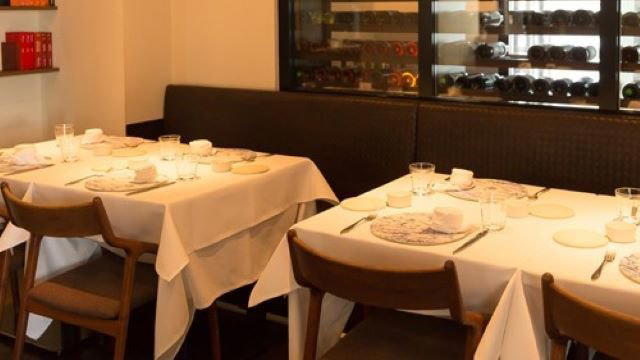
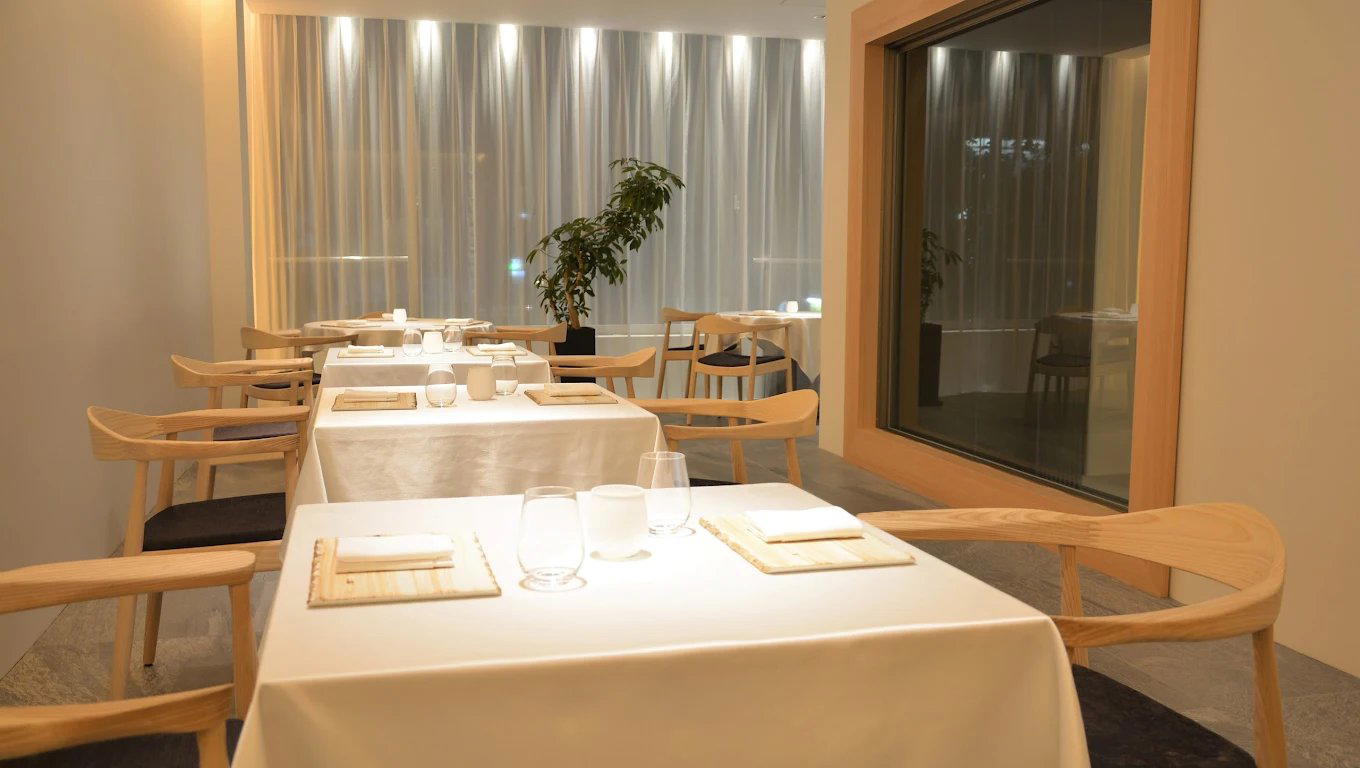
Warm practical lighting in a relaxing intimate counter seating space that supports conversation and focuses attention on the food.