
Tempura Kusunoki places Nagoya’s tempura conversation in a sharper frame: ingredient timing, oil management, and counter discipline rather than spectacle. Its 2025 Tabelog 100 - Tempura selection and Tabelog Bronze Award 2025 score of 3.86 put it in a serious Aichi bracket, especially for diners comparing regional Japanese craft beyond sushi and kaiseki.
Pearl is the En Primeur Club membership app — saves, bookings, and concierge access live there. Same editors, same standards.
- Address
- Japan, 〒451-0042 Aichi, Nagoya, Nishi Ward, Nagono, 1 Chome−23−2 1階南 四間道糸重
- Phone
- +81 52-526-4034
- Website
- kusunoki.in
 Saves & bookings on Pearl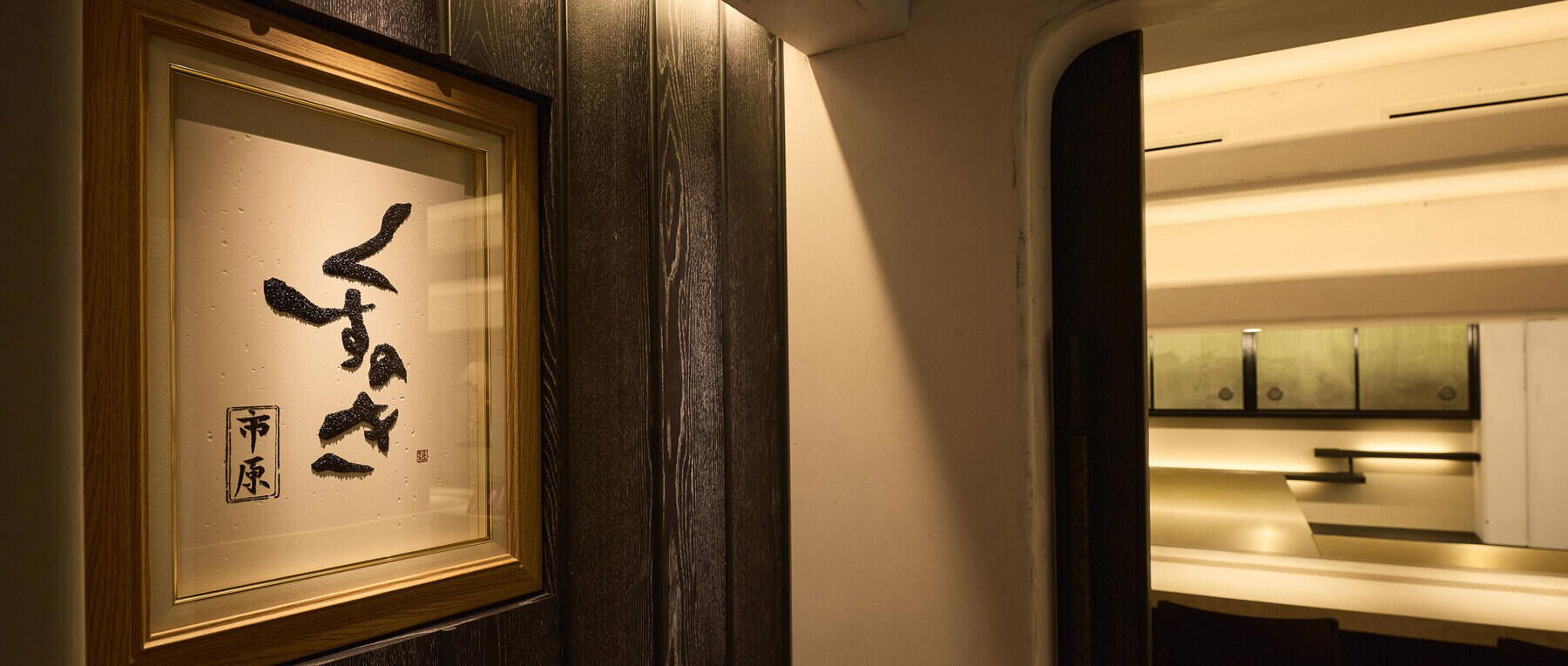
Shikemichi changes the pace before the meal begins. The old merchant quarter in Nagoya’s Nishi Ward has narrow streets, low-slung buildings, and a quieter rhythm than the city’s station-side dining floors. That setting suits tempura, a cuisine where the drama is often small-scale: batter thickness, oil temperature, the interval between fryer and plate, and the sourcing decisions that make a vegetable, fish, or shellfish worth frying in the first place.
Tempura Kusunoki belongs to the Aichi end of a Japanese tradition often judged through Tokyo counters. In Nagoya, the benchmark is different. The city’s dining culture has long been comfortable with intensity, from miso-based cooking to grilled eel, yet serious tempura asks for restraint. The point is not excess crunch or heavy batter; it is the short moment when an ingredient’s moisture, sweetness, and texture can be fixed by hot oil without being buried by it.
Ingredient timing is the quiet test of Nagoya tempura
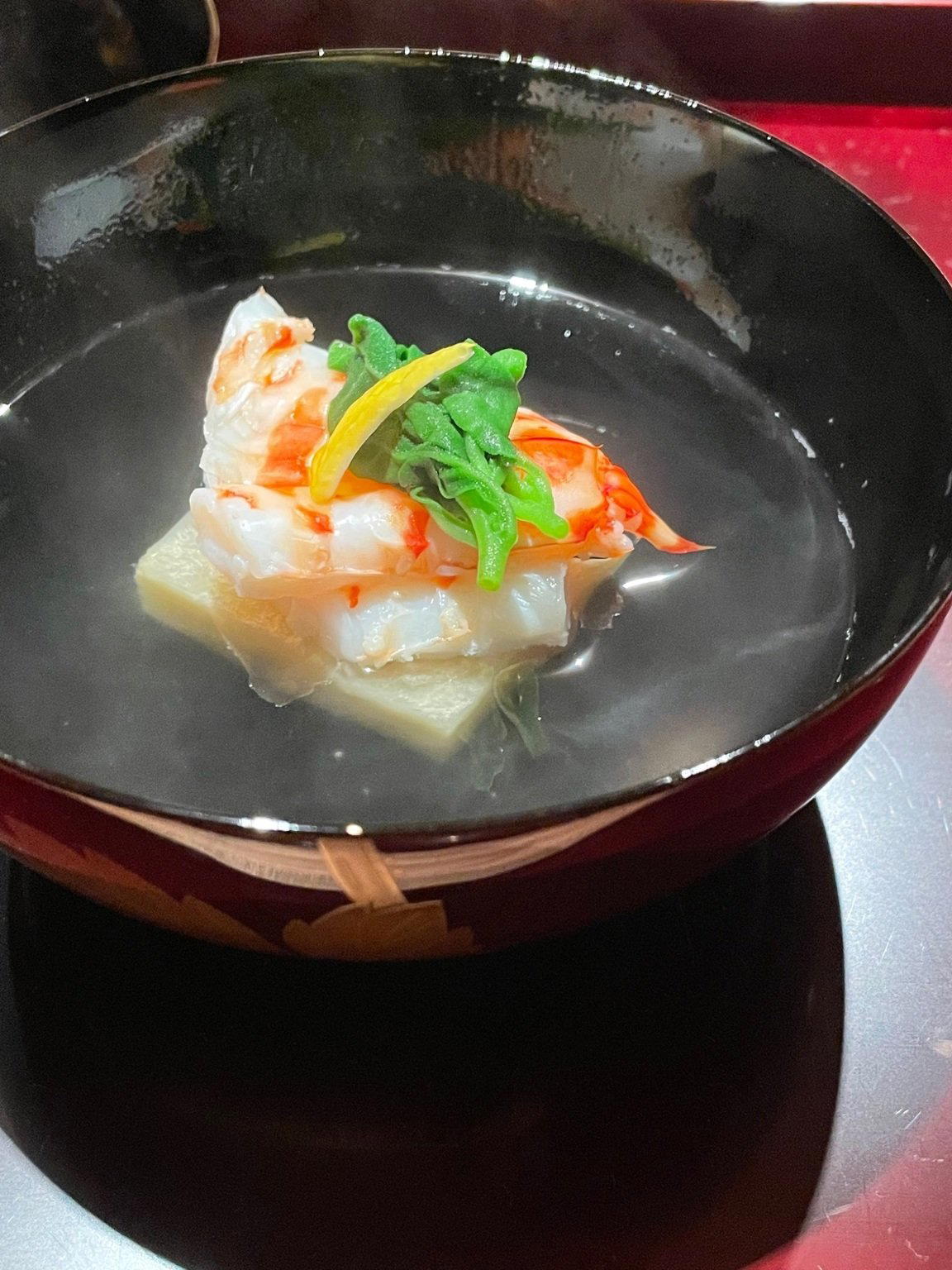
Tempura rewards restaurants that buy with discipline. Unlike cuisines that can hide behind long reductions or elaborate plating, this format exposes weak procurement quickly. Seasonal vegetables need to retain structure. Seafood needs enough character to justify the batter rather than sit under it anonymously. The fryer becomes a translator, not a disguise.
That matters in Aichi because Nagoya sits between coastal access, inland agriculture, and a large urban market. Diners who know the region tend to read tempura through seasonality and texture rather than through a long list of luxury ingredients. A serious counter does not need to announce extravagance if the sequence is built around what can be handled cleanly that day.
The recognition here is concrete. Tempura Kusunoki was selected for Tabelog 100 - Tempura - 2025 and also carries a Tabelog Bronze Award 2025 score of 3.86. In Japan’s restaurant culture, those signals do not replace judgment, but they do place a venue inside a narrower group of tempura specialists being compared nationally rather than only locally. For a city better known internationally for hits like hitsumabushi and miso katsu, that is useful context: Nagoya’s high-skill Japanese dining is broader than its comfort-food reputation.
Within Aichi, the comparison set is uneven by design. A place such as Kusunoki Nagoya sits in the tempura category, while Unagiya Shibafukuya speaks to the region’s eel culture, and OLMO occupies a higher-priced contemporary bracket. Cafe de Lyon and CHANDELIER operate at a lighter café price tier. That spread matters because tempura at this level is not competing with casual dining on fullness or convenience; it competes on sourcing precision, timing, and the discipline of a format where a few seconds can change the result.
The counter format keeps attention on oil, heat, and sequence
Tempura is often described too simply as frying. At the upper end, it is closer to a live calibration exercise. The meal depends on how ingredients move through temperature: cold batter, hot oil, warm serving pace, and a sequence that should avoid palate fatigue. The room does not need theatre if the cooking has its own tempo.
That is why the Shikemichi location is more than scenery. Older neighbourhoods in Japanese cities can make small restaurants feel less transactional, especially when the surrounding streets slow the arrival. The approach primes diners for concentration rather than speed. For visitors building a Nagoya itinerary, this is a useful counterpoint to station-area convenience and shopping-district density.
Nothing in the public-facing essentials suggests a casual drop-in model. The address places the restaurant at 1F, Shikemichi Itoshige, Nagono 1-chome, Nishi Ward, Nagoya, with the Tabelog listing associating it with the Kokusai Center Station area. In practical terms, the planning question is less about sightseeing proximity and more about whether the meal fits the day’s rhythm. Tempura loses some of its point when treated as a rushed stop between appointments.
The critical appeal is narrow, and that is a strength. Diners looking for a long narrative menu, wine-led theatrics, or a broad à la carte spread may find the format austere. Diners who want to understand how Japanese restaurants turn procurement into technique will find more to read here: the order of ingredients, the pacing, the handling of moisture, and the confidence to let batter act as a frame rather than a mask.
How it fits an Aichi food itinerary
Aichi rewards travellers who do not reduce the prefecture to a single Nagoya meal. The city can support a day built around contrast: eel for regional identity, cafés for everyday urban culture, and a tempura counter for craft. Tempura Kusunoki belongs in the latter slot, especially for diners already comparing specialist Japanese formats across the country.
For broader planning, EP Club’s Our full Aichi restaurants guide gives the clearest regional frame, while nearby restaurant pages such as Amaki, aru, Fujisawa, GapricE, and HIRO NAGOYA help map the city’s range beyond one category. Travellers building a fuller stay can also use Our full Aichi hotels guide, Our full Aichi bars guide, Our full Aichi wineries guide, and Our full Aichi experiences guide.
The wider Japan index is useful for calibrating category expectations. A sukiyaki-focused listing such as -Grilled beef Sukiyaki- KAMAKURA TANUKIAN 鎌倉 たぬき庵 in Kamakura, Tokyo entries like. 鮪と炭火焼き うお炭 秋葉原店 in Tokyo, Osaka pages such as.cafe in Osaka, Kyushu coverage including.know in Kumamoto, and casual specialists such as (Shoku) Vietnam in Kawasaki or [Curry Senmon Ten] Maruyama Kyoju. in Sapporo show how sharply Japan’s dining categories can differ by city and format. For readers comparing Japanese food culture abroad, Jōdo Saké Bar in Los Angeles and Onigiri Time in Pasadena offer a useful North American contrast.
The editorial case is simple: this is not the Nagoya table for diners chasing breadth. It is for diners who want a narrow craft executed under national scrutiny, in a neighbourhood that supports focus rather than noise. The 2025 Tabelog tempura selection gives the external signal; the deeper reason to seek it out is the way tempura turns sourcing into timing, and timing into judgment.
In Context: Similar Options
Comparable venues by cuisine and price in the same metro.
| Venue | Cuisine | Price | Notes |
|---|---|---|---|
| Tempura KusunokiThis venue — the venue you are viewing | Modern Tempura Omakase | $$$$ | |
| Amaki | Exquisite Sushi Omakase | $$$$ | Nishi-ku |
| Fujisawa | Nagoya Sushi | $$$$ | Ueda Yama |
| Yoshii | Aichi Seasonal Omakase | $$$$ | Naka Ward |
| HIRO NAGOYA | Premium Yakiniku | $$$$ | Nishi-ku |
| Mutsuki | Edomae Sushi | $$$$ | Taketoyo-cho, Chita-gun |
Continue exploring
More in Aichi
Restaurants in Aichi
Browse all →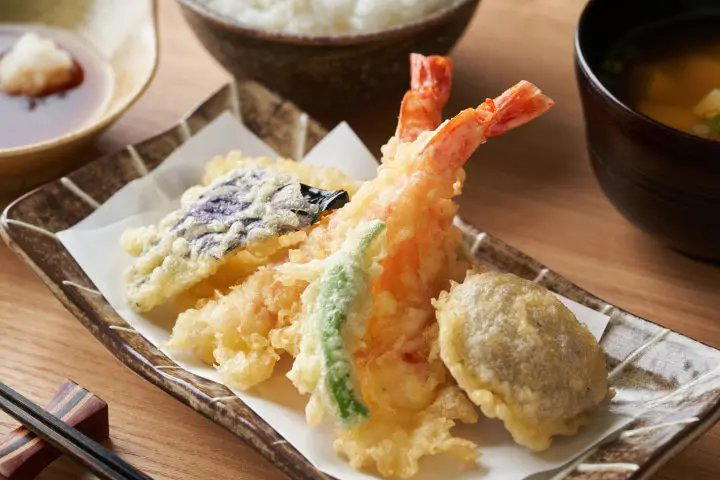

At a Glance
- Intimate
- Elegant
- Quiet
- Sophisticated
- Minimalist
- Special Occasion
- Date Night
- Business Dinner
- Chefs Counter
- Open Kitchen
- Sake Program
- Local Sourcing
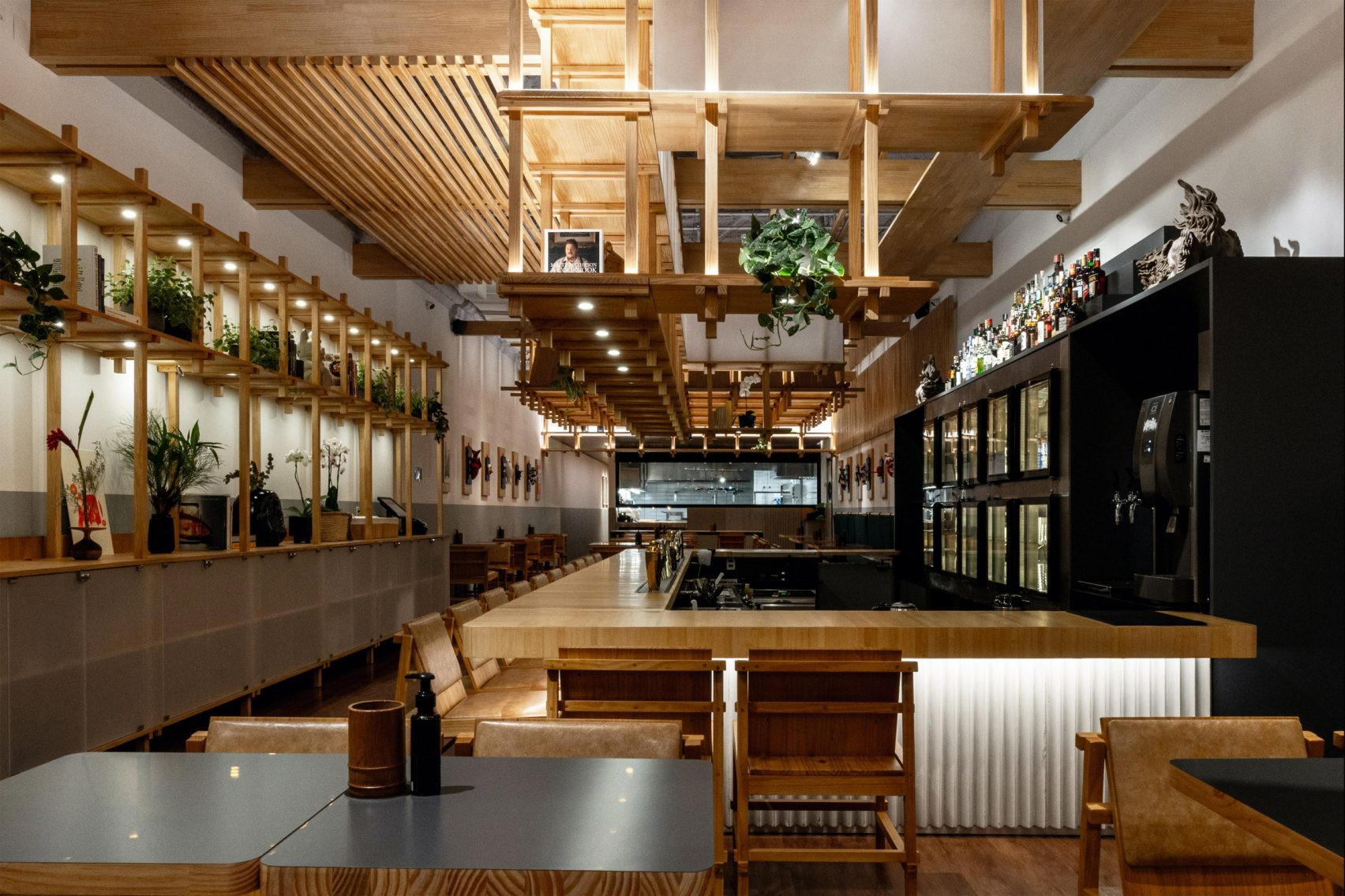
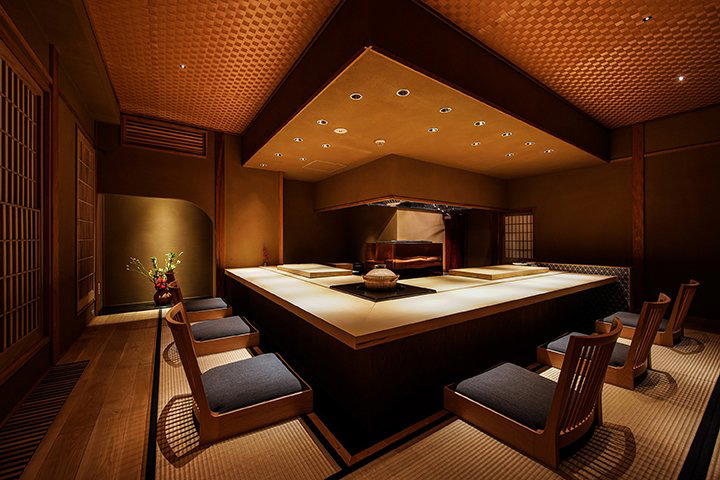
Warm, directed lighting on the counter with natural woods and muted tones creating a calm, focused atmosphere.