Plant-Based Eating on Hàng Điếu Street Hoàn Kiếm district has long been the commercial and culinary spine of central Hanoi, its narrow lanes threading between tube houses that shift from wholesale hardware to pho counters to herbalists within a...
 Discover on Pearl
Pearl is the En Primeur Club membership app — saves, bookings, and concierge access live there. Same editors, same standards.
- Address
- 56 Hàng Điếu, Cửa Đông, Hoàn Kiếm, Hà Nội 100000, Vietnam
- Phone
- +84868173168
- Website
- ivegansupershop.com
Plant-Based Eating on Hàng Điếu Street
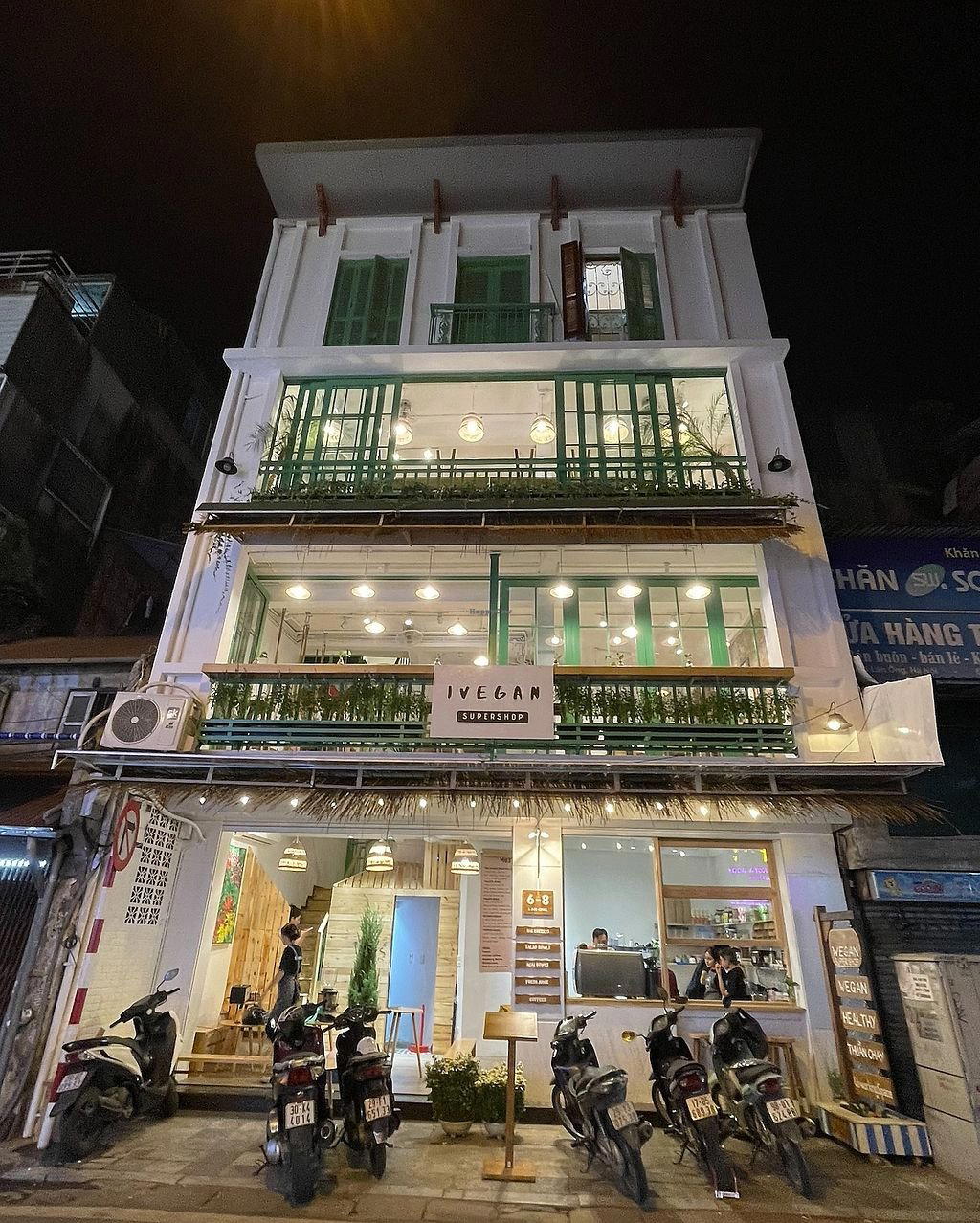
Hoàn Kiếm district has long been the commercial and culinary spine of central Hanoi, its narrow lanes threading between tube houses that shift from wholesale hardware to pho counters to herbalists within a few blocks. Hàng Điếu, a short street running through the Cửa Đông ward, sits in that texture: functional, local in character, and less trafficked by international visitors than the lake-facing blocks to the south. It is in this context that IVEGAN SUPERSHOP HANG DIEU- HEALTHY PLANT-BASED CAFE occupies number 56, a plant-based café on Hàng Điếu Street in Hanoi.
Hanoi's relationship with vegetarian eating is older than the current wellness movement would suggest. Buddhist dietary practice has kept a steady vegetarian tradition alive across the city for generations, with certain days of the lunar calendar drawing notably higher demand for meat-free food at markets and modest restaurants across every district. What has shifted in recent years is the framing: where Buddhist-adjacent vegetarian cooking once sat in its own category, newer plant-based formats attempt to address a wider audience, including younger Vietnamese diners, expatriates, and inbound travellers seeking lower-meat options without moving into the fine-dining tier.
How the Menu Format Positions the Venue
The name itself carries structural information. "Supershop" suggests a retail or multi-format concept rather than a single-service restaurant, placing this address in the category of plant-based cafés that combine prepared food with packaged goods, supplements, or ingredient retail. This format is recognisable across Southeast Asian capitals: Kuala Lumpur, Bangkok, and Ho Chi Minh City have all produced similar hybrids where the menu and the shelf coexist, and where the logic is as much about pantry access as plate experience. In Hanoi, that model is still developing, and addresses like this one on Hàng Điếu are among its early expressions in the Old Quarter fringe.
What the "healthy" descriptor signals in this context is a deliberate distance from the oil-heavy, mock-meat-reliant cooking that characterises some traditional Vietnamese vegetarian restaurants. That older register uses gluten-based proteins and deep-frying to replicate texture, producing dishes that are technically plant-based but not nutritionally restrained. A café foregrounding health rather than Buddhist tradition implies a different menu logic: lighter preparations, possibly raw or minimally cooked elements, smoothies or grain bowls sitting alongside cooked Vietnamese plates.
For comparison, Hanoi's higher-price tiers include addresses like Gia (Vietnamese Contemporary) and Hibana by Koki (Teppanyaki), both operating at the ₫₫₫₫ tier with chef-led tasting formats. A plant-based café on a working street in Hoàn Kiếm is doing something categorically different: it addresses daily-use dining rather than occasion dining, and it draws its comparable set from neighbourhood staples like 1946 Cua Bac and Tầm Vị on accessibility and price approachability, not on the formal meal architecture of tasting menus.
The Neighbourhood as Context
Arriving on Hàng Điếu on foot from the Đồng Xuân market direction, the street reads as a transition zone between the denser commercial blocks of the Old Quarter and the slightly wider roads that border Hoàn Kiếm Lake to the south. Number 56 sits in this in-between, which is itself representative of how plant-based formats tend to find their footing in Asian cities: not in the high-visibility tourist corridor, not in the expat enclave, but in the seam between them. Foot traffic here is real and local-weighted, which matters for a format that depends on repeat visits from residents rather than single-stop tourism.
Hanoi's food scene spans a wide range of formats and price points beyond this address. Elsewhere in Vietnam, plant-forward and contemporary formats are advancing at different speeds: Akuna in Ho Chi Minh City and La Maison 1888 in Da Nang represent the higher end of the country's dining ambition, while addresses like White Rose (Bông Hồng Trắng) in Hoi An show how regional specialisation anchors mid-tier dining in provincial cities.
The range across Vietnam is wide. At one end sit large-format operations like Bien 14 Seafood Buffet Restaurant in Hao Long and chain formats including King BBQ Vincom Kiên Giang in Rach Gia and GoGi House Go Bạc Liêu in Bac Lieu. At the other sit independent neighbourhood formats like this one. Internationally, the distance between a plant-based café in the Old Quarter of Hanoi and a three-Michelin-star room like Le Bernardin in New York City or a Korean fine-dining counter like Atomix in New York City is total: different audience, different price logic, different cultural function. Closer in format, though different in cuisine focus, are casual Asian dining formats like Dookki Vincom Plaza Tuyên Quang in Minh Xuan and Big Bowl in Cam Ranh, both operating at accessible price points with multi-item formats. The café at Hàng Điếu occupies a specific niche: plant-based, health-framed, Old Quarter-adjacent, and positioned for regular use rather than special-occasion visits.
Planning a Visit
Hàng Điếu is walkable from the main Old Quarter hotel cluster, and the address at number 56 is direct to reach on foot from Hoàn Kiếm Lake in under ten minutes. The café format, with its apparent retail-plus-dining structure, suggests it functions across multiple dayparts rather than a fixed mealtime. Given the absence of confirmed booking data, walk-in is the expected mode here, consistent with other neighbourhood cafés in Hoàn Kiếm district. Other nearby independent dining options including 19 P. Ngũ Xã provide additional points of comparison for mid-range, neighbourhood-scale dining in the district. Multi-format food courts such as BIG CHILL INTERNATIONAL FOOD COURT in Phan Thiet and fast-food chains like Jollibee in Kon Tum show the breadth of casual dining formats available across Vietnam, though neither maps directly onto what a plant-based café in the Old Quarter is attempting.
Awards and Standing
Comparable venues nearby, for context on price, style, and recognition.
| Venue | Cuisine | Price | Awards | Notes |
|---|---|---|---|---|
| IVEGAN SUPERSHOP HANG DIEU- HEALTHY PLANT-BASED CAFEThis venue — the venue you are viewing | Healthy Plant-Based Cafe | $$ | , | |
| Hanoi Cuisine 1925 | Traditional Vietnamese | $$ | , | Hoan Kiem |
| Pizza 4P's Bao Khanh | Japanese-Italian Fusion Pizza | $$ | , | Hoan Kiem |
| New Day Restaurant | Authentic Northern Vietnamese Home Cooking | $ | , | Hoan Kiem |
| Bánh Mỳ Phố Huế | Traditional Hanoi Banh Mi | $ | , | Hai Ba Trung |
| Pizza 4P's Phan Ke Binh | Japanese-Italian Fusion Pizza | $$ | , | Ba Dinh |
At a Glance
- Modern
- Cozy
- Trendy
- Casual Hangout
- Solo
- Brunch
- Open Kitchen
- Street Scene
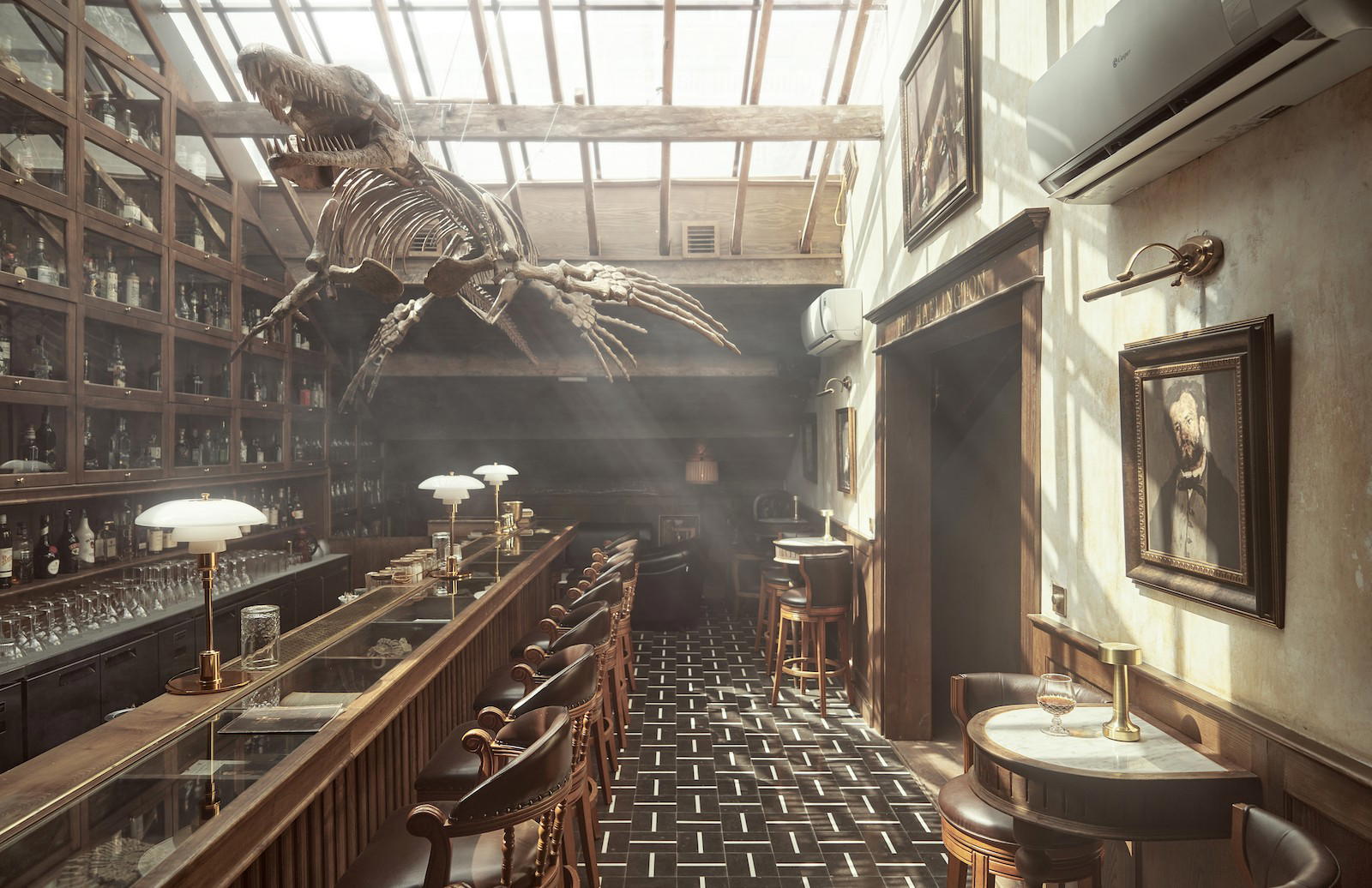
Bright, modern, and welcoming with natural light, air-conditioned upper floors, and a peaceful escape from the busy streets, ideal for relaxed meals or working.