Jollibee on Trần Hưng Đạo sits at the intersection of global fast-food reach and a city with almost no other international chain presence. In Kon Tum, where highland ingredients and Central Highlands food culture define the table, the arrival of this Filipino-origin brand reads less as disruption and more as a data point about how provincial Vietnam is changing. A practical stop in a city that rewards slower, more local eating.
Pearl is the En Primeur Club membership app — saves, bookings, and concierge access live there. Same editors, same standards.
- Address
- 75 Trần Hưng Đạo, Thống Nhất, Kon Tum, 60000, Vietnam
- Phone
- +842606250350
- Website
- jollibee.com.vn
- Directions
- Get directions
 Saves & bookings on Pearl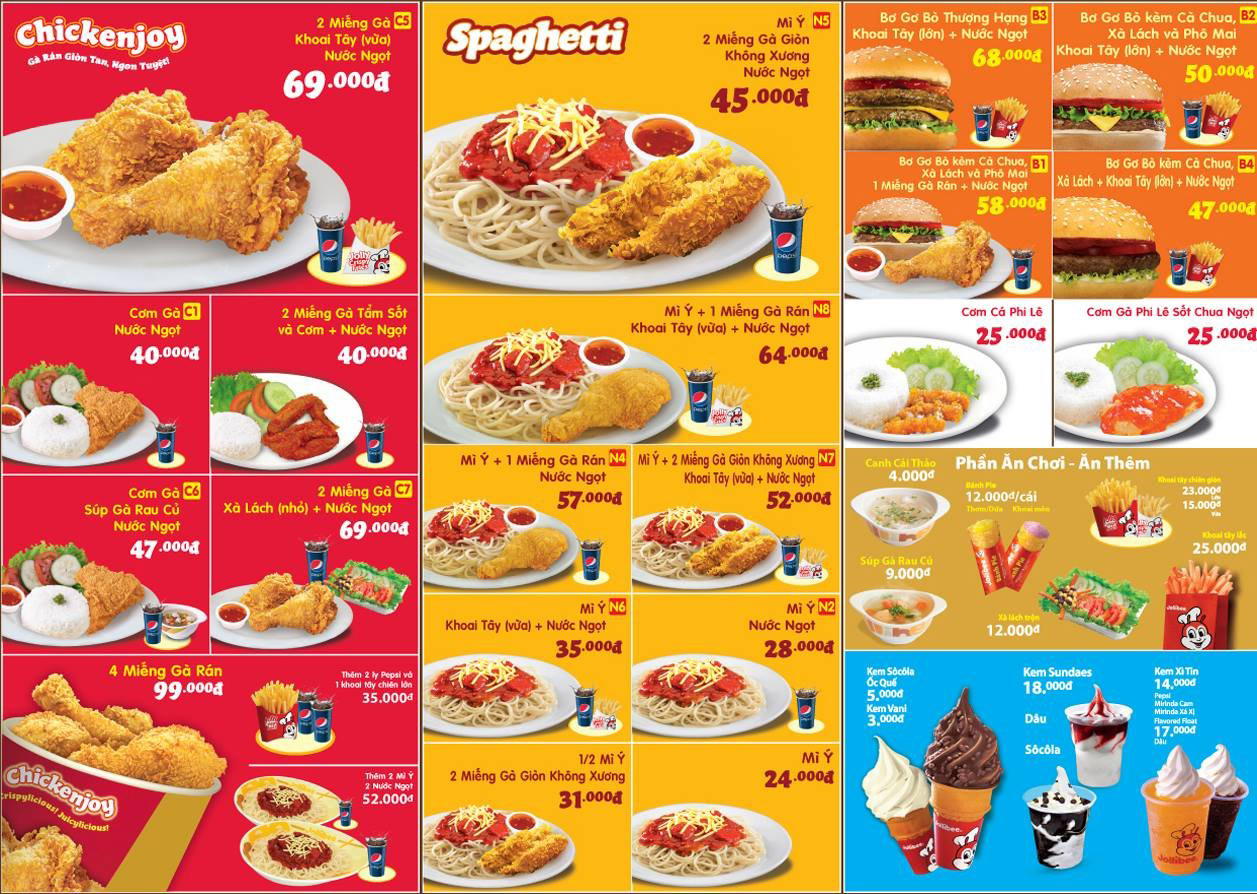
Where the Chain Meets the Central Highlands
Jollibee is a Filipino fast-food restaurant in Kon Tum, Vietnam, with. Kon Tum is not a city you arrive in because of its restaurants. The capital of Kon Tum Province sits at roughly 540 metres above sea level in Vietnam's Central Highlands, sharing geography and cultural weight with the Bahnar and Sedang communities who have shaped the region's food traditions for generations. The province grows coffee, pepper, and cassava on land that the lowland kitchen rarely references directly. Most eating here happens in modest pho shops on Trần Hưng Đạo, at market stalls along the Đắk Bla River, or in family-run places that plate highland vegetables alongside the kind of broth that doesn't survive a franchise model. That context matters when you're placing a Jollibee at number 75 on the same street.
For readers accustomed to tracking Vietnam's dining evolution through Gia in Hanoi or Akuna in Ho Chi Minh City, a Jollibee in Kon Tum operates in an entirely different register. It competes, if anything, with the convenience logic of everyday eating in a city where international chain infrastructure is still thin.
The Chain in Context: What Jollibee Is and Why It's Here
Jollibee is a Filipino fast-food chain. Its Vietnam expansion followed the same urbanisation corridor that brought KFC and Lotteria into secondary cities, where a growing middle class and younger consumers want familiar, fast, branded food at predictable prices. The brand's Vietnam menu centres on fried chicken, spaghetti in a sweet tomato-meat sauce, rice meals, and burger formats.
The Kon Tum location on Trần Hưng Đạo places it on one of the city's main commercial arteries, accessible by foot from the central market and the city's modest cluster of guesthouses. For context on how this location sits within the broader Jollibee Vietnam network, the Jollibee Phố Thống Nhất in Hai Duong represents the kind of secondary-city presence the brand has been building steadily across the country.
Ingredient Sourcing and the Fast-Food Supply Chain in Provincial Vietnam
The supply chain behind it reveals the tension between local food systems and national franchise logistics. Jollibee, like all large-format chains operating in Vietnam, sources through centralised distribution networks, which means the chicken arriving at Trần Hưng Đạo does not come from the smallholder farms in Kon Tum's surrounding districts. It comes from approved suppliers feeding the national network.
This is a structural reality of the chain model. But in a province where highland-raised poultry, river fish, and hand-farmed vegetables are genuinely available at the market level, the contrast is worth naming. The Central Highlands has some of Vietnam's more distinct agricultural output: robusta coffee grown at altitude, black pepper from Đắk Hà, highland bitter greens that don't appear on menus south of the mountains. None of that feeds into the Jollibee kitchen. The supply logic runs in the opposite direction, from national distributor to branch, not from province to plate.
For reference points on how Vietnamese restaurants can work with locality more rigorously, La Maison 1888 in Da Nang and White Rose in Hoi An sit at the opposite end of the sourcing spectrum, where ingredient provenance is a central editorial and culinary commitment.
Who Actually Eats Here and When
The realistic audience for this branch is domestic Vietnamese travellers passing through, local teenagers and young adults, and visitors who have spent several days eating at market stalls and want something with air conditioning and Wi-Fi. The fast-food demographic in secondary Vietnamese cities skews young and family-oriented, and Jollibee specifically has a stronger family positioning than many of its competitors, partly because of its long association with children's meal formats and birthday party programming in the Philippines and across its Southeast Asian markets.
In terms of timing, Jollibee branches in Vietnamese provincial cities typically see their heaviest traffic at lunch and early evening, with weekend afternoons drawing families. The format is walk-in by design; no booking infrastructure exists or is necessary. For visitors building a trip around the region's food, the branch functions leading as a practical fallback rather than a primary dining destination. The local pho and bánh mì circuit on Trần Hưng Đạo itself offers more direct access to how Kon Tum actually eats.
Planning a Visit
The address is 75 Trần Hưng Đạo, Thống Nhất, Kon Tum. No booking is required or possible at this format. Payment is counter-based. For travellers arriving in Kon Tum by bus from Pleiku or Da Nang, the address is reachable from the central bus terminal by short ride.
Visitors whose main interest is Vietnam's broader dining spectrum should note that the Central Highlands region is underrepresented in premium dining guides relative to its food culture. For contrast, the range from accessible options like Big Bowl in Cam Ranh and GoGi House in Bac Lieu to regional formats like Dookki Vincom Plaza Tuyên Quang shows how varied the secondary-city dining picture across Vietnam has become. The King BBQ Vincom Kiên Giang in Rach Gia and Han Yang BBQ represent how Korean-influenced BBQ formats have embedded into provincial Vietnam in a way that Jollibee's model mirrors: centralised, branded, and calibrated for broad accessibility rather than local specificity.
For readers drawn to the top end of Vietnam's dining range, Bien 14 Seafood Buffet in Ha Long, Duyên Anh Restaurant in Phu Vang, Fujiya Sushi Đà Lạt, and Matchandeul BBQ Binh Duong all map a different side of how Vietnam's provinces are eating. And for anyone benchmarking against the upper tier of global dining, Le Bernardin in New York and Atomix in New York City and the BIG CHILL International Food Court in Phan Thiet represent opposite poles of the format spectrum that Jollibee Kon Tum sits well outside of.
Fast Comparison
Comparable venues nearby, for context on price, style, and recognition.
| Venue | Cuisine | Price | Notes |
|---|---|---|---|
| JollibeeThis venue — the venue you are viewing | Filipino Fast Food | $$ | Not listed |
| White Rose (Bông Hồng Trắng) | Hoi An White Rose Dumplings | $$ | Old Town |
| Cafe Giang | Vietnamese Egg Coffee & Traditional Coffee | $ | Old Quarter, Hoan Kiem District |
| Seashell by Nu Eatery | Modern Vietnamese Fusion Tapas | $$ | Hoi An Old Town |
| Red Bridge Cooking School, Restaurant, and Villa - Hoi An Riverside | Modern Vietnamese | $$ | Cam Thanh |
| Tam Tam Cafe & Restaurant Hoi An | Vietnamese Cafe | $$ | Hoi An Ancient Town |
At a Glance
- Lively
- Energetic
- Family
- Casual Hangout
- Group Dining
Current opening hours
- Monday
- 8:30 AM–10 PM
- Tuesday
- 8:30 AM–10 PM
- Wednesday
- 8:30 AM–10 PM
- Thursday
- 8:30 AM–10 PM
- Friday
- 8:30 AM–10 PM
- Saturday
- 8:30 AM–10 PM
- Sunday
- 8:30 AM–10 PM
Hours can change for holidays and private events. Last verified .