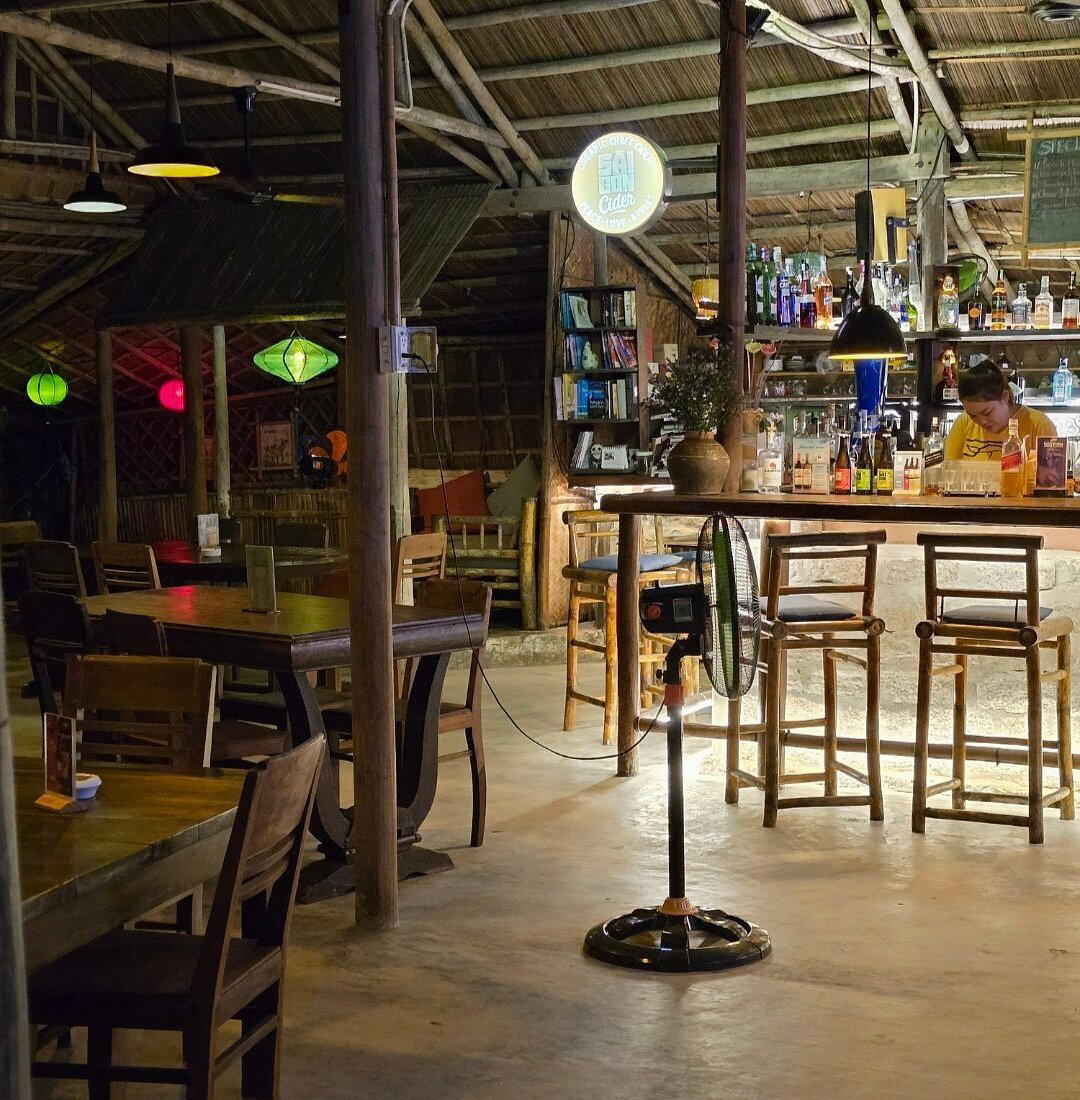
White Rose (Bông Hồng Trắng) at 533 Hai Bà Trưng is where Hoi An's most discussed dumpling tradition plays out in the open. The restaurant holds a near-monopoly on the white rose dumpling's production, with a single family supplying the translucent wrappers to virtually every kitchen in town that serves them. For anyone tracing Central Vietnamese street food back to its source, this is the address.
 Discover on Pearl
Pearl is the En Primeur Club membership app — saves, bookings, and concierge access live there. Same editors, same standards.
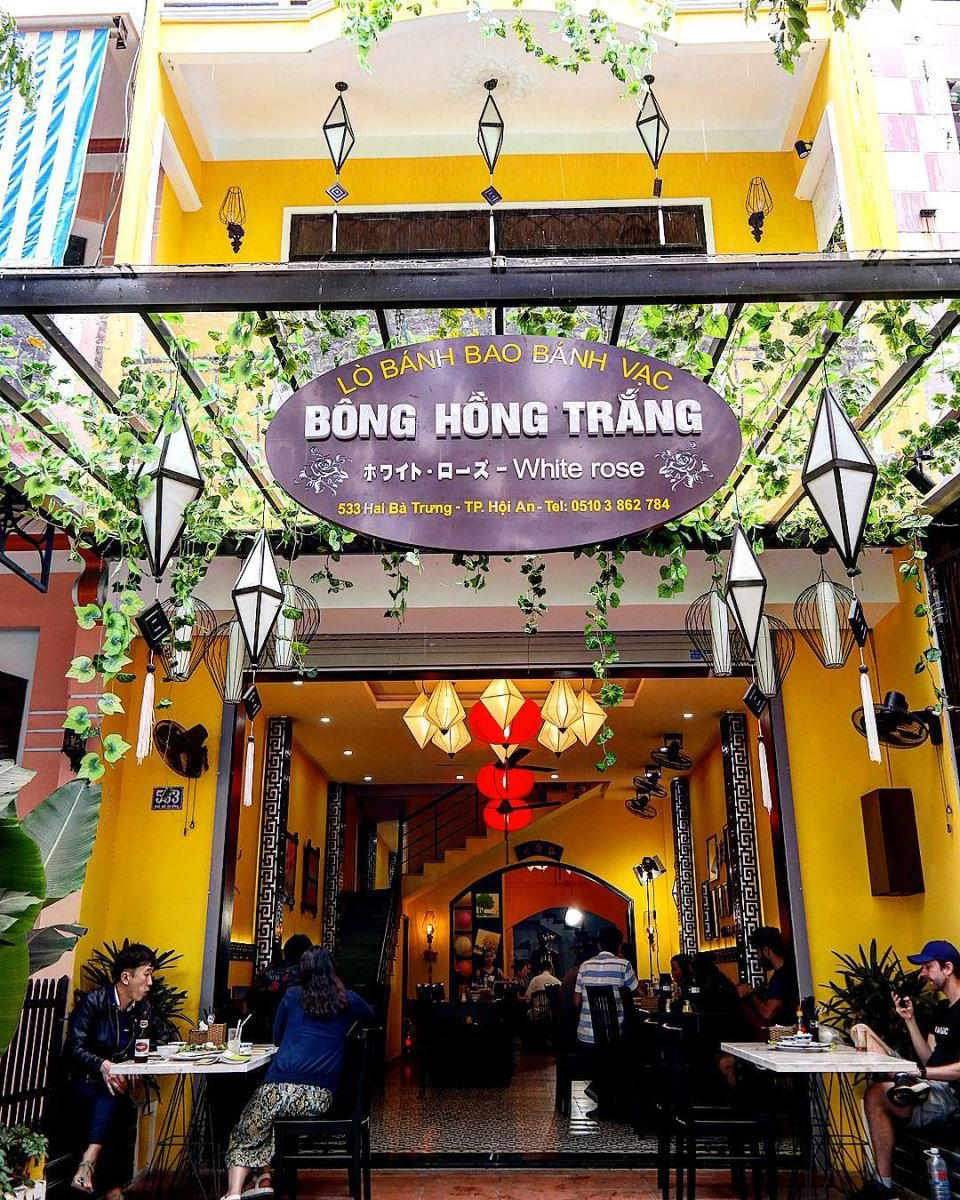
Where Hoi An's Most Protected Recipe Begins
Central Vietnamese cuisine has always maintained a sharper sense of place than the food of either Hanoi or Saigon. The dishes that define Hoi An, specifically, are not approximations of a broader national tradition, they are products of a specific geography, a specific trade history, and in some cases, specific families. White rose dumplings, known locally as bánh bao vạc, sit squarely in that last category. White Rose (Bông Hồng Trắng) is a casual, walk-in-friendly restaurant in Hội An serving Hoi An White Rose Dumplings, with an address at 533 Hai Bà Trưng (Nhị Trưng), Hội An, Tỉnh Quảng Nam. It is not simply one place that serves them. It is, by the account of nearly everyone who tracks this dish, the production point from which the dumpling radiates outward into the broader Hoi An dining scene.
The restaurant itself sits within that low-key residential and culinary corridor, the kind of address that does not announce itself through visible theatrics but through a steady, purposeful flow of visitors who know exactly why they have come.
The Sourcing Logic Behind a Single-Family Recipe
The central editorial fact about White Rose is one of supply chain rather than menu breadth. The bánh bao vạc wrapper is made from a rice flour blend processed with water drawn from a specific local well. The mineral composition of that water is understood locally to be integral to the wrapper's texture, translucent, soft, and yielding without tearing. This is the kind of ingredient specificity that makes a dish genuinely difficult to replicate elsewhere, and it explains why the recipe has remained within a single family rather than diffusing across the region in the way that, say, bánh mì or phở have traveled.
This production dynamic places White Rose in a category that operates differently from the broader Hoi An restaurant scene. Nearby places such as Before and Now and 42 Đường Phan Bội Châu serve these dumplings as part of broader menus. White Rose is the origin point. When other kitchens in Hoi An list bánh bao vạc on their menus, most are sourcing the wrappers directly from this address. That supply relationship gives the restaurant a structural position in the local food economy that no award or review score needs to confirm.
For dining travelers who follow ingredient sourcing in Vietnamese cuisine, this mirrors a pattern visible elsewhere in the country. Gia in Hanoi and Akuna in Ho Chi Minh City have built editorial reputations partly on provenance claims about their ingredients. White Rose's version of that argument is older and less mediated by hospitality marketing: the sourcing story is simply the operational reality of how the dish exists at all.
Cao Lầu and the Broader Hoi An Plate
The menu extends beyond white rose dumplings. Cao lầu, the noodle dish that is equally specific to Hoi An, appears alongside the dumplings as a second case study in hyper-local ingredient sourcing. The noodles in authentic cao lầu require ash water from a particular source and are traditionally made in small batches. Like the dumpling wrappers, they are not a dish that travels well in its genuine form because the ingredient conditions that define them are not replicable outside the Thu Bồn River basin. Ordering both at White Rose is less about variety than about completing a coherent argument: Hoi An's culinary identity is built on ingredient specificity, and this restaurant is one of the clearest places in which to read that argument.
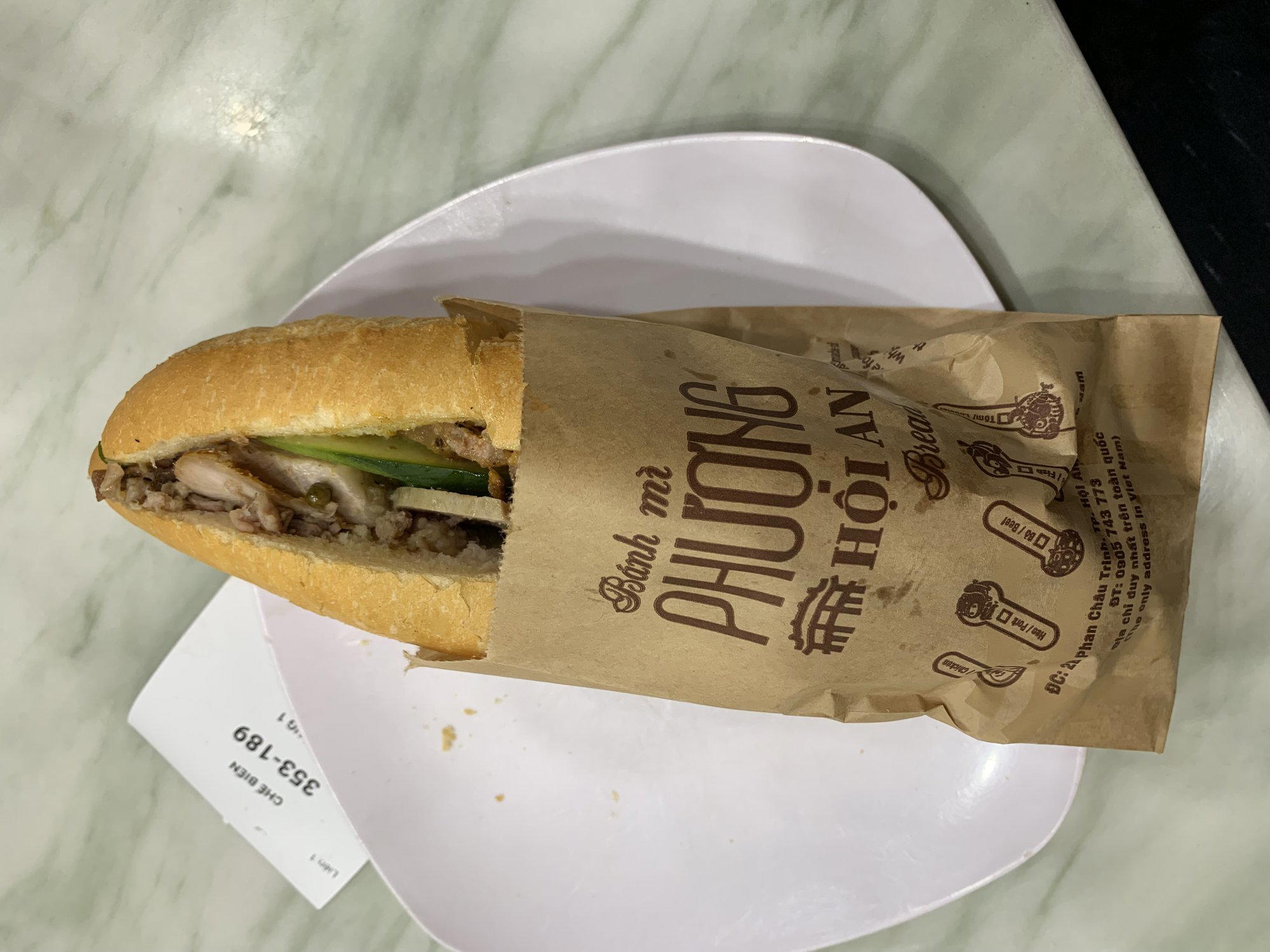
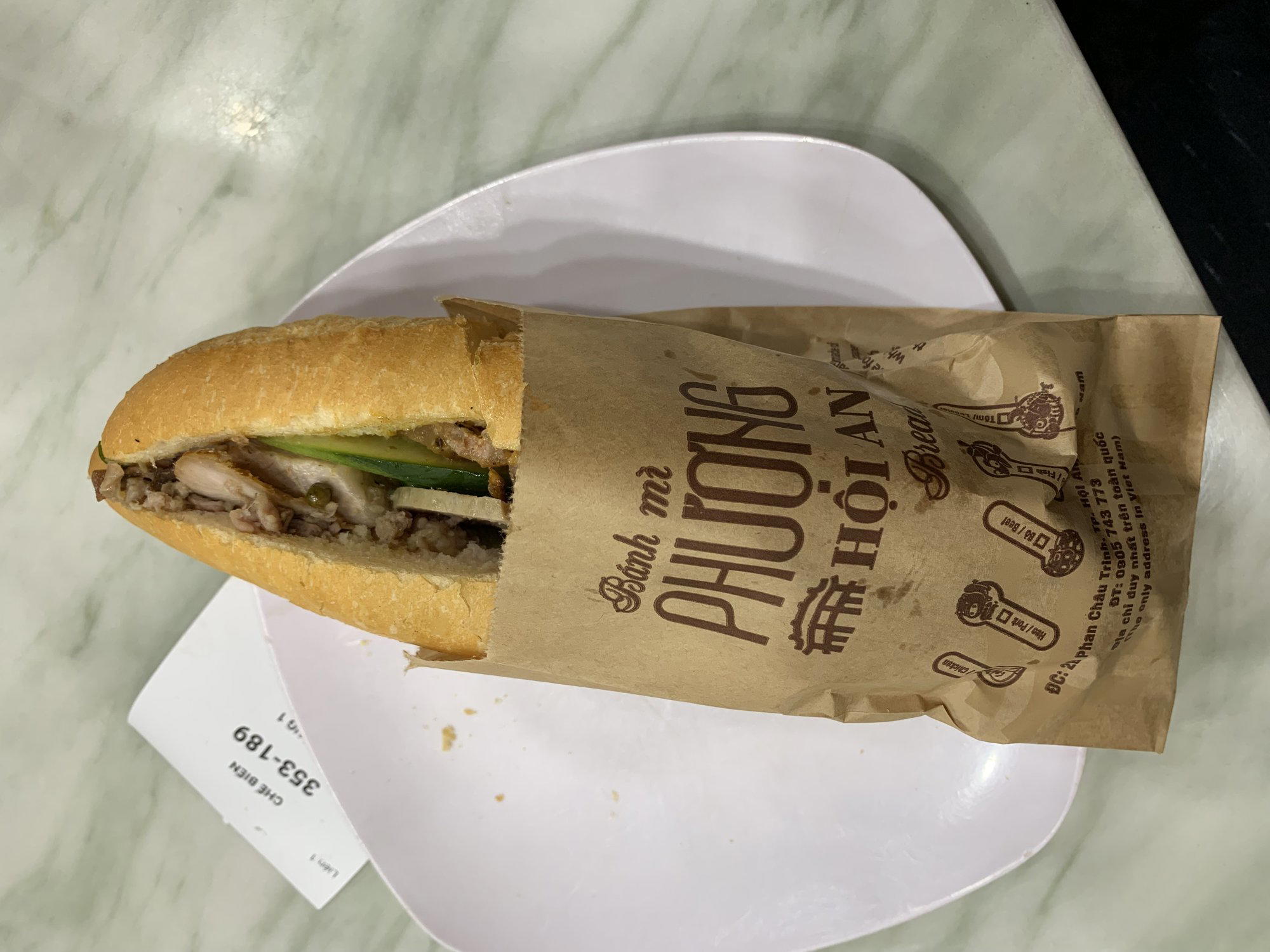
For visitors who want to map the broader texture of Hoi An's street food, Banh Mi Phuong (Hoi An) and Bánh Mì Phượng anchor the bánh mì side of the conversation, while 115 Đ. Trần Cao Vân represents the kind of address that fills in the gaps between the headline dishes. Together, they form a circuit rather than a ranked list. See our full Hoi An restaurants guide for a broader map of where the city's dining character concentrates.
Comparable Venues
Comparable venues nearby, for context on price, style, and recognition.
| Venue | Cuisine | Price | Awards | Notes |
|---|---|---|---|---|
| White Rose (Bông Hồng Trắng)This venue — the venue you are viewing | Hoi An White Rose Dumplings | $$ | , | |
| Red Bridge Cooking School, Restaurant, and Villa - Hoi An Riverside | Modern Vietnamese | $$ | , | Cam Thanh |
| Before and Now | Modern Vietnamese Fusion Urban Bistro | $$ | , | Hoi An Old Town |
| Mai Fish Restaurant | Traditional Vietnamese Family-Style | $$$ | , | Minh An Ward |
| Morning Glory | Authentic Hoi An Vietnamese Street Food | $$ | , | Old Town |
| 115 Đ. Trần Cao Vân | Vietnamese Banh Mi | $ | , | Minh An |
At a Glance
- Classic
- Rustic
- Intimate
- Casual Hangout
- Historic Building
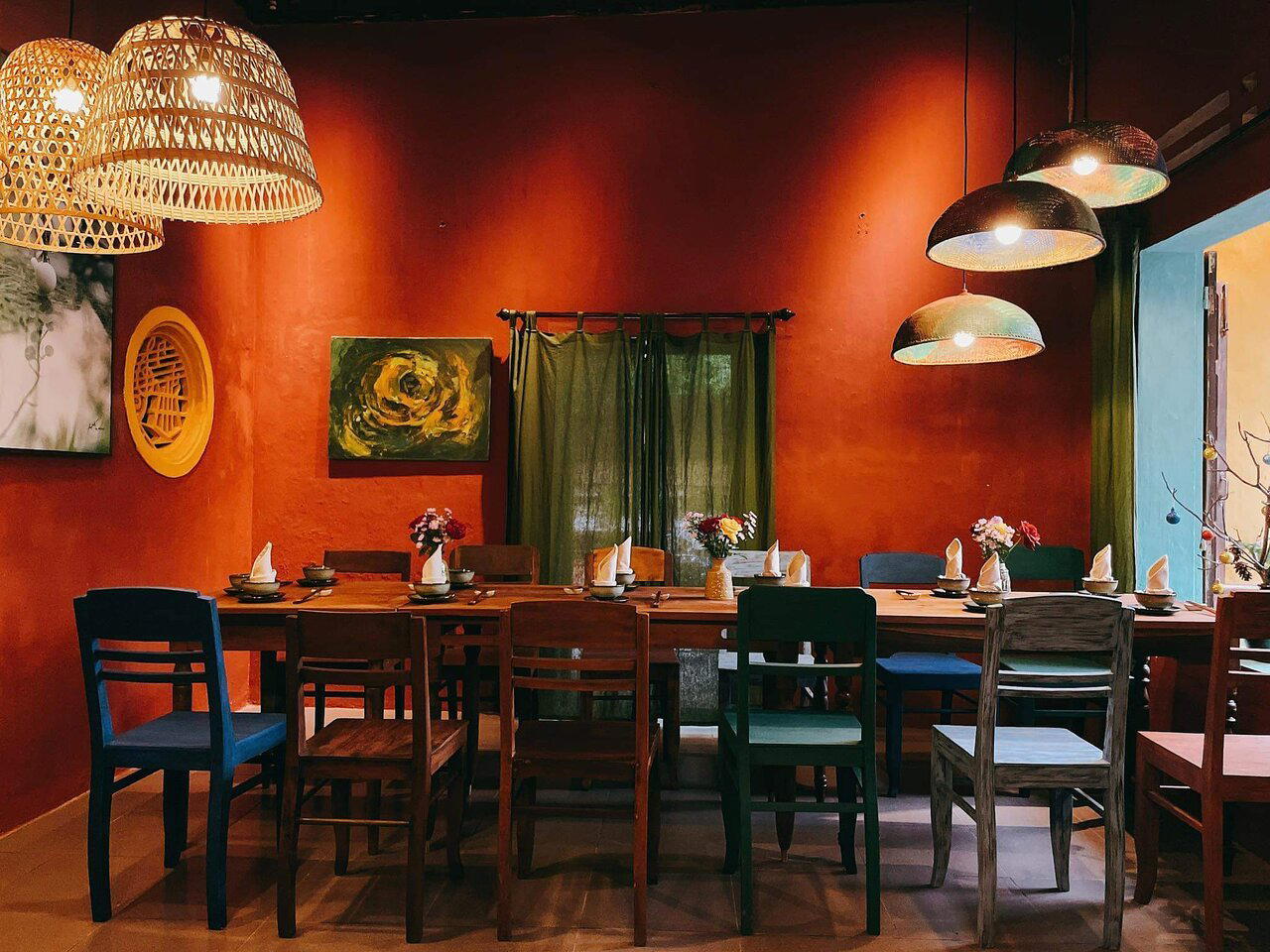
Casual, bustling local eatery with a focus on authentic preparation visible to guests.