"A Sandwich to Be Reckoned With There are more complex items in Vietnam's culinary arsenal, but for sheer, simple enjoyment few things beat the humble banh mi. A filled baguette stuffed with all variety of goodies from grilled pork to pickled daikon and tasty pate, the sandwich has transcended its origins to become one of the country's greatest food exports. Purists would argue that the stronger versions can be found in the central regions (and particularly in Hoi An), but Hanoi has some sterling choices, too, such as Banh My Thien Su, which offers particularly generously stuffed baguettes in the city."
Pearl is the En Primeur Club membership app — saves, bookings, and concierge access live there. Same editors, same standards.
- Address
- 118 P. Huế, Nguyễn Du, Hai Bà Trưng, Hà Nội, Vietnam
- Phone
- +84 936 441 429
- Directions
- Get directions
 Saves & bookings on Pearl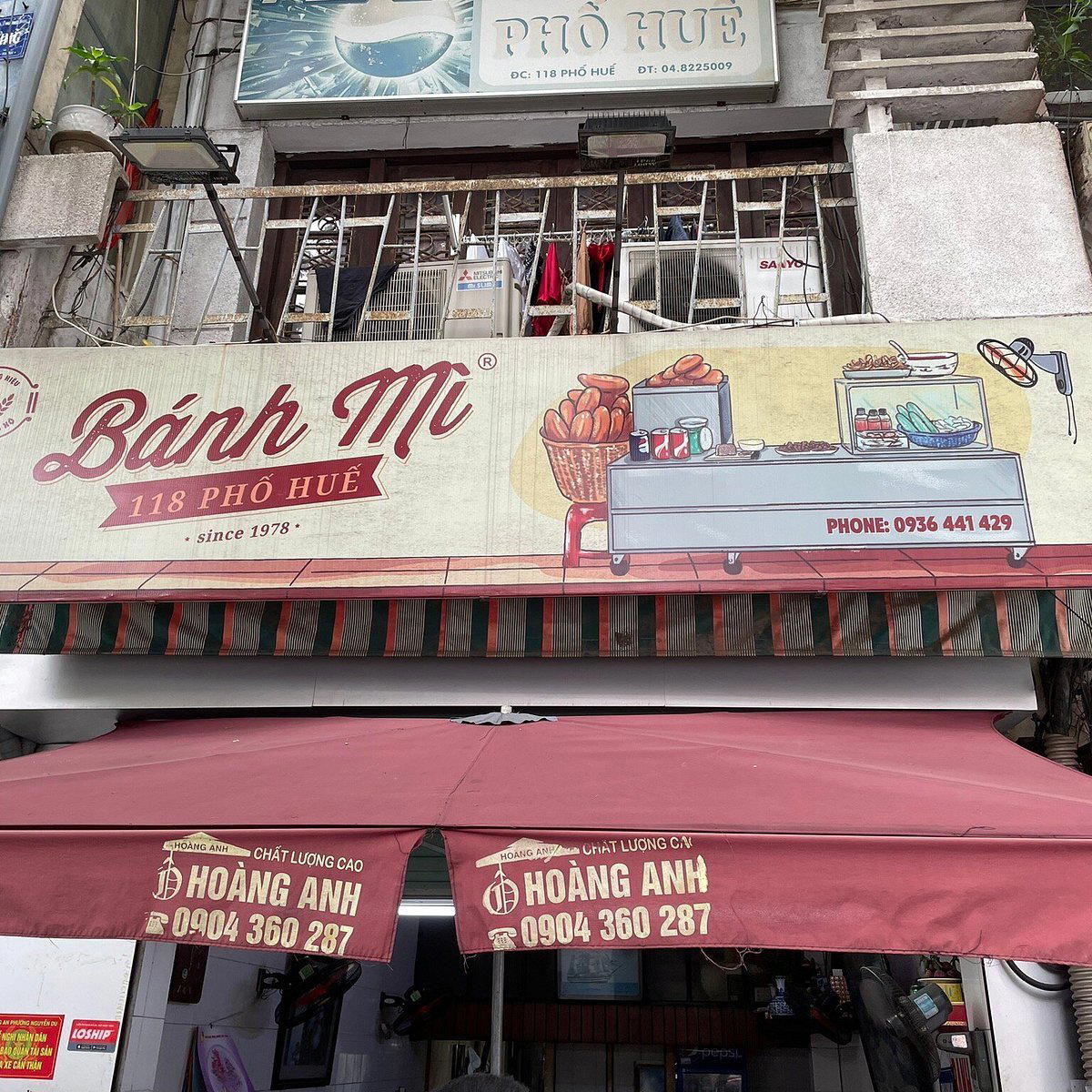
Phố Huế Street, Hai Bà Trưng: Where Hanoi's Bánh Mỳ Tradition Runs Deepest
The stretch of Phố Huế running through Hai Bà Trưng district operates at a different register from the tourist-facing bánh mỳ vendors clustered around Hoàn Kiếm. The footpath commerce here is unadorned: small stools, rapid transactions, regulars who arrive at predictable hours and leave within minutes. Bánh Mỳ Phố Huế at 118 P. Huế sits inside this neighbourhood rhythm, a counter-service spot that functions as a working lunch destination for the district rather than a pilgrimage point for food tourists.
The Bánh Mỳ in Hanoi: A Northern Reading of a National Form
Vietnam's bánh mỳ is often discussed as a single tradition, but the northern version served in Hanoi differs meaningfully from the southern variants that drew international attention through Ho Chi Minh City's street markets. Hanoi's rendition tends toward cleaner fillings and a drier interior, the bread itself carrying more weight in the balance. The Saigon-style sandwich, richer with pâté, pickled daikon, and liberal herb coverage, is well documented in the food press; the Hanoi version occupies a quieter, more restrained register. Venues like Tầm Vị demonstrate that northern Vietnamese eating often privileges restraint over accumulation, and bánh mỳ follows the same logic.
The bread itself matters considerably in this equation. A proper bánh mỳ baguette, the product of French colonial-era baking traditions absorbed into Vietnamese daily life, should carry a crackling exterior and a notably airy crumb. The structural contrast between crust and interior is what distinguishes a serious bánh mỳ from its imitations. In Hanoi's street context, the freshness of the bread is often the sharpest differentiator between vendors operating on the same block.
The Sequence of the Sandwich: How the Meal Unfolds
Framing a bánh mỳ stop through a tasting progression might seem like category mismatch, the kind of editorial device suited to a tasting menu at Gia or a multi-course experience at Lazy Bear in San Francisco rather than a pavement sandwich counter. But the format rewards sequential attention. The first encounter is the bread: its temperature, the sound of the crust, whether it gives cleanly under pressure. Then the filling composition, how the savoury elements distribute across the length of the sandwich, whether the condiment balance leans acidic or umami-forward. Finally, the finish, the lingering quality that determines whether the sandwich felt complete or merely adequate.
In Hanoi's street context, this progression happens standing up, often in under three minutes, but the sequencing is no less real. A well-made bánh mỳ resolves in the same structural way that a well-constructed dish at a formal counter does: each element with a function, no component present as decoration. The difference between a forgettable street sandwich and a memorable one is exactly this internal coherence. Bánh Mỳ Phố Huế operates in a neighbourhood where that standard is held to daily, by a local clientele that returns out of habit rather than curiosity.
Hai Bà Trưng's Eating Character
Hai Bà Trưng is one of Hanoi's older urban districts, its street grid tighter and its commerce more local-facing than the areas around Hoàn Kiếm or Tây Hồ. The dining here skews toward fast, affordable, and repeat-visit formats: pho stalls, bún chả operations, cơm bình dân canteens. The bánh mỳ counter is a natural fixture in this ecology. Compared to the premium Vietnamese dining available at 1946 Cua Bac or the contemporary tasting formats at Hibana by Koki, a Hai Bà Trưng street counter like Bánh Mỳ Phố Huế occupies the foundational tier of the city's eating hierarchy, not lesser for it, but differently positioned.
This is the category of Hanoi dining that absorbs the heaviest foot traffic, runs the longest daily hours, and sustains the city's working population. The premium end of Hanoi's restaurant scene rests on a base of exactly this kind of neighbourhood eating. Understanding a city's food culture from the leading down only tells half the story.
Comparing the Form Across Vietnam
Beyond Hanoi, bánh mỳ takes on distinct regional characteristics. In Hội An, the sandwich acquired near-mythic status through a handful of high-profile vendors, drawing queues that suggested appointment dining as much as street food. Operations like Cargo Club Cafe and Restaurant in Hoi An reflect how that city has absorbed tourist appetite into its food offering. Further south, Akuna in Ho Chi Minh City represents a different trajectory entirely: Vietnamese ingredients refracted through fine dining ambition. Huế's food culture, documented at venues like Saffron in Hue City, skews toward the royal court tradition, where bánh mỳ plays a smaller role relative to the city's more elaborate rice-based dishes.
In this national context, Hanoi's bánh mỳ remains among the least exported, least mythologised variants of the form. That relative obscurity is partly structural: the city's street food identity is more often associated with pho and bún chả than the sandwich, and venues like 19 P. Ngũ Xã show how the city's culinary attention clusters around different formats. The bánh mỳ counter here serves a local function rather than a tourist one, which in practice means a different product and a different relationship with its audience.
For readers arriving from the fine dining end of the Vietnamese spectrum, the street counter offers a useful recalibration. Technique here is expressed through consistency and speed, not elaboration. The skill is in the execution of something simple, done correctly, at volume, to a neighbourhood audience that notices when it is not.
Planning a Visit: Logistics and Expectations
Bánh Mỳ Phố Huế is located at 118 P. Huế in the Nguyễn Du ward of Hai Bà Trưng district. The area is accessible by taxi or motorbike from most central Hanoi hotels. This is pavement dining, which means no reservation is necessary, no dress code applies, and the experience is shaped entirely by when you arrive. Street food counters in Hanoi's residential districts typically operate at their peak in the morning and early afternoon; arriving outside those windows may mean reduced bread freshness or limited filling options.
Street food pricing in Hanoi's working districts keeps a bánh mỳ here firmly in a low-cost range. This is eating as daily infrastructure.
Recognition Snapshot
Comparable venues nearby, for context on price, style, and recognition.
| Venue | Cuisine | Price | Notes |
|---|---|---|---|
| Bánh Mỳ Phố HuếThis venue — the venue you are viewing | Traditional Hanoi Banh Mi | $ | Not listed |
| Phở 10 Lý Quốc Sư | Authentic Hanoi Beef Phở | $ | Hoan Kiem |
| Bun Cha Dac Kim | Traditional Hanoi Bun Cha | $ | Hoan Kiem |
| Bánh Cuốn Gia Truyền Thanh Vân | Traditional Vietnamese Banh Cuon | $ | Hoan Kiem |
| P. Lý Văn Phức | Vietnamese Grilled Chicken Street Food | $ | Ba Dinh |
| Senté | Modern Vietnamese Lotus Cuisine | $$ | Hoan Kiem |
At a Glance
- Rustic
- Casual Hangout
- Solo
- Standalone
- Local Sourcing
- Street Scene
Current opening hours
- Monday
- 6 AM–6 PM
- Tuesday
- 6 AM–6 PM
- Wednesday
- 6 AM–6 PM
- Thursday
- 6 AM–6 PM
- Friday
- 6 AM–6 PM
- Saturday
- 6 AM–6 PM
- Sunday
- 6 AM–6 PM
Hours can change for holidays and private events. Last verified .
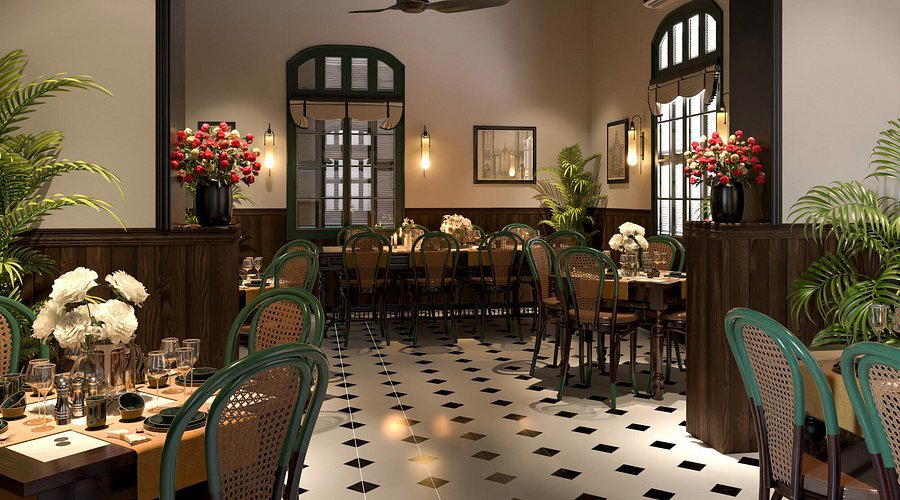
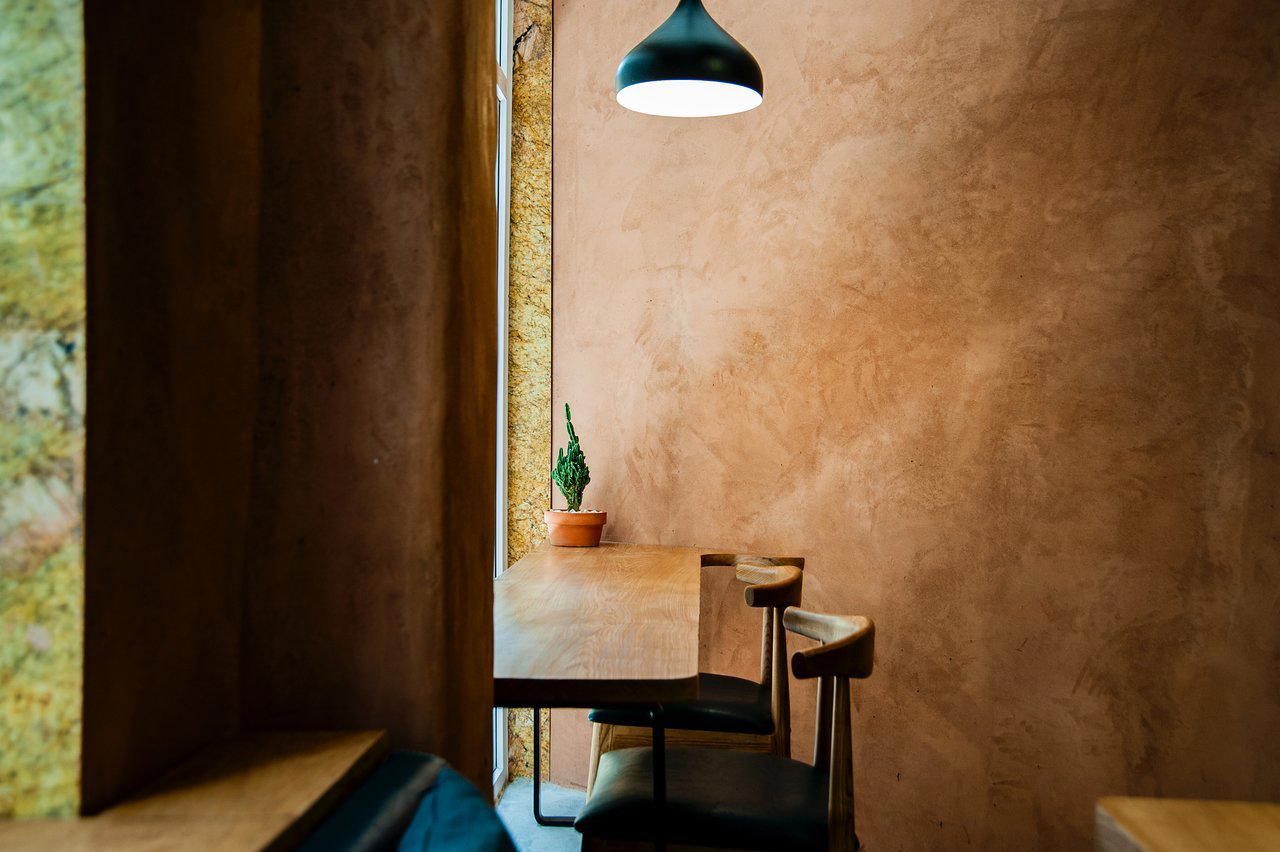
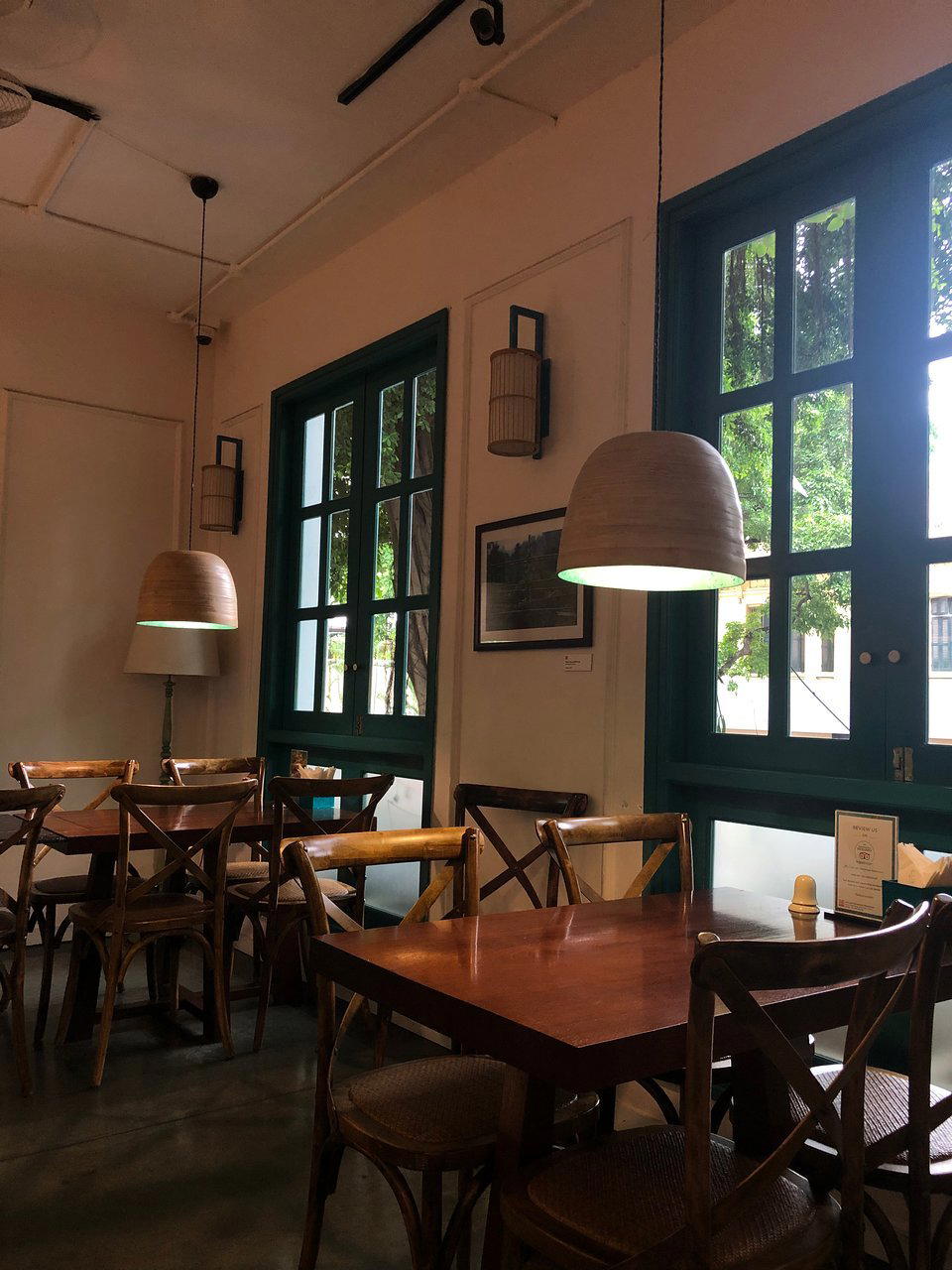
Bustling street-side eatery with simple tree-shaded seating, motorbike queues, and fast-paced local atmosphere.