Our verdict
Bien 14 Seafood Buffet Restaurant sits on the Bãi Cháy waterfront in Hạ Long, drawing from one of Vietnam's most productive fishing zones. The buffet format puts the Gulf of Tonkin's seasonal catch at the centre of the table, making it a practical entry point into the region's seafood tradition. For visitors touring Hạ Long Bay, the location connects the meal directly to the water it sources from.

Pearl is the En Primeur Club membership app, where members save venues, book tables and use the concierge.
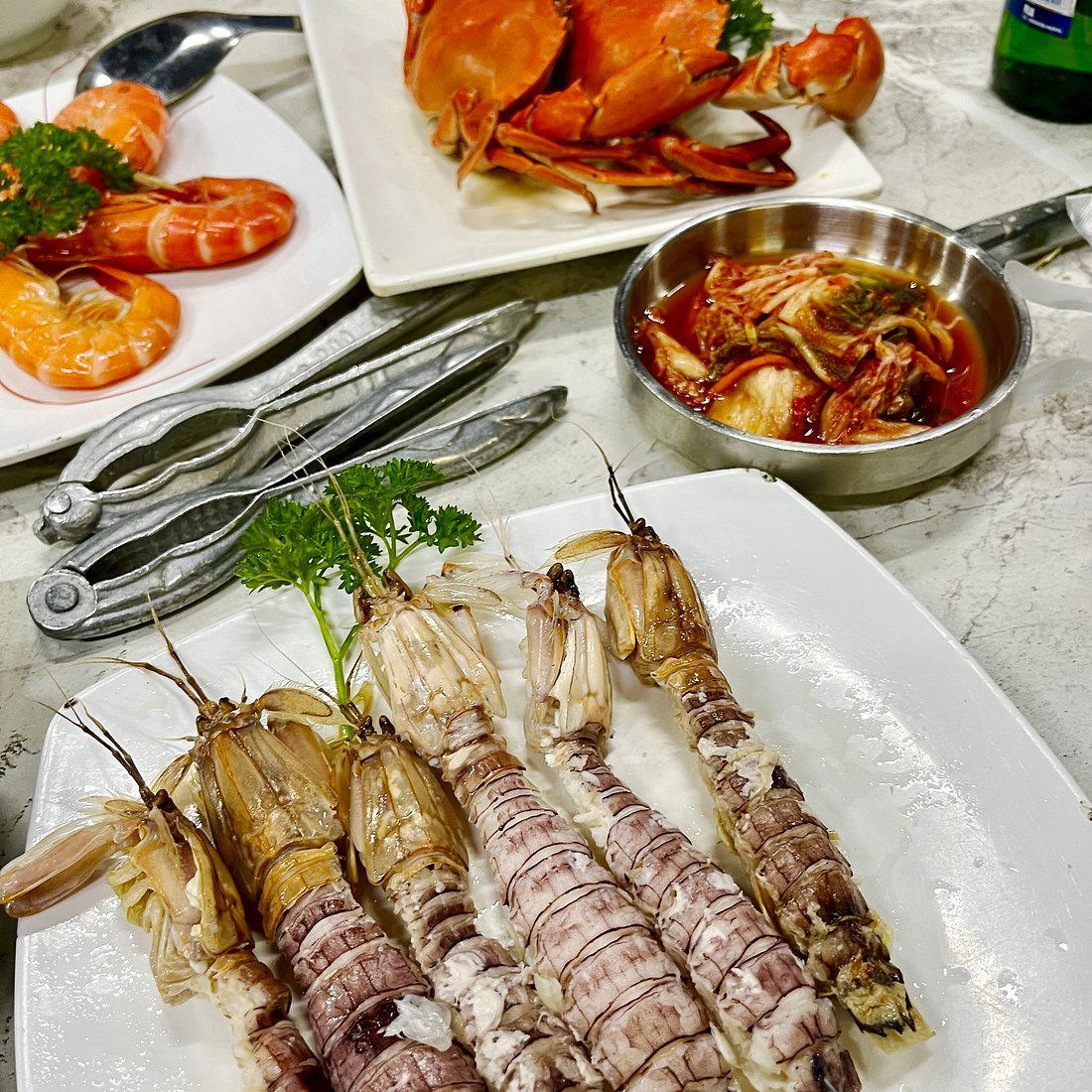
The menu
What to order
- Steamed seafood
- Hotpot
- Monster shrimp
- Crab
Eating by the Gulf: Seafood Buffets in Hạ Long Bay's Dining Scene
Few places in Vietnam make the argument for sourcing as plainly as the Bãi Cháy strip in Hạ Long. The Gulf of Tonkin, which carves the bay into the UNESCO-listed limestone formations that bring most visitors here in the first place, is also one of the country's most productive inshore fishing grounds. Squid, crab, clams, grouper, and mantis shrimp move through the market each morning, and the better buffet restaurants along this stretch build their spreads around whatever came off the boats that day. It is a supply chain compressed almost to zero: water, boat, market, table.
Bien 14 Seafood Buffet Restaurant, on N 18 Hạ Long in the Bãi Cháy district, sits inside that tradition. The buffet model, common across Hạ Long's mid-range dining tier, is not simply a convenience format, it functions as a daily referendum on what the Gulf is yielding. A spread that changes with the catch is, in practice, a form of seasonal menu, even if it doesn't announce itself that way.
What Bãi Cháy's Buffet Format Actually Represents
The seafood buffet is a dominant format along the Hạ Long waterfront, and it rewards some context. Unlike tasting menus or à la carte fish restaurants, where the kitchen curates a fixed sequence, the buffet places selection authority with the diner. That model works particularly well in a port-adjacent setting, where daily catch volumes vary and a kitchen needs flexibility to rotate proteins based on availability. It also suits the touring pattern of most Hạ Long visitors, who arrive by cruise or day boat with large, mixed-group itineraries and need a format that absorbs different preferences efficiently.
The risk, as with any high-volume seafood format, is in execution quality: shellfish held at incorrect temperatures, or crustaceans cooked hours before service, lose the clean brine character that makes Gulf of Tonkin produce worth eating. The Bãi Cháy restaurants that hold their reputation do so by tightening turnover and keeping live-holding tanks on site. The proximity to the source matters less if the kitchen doesn't manage the interval between water and plate.
For comparison, the premium end of Vietnamese seafood dining operates on entirely different terms. La Maison 1888 in Da Nang works within a formal French-Vietnamese structure, while Akuna in Ho Chi Minh City approaches coastal produce through a contemporary lens. Bien 14 operates at neither register, it belongs to the accessible, volume-friendly tier that makes Hạ Long's seafood tradition available to a broad visiting public rather than a narrow premium segment.
The Gulf of Tonkin as a Sourcing Context
Vietnam's northern coastline produces a distinct catch profile from the central and southern zones. The Gulf of Tonkin's cooler seasonal temperatures support species that don't appear further south in the same abundance: blood cockles, horseshoe crab, and varieties of mantis shrimp that are regionally specific. The fishing communities around Hạ Long and Cat Bà Island have sustained inshore and offshore operations for generations, and the wet markets in Bãi Cháy reflect that specialisation.
Restaurants like Bien 14 sit downstream of that supply chain. The buffet format, at its finest, functions as a showcase for what the northern Gulf produces, a chance to eat species and preparations that are geographically specific to this stretch of Vietnam's coast. Visitors who have eaten seafood in Da Nang or Ho Chi Minh City will find the northern catch profile genuinely different, not merely a regional variation of the same proteins. For context on how coastal dining plays out elsewhere along the Vietnamese seaboard, Phuong Nhung Restaurant in Cat Hai, on the island directly offshore from Hạ Long, offers a smaller-format comparison in the same sourcing zone.
Hạ Long's Dining Tier and Where Bien 14 Sits
Hạ Long's restaurant scene divides into three broad tiers: cruise-boat dining (captive audiences, variable quality), waterfront buffet houses aimed at day-trippers and tour groups, and a smaller set of sit-down restaurants that operate on à la carte menus with more controlled pacing. Bien 14 belongs to the second tier, which is the dominant format for independent travellers and those on short overland visits from Hanoi.
That tier is not without competition. The Bãi Cháy strip runs several comparable operations, and differentiation is often driven by location, tank-to-table freshness, and group capacity rather than culinary distinction. Visitors who want more curated Vietnamese dining in the north should look at Gia in Hanoi, which works within a refined modern Vietnamese register, or Le Pont Club in Hai Phong, a coastal city two hours west with its own distinct seafood tradition. Within Hạ Long itself, BRUNCH and Indian Master Food Halal Restaurant occupy different culinary registers entirely, and Nhà Hàng Hồi Chay provides a vegetarian alternative for those avoiding seafood. See our full Hao Long restaurants guide for a broader view of the city's eating options.
Further afield, the Vietnamese coast offers reference points across every price tier: Cargo Club Cafe & Restaurant in Hoi An, Saffron in Hue City, Bau Troi Do in Son Tra, Mi Quang Ba Vi in Thanh Khe, Duyên Anh Restaurant in Phu Vang, Nhà hàng Madame Lân in Hai Chau, and Phước Hòa 5 in Cam Le each reflect how Vietnamese coastal cuisine shifts register by region and format. For international benchmarks on seafood-first dining, Le Bernardin in New York City and Lazy Bear in San Francisco illustrate how far the format spectrum extends.
Planning a Visit
Bien 14 Seafood Buffet Restaurant is located at N 18 Hạ Long in the Bãi Cháy district of Hạ Long city, Quảng Ninh province. Bãi Cháy is the commercial and tourist-facing side of Hạ Long, separated from the older Hòn Gai district by the bay. Most visitors arriving from Hanoi by road or bus will enter via this side of the city, making the location direct to reach without additional transit. Current hours, pricing, and booking availability are best confirmed directly with the restaurant, as operational details for Bãi Cháy venues shift with seasonal tourism patterns, particularly between the peak spring-summer bay season and the cooler, quieter months of November through February.
Frequently asked questions
Would Bien 14 Seafood Buffet Restaurant be comfortable with kids?
The buffet format at Bãi Cháy restaurants generally suits families well: children can pick what they want, portions are self-directed, and there is no fixed-course pacing to work around. Bien 14 sits in the commercial Bãi Cháy district of Hạ Long, where waterfront dining is oriented toward group visits rather than intimate couples-only settings. That said, confirm current seating arrangements directly before arriving with young children, as specifics are not published online.
Is Bien 14 Seafood Buffet Restaurant better for a quiet night or a lively one?
Bãi Cháy's waterfront buffet houses, including Bien 14 at N 18 Hạ Long, run at volume, these are high-turnover rooms built for groups, tour parties, and large family gatherings rather than intimate dinners. Expect a busy room with background noise levels that match the format. If a quieter meal is the priority, the Bãi Cháy strip is not the right neighbourhood, regardless of which restaurant you choose.
How does eating at a Bãi Cháy seafood buffet like Bien 14 differ from dining on a Hạ Long Bay cruise?
Cruise-boat dining in Hạ Long operates on a captive-audience model: set menus, fixed timing, and pricing bundled into the tour package. A Bãi Cháy land-based buffet at an address like N 18 Hạ Long puts the choice back with the diner, you select from the spread at your own pace and are not committed to a tour operator's schedule or markup. For travellers staying in Hạ Long city rather than overnighting on the water, the Bãi Cháy strip represents the primary alternative for Gulf of Tonkin seafood at the table.
What's the signature dish at Bien 14 Seafood Buffet Restaurant?
In the context of Bãi Cháy seafood buffets, the Gulf of Tonkin catch typically drives the spread: expect crab, clams, prawns, and fish drawn from Vietnam's northern coastal waters, whose cooler seasonal temperatures produce a distinct catch profile from central and southern Vietnamese seafood. Verify the current selection with the restaurant directly before visiting.
What's Bien 14 Seafood Buffet Restaurant's location?
Bien 14 Seafood Buffet Restaurant is located at N 18 Hạ Long, Bãi Cháy, Hạ Long, Quảng Ninh 01119, Vietnam, Hao Long.
At-a-Glance Comparison
Comparable venues nearby, for context on price, style, and recognition.
| Venue | Cuisine | Price | Awards | Notes |
|---|---|---|---|---|
| Bien 14 Seafood Buffet RestaurantThis venue (the venue you are viewing) | Vietnamese Seafood Buffet | $10–20 | Not listed | Not listed |
| BRUNCH | Seafood Brunch | $10–20 | Not listed | Bai Chay |
| Nhà Hàng Hồi Chay | Modern Vietnamese Vegetarian | $10–20 | Not listed | Hong Hai |
| Indian Master Food Halal Restaurant | Halal Indian | $10–20 | Not listed | Bai Chay |
| Phở 10 Lý Quốc Sư | Authentic Northern Vietnamese Pho | $1–10 | Michelin Bib Gourmand | Hoan Kiem |
| Bun Cha Dac Kim | Traditional Hanoi Bun Cha | $1–10 | Not listed | Hoan Kiem |
Continue exploring
More in Ha Long
Restaurants in Ha Long
All restaurants in Ha Long →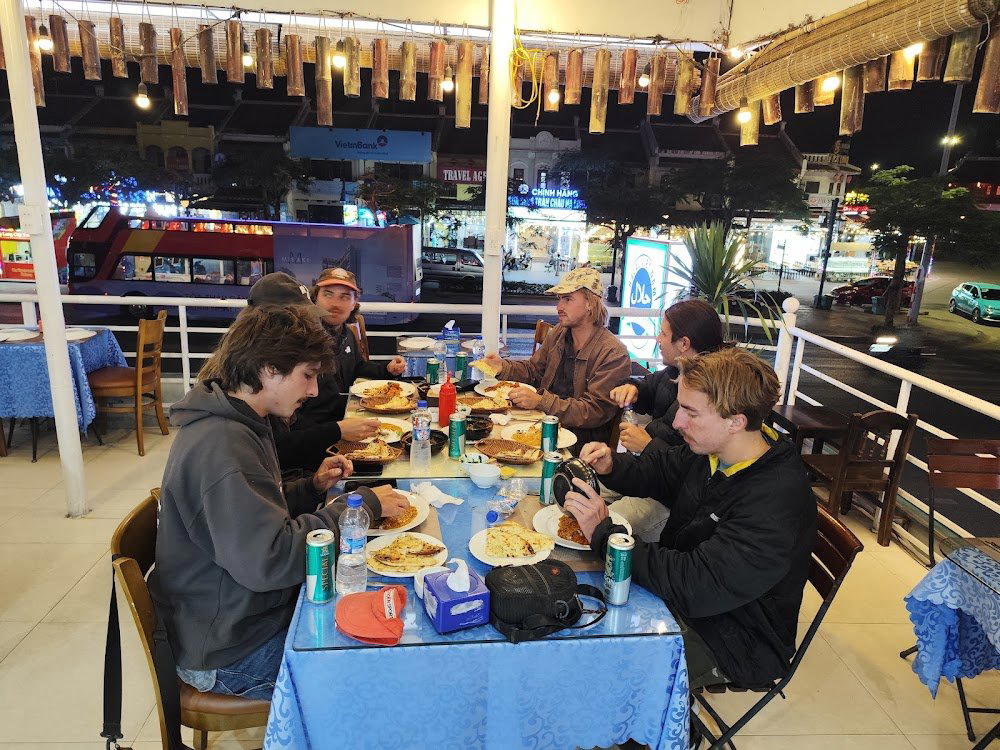
Details
- Lively
- Casual
- Group Dining
- Casual Hangout
- Family
- Sustainable Seafood
- Buffet
- Pescatarian Friendly
Current opening hours
- Monday
- 10:30 AM–11 PM
- Tuesday
- 10:30 AM–11 PM
- Wednesday
- 10:30 AM–11 PM
- Thursday
- 10:30 AM–11 PM
- Friday
- 10:30 AM–11 PM
- Saturday
- 10:30 AM–11 PM
- Sunday
- 10:30 AM–11 PM
Hours can change for holidays and private events. Hours as of .
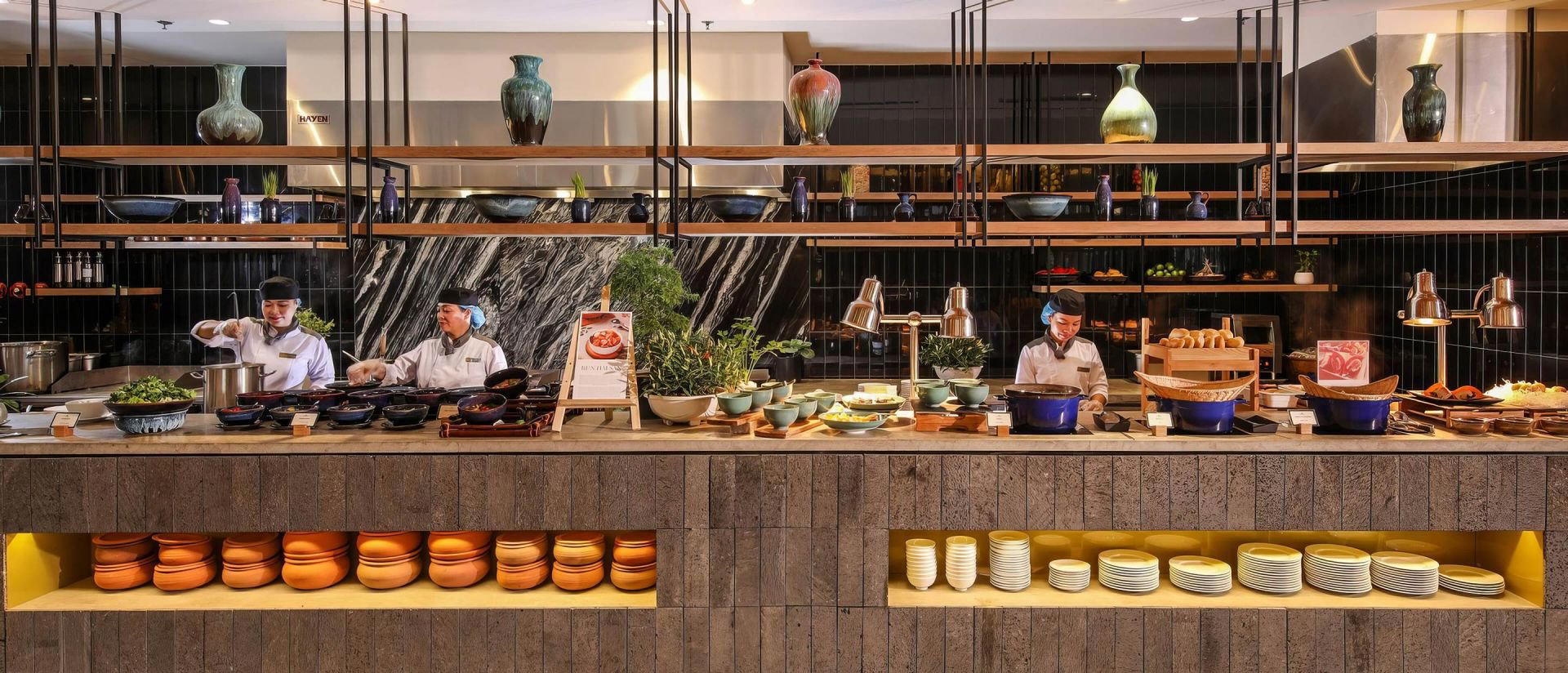
Casual, bustling buffet atmosphere with bright lighting and energetic dining environment