

Michelin Plate · Star Wine List
Our verdict
ITO on Antwerpener Strasse brings Japanese culinary discipline to Cologne's Belgian Quarter, offering a menu that moves between traditional and contemporary preparations of sashimi, sushi, fish, and meat. Chef Kengo Nashimi holds a 2025 Michelin Plate, signalling consistent kitchen standards at a mid-range price point. For Japanese cuisine in Cologne, ITO sits at the more serious end of the category.

Pearl is the En Primeur Club membership app — saves, bookings, and concierge access live there. Same editors, same standards.
- Address
- Antwerpener Str. 15, 50672 Köln, Germany
- Phone
- +49 221 3557327
- Hours
- Mon ClosedTue 6:30–9:30 PMWed–Fri 12–2 PM, 6:30–9:30 PMSat 6:30–9:30 PMSun Closed
- Website
- ito-restaurant.de
- Directions
- Get directions
- Booking
- Book on OpenTable
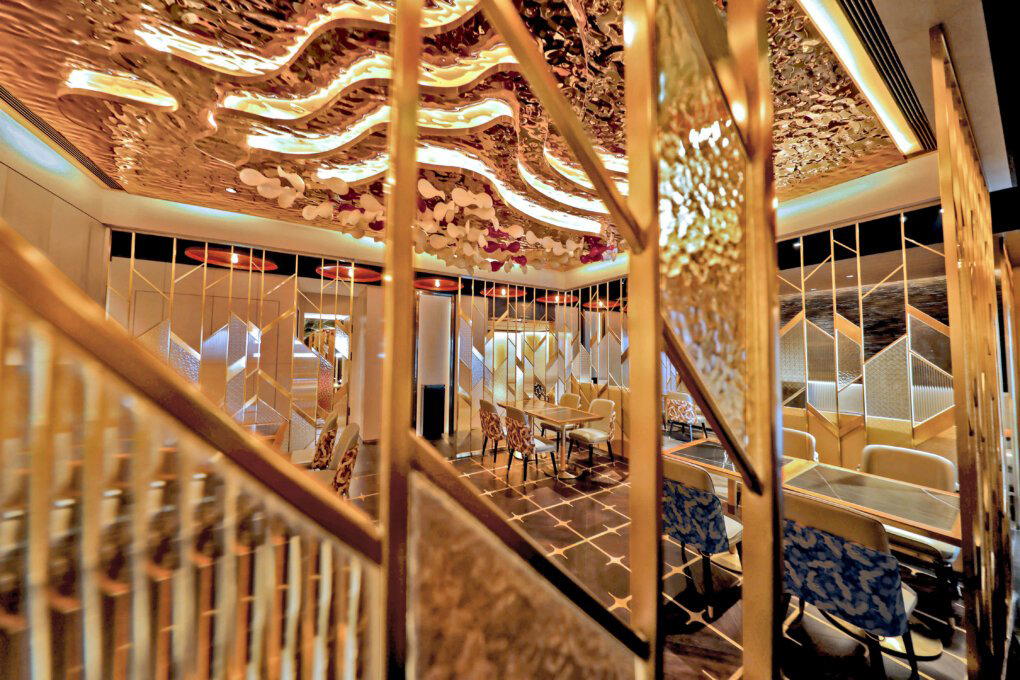
Where Japanese Discipline Meets a Cologne Side Street
The Belgian Quarter has become one of Cologne's most consistent dining neighbourhoods, a stretch of low-key streets west of the city centre where independent restaurants operate without the tourist-trade pressure of the Old Town. Antwerpener Strasse, where ITO occupies number 15, runs through the quieter northern end of that area. The approach is residential and unhurried, a setting that suits a restaurant whose cooking rewards attention rather than spectacle.
Japanese restaurants in German cities occupy a complicated position. The category spans everything from fast-casual sushi conveyor belts to serious omakase counters, and the gap between those poles is rarely obvious from the outside. ITO positions itself somewhere in the more considered middle register, holding a 2025 Michelin Plate — a recognition that denotes consistently good cooking without the full star apparatus — and operating at a €€ price point that keeps it accessible relative to Cologne's starred dining tier. For context, the city's Michelin-starred restaurants, including Ox & Klee at two stars and La Cuisine Rademacher at one star, operate in the €€€€ bracket. ITO's recognition at a fraction of that price signals a kitchen that is doing more than the entry-level Japanese category requires.
The Culinary Roots Behind the Menu
Japanese cuisine's philosophical core, the idea that the cook's primary obligation is to the ingredient, shapes ITO's menu in ways that distinguish it from fusion-oriented Japanese restaurants that have proliferated across European cities over the past decade. The menu here works across sashimi, sushi, fish, and meat preparations, spanning both traditional and more contemporary formats. That dual approach reflects a wider pattern in serious Japanese kitchens outside Japan: chefs trained in foundational techniques who adapt presentation and pairing to local contexts without abandoning the underlying discipline.
Sashimi is, in this tradition, the clearest test of a kitchen's seriousness. The fish must be sourced with precision, handled correctly, and served without decoration that masks rather than complements. The same logic extends to sushi, where the balance of rice seasoning, fish temperature, and pressure applied in forming each piece can either cohere or fall apart. Chef Kengo Nashimi, who leads the kitchen at ITO, spent years building those foundations before arriving in Cologne. His training shapes what appears on the plate, even when the format is contemporary rather than classical.
The meat preparations on the menu indicate a kitchen willing to work across Japanese culinary registers rather than defaulting to a single specialisation. Some of the most technically demanding Japanese dishes outside the sushi and sashimi canon involve precise temperature control, seasoning restraint, and an understanding of how Western cuts of protein interact with Japanese preparation methods. That breadth, executed consistently, is what Michelin's Plate recognition is designed to acknowledge.
ITO in the Context of Cologne's Japanese Dining Scene
Cologne's Japanese restaurant options are spread across price points and formats. ZEN Japanese Restaurant occupies a similar €€ tier, while Appare represents another point on the local spectrum. ITO's Michelin Plate separates it from restaurants in the same price range that have not attracted that level of formal recognition.
For travellers already familiar with Japanese cuisine at higher levels, the frame of reference matters. The gap between a Michelin Plate restaurant in a mid-sized German city and the omakase counters of Tokyo's Ginza or Azabu districts is real and should be acknowledged. If you have recently eaten at Myojaku or Azabu Kadowaki, ITO will read differently than if you are approaching Japanese cuisine primarily through European exposure. Within Cologne's dining context, however, it represents a serious choice at an accessible price, occupying a different competitive tier than the city's French-influenced fine dining at venues like La Société.
Germany's broader Michelin-recognised Japanese dining scene includes standout cases: the precision-led kaiseki-influenced work at high-end counters and the increasing seriousness with which German diners have engaged Japanese cuisine over the past decade. Restaurants like JAN in Munich, Aqua in Wolfsburg, and Schwarzwaldstube in Baiersbronn define the upper end of formally recognised dining in Germany, while venues like CODA Dessert Dining in Berlin and ES:SENZ in Grassau illustrate how specialist formats earn recognition. ITO's Plate sits within that broader ecosystem as evidence that Japanese cuisine in Cologne has moved past the generic phase. Vendôme in Bergisch Gladbach, just outside the city, further anchors the wider regional dining credibility.
Planning Your Visit
ITO is at Antwerpener Str. 15, 50672 Köln, in the Belgian Quarter. The €€ price point means a full meal for two with drinks will come in well below what Cologne's starred restaurants charge, making it one of the more accessible serious dining options in the city., which for a mid-range Japanese restaurant in a German city represents sustained, consistent approval rather than the narrower base that inflates scores at newer openings. Booking ahead is advisable, particularly for weekend evenings when the Belgian Quarter draws diners from across Cologne.
For those building a fuller Cologne itinerary, our full Cologne restaurants guide covers the city's dining range in depth. The city's hospitality infrastructure, covered in our Cologne hotels guide, and its bar scene, mapped in the Cologne bars guide, complete the picture for a multi-day visit. For wine and drinks beyond the bar circuit, the Cologne wineries guide and Cologne experiences guide offer further options.
Frequently asked questions
Is ITO more mid-range or high-end?
Pricing at ITO is listed as €€.
How far ahead should I plan for ITO?
A Michelin Plate recognition in 2025 at an accessible €€ price point in the Belgian Quarter means Friday and Saturday tables fill reliably. Booking three to five days ahead for weekday visits and at least a week out for weekends is a reasonable baseline. Walk-ins may find seats at the counter on slower midweek evenings, but it is not a reliable strategy.
What is ITO known for?
ITO is known for Japanese cooking that spans traditional and contemporary formats, with sashimi, sushi, fish, and meat preparations at the centre of the menu. The restaurant earned a Michelin Plate in 2025, placing it among Cologne's recognised Japanese addresses. Chef Kengo Nashimi, who trained extensively in Japan, leads the kitchen at Antwerpener Str. 15 in the Belgian Quarter.
City Peers
| Venue | Cuisine | Price | Awards | Notes |
|---|---|---|---|---|
| ITOThis venue — the venue you are viewing | Modern Japanese Omakase | $100–150 | Michelin Plate · Star Wine List | Not listed |
| maximilian lorenz | Modern German Fine Dining | $200–300 | 1 Michelin Star | French Brasserie, Modern Cuisine |
| NeoBiota | Modern European Fine Dining | Not listed | 1 Michelin Star | Modern German, Modern Cuisine |
| ZEN Japanese Restaurant | Modern Japanese Omakase & Sushi | $30–50 | Michelin Plate | Japanese |
| Ox & Klee | Modern European Fine Dining with Six-Sense Concept | $200–300 | 2 Michelin Stars · La Liste Top Restaurants | Modern Cuisine |
| La Cuisine Rademacher | Modern French Fine Dining | $150–200 | 1 Michelin Star | Modern French |
Recognition history
Dated appearances from independent guides and award organizations, with the underlying list record or original source where available.
Michelin Plate
Michelin
Star Wine List
Star Wine List
Full recognition history (3 entries)
Michelin Plate
Michelin
Continue exploring
More in Cologne
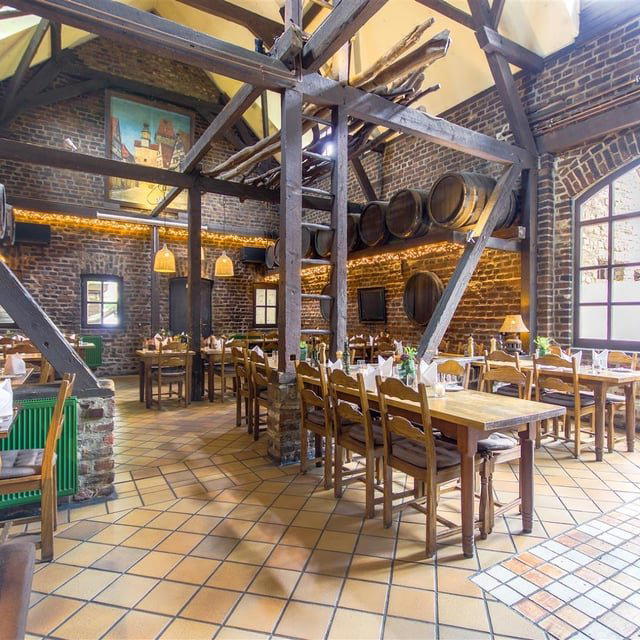
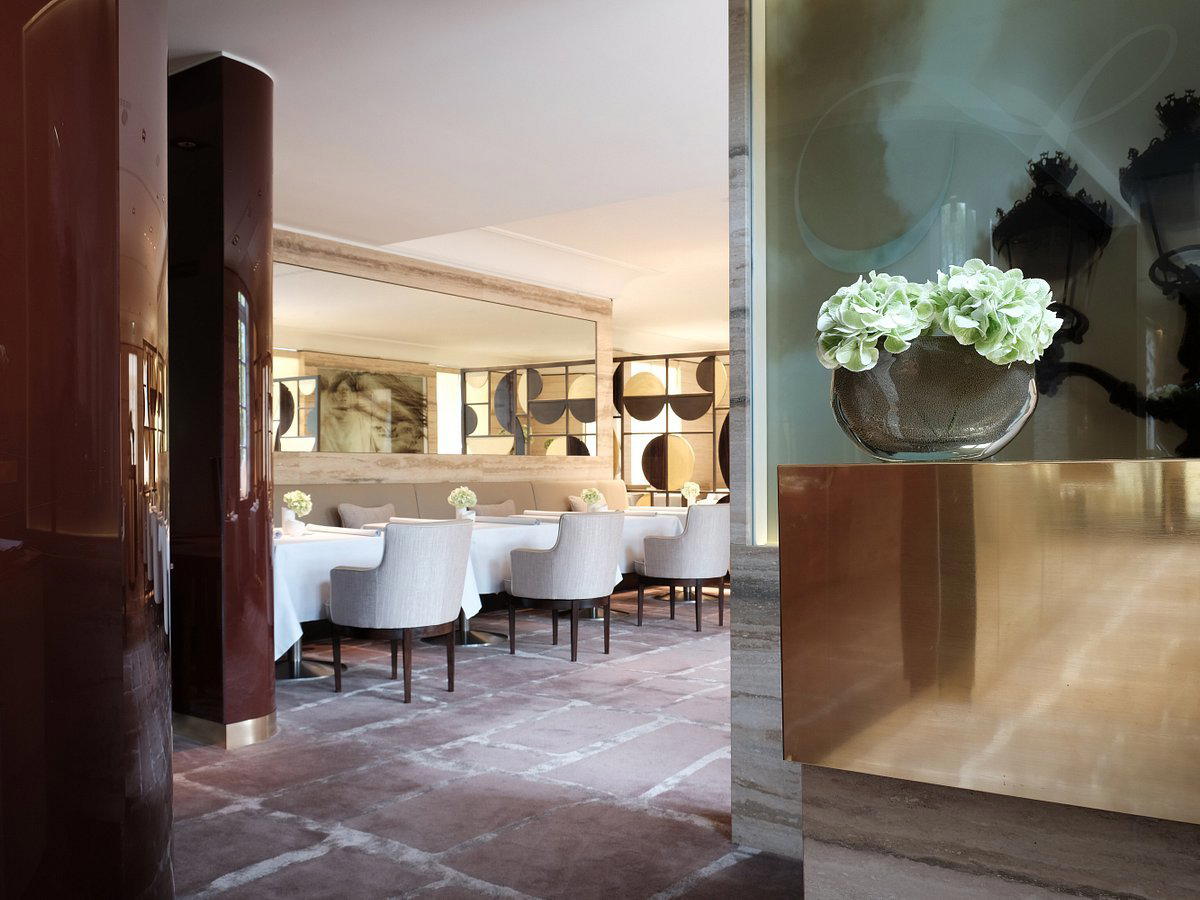
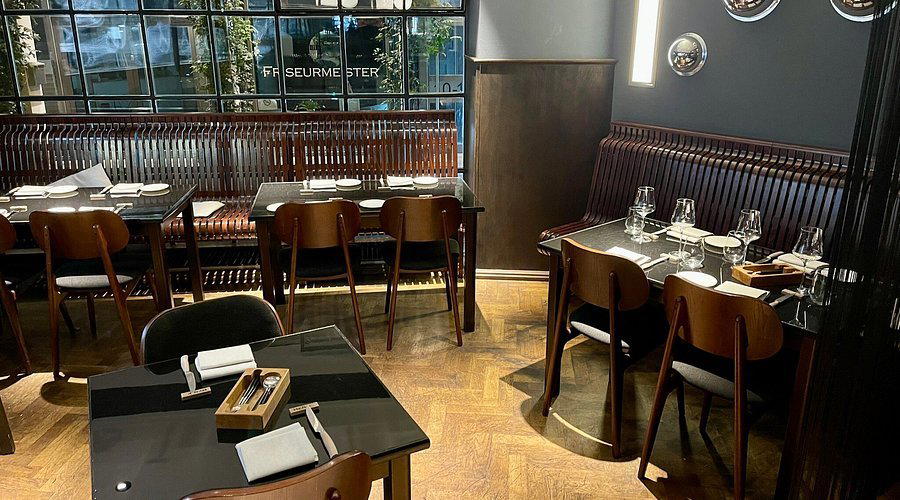
Restaurants in Cologne
Browse all →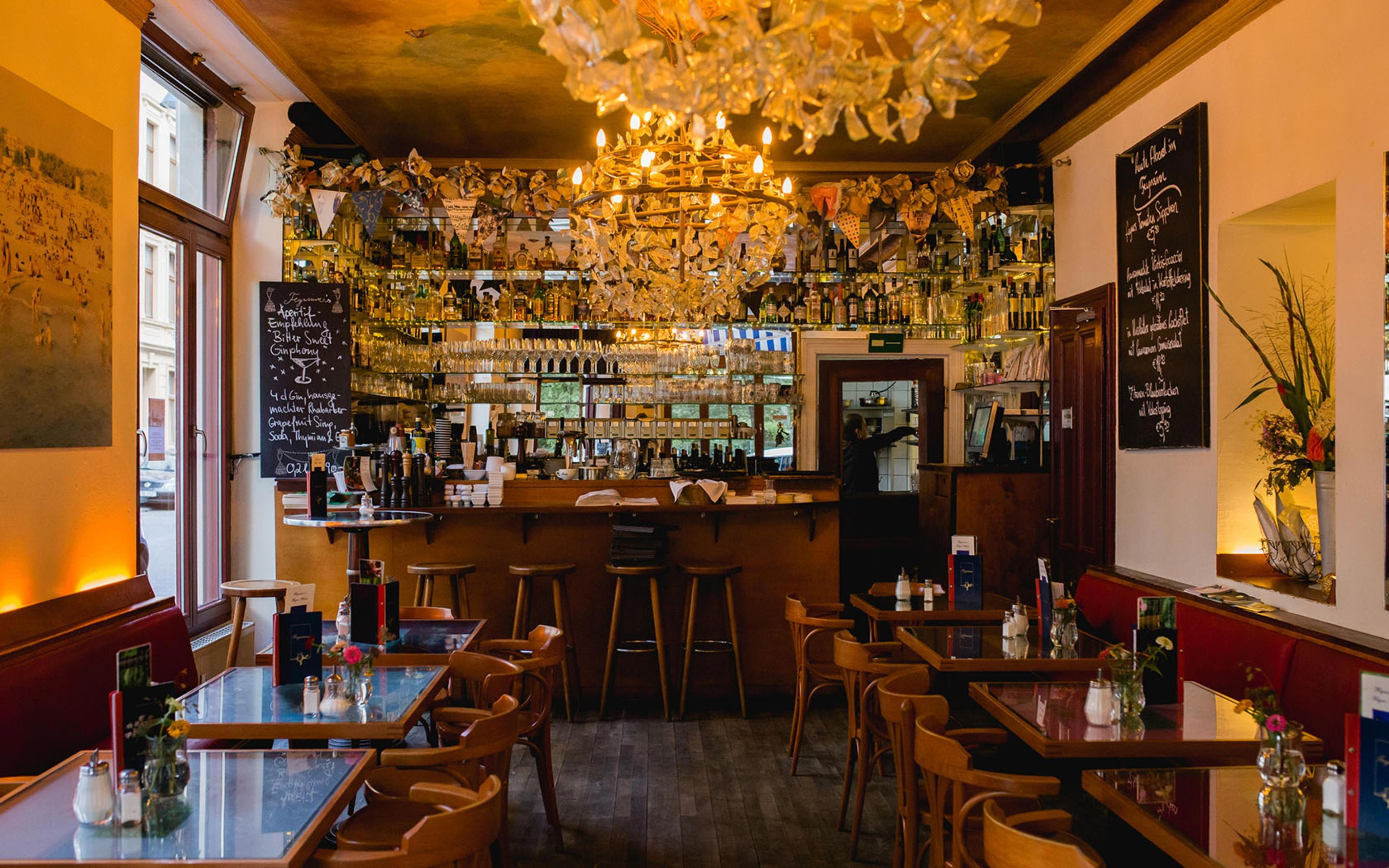
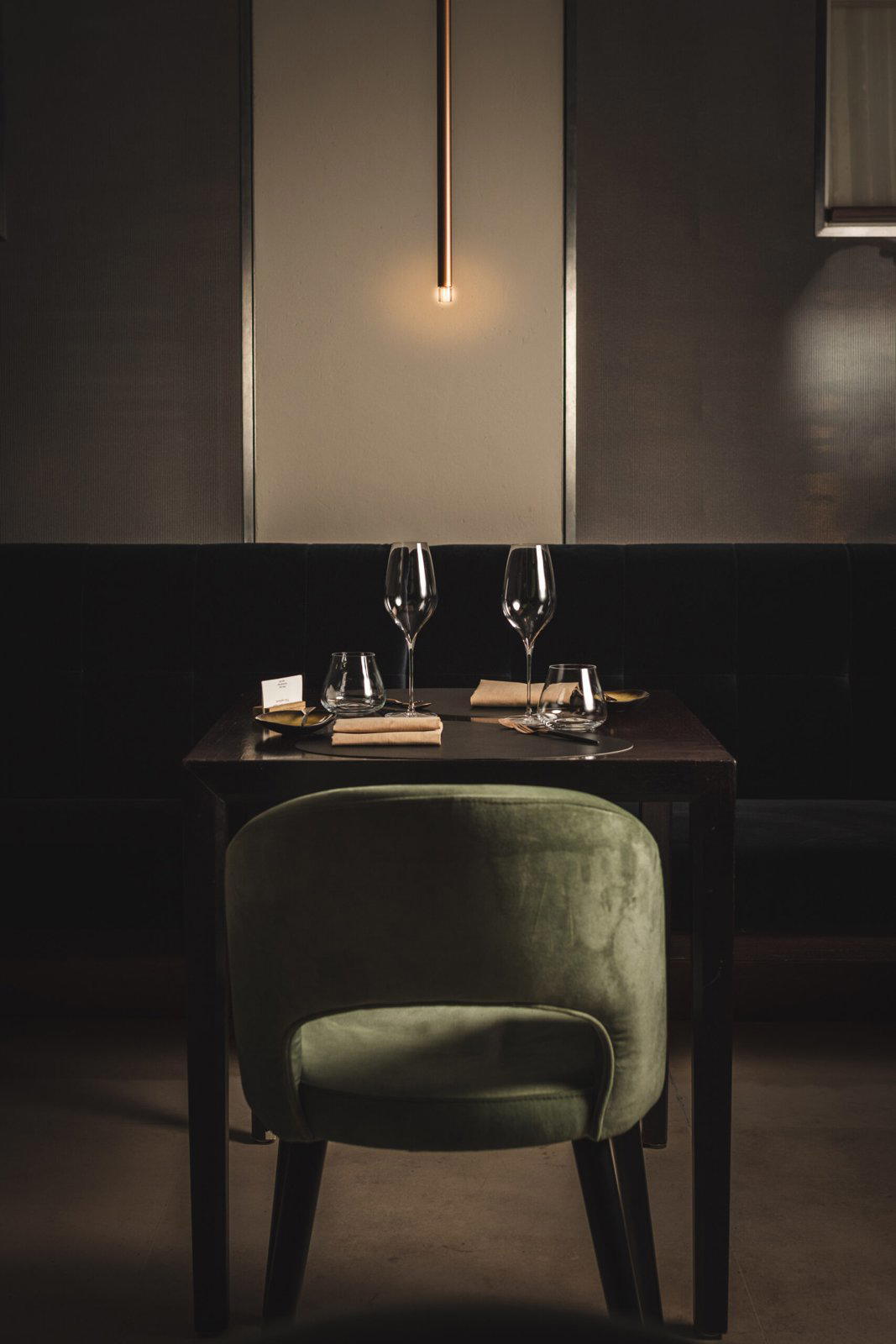
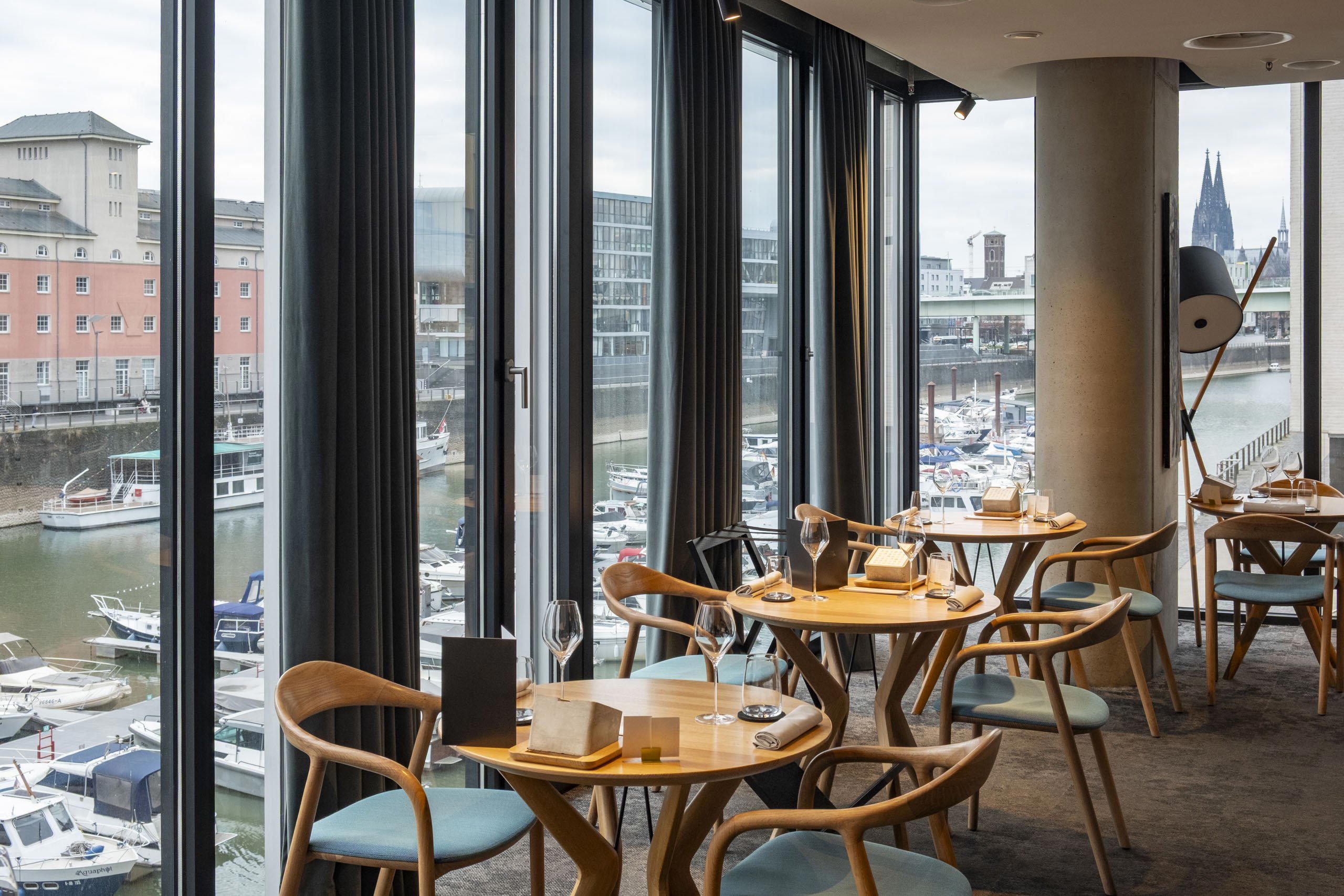
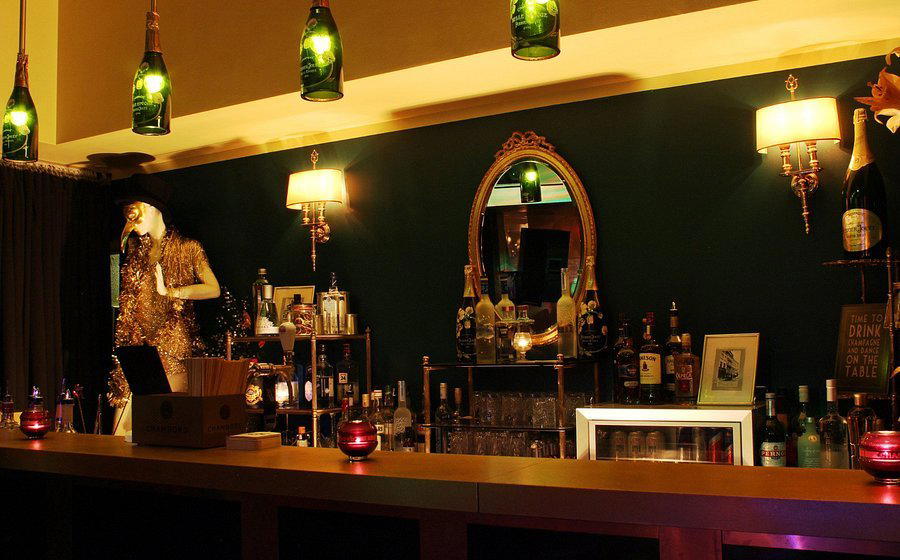
Bars in Cologne
Browse all →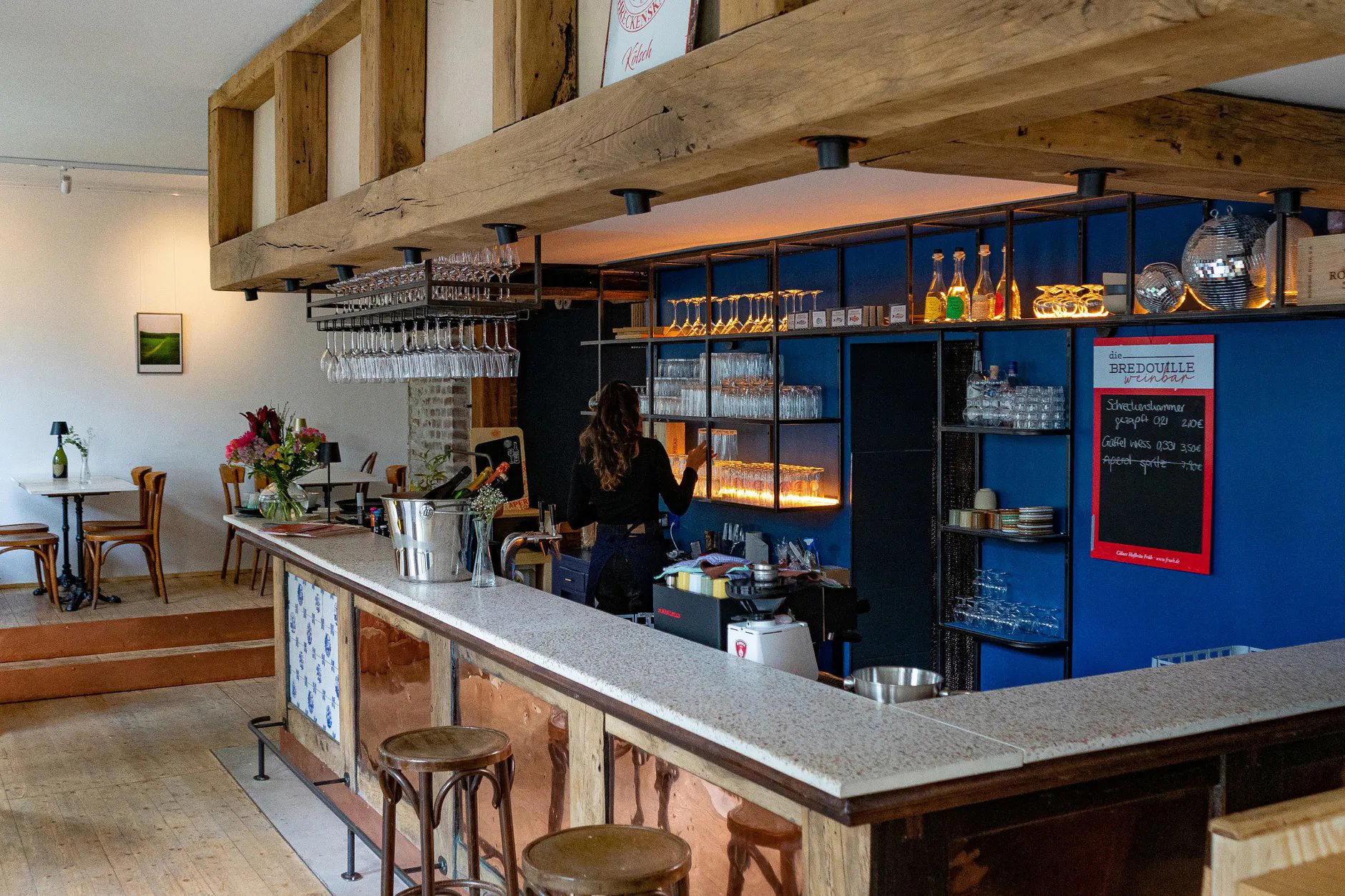
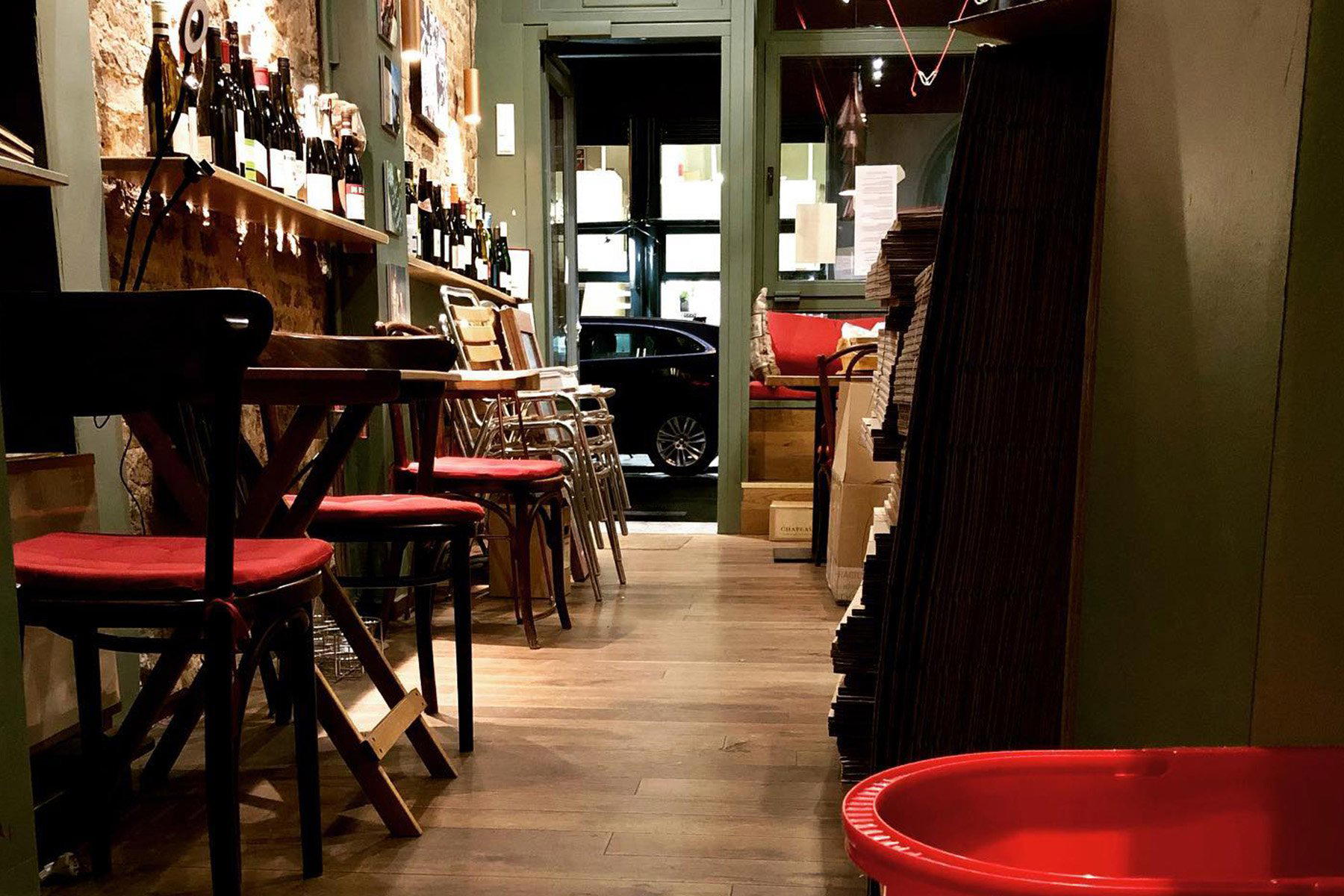

Hotels in Cologne
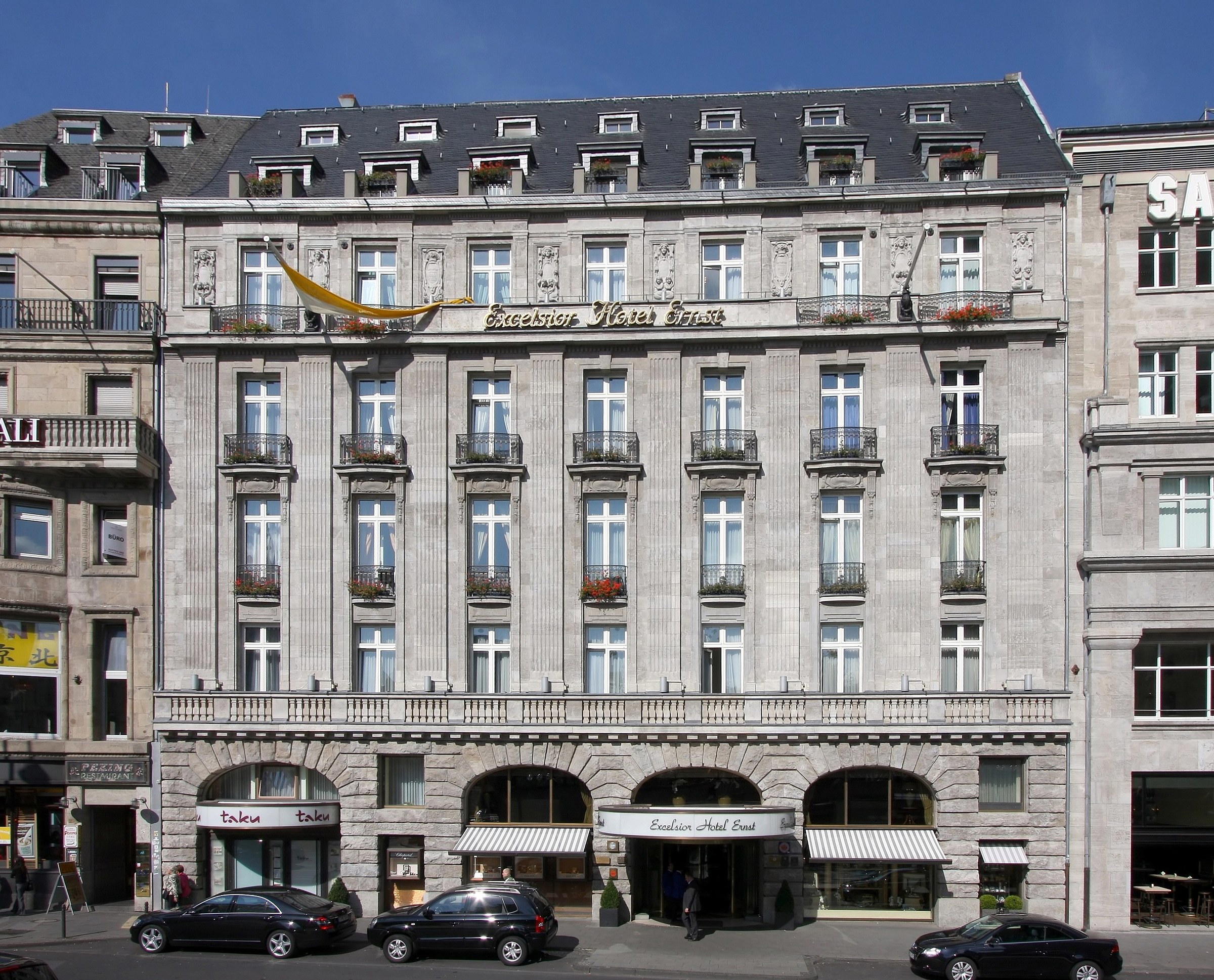
Browse all →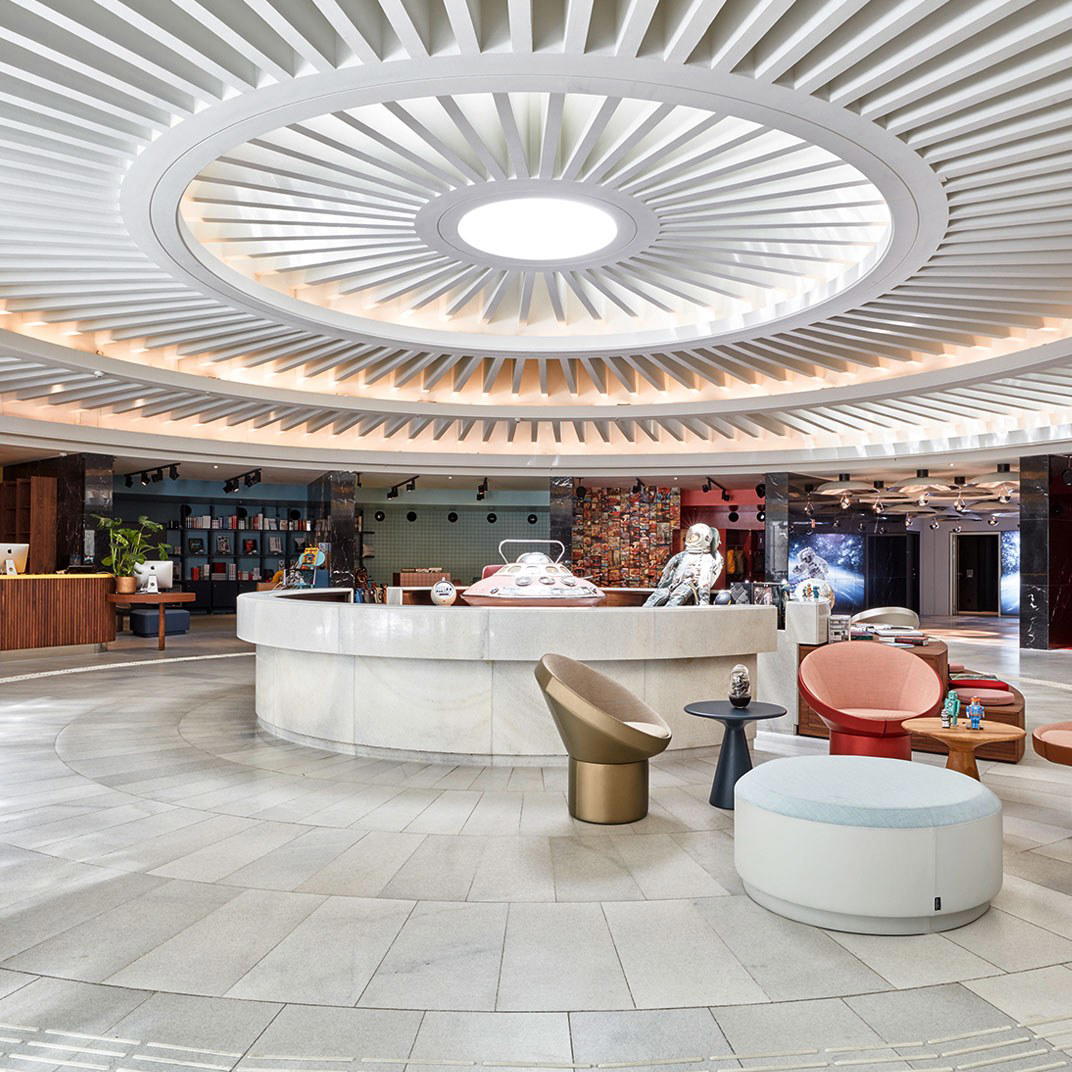


Details
- Intimate
- Elegant
- Modern
- Quiet
- Sophisticated
- Date Night
- Special Occasion
- Business Dinner
- Chefs Counter
- Open Kitchen
- Extensive Wine List
- Omakase
- A La Carte
- Vegetarian Friendly
Current opening hours
- Monday
- Closed
- Tuesday
- 6:30–9:30 PM
- Wednesday
- 12–2 PM, 6:30–9:30 PM
- Thursday
- 12–2 PM, 6:30–9:30 PM
- Friday
- 12–2 PM, 6:30–9:30 PM
- Saturday
- 6:30–9:30 PM
- Sunday
- Closed
Hours can change for holidays and private events. Last verified .
Intimate and softly lit with a hushed, refined atmosphere reminiscent of high-class Parisian restaurants, featuring a sushi counter for watching the chef's precise work.