
Michelin Plate
Our verdict
Appare has held a Michelin Plate in both 2024 and 2025, making it one of Cologne's most consistently recognised Japanese kitchens at the accessible end of the price spectrum. Situated on Balduinstraße in the Innenstadt, it draws a loyal local crowd alongside visitors comparing its approach to the city's broader Japanese dining scene.

Pearl is the En Primeur Club membership app — saves, bookings, and concierge access live there. Same editors, same standards.
- Address
- Balduinstraße 10, 50676 Köln, Germany
- Phone
- +49 221 27069058
- Hours
- Daily Closed
- Website
- appare.de
- Directions
- Get directions
- Booking
- Book on the venue's website
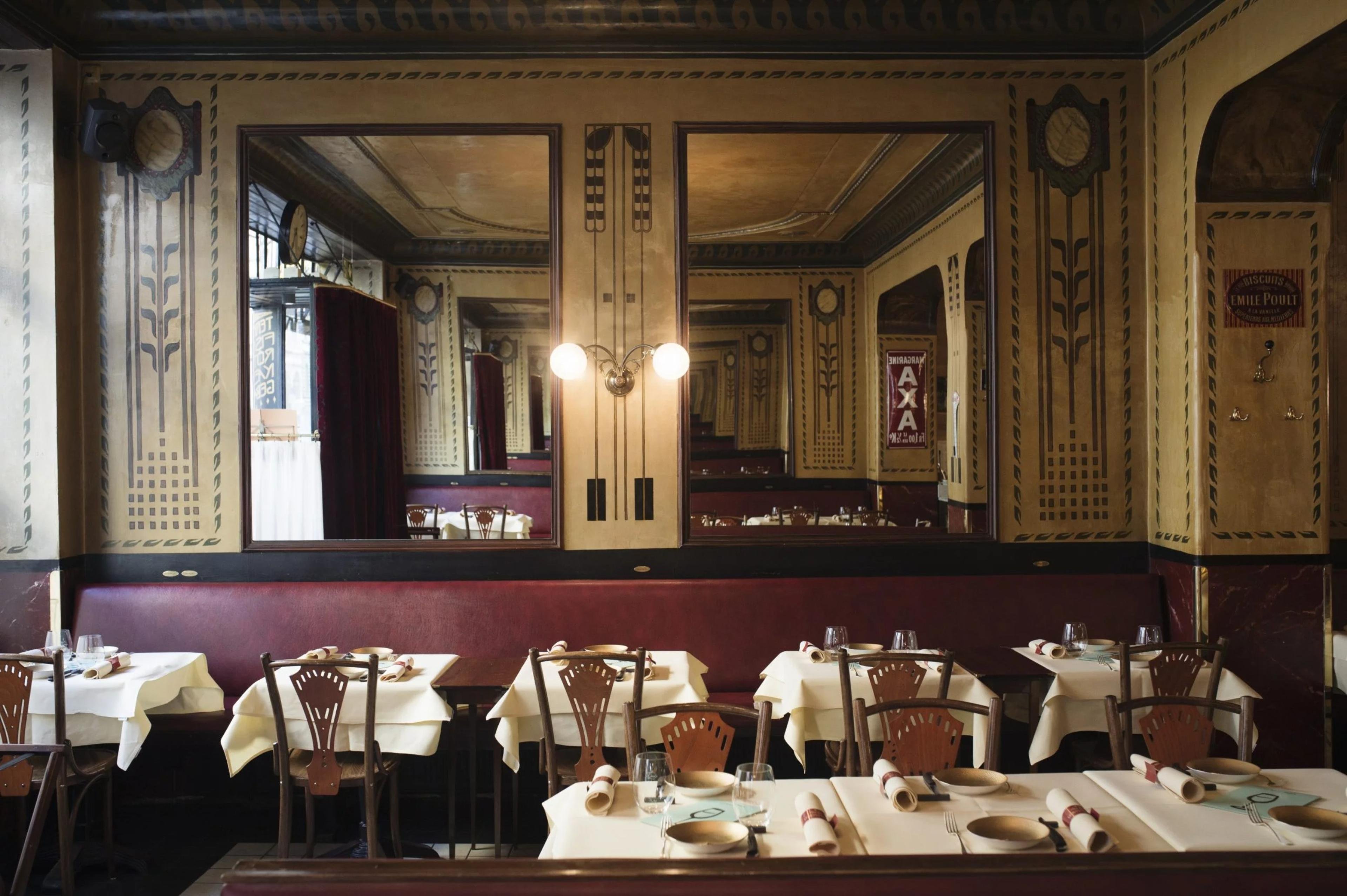
Japanese Cooking in Cologne: Where Regional Tradition Meets a German Dining Room
Balduinstraße, a quiet residential street in Cologne's Innenstadt south, is not where most visitors expect to find one of the city's more formally recognised Japanese kitchens. The neighbourhood sits a short walk from the Rhine promenade but carries none of the tourist traffic of the cathedral quarter. That distance from the obvious footfall is part of what shapes the experience at Appare: the room fills with people who came specifically for the food, not because they wandered past.
Japanese cuisine in Germany has followed a familiar arc over the past two decades. The first generation of restaurants in cities like Cologne leaned heavily on pan-Asian menus, offering sushi alongside Thai and Korean dishes under one roof. The second generation narrowed the focus, bringing more disciplined technique and a clearer sense of Japanese regional identity. Appare sits in that second generation: a kitchen operating within a defined Japanese idiom, recognised by the Michelin Guide with a Plate award in both 2024 and 2025, and priced in the €€ bracket that makes serious Japanese cooking accessible without the ceremony of a tasting counter.
Kansai, Kanto, and What Either Means on a German Menu
The regional distinction that defines Japanese cooking at its most serious level is the divide between Kansai (the Osaka–Kyoto axis) and Kanto (the Tokyo tradition). Kansai cooking favours lighter dashi, cleaner broths, and a tendency to let ingredient quality carry the dish rather than seasoning. Kanto cooking runs sweeter and richer in its base sauces, with the soy-forward profile that most of the world associates with Japanese food. Both traditions have filtered into serious Japanese restaurants outside Japan, and the better kitchens operating in European cities tend to align more clearly with one or the other rather than splitting the difference.
In practice, that alignment shows up in the small decisions: whether the dashi base reads as kelp-forward or bonito-forward, whether the miso leaning is white or red, whether the seasoning of grilled proteins favours salt or tare. For the diner, those choices add up to a coherent point of view rather than a menu assembled from Japanese greatest hits. Appare's consistent Michelin recognition over consecutive years suggests the kitchen is making those decisions with enough discipline to register with inspectors operating against European benchmarks for Japanese cuisine. Comparable Japanese restaurants at this price tier in the same city, including ZEN Japanese Restaurant, share the €€ bracket but the recurring Michelin Plate is a differentiating signal in Appare's case.
The Consistency Question: Two Years, Same Answer
A single Michelin Plate tells you a kitchen is cooking at a standard the Guide considers worth acknowledging. Two consecutive Plates, in 2024 and then again in 2025, tell you the kitchen is doing it consistently, which is a harder thing to maintain. Consistency matters more in Japanese cooking than in almost any other tradition because the cuisine's precision-oriented techniques leave less room for creative pivoting when seasonal supply or staffing shifts. A sashimi or nigiri preparation that reads well in January needs to read the same way in July, and that requires both reliable sourcing and disciplined execution over time.
A venue with that score from a meaningful sample size has not had a run of outlier good nights; it has maintained a standard across enough covers to produce consensus. At the €€ price point, that kind of rating is harder to build than at the higher end, where the margin for error is wider and the clientele more accustomed to giving benefit of the doubt.
For context within Cologne's broader Michelin-recognised dining scene: the city also has two-starred Ox & Klee and one-starred La Cuisine Rademacher and La Société operating at the €€€€ level. Appare occupies a different tier entirely, demonstrating that formal recognition from the Guide does not require a budget calibrated to fine dining price points.
Japanese Dining in Germany: The Broader Frame
Germany has developed a credible Japanese restaurant culture in its larger cities, with Frankfurt, Munich, and Berlin all housing kitchens that hold their own against European peers. Cologne's Japanese dining scene is smaller but cohesive, anchored by a handful of venues with clear identities. ITO represents another reference point in the city's Japanese offer. Across Germany, the standard for serious Japanese cooking is set partly by comparison to what visitors encounter in Tokyo: venues like Myojaku and Azabu Kadowaki establish the benchmark against which any diaspora kitchen is implicitly measured. The better European Japanese restaurants have moved toward tighter alignment with source techniques rather than adaptation for local palates, and the Michelin Plate is one of the cleaner signals that a kitchen is operating in that spirit.
Germany's fine dining scene more broadly, from Aqua in Wolfsburg to JAN in Munich and Schwarzwaldstube in Baiersbronn, operates with a level of technical seriousness that raises the floor for any kitchen competing for attention in the same market. Even at €€ price points, Cologne diners have access to precisely executed food at CODA Dessert Dining in Berlin-level ambition elsewhere in the country, which means the expectation for consistency travels down the price ladder. Appare's sustained recognition suggests it meets that expectation. Vendôme in Bergisch Gladbach and ES:SENZ in Grassau anchor the country's highest-end tier, giving some sense of how wide the German dining spectrum runs and where Appare's accessible price point sits within it.
Planning a Visit
Appare is located at Balduinstraße 10, 50676 Köln, in the Innenstadt-Süd district, reachable on foot from the Poststraße U-Bahn stop in under ten minutes. The €€ pricing positions it as one of the more accessible Michelin-acknowledged options in the city, making it a practical choice for a weeknight dinner rather than a special-occasion-only reservation. Current hours and reservation details should be confirmed directly, as this information was not available at time of publication. For a broader view of dining in the city, the full Cologne restaurants guide covers the range from casual to multi-starred. Complementary planning resources include the Cologne hotels guide, the Cologne bars guide, the Cologne wineries guide, and the Cologne experiences guide.
Frequently asked questions
Is Appare award-winning?
Appare has received recognition including: Michelin Plate (2025); Michelin Plate (2024).
What dish is Appare famous for?
Appare does not publicise a single signature dish, and the kitchen's two consecutive Michelin Plate awards in 2024 and 2025 point to consistent execution across the menu rather than one standout item. For specifics, checking directly with the restaurant before visiting is the practical approach.
Cuisine Lens
Comparable options at a glance, pulled from our tracked venues.
| Venue | Cuisine | Price | Awards | Notes |
|---|---|---|---|---|
| AppareThis venue — the venue you are viewing | Modern Japanese Washoku | Not listed | Michelin Plate | Not listed |
| maximilian lorenz | Modern German Fine Dining | $200–300 | 1 Michelin Star | French Brasserie, Modern Cuisine |
| NeoBiota | Modern European Fine Dining | Not listed | 1 Michelin Star | Modern German, Modern Cuisine |
| ZEN Japanese Restaurant | Modern Japanese Omakase & Sushi | $30–50 | Michelin Plate | Japanese |
| Ox & Klee | Modern European Fine Dining with Six-Sense Concept | $200–300 | 2 Michelin Stars · La Liste Top Restaurants | Modern Cuisine |
| La Cuisine Rademacher | Modern French Fine Dining | $150–200 | 1 Michelin Star | Modern French |
Recognition history
Dated appearances from independent guides and award organizations, with the underlying list record or original source where available.
Michelin Plate
Michelin
Full recognition history (2 entries)
Michelin Plate
Michelin
Continue exploring
More in Cologne
Restaurants in Cologne
Browse all →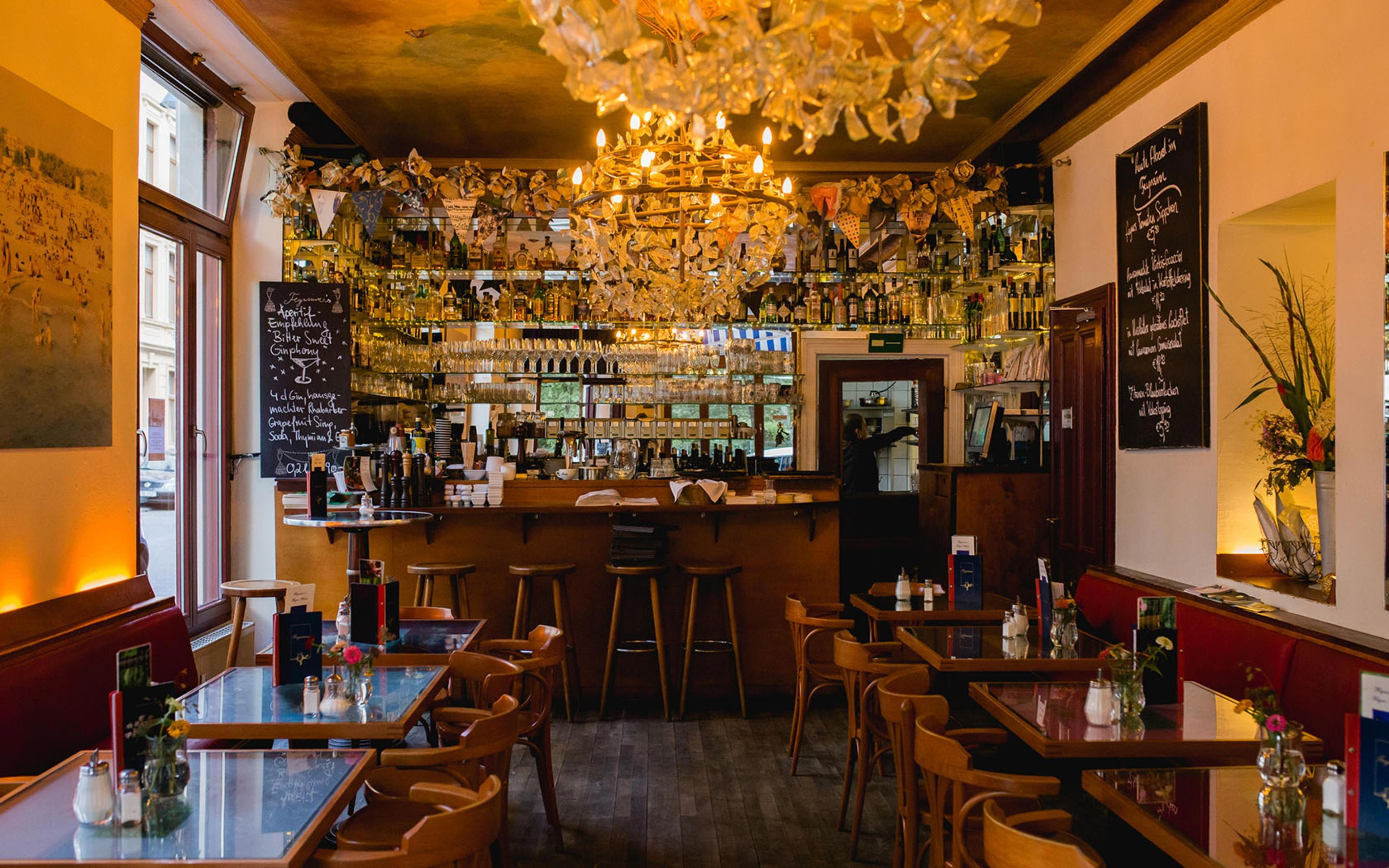
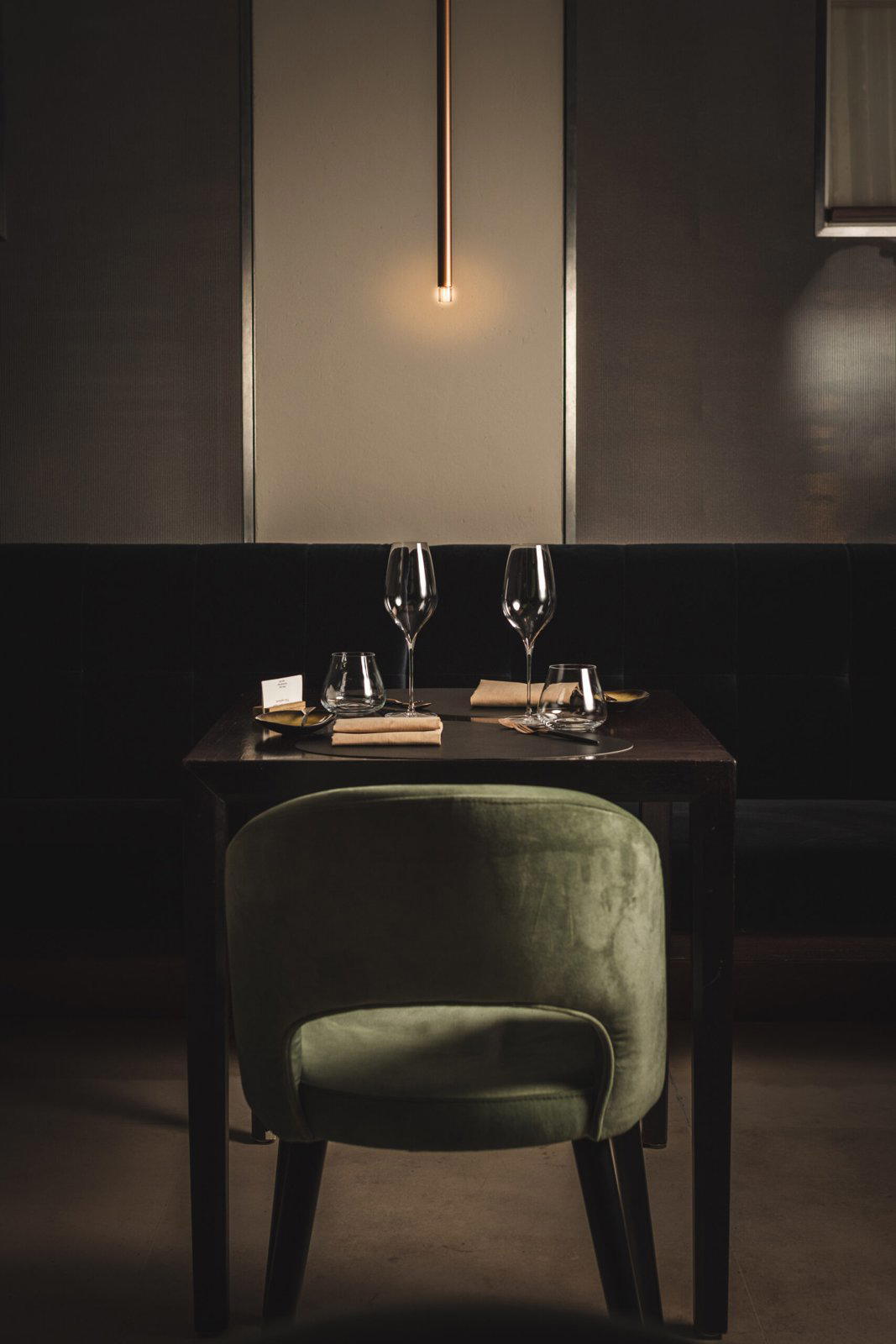
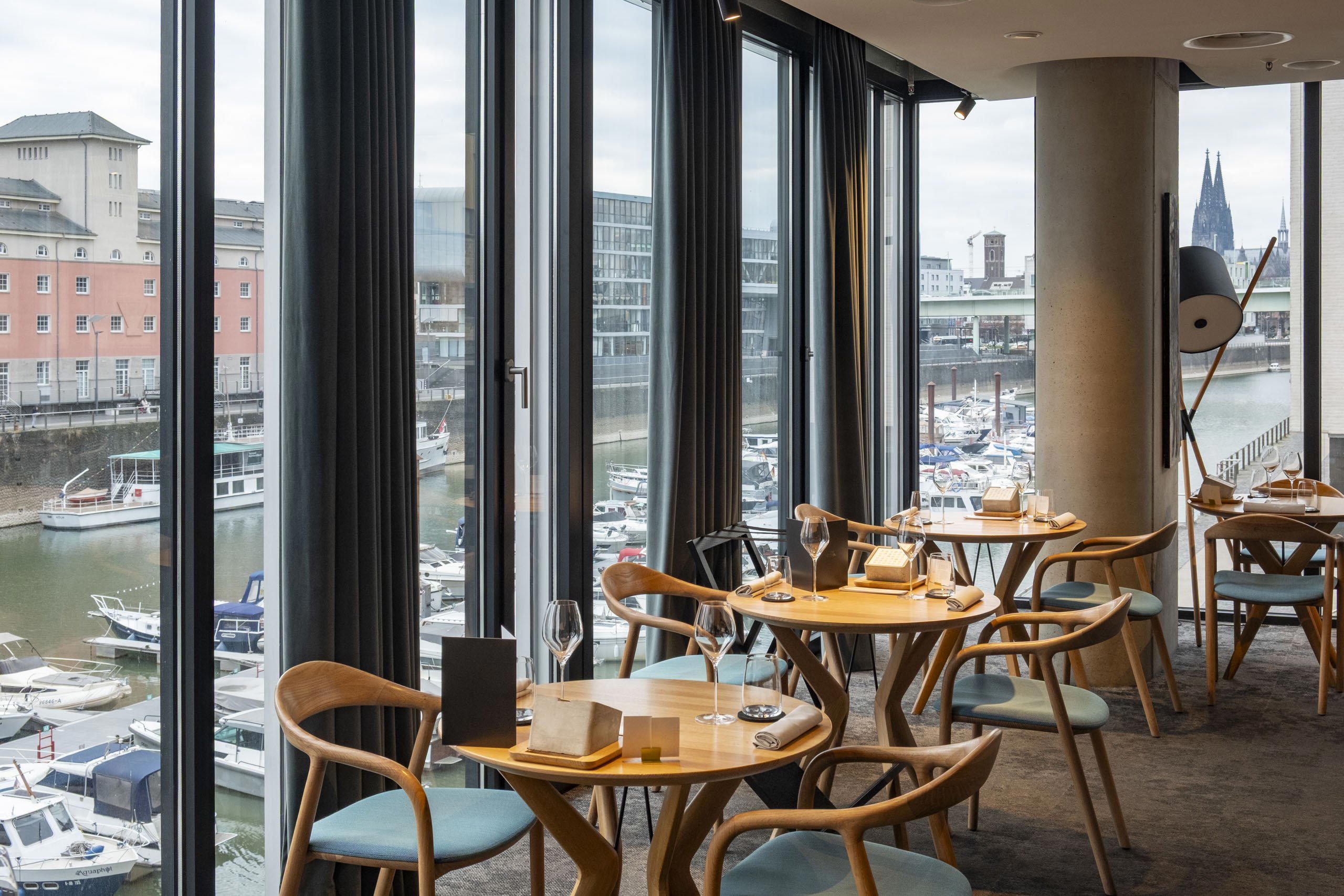
Bars in Cologne
Browse all →
Hotels in Cologne
Browse all →

Details
- Minimalist
- Modern
- Intimate
- Date Night
- Special Occasion
- Open Kitchen
- Sake Program
- A La Carte
- Vegetarian Friendly
Current opening hours
- Monday
- Closed
- Tuesday
- Closed
- Wednesday
- Closed
- Thursday
- Closed
- Friday
- Closed
- Saturday
- Closed
- Sunday
- Closed
Hours can change for holidays and private events. Last verified .
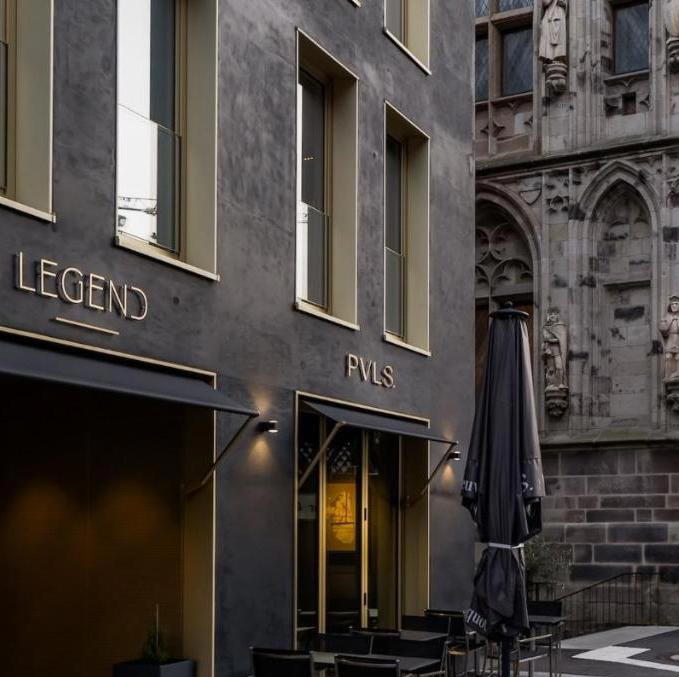
Simply designed with minimalist decor offering an intimate and sophisticated atmosphere.