Michelin Plate
Our verdict
ZEN Japanese Restaurant on Bachemer Strasse brings considered Japanese cooking to Cologne's Lindenthal district, operating at the €€ price point with consecutive Michelin Plate recognition in 2024 and 2025. Under chef Seiichi Kashiwabara, the kitchen draws on a tradition where seasonal discipline and multi-course structure shape every decision..

Pearl is the En Primeur Club membership app — saves, bookings, and concierge access live there. Same editors, same standards.
- Address
- Bachemer Str. 233, 50935 Köln, Germany
- Phone
- +49 221 39909986
- Hours
- Daily 5–10 PM
- Website
- restaurant-zen.de
- Directions
- Get directions
- Booking
- Book on the venue's website
The menu
What to order
- Omakase set menu
- Sushi nigiri
- Gyoza
- Tempura
- Udon
- Ramen
Japanese Seasonal Discipline in Cologne's West
Germany's relationship with Japanese cuisine has matured considerably over the past decade. What began as a scattering of sushi bars in major cities has, in places like Munich and Berlin, produced a tier of serious Japanese restaurants where kaiseki principles — seasonal selection, course progression, balance between restraint and intensity — are applied with real rigour. Cologne has been slower to develop that tier, which makes the presence of a Michelin Plate-recognised Japanese kitchen in the residential Lindenthal district worth examining carefully. ZEN Japanese Restaurant, on Bachemer Strasse, holds consecutive Michelin Plate awards for 2024 and 2025, placing it in the section of the city's dining map where cooking quality is verified by an external standard, even if the full star count remains elsewhere.
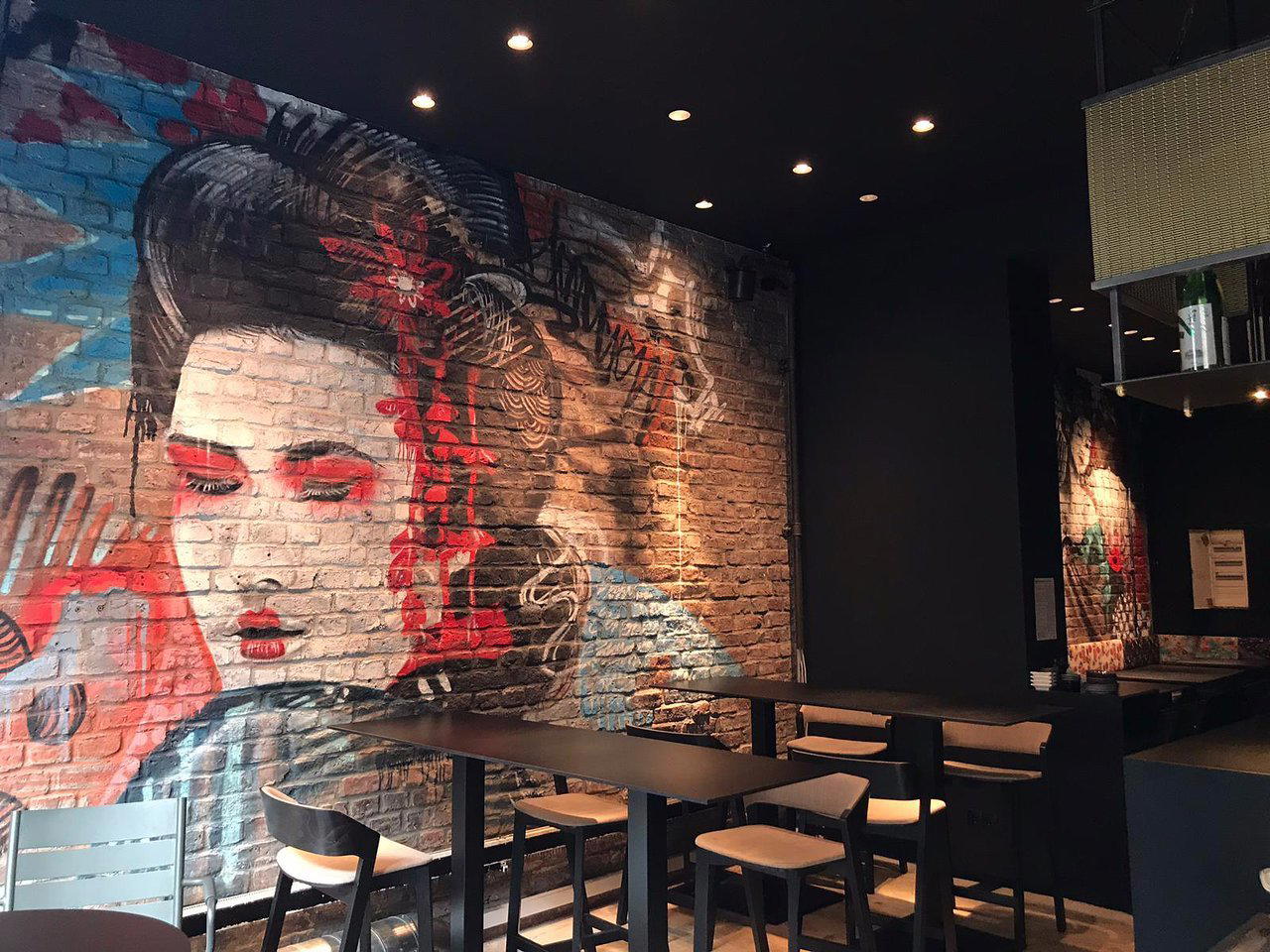
Lindenthal is not where Cologne's dining press tends to focus. The neighbourhood is quiet and predominantly residential, west of the inner city, where the street-level fabric is pharmacies, bakeries, and local shops rather than destination restaurants. That context shapes the experience at ZEN in ways that matter: the atmosphere is low-key and neighbourhood-scaled, the room is likely modest in size, and the clientele skews towards regulars and informed local diners rather than tourists working through a city shortlist. This is the kind of Japanese restaurant that exists because someone in the area knows exactly where to go, not because it has been packaged for maximum visibility. For those exploring our full Cologne restaurants guide, this represents a different register from the city's €€€€ fine dining addresses.
The Kaiseki Logic and What It Demands
Kaiseki, in its strictest sense, is a Japanese multi-course format with origins in Kyoto's tea ceremony tradition. It is governed by a philosophy of seasonality and sequence: each course reflects what is available and appropriate at that precise moment in the year, and the ordering of courses follows an internal logic of flavour progression, temperature, and texture. The format demands that the kitchen maintain proximity to seasonal ingredients and that it resist the temptation to anchor a menu around crowd-pleasing signatures that remain fixed regardless of the season.
In European contexts, full kaiseki rigor is rare. Most Japanese restaurants outside Japan adapt the philosophy rather than replicate the form precisely, borrowing the multi-course structure and the seasonal discipline while adjusting for what is available in local markets. The interesting question at any Japanese restaurant operating with this orientation outside Japan is how much of the underlying logic survives the translation. Michelin's Plate designation, awarded here in both 2024 and 2025, signals that the kitchen is cooking at a level of consistency that the guide's inspectors find worth marking, even if the full structural complexity of kaiseki in a Kyoto setting is not the direct comparison. For reference points in Japan itself, Azabu Kadowaki in Tokyo and Myojaku in Tokyo represent what kaiseki looks like at its source.
Chef Seiichi Kashiwabara leads the kitchen at ZEN. That combination of professional recognition and high-volume positive public feedback places ZEN in a distinct position within Cologne's Japanese dining options.
Where ZEN Sits in Cologne's Dining Structure
Cologne's recognised fine dining tier is dominated by modern European formats. Ox & Klee, La Cuisine Rademacher, and La Société all operate at the €€€€ tier with Michelin recognition. ZEN operates at €€, which places it in a different price bracket entirely, not a budget concession, but a deliberate format that allows the kitchen to deliver Japanese seasonal cooking without the ceremony-and-theatre pricing that surrounds a full tasting menu experience in the city's leading French or modern European rooms.
Within the city's Japanese dining specifically, Appare and ITO represent the broader field. ZEN's consecutive Michelin Plate recognition differentiates it as a kitchen that has cleared a quality threshold that most Japanese restaurants in the city have not. That is the relevant peer comparison, not the three-star kaiseki houses of Kyoto or the omakase counters of Ginza. Nationally, venues like Vendôme in Bergisch Gladbach and Schwarzwaldstube in Baiersbronn define the ceiling of German fine dining; Aqua in Wolfsburg, JAN in Munich, CODA Dessert Dining in Berlin, and ES:SENZ in Grassau map other regional points of reference. ZEN is not competing in that stratum, but it is doing something that the city's Japanese dining scene needs: holding a quality standard that external inspection confirms.
Planning a Visit
ZEN operates Tuesday through Saturday for both lunch and dinner, with lunch service running from noon to 2:30 pm and dinner from 5:30 pm to 10:00 pm. The restaurant is closed on Sundays and Mondays. The address is Bachemer Strasse 233, 50935 Cologne, in the Lindenthal district. At the €€ price point, this is accessible relative to the city's Michelin-tracked options, making it a practical choice for both a considered weekday lunch and a longer evening sitting. Booking in advance is advisable given the combination of Michelin recognition and a 4.7 rating; neighbourhood Japanese restaurants at this quality level rarely have walk-in availability on evenings.
For those building a broader Cologne trip, our full Cologne hotels guide, bars guide, wineries guide, and experiences guide cover the surrounding context.
Frequently asked questions
What should I expect atmosphere-wise at ZEN Japanese Restaurant?
ZEN operates in Cologne's western Lindenthal district, away from the city centre's busier dining corridors, which typically produces a quieter, more composed room than comparable spots downtown. The kaiseki format — multi-course, sequenced, and detail-oriented — shapes the pace of the meal and the expectations placed on service. Two consecutive Michelin Plate recognitions (2024 and 2025) suggest a kitchen and floor operating with consistent intent rather than casual informality.
How would you describe the cuisine at ZEN Japanese Restaurant?
What kind of recognition has ZEN Japanese Restaurant received?
ZEN Japanese Restaurant has received recognition including: Michelin Plate (2025); Michelin Plate (2024).
What's the must-try dish at ZEN Japanese Restaurant?
What is established is that Chef Seiichi Kashiwabara works within a kaiseki-influenced framework, meaning the menu follows seasonal Japanese logic: courses are structured around ingredient timing rather than fixed signatures. The most reliable approach is to ask the kitchen which seasonal preparations are currently running at the time of your visit.
What's the price range at ZEN Japanese Restaurant?
Pricing at ZEN Japanese Restaurant is listed as €€.
At-a-Glance Comparison
| Venue | Cuisine | Price | Awards | Notes |
|---|---|---|---|---|
| ZEN Japanese RestaurantThis venue — the venue you are viewing | Modern Japanese Omakase & Sushi | $30–50 | Michelin Plate | Not listed |
| maximilian lorenz | Modern German Fine Dining | $200–300 | 1 Michelin Star | French Brasserie, Modern Cuisine |
| NeoBiota | Modern European Fine Dining | Not listed | 1 Michelin Star | Modern German, Modern Cuisine |
| Ox & Klee | Modern European Fine Dining with Six-Sense Concept | $200–300 | 2 Michelin Stars · La Liste Top Restaurants | Modern Cuisine |
| La Cuisine Rademacher | Modern French Fine Dining | $150–200 | 1 Michelin Star | Modern French |
| Le Moissonnier Bistro | French Bistro | Not listed | 1 Michelin Star · Falstaff Wine Bar - 91 Falstaff Points | French |
Recognition history
Dated appearances from independent guides and award organizations, with the underlying list record or original source where available.
Michelin Plate
Michelin
Full recognition history (3 entries)
Michelin Plate
Michelin
Michelin Plate
Michelin