Ishin occupies a Mitte address on Mittelstraße 24, positioning it within Berlin's most transit-dense dining corridor. The space reads as a counter-point to the city's dominant new-German fine dining scene, offering a different reference point for serious diners tracking the capital's broader international restaurant conversation. Advance planning is advised for anyone treating it as part of a structured Berlin itinerary.
Pearl is the En Primeur Club membership app — saves, bookings, and concierge access live there. Same editors, same standards.
- Address
- Mittelstraße 24, 10117 Berlin, Germany
- Phone
- +493020674829
- Website
- ishin.de
- Directions
- Get directions
 Saves & bookings on Pearl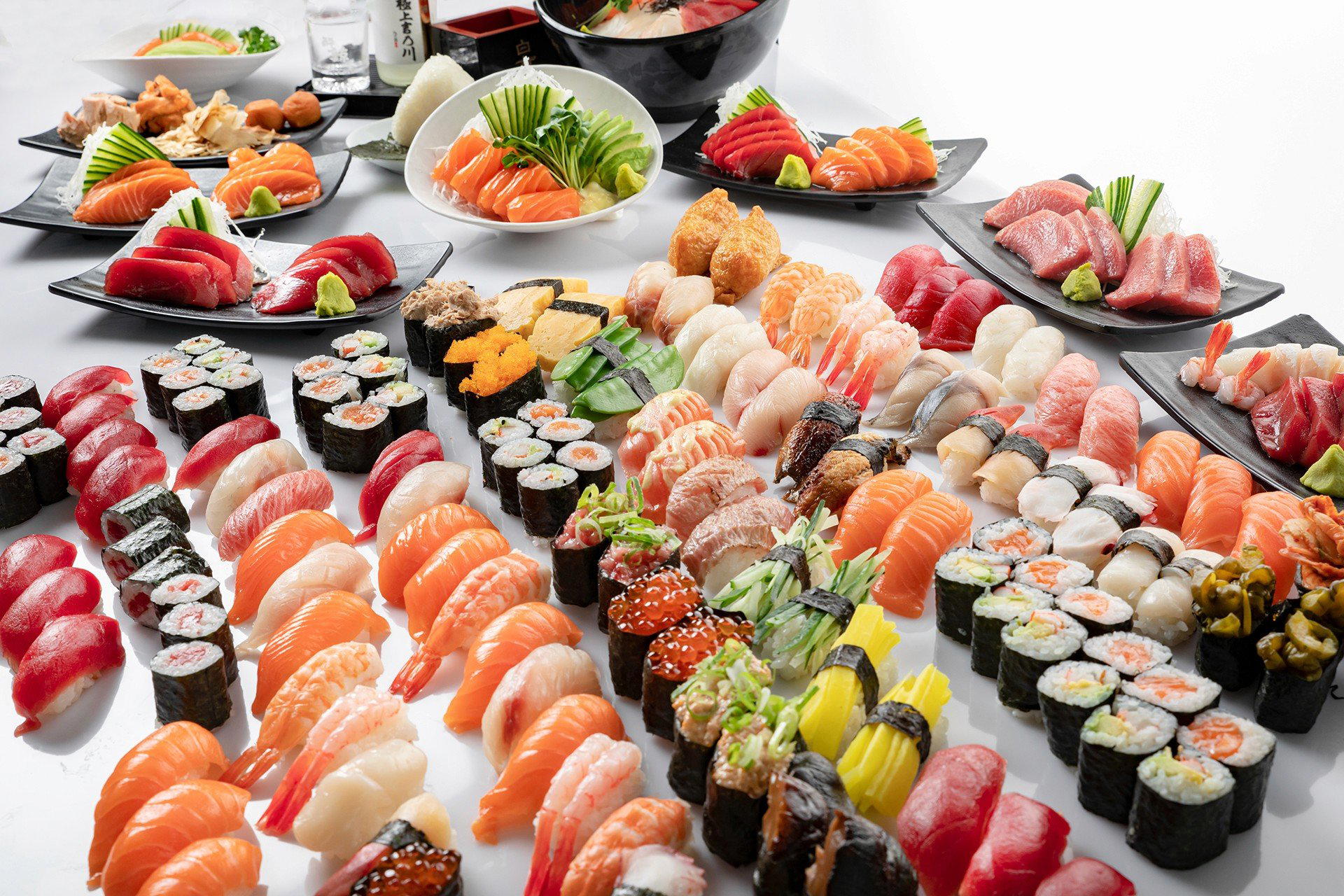
A Different Register in Mitte's Dining Corridor
Berlin's fine dining conversation in recent years has consolidated around a particular idiom: modern German produce, creative European frameworks, and the kind of austere interiors that signal intellectual seriousness. Venues like Nobelhart & Schmutzig, Rutz, and FACIL have each, in their own way, contributed to a shared aesthetic: restrained, technically rigorous, rooted in a northern European sense of place. Against that backdrop, Mittelstraße 24 in Mitte is an address worth noting. It sits in one of Berlin's most accessible and heavily trafficked dining corridors, the kind of street where proximity to Unter den Linden means foot traffic from tourists, business travelers, and local regulars in roughly equal measure. That location shapes what a restaurant there can and cannot be.
Ishin occupies that address. Its position within the broader Berlin dining map is worth understanding.
The Physical Container: Space as Signal
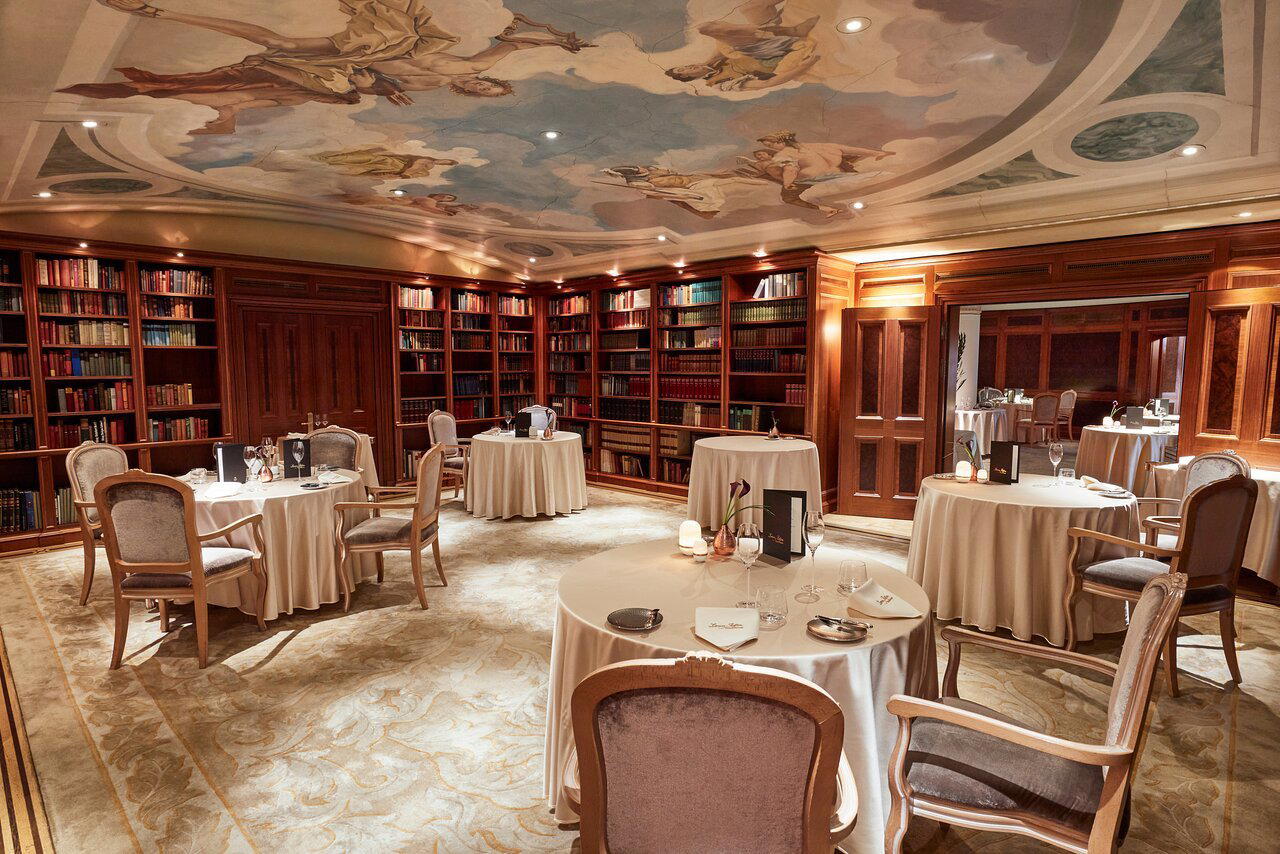
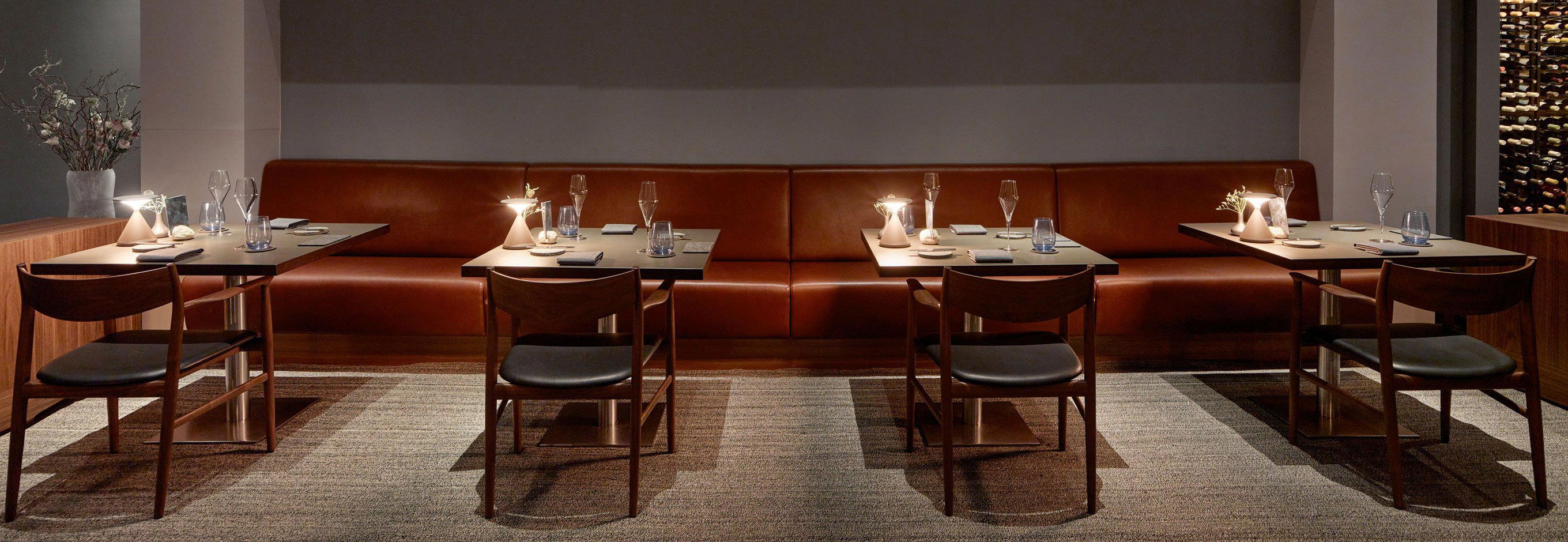
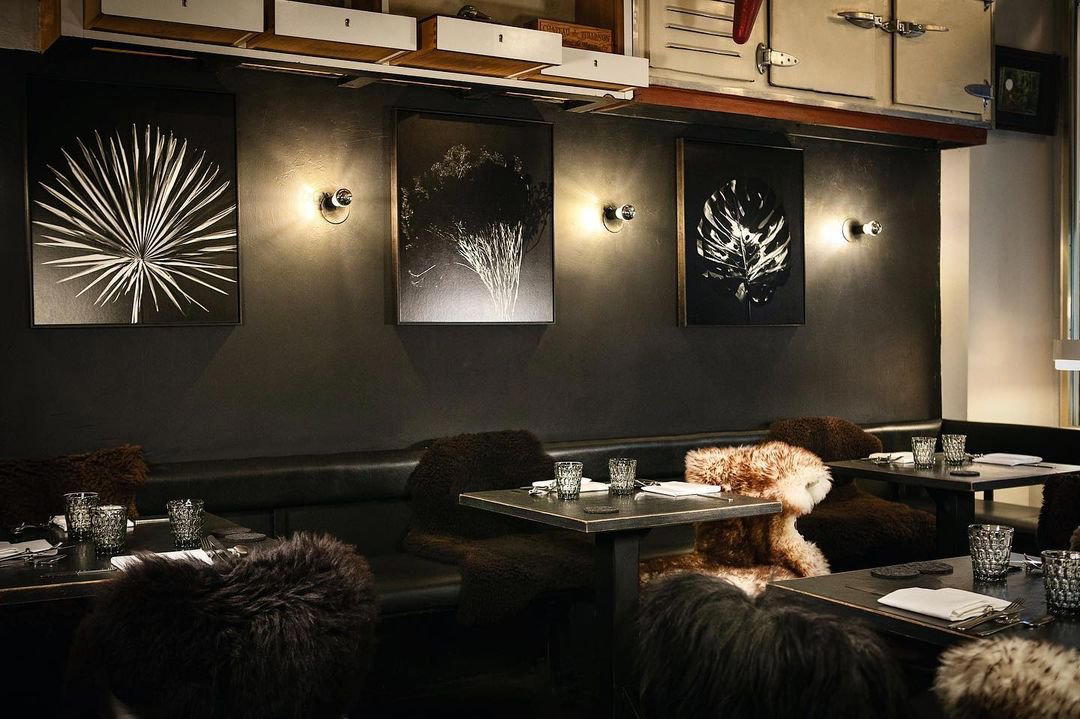
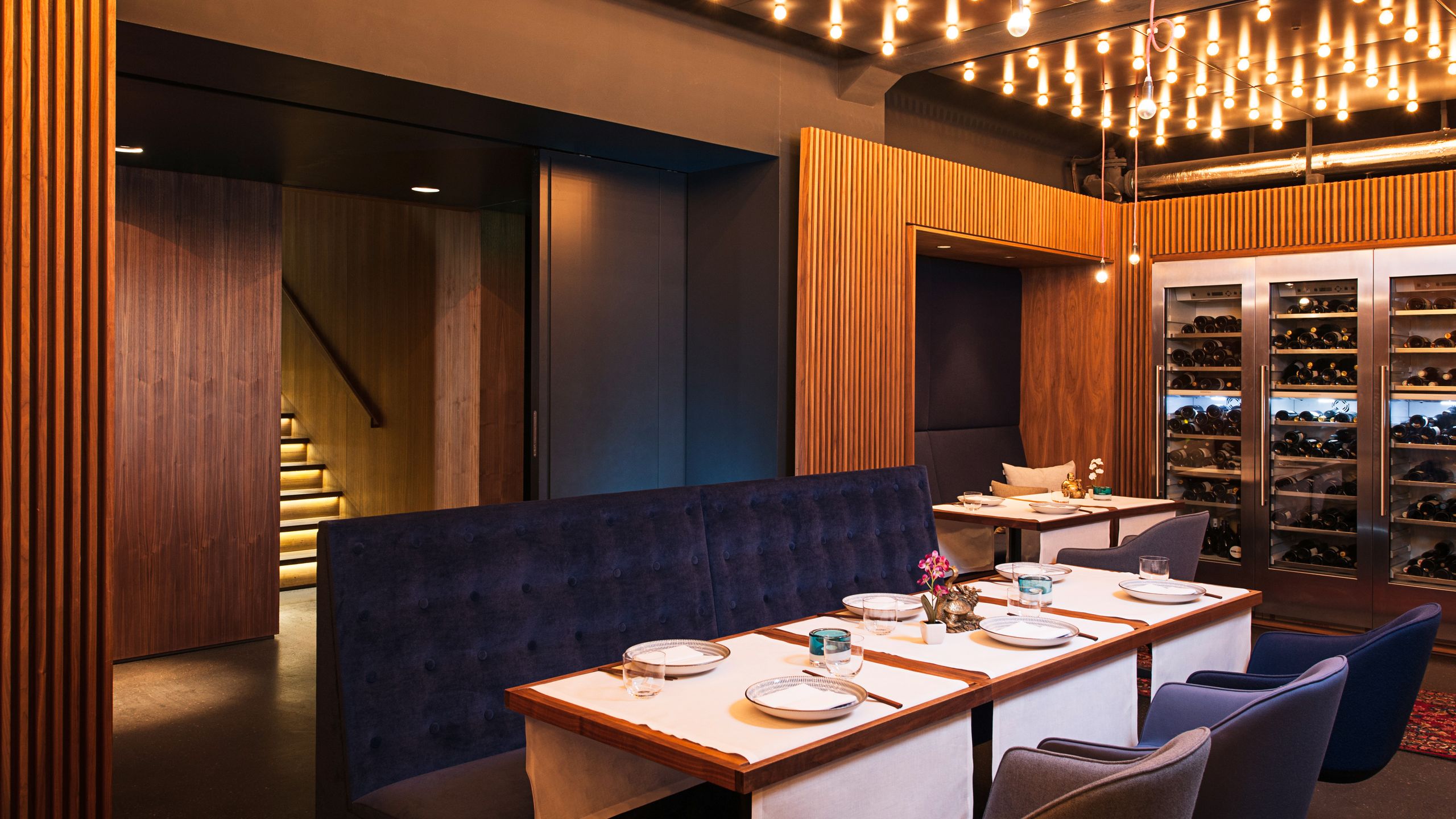
In a city where interior design has become a competitive variable as much as kitchen output, the architecture of a dining room communicates before the first plate arrives. Berlin's upper-tier creative restaurants have mostly moved toward one of two spatial registers: the deliberately stripped-back (bare wood, exposed concrete, limited natural light, the room saying nothing so the food can say everything) or the quietly ornate (considered materials, controlled warmth, the room supporting a premium experience without announcing itself). Both approaches ask the diner to orient their expectations before sitting down.
Mitte's restaurant interiors, particularly along the streets feeding toward the central government and cultural quarter, tend to read as more commercially pragmatic than those in Kreuzberg or Prenzlauer Berg, where neighbourhood identity and design experiment have more room to breathe. A room on Mittelstraße is performing for a broader audience, and the spatial choices it makes reflect that. The question worth asking of any Mitte dining room is whether its physical container reinforces a coherent dining position or simply accommodates volume. Berlin's most discussed creative spaces, from CODA Dessert Dining's intimate counter format to the deliberate austerity of Nobelhart's long communal table, have answered that question with a clear point of view. The room is an argument, not just a container.
For diners coming to Ishin from that kind of critical frame, the spatial context of Mittelstraße matters. It is a different kind of statement than a converted factory in Neukölln or a glass-walled terrace in a Mitte courtyard hotel. It places the restaurant in conversation with the city's more commercially oriented dining tier, which is not a criticism so much as an orientation point.
Berlin's International Restaurant Layer
Every major European capital sustains at least two distinct fine dining layers: the nationally inflected creative tier that attracts international critical attention, and the international cuisine tier that serves the city's cosmopolitan population with reference-quality food from outside the local tradition. In Berlin, the first layer receives most of the press coverage. The second, which includes serious Japanese, Korean, and other Asian formats alongside French classical and Italian serious tables, is less discussed but not less relevant to understanding the city's actual dining range.
Internationally, the model for serious Japanese dining in a non-Japanese city has been benchmarked by a small number of operators, with Atomix in New York City offering a useful reference for what Korean fine dining can look like when transplanted and refined within a global capital, and Le Bernardin in New York City demonstrating what a non-American culinary tradition looks like when given decades of institutional commitment in a foreign city. These are the benchmarks against which serious international-cuisine restaurants in any city implicitly compete, whether or not they share cuisine type.
Berlin's Japanese dining offer has historically been thinner than its creative European tier, though the city's growing international population has supported a broader range of serious Asian tables in the last decade. Mitte, given its central position and transit accessibility, tends to concentrate the formats that serve both regular local diners and visitors with limited nights in the city.
Peer Context: Where Ishin Sits in Berlin's Price Architecture
Berlin's fine dining market runs at a notably lower price point than comparable European capitals. Where a tasting menu in London or Paris at a Michelin-starred restaurant routinely clears €200 per person before wine, Berlin's leading creative tables, including Nobelhart & Schmutzig and CODA, have historically operated at a relative discount to that tier. That structural pricing difference has made Berlin an efficient city for serious diners covering Germany's full fine dining range, from the Michelin-heavy south at venues like Schwarzwaldstube in Baiersbronn or Victor's Fine Dining by Christian Bau in Perl to the capital's own creative tier.
For visitors planning a broader German itinerary, it is worth noting that Germany's most decorated tables are geographically distributed rather than capital-concentrated, unlike France or the UK. Aqua in Wolfsburg, JAN in Munich, Vendôme in Bergisch Gladbach, ES:SENZ in Grassau, Waldhotel Sonnora in Dreis, Schanz in Piesport, Bagatelle in Trier, and Restaurant Haerlin in Hamburg all represent the kind of Michelin-weight commitments that require dedicated travel. Berlin, by contrast, rewards the diner who wants urban density of options without concentrating exclusively on three-star rooms.
Planning Your Visit
Mittelstraße 24 is centrally located and accessible via multiple U-Bahn and S-Bahn connections near Friedrichstraße station, making it one of the more logistically convenient Mitte addresses for visitors based across the city. For a full picture of where Ishin sits within Berlin's broader dining map, see our full Berlin restaurants guide.
Budget and Context
Comparable venues nearby, for context on price, style, and recognition.
| Venue | Cuisine | Price | Notes |
|---|---|---|---|
| IshinThis venue — the venue you are viewing | Not listed | $$ | Not listed |
| Tsu Tsu | Not listed | $$ | Kreuzberg, Japanese Karaage (Vegan Options) |
| Secret Garden | Friedrichshain, Vegan Sushi | $$ | Not listed |
| XXX Ramen | Charlottenburg, Japanese Ramen | $$ | Not listed |
| KUCHI Mitte | Mitte, Japanese Asian Fusion Sushi | $$ | Not listed |
| Iimori Ramen | Mitte, Japanese Ramen | $$ | Not listed |
Continue exploring
More in Berlin
Restaurants in Berlin
Browse all →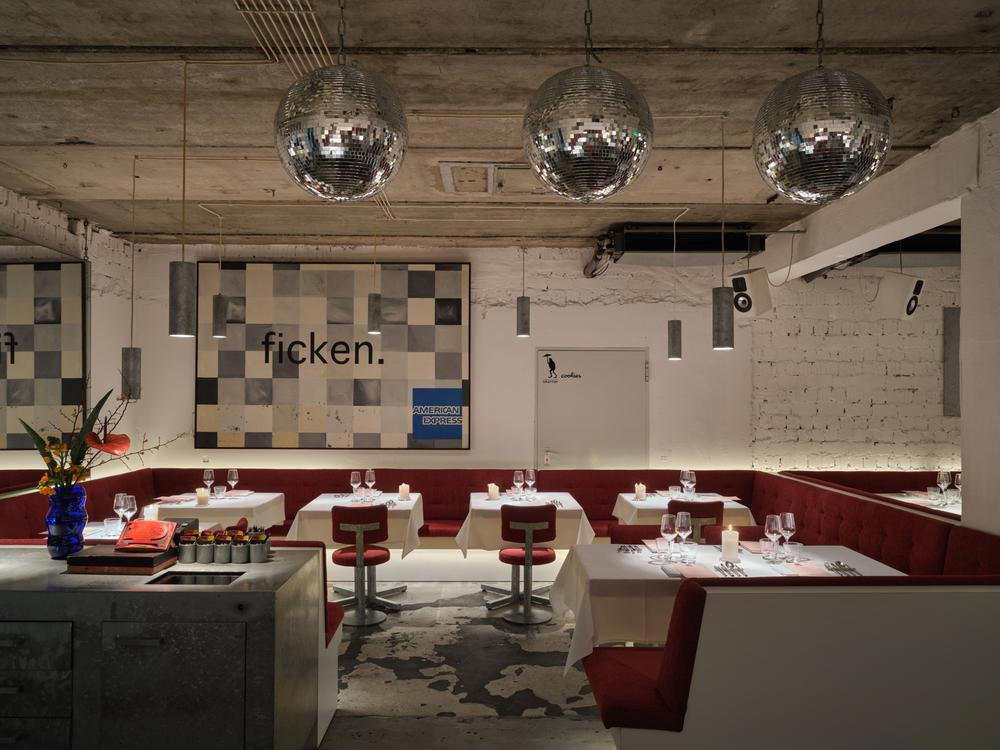
Bars in Berlin
Browse all →
Hotels in Berlin
Browse all →


At a Glance
- Minimalist
- Casual
- Business Dinner
- Casual Hangout
- Open Kitchen
- Sake Program
Current opening hours
- Monday
- 11:30 AM–7:30 PM
- Tuesday
- 11:30 AM–7:30 PM
- Wednesday
- 11:30 AM–7:30 PM
- Thursday
- 11:30 AM–7:30 PM
- Friday
- 11:30 AM–7:30 PM
- Saturday
- 11:30 AM–7:30 PM
- Sunday
- Closed
Hours can change for holidays and private events. Last verified .
Minimalist canteen-style with functional furniture, quick service, and efficient atmosphere ideal for casual meals.