On Warschauer Strasse in Berlin's Friedrichshain district, Secret Garden occupies a part of the city where creative dining concepts and neighbourhood character sit side by side. The address places it within reach of a Berlin dining scene that has increasingly positioned itself around local sourcing and internationally trained technique, a combination that defines the more serious end of the city's restaurant offer.
 Discover on Pearl
Pearl is the En Primeur Club membership app — saves, bookings, and concierge access live there. Same editors, same standards.
- Address
- Warschauer Str. 33, 10243 Berlin, Germany
- Phone
- +493097002218
- Website
- secretgardenberlin.com
Friedrichshain and the Shape of Berlin Dining
Warschauer Strasse runs through one of Berlin's most compositionally mixed corridors: transit interchange, nightlife infrastructure, and a residential density that has attracted a new tier of serious food operations over the past decade. The address at number 33 puts Secret Garden in a part of Friedrichshain that sits closer to the working neighbourhood than to the tourist circuit, which matters for understanding how Berlin's more credible dining concepts tend to position themselves. Unlike the Mitte fine-dining cluster, where rooms like FACIL and Restaurant Tim Raue operate inside established luxury infrastructure, east Berlin's dining scene has historically rewarded concepts willing to build their own context rather than borrow from a pre-existing prestige address.
That spatial logic is worth keeping in mind when situating Secret Garden. Berlin, more than Hamburg or Munich, has developed a dining culture in which neighbourhood identity and concept credibility carry as much weight as formal recognition. The city's Michelin-starred tier, which includes Rutz, Nobelhart & Schmutzig, and CODA Dessert Dining, shares a commitment to precision and sourcing discipline that has come to define the serious end of the city's output. Any new concept on this side of the city enters that conversation implicitly, whether or not formal recognition follows.
Local Ingredients, International Technique: How Berlin Restaurants Are Building Their Identity
The most consequential shift in German fine dining over the past fifteen years has not been the arrival of imported formats but the inversion of influence: European and Asian techniques, absorbed through training stages and international careers, being applied with deliberate precision to German regional produce. This is the model that separates the more serious Berlin concepts from the generically international. At Nobelhart & Schmutzig, the menu is built around a hyper-regional sourcing philosophy that restricts ingredients to a specific geographic radius, producing food that reads as German in a way that has nothing to do with tradition and everything to do with place. Rutz occupies a different position in the same argument: classical European structure applied to northern German ingredients, with a wine program that functions as an editorial statement in its own right.
Secret Garden's address on Warschauer Strasse places it inside a neighbourhood where this tension between imported method and local material is an active creative question, not a settled answer. The name signals something botanical or seasonal, the kind of framing that has become shorthand in Berlin for a cooking approach that foregrounds produce over protein. Whether the execution aligns with that implication is the question any visit to an early-stage concept in this part of the city would need to answer directly.
For comparison across the broader German dining map, the local-ingredient, global-technique model appears in sharper focus at venues with longer track records: Aqua in Wolfsburg, JAN in Munich, and Schwarzwaldstube in Baiersbronn each demonstrate how regional identity and technical ambition can coexist at the highest formal level. Further along the German fine-dining circuit, Vendôme in Bergisch Gladbach, Victor's Fine Dining by Christian Bau in Perl, and Waldhotel Sonnora in Dreis represent the most formally decorated tier of this approach. Berlin, by contrast, tends to produce concepts that arrive at a similar intellectual position through a less institutional route.
The Broader Berlin Context
Berlin's dining offer has diversified considerably since the early 2010s, when the city's reputation rested almost entirely on its nightlife infrastructure and the relative affordability of its food scene compared to Paris, London, or Copenhagen. The Michelin footprint has grown, and with it a cohort of serious mid-market concepts that have built credibility without formal star recognition. The east of the city, particularly the Friedrichshain-Kreuzberg axis, has attracted a disproportionate share of these independent concepts, partly because of lower property costs and partly because the neighbourhood culture rewards originality over convention.
That context matters for any concept operating at Warschauer Str. 33. The competition in this part of Berlin is not primarily the white-tablecloth fine-dining rooms of Mitte but rather a set of neighbourhood-level concepts with defined points of view and audiences who have already decided what kind of eating they are looking for. Concepts that hold their own in this environment do so through specificity, either in sourcing, technique, or format, not through volume or breadth of offer. Internationally, the model of applying fine-dining discipline to a tightly defined local-ingredient brief has produced some of the most discussed restaurants of the past decade, from Le Bernardin in New York City applying classical French rigour to seafood, to Atomix in New York City translating Korean culinary tradition through a tasting-menu format that operates at the highest technical level. Berlin's version of this conversation is less codified but no less serious.
For readers building a broader itinerary across northern Germany, Restaurant Haerlin in Hamburg and Schanz in Piesport offer reference points for how the local-ingredient, European-technique model performs at the decorated end of the spectrum. Bagatelle in Trier and ES:SENZ in Grassau round out a picture of how seriously Germany's restaurant scene, taken as a whole, has engaged with the question of where ingredients come from and what technique is for. Secret Garden operates inside this national conversation from a Friedrichshain address, which is itself a choice with meaning. See our full Berlin restaurants guide for the complete picture of where this address sits relative to the city's other serious dining options.
Planning Your Visit
A Pricing-First Comparison
Comparable venues nearby, for context on price, style, and recognition.
| Venue | Cuisine | Price | Awards | Notes |
|---|---|---|---|---|
| Secret GardenThis venue — the venue you are viewing | Friedrichshain, Vegan Sushi | $$ | , | |
| Sasaya | $$ | , | Prenzlauer Berg, Traditional Japanese Sushi | |
| The Catch | $$$ | 1 recognition | Charlottenburg, Contemporary Japanese Izakaya | |
| Caligari | Neukolln, Modern Italian Trattoria | $$ | , | |
| Bäckspace Pizza | Weissensee, Sourdough Pizza | $$ | , | |
| Biermeisterei | Mitte, German Brewery BBQ & Grill | $$ | , |

At a Glance
- Cozy
- Intimate
- Trendy
- Date Night
- Casual Hangout
- Open Kitchen
- Craft Cocktails
- Street Scene
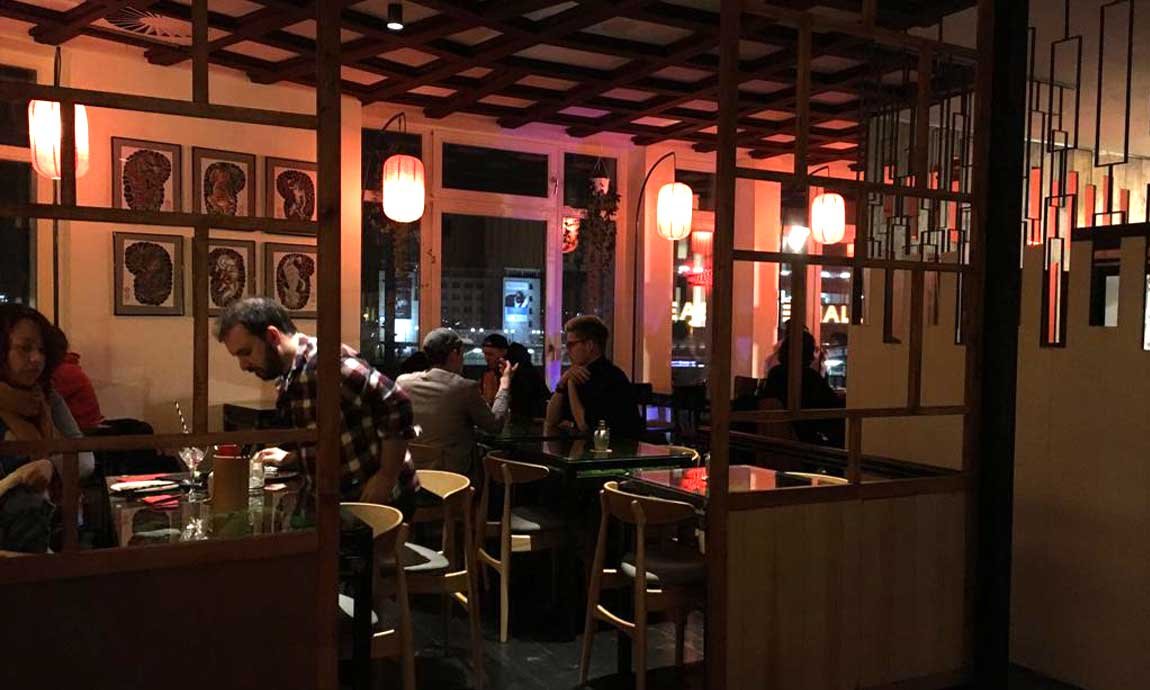
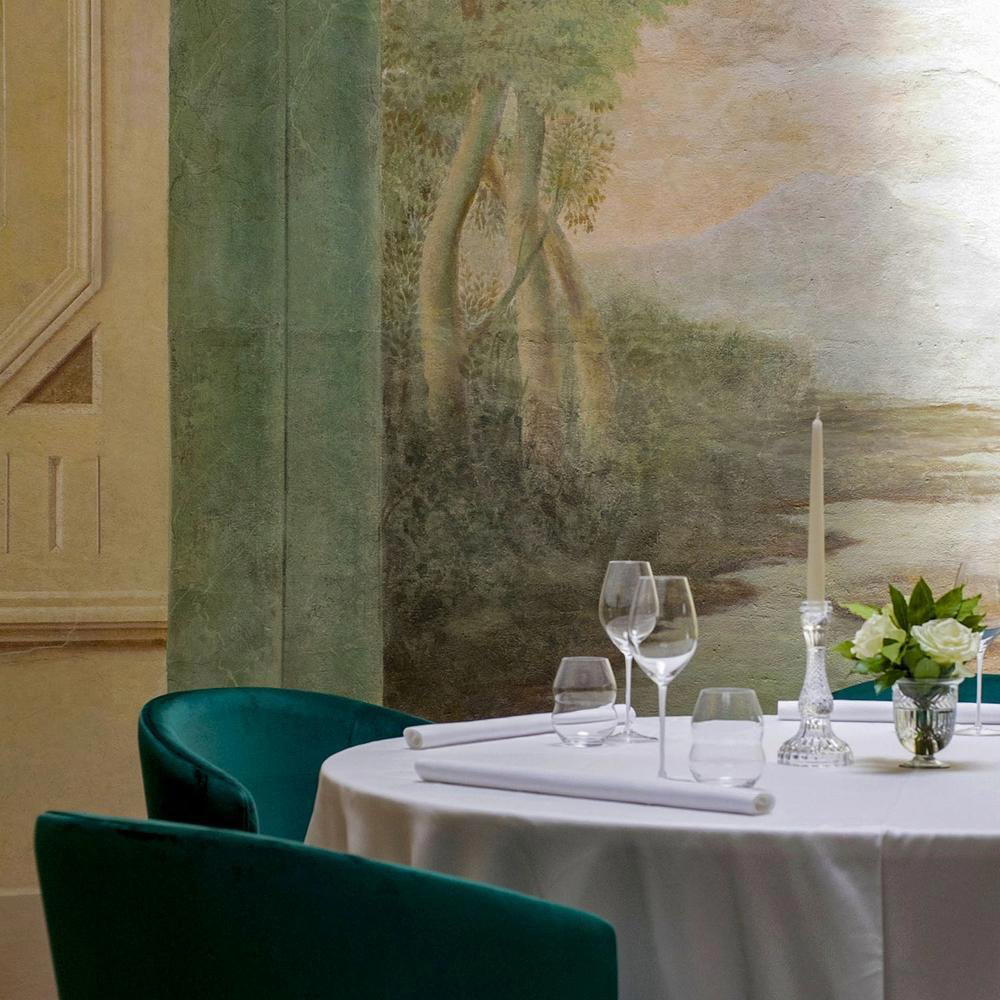
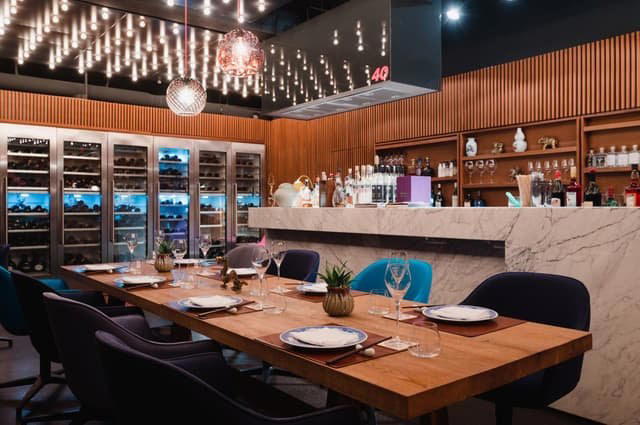
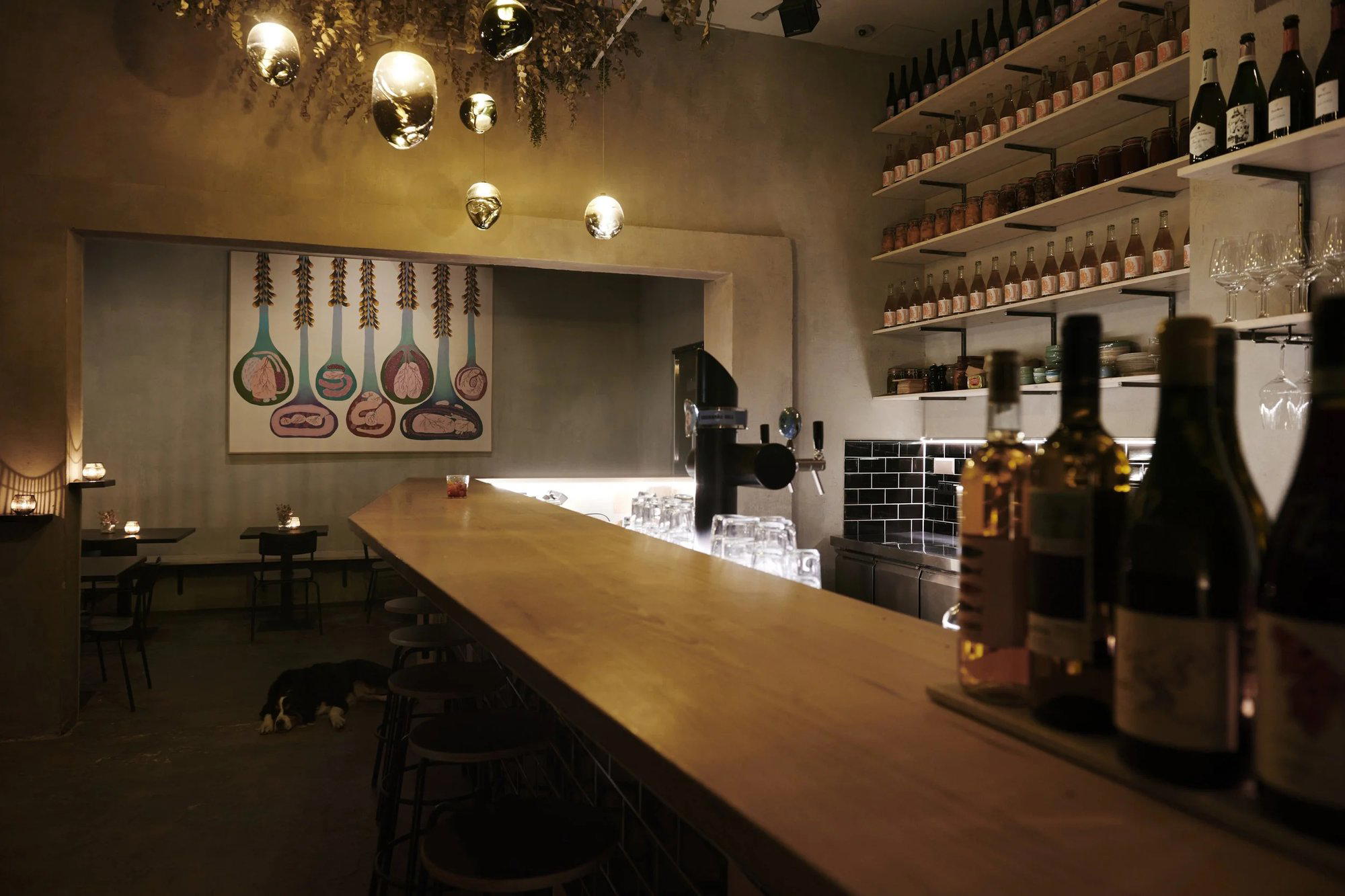
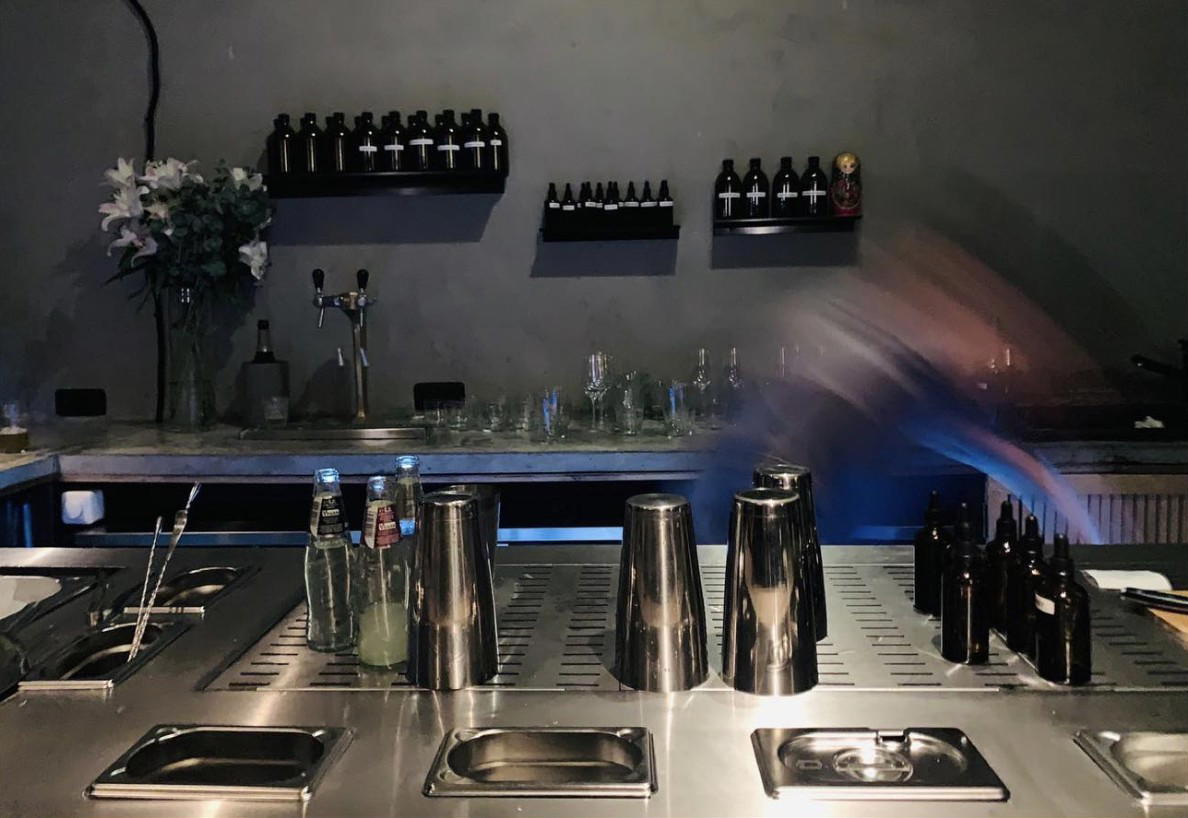
Cozy dining room adorned with lush plants, lanterns, bonsai, and Japanese festival decorations creating a welcoming, home-like atmosphere.