Where the Village Table Still Means Something Approach Gautinger Str. 52 on a grey Bavarian afternoon and the building reads immediately as a place that has absorbed generations of the same ritual: farmers, locals, occasional visitors from the...
Pearl is the En Primeur Club membership app — saves, bookings, and concierge access live there. Same editors, same standards.
- Address
- Gautinger Str. 52, 82234 Weßling, Germany
- Phone
- +498153916127
- Website
- ilplonner.de
 Saves & bookings on Pearl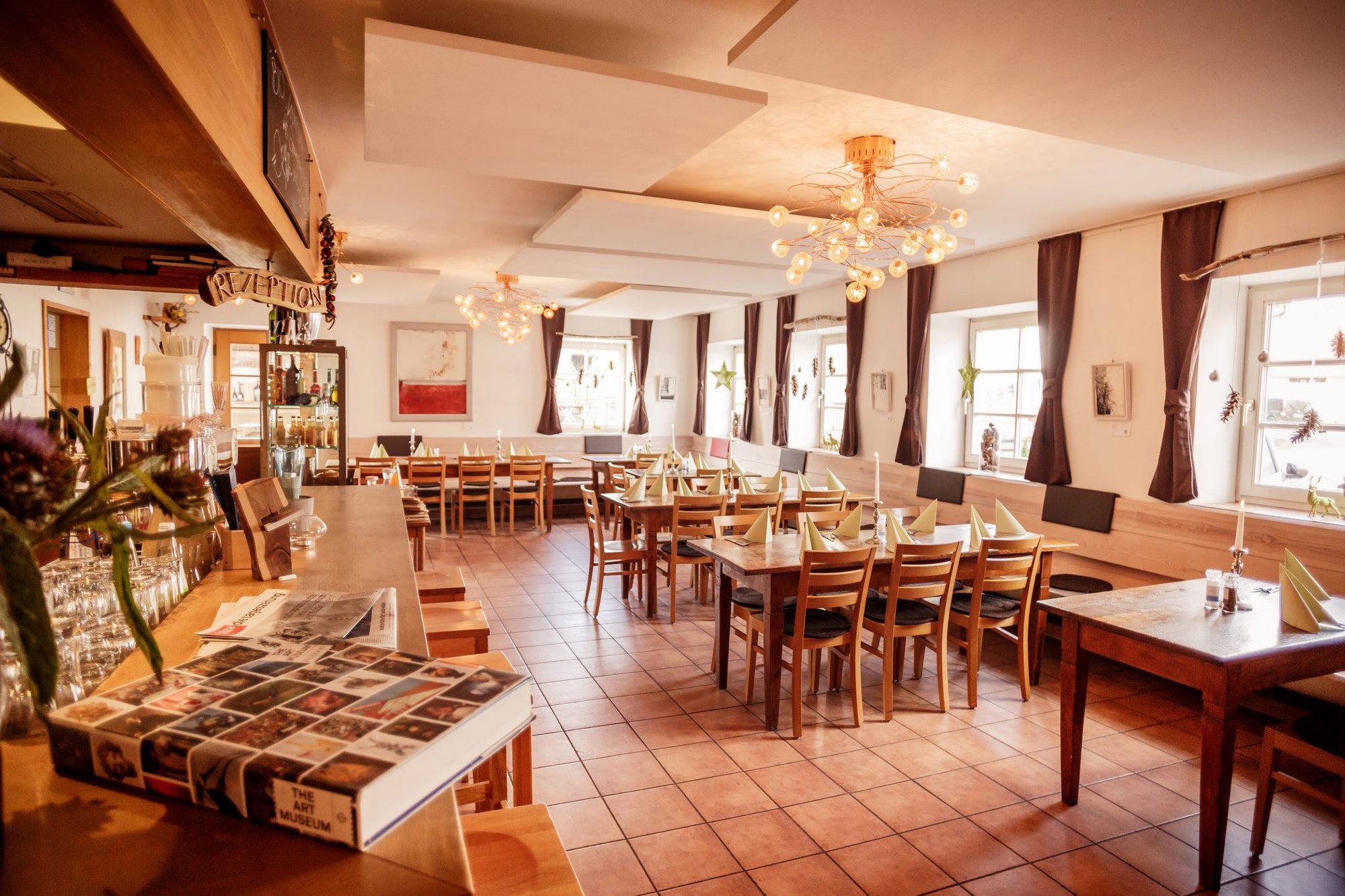
Where the Village Table Still Means Something
Approach Gautinger Str. 52 on a grey Bavarian afternoon and the building reads immediately as a place that has absorbed generations of the same ritual: farmers, locals, occasional visitors from the lake district around Weßling, all drawn to the particular warmth that a proper Dorfgasthof provides. The Bavarian village inn occupies a specific social and culinary role that distinguishes it sharply from the destination restaurants that populate Germany's award circuit. Where venues like Aqua in Wolfsburg or JAN in Munich operate as deliberate pilgrimages, the Dorfgasthof format is the opposite: you go because it is there, because it belongs to where you are, and because the cooking is grounded in the same geography as the room itself.
The Sourcing Logic of the Bavarian Inn
In southern Bavaria, the most persuasive argument for a village inn is rarely the kitchen's technique; it is the kitchen's proximity. The region around the Ammersee and Pilsensee lakes, which Weßling sits between, has long supported small-scale dairy farming, freshwater fishing, and seasonal vegetable cultivation. A Gasthof anchored to that supply chain is not making a philosophical statement about provenance, it is simply cooking from what is available, as these establishments have done for over a century. That structure looks increasingly countercultural now that much of the fine-dining conversation in Germany centres on elaborate sourcing narratives at restaurants like Schwarzwaldstube in Baiersbronn or concept-driven formats like CODA Dessert Dining in Berlin.
Bavarian Wirtshausküche at its most coherent relies on a short set of ingredients used with accumulated familiarity rather than seasonal invention. Pork in its various preparations, freshwater fish from nearby lakes, bread-based thickeners, root vegetables, and dairy drawn from the immediate region form the backbone. The discipline of the format is not sophistication; it is consistency, and the kitchens that execute it well are those that resist the temptation to modernise for its own sake. In that sense, Il Plonner occupies a category that German food culture is quietly reassessing: the Dorfgasthof as a form worth preserving, not upgrading.
Weßling and the Context of the Five-Lakes Region
Weßling sits in the Fünfseenland, the Five Lakes district southwest of Munich, a corridor that draws Münchners for weekend escapes without developing the self-conscious hospitality infrastructure of more prominent resort towns. The district has no significant concentration of destination restaurants. Visitors who want formal fine dining drive toward Munich and its range of serious kitchens, or head further into the Alpine foothills toward venues like ES:SENZ in Grassau. What Weßling offers instead is the kind of mid-scale, embedded hospitality that the German leisure tradition was built around: reliable regional food, manageable travel from the city, and a setting that feels genuinely local rather than curated for tourists.
That positioning is neither modest nor apologetic. Across Germany, the most decorated kitchens at Vendôme in Bergisch Gladbach, Victor's Fine Dining in Perl, or Waldhotel Sonnora in Dreis operate in a separate tier entirely, one built on extended tasting menus and international reference points. The village inn does not compete in that tier and should not be evaluated against it. The relevant comparison is internal to its own format: does it execute the Dorfgasthof tradition with enough care and consistency to justify the journey from Munich, which runs roughly 30 kilometres to the northeast?
The Atmosphere and What to Expect at the Table
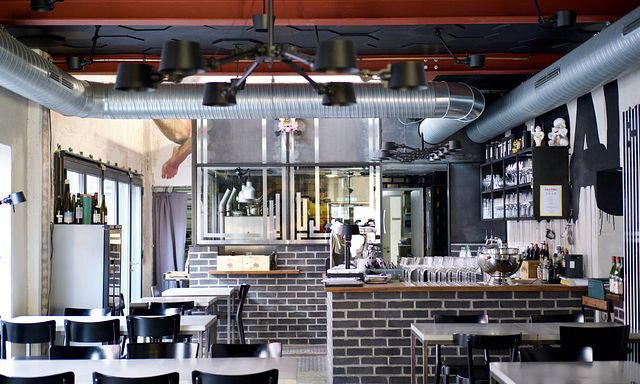
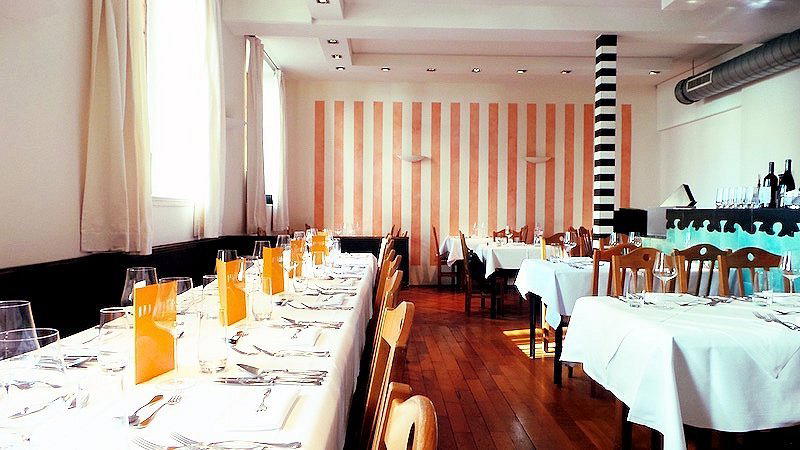
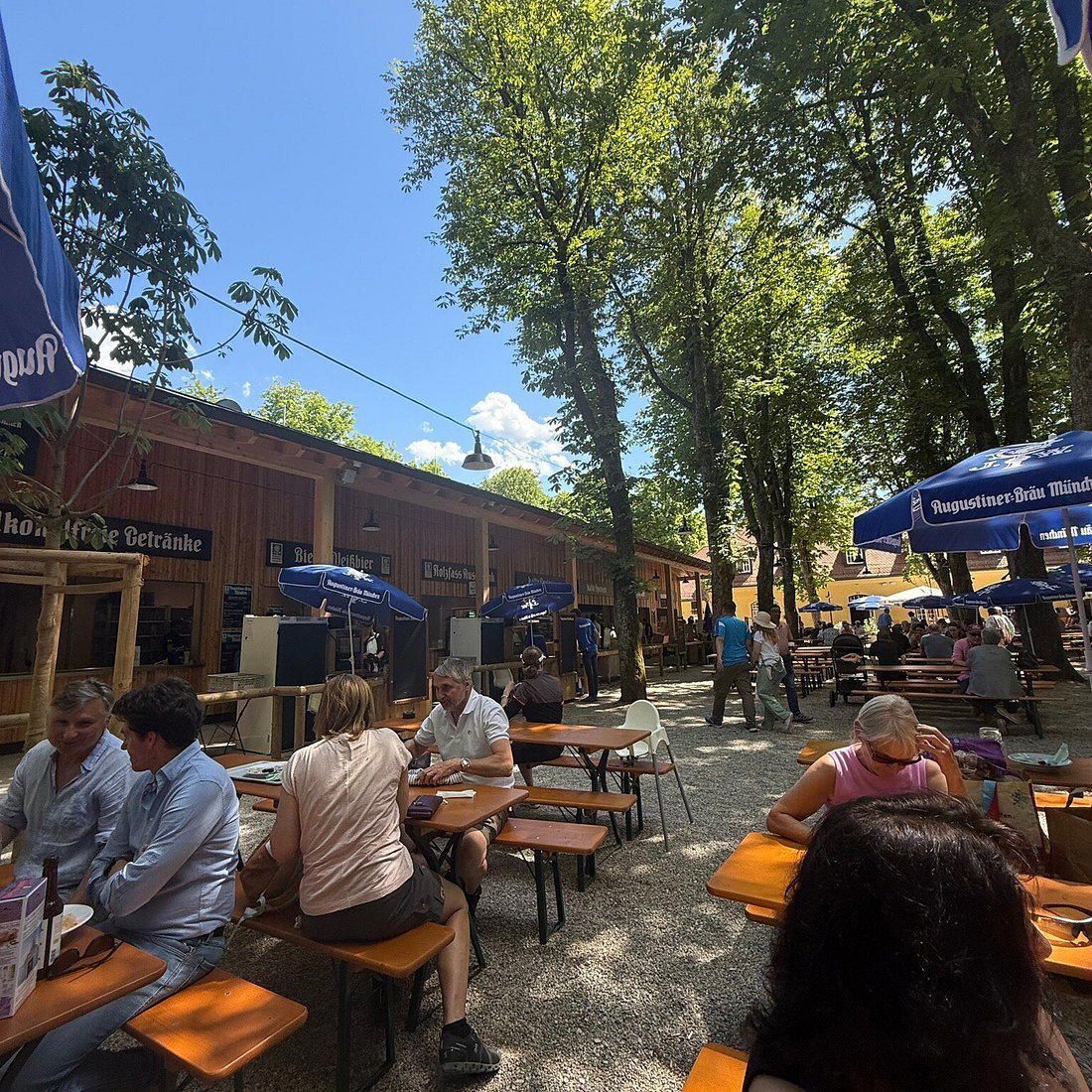
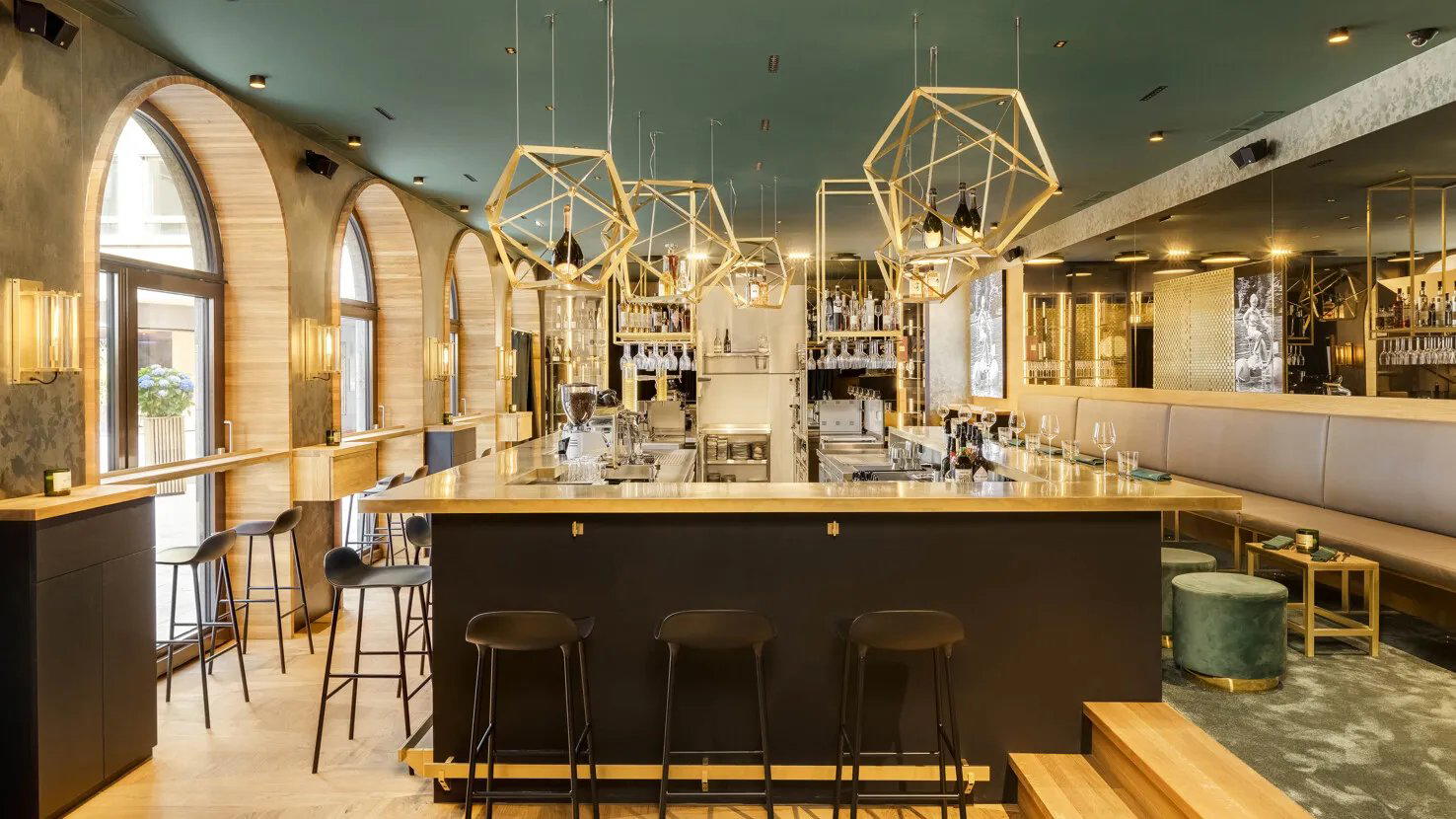
The physical register of a Bavarian Gasthof follows conventions that have not changed substantially in decades: wood-panelled dining rooms, tiled stoves in older buildings, simple tableware, and a service style that is attentive without formality. The room at Il Plonner reads as a working inn rather than a preserved artifact. That distinction matters. Tourist-facing versions of traditional Bavarian hospitality can feel staged in a way that strips them of the very quality they are meant to represent. A functioning village inn, where the same tables turn over for lunch service and dinner and the regulars know what they are ordering before they sit down, carries a different texture entirely.
Germany's hotel and restaurant scene has expanded significantly at the formal end in recent years, with recognized programs at Restaurant Haerlin in Hamburg, Schanz in Piesport, and AUGUST in Augsburg. At the other end of the spectrum, formats like Il Plonner represent the part of German dining culture that resists formalisation, and which continues to draw a loyal, local clientele precisely because it does not try to be something it is not. The comparison also extends internationally: the kind of rooted, ingredient-proximity cooking that defines the Dorfgasthof tradition sits in a similar cultural position to the French auberge de campagne, even if the cooking register is entirely different.
Planning a Visit
Il Plonner is located at Gautinger Str. 52, 82234 Weßling, in the Starnberg district of Upper Bavaria. Weßling is accessible from Munich by S-Bahn on the S8 line, with the journey from central Munich taking approximately 40 minutes to Weßling station; the Gasthof sits within walking distance of the village centre. For those driving from Munich, the A96 motorway connects the city to the Weßling area. Current hours and reservations are as listed for the venue. Reservations on weekends, particularly during summer when the lake district sees heavier leisure traffic from Munich, are advisable.
How It Stacks Up
Comparable venues nearby, for context on price, style, and recognition.
| Venue | Cuisine | Price | Awards | Notes |
|---|---|---|---|---|
| Il Plonner - Der DorfgasthofThis venue — the venue you are viewing | Bavarian-Italian Fusion | $$$ | , | |
| Kühners Landhaus | Modern Bavarian Steakhouse | $$$ | , | Kissing |
| Berghotel Sonnebichl | Bavarian & Haute Cuisine | $$$ | Bad Wiessee | |
| Restaurant Ofenhaus | Modern German Crossover | $$$ | , | Oberhausen |
| Haxnbauer | Traditional Bavarian | $$$ | , | Altstadt |
| Schlosswirtschaft Schleissheim | Traditional Bavarian & Austrian | $$$ | , | Oberschleißheim |


At a Glance
- Rustic
- Cozy
- Classic
- Date Night
- Family
- Historic Building
- Open Kitchen
- Beer Program
- Organic
- Local Sourcing
Cozy traditional village inn atmosphere infused with Italian joie de vivre, featuring herb, tomato sauce, and crispy meat aromas.