

1 Michelin Star
Our verdict
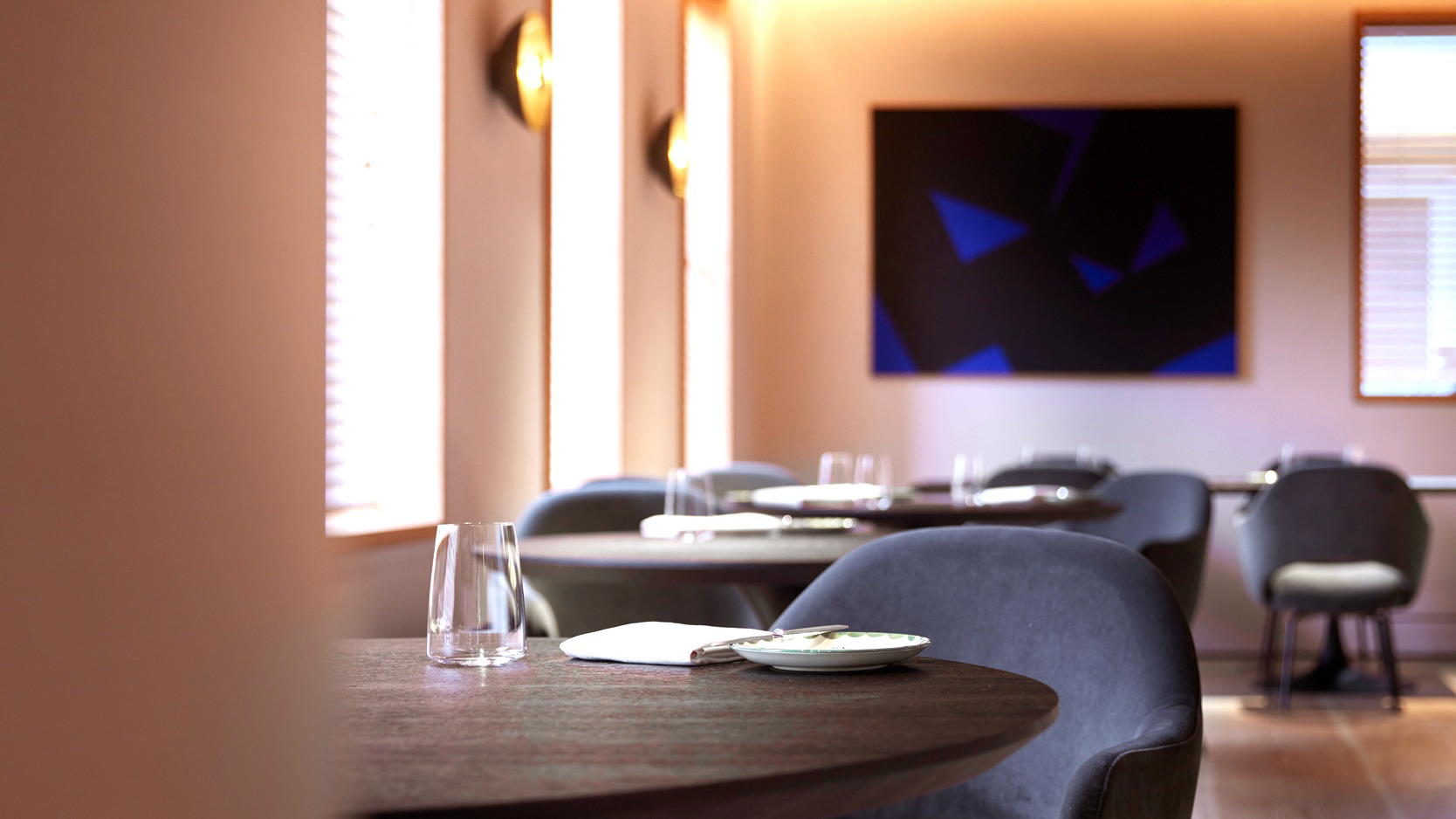
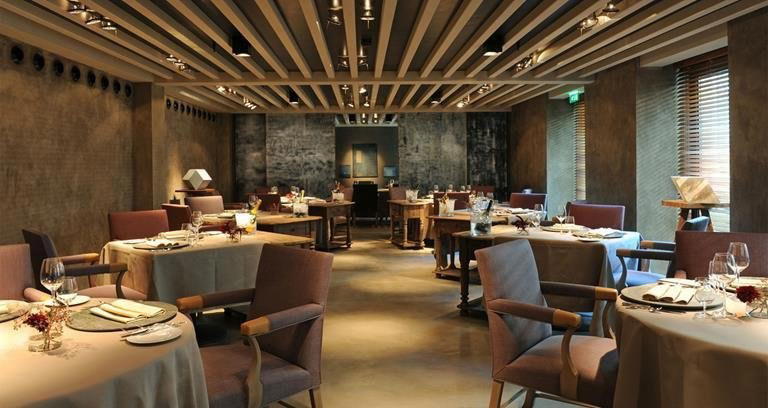
Aubergine Starnberg transforms hotel dining expectations with Chef Maximilian Moser's Michelin-starred contemporary cuisine, served in an elegant glass conservatory overlooking Lake Starnberg. Bavaria's only lakeside Michelin star destination offers seasonal tasting menus that celebrate both regional traditions and international influences.

Pearl is the En Primeur Club membership app — saves, bookings, and concierge access live there. Same editors, same standards.
- Address
- Münchner Str. 17, 82319 Starnberg, Germany
- Phone
- +49 8151 4470290
- Hours
- Mon–Tue ClosedWed–Sat 6:30–10 PMSun Closed
- Website
- aubergine-starnberg.de
- Directions
- Get directions
- Booking
- Book on OpenTable
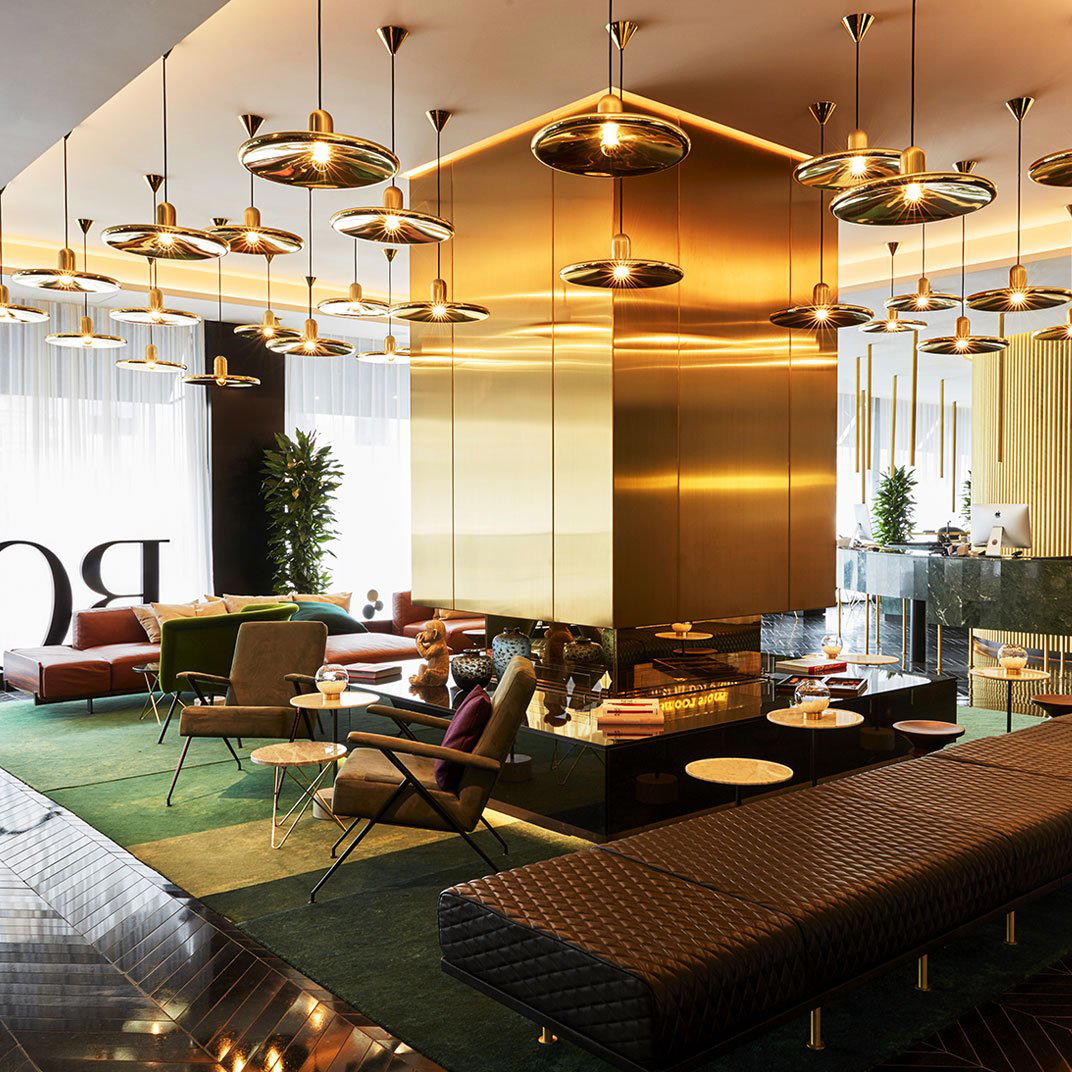
Starnberg's Creative Counter, Placed in Context
Münchner Strasse runs through the quieter residential edge of Starnberg, a prosperous lakeside town about 25 kilometres southwest of Munich. The street is not a dining destination in any conventional sense: no cluster of restaurants, no obvious pedestrian energy. Aubergine sits at number 17 in that environment, and the address matters because it establishes the register immediately. This is not a venue designed for passing trade or neighbourhood buzz. It operates on the logic of destination dining, where the table is the reason for the trip and the surrounding calm is part of the contract.
Within Germany's creative fine-dining tier, that positioning has become increasingly coherent. A generation of serious restaurants has moved away from city-centre theatre districts and into smaller, quieter towns or suburban addresses, finding that the resulting focus suits the format. ES:SENZ in Grassau follows a similar logic in the Bavarian Alps, and Waldhotel Sonnora in Dreis has operated on comparable terms in the Eifel for decades. The quiet address and the serious cooking are not in tension; they reinforce each other.
The Creative Format and Its German Coordinates
Germany's leading creative restaurants occupy a distinct competitive tier. Below that, a dense mid-tier of one- and two-star creative addresses is doing some of the most genuinely experimental work in the country. CODA Dessert Dining in Berlin, Vendôme in Bergisch Gladbach, and JAN in Munich all sit in that zone, each with a distinct formal language but a shared appetite for technique-led menus that resist easy categorisation.
Aubergine holds a Michelin star as of 2025 and belongs in that conversation. Its cuisine is classified as Creative, which in Michelin's vocabulary signals a willingness to move beyond established national or regional frameworks. The designation is less about novelty for its own sake and more about structural intent: menus built around a point of view rather than around the conventions of a single tradition. That approach demands a kitchen with genuine range, and Aubergine's standing in the Opinionated About Dining rankings confirms the kitchen is delivering against that standard. A Michelin star tells you the kitchen meets a threshold of technical consistency; sustained OAD recognition over three consecutive years (ranked 22nd in 2023, 21st in 2024, and 27th in 2025 in the North America rankings) tells you the kitchen is cooking food that serious diners return to discuss.
Justin Cogley and the American-in-Germany Trajectory
The creative restaurant format in Europe has absorbed a steady stream of American-trained chefs over the past decade, and their trajectories tend to follow recognisable patterns. Chefs who built reputations in the United States, often at properties with strong ingredient sourcing programs or tasting-menu formats, have found that European settings offer a different relationship with producers, a different pace of dining culture, and a different critical audience. The move recalibrates the chef's reference points and frequently produces a more distilled kind of cooking.
Justin Cogley fits that pattern. His professional record in the United States is documented: he built a substantial reputation at Aubergine at L'Auberge Carmel in California, where the restaurant earned sustained critical recognition and his cooking was noted for precision and a strong seasonal orientation. The OAD rankings for the Starnberg iteration of Aubergine reflect a reputation that crossed the Atlantic with him rather than one that had to be rebuilt from scratch. That continuity in critical reception is unusual and meaningful: it suggests the cooking retains a coherent identity across radically different supply chains, cultural contexts, and dining audiences.
What the German chapter adds to that story is harder to specify without firsthand menu access, but the Michelin recognition in 2025 indicates the work has been validated within the European framework, not just imported wholesale from a Californian model. The star is awarded by Michelin's German inspectors, whose criteria reflect European dining conventions. Earning it in Starnberg, rather than in a high-profile Munich address, adds a layer of credibility: there is no ambient prestige from a famous street or a crowded restaurant district doing any work here. The cooking carries the weight on its own.
Opinionated About Dining and What the Rankings Signal
OAD rankings deserve a careful read. The survey draws responses from a self-selected group of serious diners, critics, and industry figures, and its results skew toward restaurants that attract return visits and generate discussion among that community. Consecutive top-30 placements in a North America-adjacent ranking for a restaurant in Bavaria indicate that Aubergine has a following that travels and that its reputation extends well beyond the local Starnberg and Munich radius.
The slight shift from 21st in 2024 to 27th in 2025 is not a signal of decline; the ranking pool at that level is dense and volatile, and movement of six places in either direction within the top 30 reflects the mechanics of the survey more than any meaningful change in quality. The relevant data point is the three-year consistency: no year without a top-30 placement, which in a survey of this type indicates a kitchen that is not coasting on reputation. For comparison, restaurants like Restaurant Haerlin in Hamburg and Schanz in Piesport operate within the same broad German fine-dining ecosystem, each with their own critical footprint.
Getting There and Planning the Visit
The practical logistics of a Starnberg dinner from Munich are direct. The S-Bahn S6 line connects Munich Hauptbahnhof to Starnberg in approximately 35 minutes, running frequently enough to accommodate both early and late dinner slots without requiring a car. Starnberg is a small town and the walk from the station to Münchner Strasse 17 is manageable on foot, though taxis are available. For those arriving by car from Munich via the A95, the drive is roughly 30 minutes depending on traffic. Given the price range (€€€€, consistent with Germany's serious tasting-menu tier) and the absence of a casual walk-in culture at this level, advance booking is expected. Guests who want to stay in the area rather than return to Munich the same evening will find accommodation options in Starnberg itself; see our full Starnberg hotels guide for specifics. The broader dining ecosystem around the lake is covered in our full Starnberg restaurants guide, and those extending their stay will find further context in our Starnberg bars guide, our Starnberg wineries guide, and our Starnberg experiences guide.
It also suggests the service operation is holding up its side of the equation, which at €€€€ pricing is a non-trivial requirement. Properties like Victor's Fine Dining by Christian Bau in Perl and Bagatelle in Trier operate in similar registers where service coherence is as much a part of the offering as the food itself.
What the Visit Is Actually For
Aubergine in Starnberg is the kind of address that rewards a specific type of decision: the deliberate trip rather than the opportunistic booking. The town setting removes the competitive noise of a city dining district. The creative format means the menu will not be legible against a single national tradition, which is either an appeal or a deterrent depending on what you are after. The OAD and Michelin credentials together indicate a kitchen operating with ambition and consistency, and the chef's documented background in California adds an American-precision-meets-European-ingredient dimension that the creative classification only partially captures.
Frequently asked questions
What price level is Aubergine?
Pricing at Aubergine is listed as €€€€.
Comparable Spots, Quickly
| Venue | Cuisine | Price | Awards |
|---|---|---|---|
| AubergineThis venue — the venue you are viewing | Michelin-Starred Contemporary Fine Dining | $150–200 | 1 Michelin Star |
| Schwarzwaldstube | French, Classic French | Not listed | Michelin 3 Star |
| Aqua | Contemporary German, Italian/Japanese, Creative | Not listed | Michelin 3 Star |
| CODA Dessert Dining | Creative | Not listed | Michelin 2 Star |
| Tantris | Modern French, French Contemporary | Not listed | Michelin 2 Star |
| Vendôme | Modern European, Creative | Not listed | Michelin 2 Star |
Recognition history
Dated appearances from independent guides and award organizations, with the underlying list record or original source where available.
Michelin 1 Star
Michelin
Opinionated About Dining Top Restaurants in North America Ranked #27
Opinionated About Dining
Full recognition history (5 entries)
Michelin 1 Star
Michelin
Opinionated About Dining Top Restaurants in North America Ranked #21
Opinionated About Dining
Opinionated About Dining Top Restaurants in North America Ranked #22
Opinionated About Dining
Continue exploring
More in Starnberg
Restaurants in Starnberg
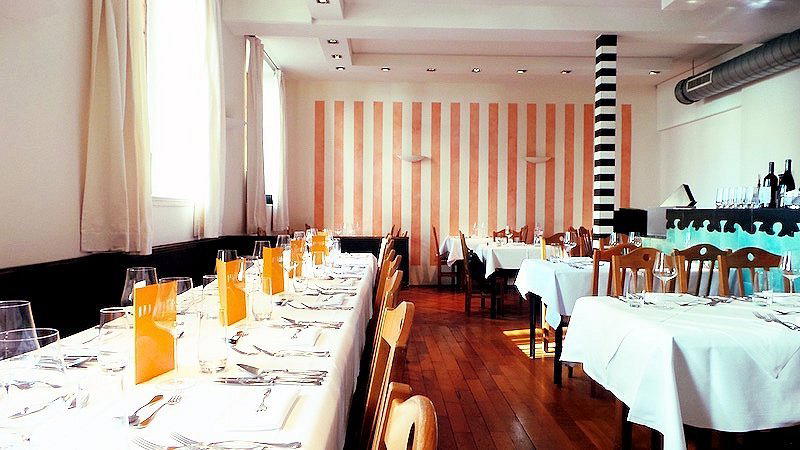
Browse all →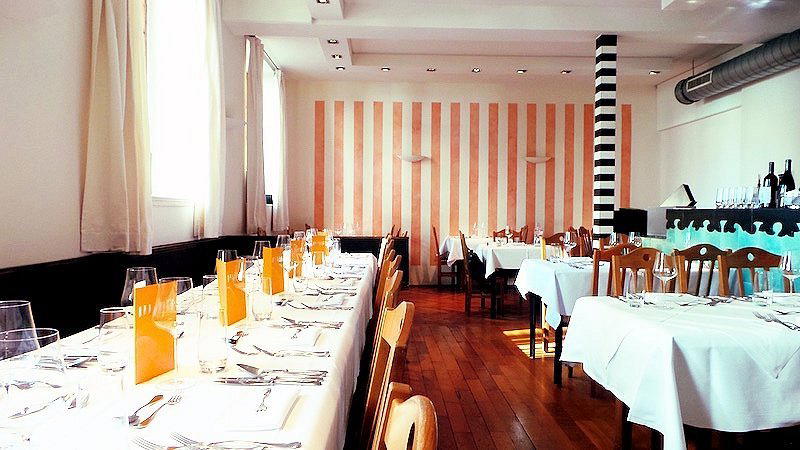
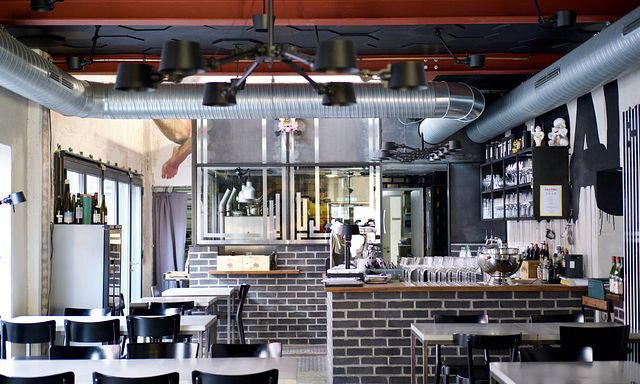
Bars in Starnberg
Browse all →
Details
- Elegant
- Sophisticated
- Intimate
- Date Night
- Special Occasion
- Hotel Restaurant
- Extensive Wine List
- Tasting Menu
- Vegetarian Friendly
- Gluten Free Options
Current opening hours
- Monday
- Closed
- Tuesday
- Closed
- Wednesday
- 6:30–10 PM
- Thursday
- 6:30–10 PM
- Friday
- 6:30–10 PM
- Saturday
- 6:30–10 PM
- Sunday
- Closed
Hours can change for holidays and private events. Last verified .
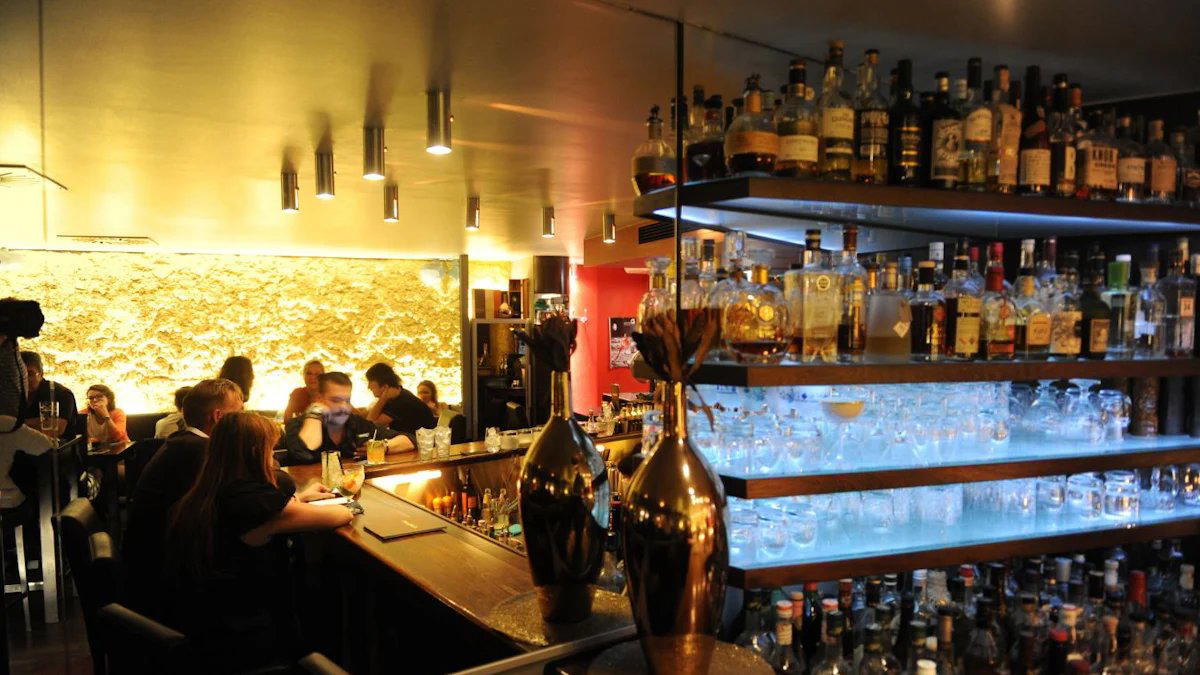
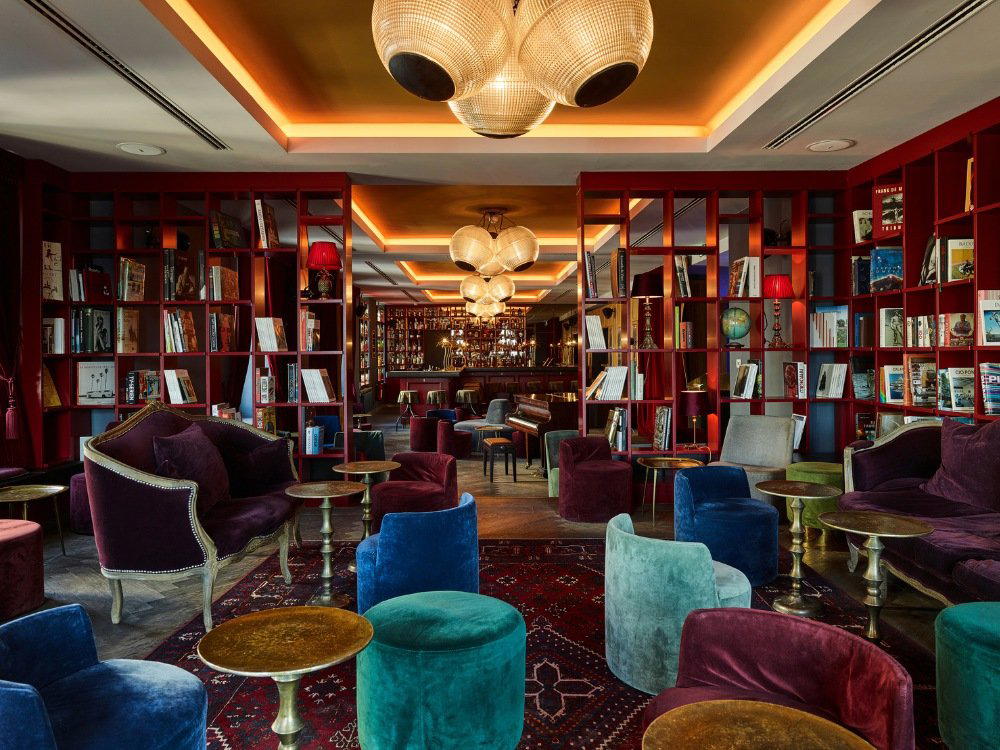
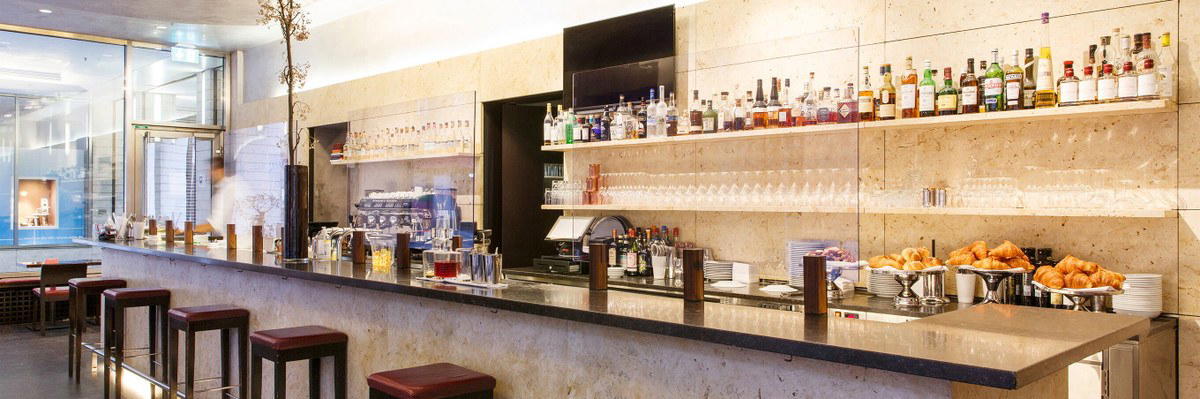
Relaxing and dignified atmosphere with pleasant, non-distinctive ambiance suitable for special evenings.