A 19th-century manor estate on the southern edge of Munich, Gutshof Menterschwaige sits where the city gives way to the Isar valley. The property operates in a tradition of Bavarian Gutsgaststätten, estate inns where agriculture, hospitality, and regional cooking have overlapped for generations. It draws locals and visitors alike seeking that particular combination of outdoor space, hearty cooking, and proximity to the river.
Pearl is the En Primeur Club membership app — saves, bookings, and concierge access live there. Same editors, same standards.
- Address
- Munich, Germany
- Website
- augustinermenterschwaige.de
- Directions
- Get directions
 Saves & bookings on Pearl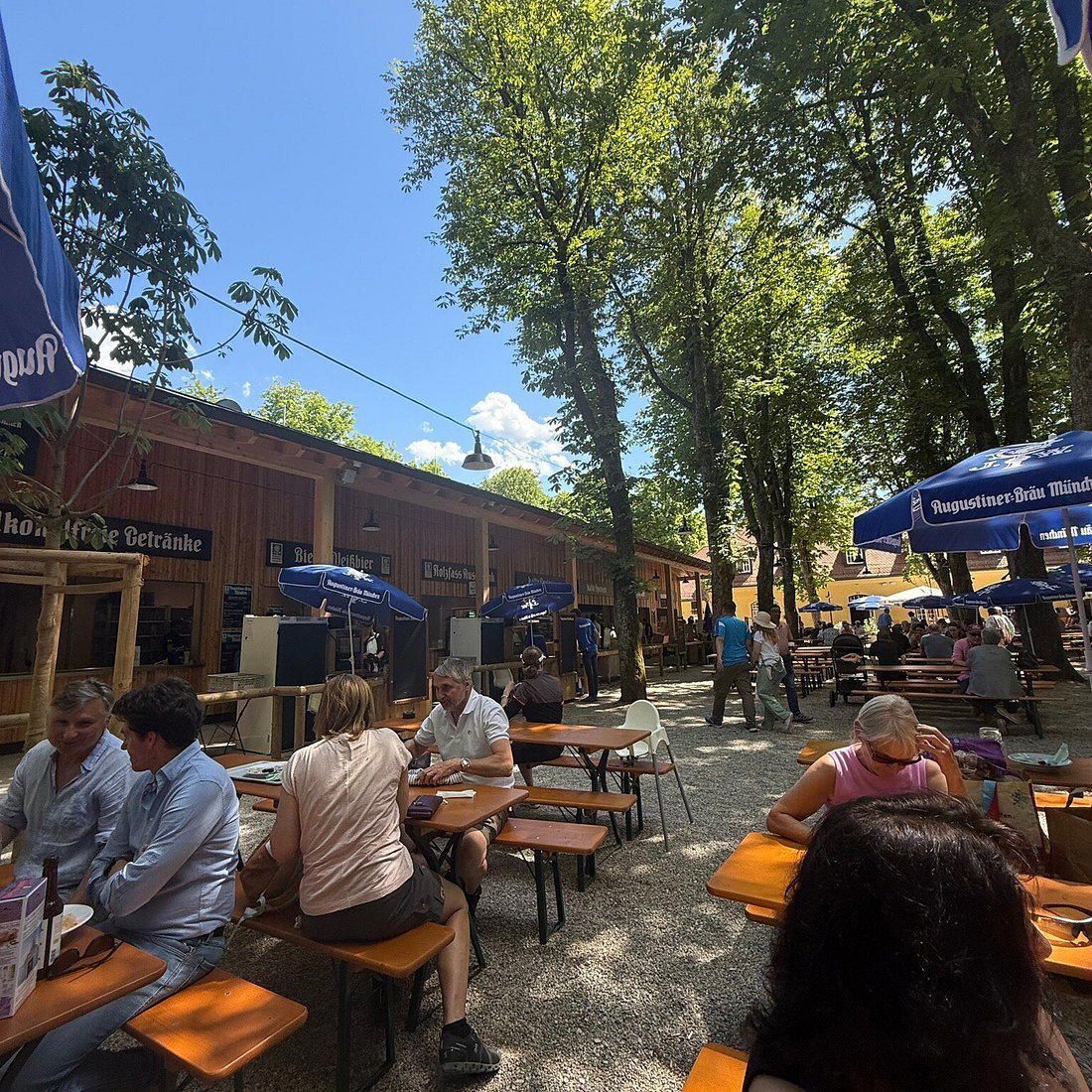
Where the City Ends and Bavaria Begins
Gutshof Menterschwaige is a casual bar in Munich, where city-edge setting and traditional hospitality define the experience. It earns its standing over generations, through the specific weight of its setting and the consistency of what it puts on the table. Gutshof Menterschwaige belongs to this category: a historic estate property on the southern fringe of the city, positioned where the urban grid dissolves into the wooded banks of the Isar. The approach through the Harlaching district, away from the tourist corridors of the Altstadt and the beer hall circuit of the centre, is itself a signal. This is not a place that competes on visibility.
The Gutsgaststätte, or estate inn, is one of Bavaria's more durable hospitality forms. These properties originated as working agricultural estates with attached guest facilities, and the better ones have retained a physical coherence that newer constructions cannot replicate. The compound format, the outdoor seating calibrated to the seasons, the sense of a self-contained world slightly removed from the city, these are not design choices so much as inherited conditions. Gutshof Menterschwaige operates within that tradition, and the experience of arriving there carries the particular satisfaction of a place that has not needed to reinvent itself to remain relevant.
The Bavarian Table, in Context
Bavarian cuisine occupies an interesting position in the broader German culinary picture. It is simultaneously the country's most internationally recognised regional cooking and the one most frequently reduced to caricature, the pretzel, the white sausage, the litre stein. What the caricature misses is the genuine depth of a tradition built around seasonal produce, careful preservation techniques, and a meat-and-dairy culture shaped by alpine farming. The Brotzeit, the roast pork and crackling, the freshwater fish from Bavarian lakes, the specific character of a Radler or a Helles served at the correct temperature, these are not incidental details but expressions of a food culture with clear regional logic.
An estate property like Gutshof Menterschwaige is where that tradition is most legibly expressed. The format presupposes outdoor eating, communal tables, and a menu that follows the logic of what the season and the region provide. This is distinct from the urban beer hall, which has become in many cases a set piece for tourism, and from the white-tablecloth Bavarian restaurants that translate regional cooking into fine-dining register. The Gutsgaststätte occupies its own middle ground: unpretentious but not informal, regional but not nostalgic.
Setting and Season
The relationship between Munich's green spaces and its hospitality culture is closer than in most European cities of comparable size. The English Garden's beer gardens, the Isar riverside paths, the network of parks running south through Harlaching and Menterschwaige, these are not peripheral amenities but central to how Münchners understand leisure. The bar's position within this geography places it in a comparable set that includes some of the city's most-used outdoor hospitality spaces, while its estate character separates it from the larger, more festival-like beer garden formats.
Timing matters here. Munich's outdoor hospitality season runs meaningfully from late April through October, with the warm months drawing the largest volumes and the shoulder periods offering a quieter version of the same experience. A visit in early May or late September gives the outdoor areas without the peak-summer density. The proximity to the Isar valley and the Harlaching park system also makes the bar a natural endpoint for a walk, a practical consideration that shapes the rhythm of a visit more than any booking strategy.
Placing It Among Munich's Drinking and Dining Circuits
Munich's bar and restaurant culture has two relatively distinct registers. The first is the traditional and the civic: beer halls, Wirtshäuser, and estate properties like this one, where the vocabulary is Bavarian and the social function is communal. The second is the international and the curated: cocktail bars, wine bars, and modern restaurants operating in a European metropolitan idiom. Both registers have serious practitioners. Goldene Bar and Schuman's Bar represent Munich's more polished cocktail offer, while Augustiner Stammhaus anchors the traditional end of the beer culture. Blaue Libelle sits somewhere in between, occupying the Olympiapark site with a format that blends outdoor scale and contemporary food and drink.
The bar belongs firmly to the first register, but with the spatial and historical depth that distinguishes it from venues that simply perform Bavarian tradition. For visitors oriented around the cocktail and bar circuit, it is a useful counterpoint, a reminder that Munich's most confident hospitality is often the least self-conscious about what it is.
Across Germany, the same bifurcation appears in different forms. The Parlour in Frankfurt on the Main and Le Lion Bar de Paris in Hamburg represent the international cocktail end of their respective cities' drinking cultures. Uerige in Dusseldorf and Kieler Brauerei am Alten Markt in Kiel operate in a tradition-first register more analogous to what the bar represents in Munich. Buck and Breck in Berlin and Bar Trattoria Celentano in Cologne show how the bar format adapts to different urban personalities, while Bar Leather Apron in Honolulu illustrates how a serious cocktail program can root itself in a specific place's identity rather than an international template.
Planning a Visit
Getting to the bar requires leaving the city centre behind, which should be considered a feature of the visit rather than an inconvenience. The Harlaching area is accessible by public transport, and the walk from the nearest stop through the riverside paths is part of the logic of a trip here. Given the estate's position as an outdoor dining destination, fair-weather timing matters more than specific booking advice, though for larger groups or weekend visits in high summer, confirming arrangements in advance is practical. The venue sits within the broader arc of a south Munich day that might also include the Isar banks and Harlaching park, and treats it accordingly.
Budget Reality Check
Comparable venues nearby, for context on price, style, and recognition.
| Venue | Cuisine | Price | Notes |
|---|---|---|---|
| Gutshof MenterschwaigeThis venue — the venue you are viewing | Not listed | $$ | Not listed |
| Trisoux Bar | Isarvorstadt, Bar | Not listed | Not listed |
| Löwenbräu Festzelt (nur während Oktoberfest geöffnet) | Not listed | $$ | Theresienwiese, beer_bar |
| Cortiina Hotel | Not listed | $$$$ | Altstadt, hotel_bar |
| Theresienhöhe 7 | Theresienwiese, lounge | $$$ | Not listed |
| Paulaner am Nockherberg | Not listed | $$ | Au, beer_bar |
At a Glance
- Rustic
- Cozy
- Scenic
- Casual Hangout
- Group Outing
- Beer Garden
- Historic Building
- Garden
- Outdoor Terrace
- Communal Tables
- Craft Beer
- Garden
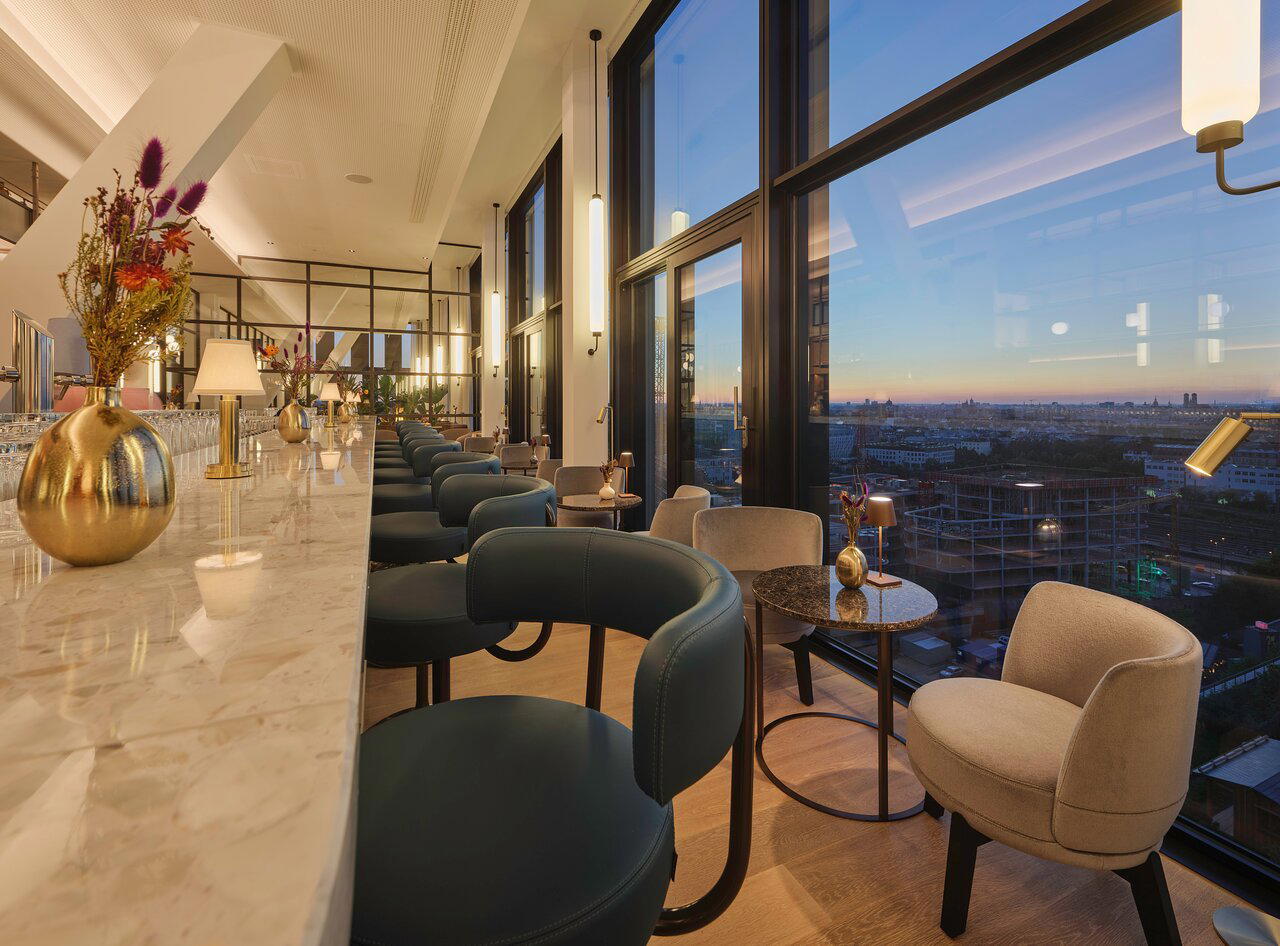
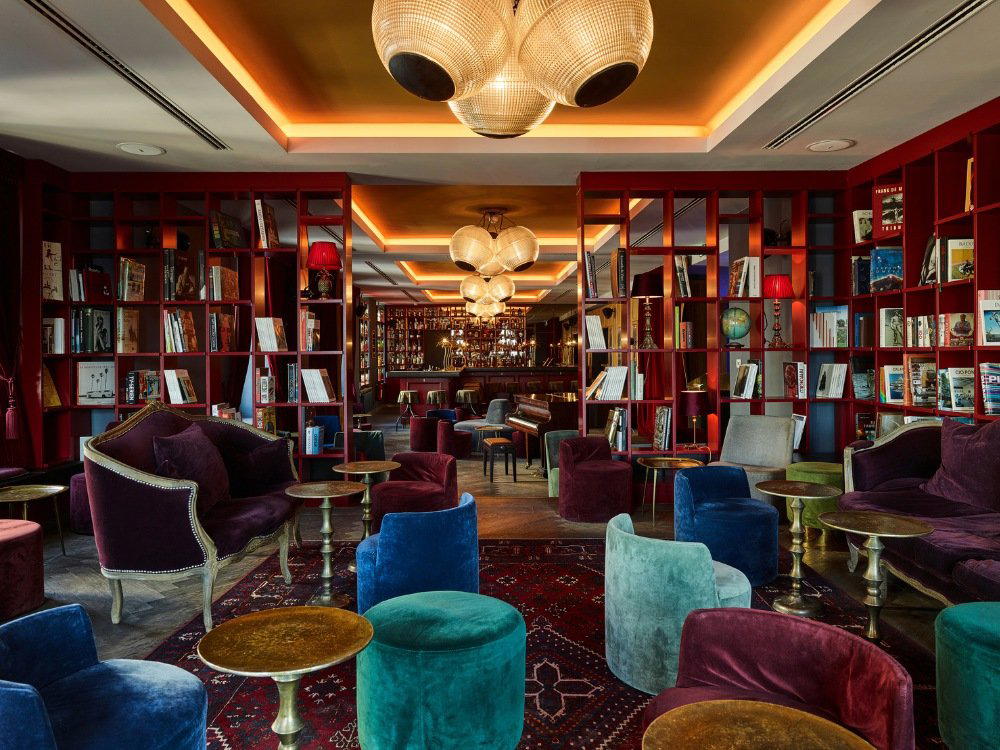
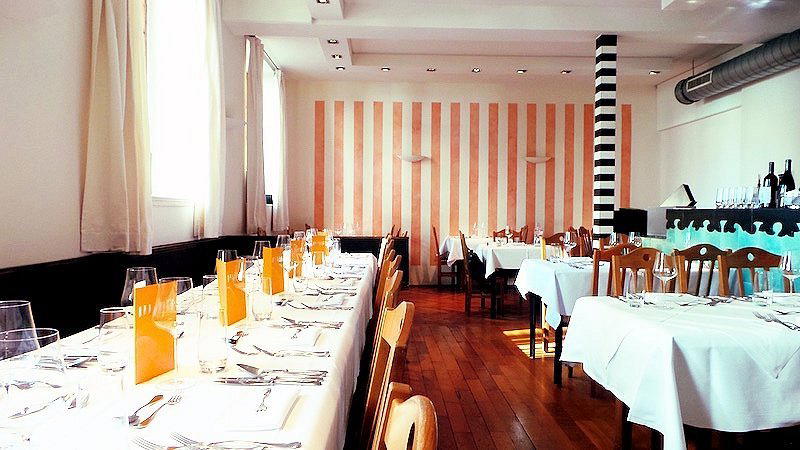
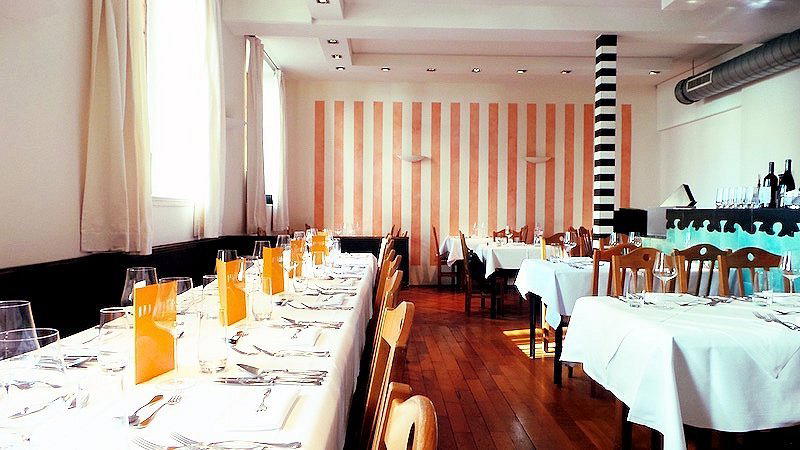
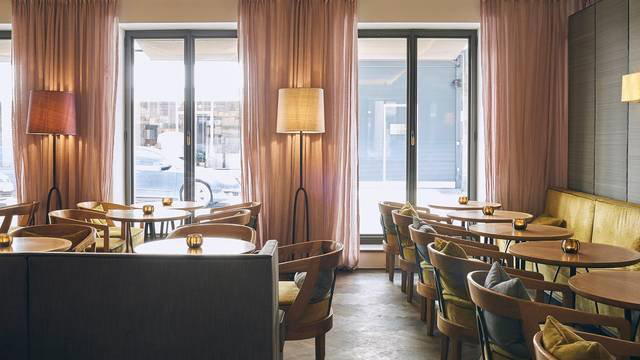
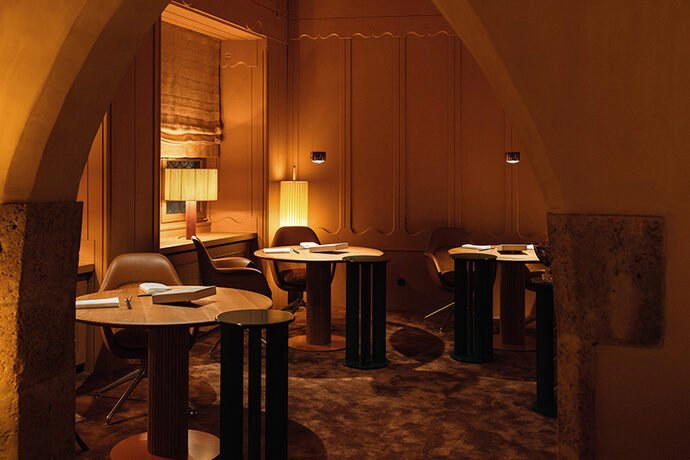
Charming Bavarian gemütlichkeit with rustic indoor seating and spacious outdoor beer garden shaded by chestnut trees offering scenic river views.