

In Osaka's Chuo Ward, IDEAL bistro occupies a quiet stretch of Tanimachi that sits at some distance from the city's more trafficked dining corridors. The restaurant operates within a dining culture where collaboration between kitchen, floor, and cellar defines the experience as much as any single dish. For visitors tracing Osaka's less advertised bistro tier, it belongs on the shortlist.
Pearl is the En Primeur Club membership app — saves, bookings, and concierge access live there. Same editors, same standards.
- Address
- Japan, 〒540-0012 Osaka, Chuo Ward, Tanimachi, 1 Chome−6−5 2階
- Phone
- +81663604315
- Website
- idealfoodflower.com
- Directions
- Get directions
 Saves & bookings on Pearl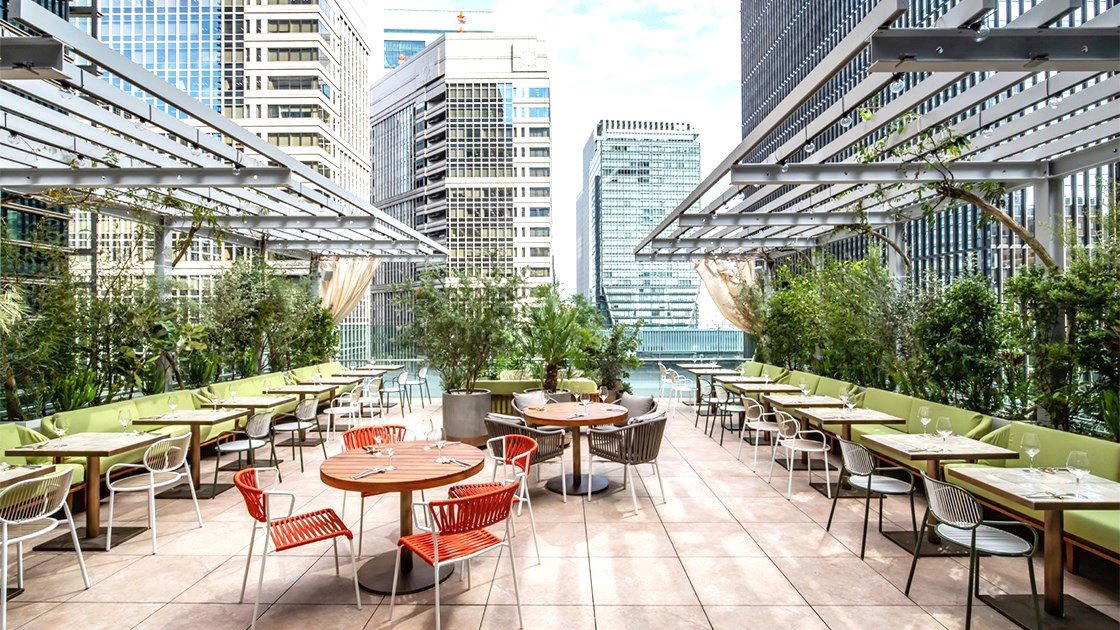
Tanimachi's Quieter Register
Osaka's dining reputation tends to cluster around Namba's street-level intensity or the kaiseki rooms of Kitashinchi, but Chuo Ward's Tanimachi corridor runs on a different frequency. The numbered chome addresses here signal a more residential grain: fewer neon signs, more unmarked doors, and a local clientele that tends to return rather than discover. IDEAL bistro sits at 1 Chome−6−5, Tanimachi, Osaka, a location that places it inside this quieter register rather than along any obvious tourist path. Approaching on foot, the neighbourhood feels more like a working district that happens to contain serious restaurants than a designated dining zone, which is precisely the condition that allows a place to develop a loyal room rather than a passing one.
That distinction matters in a city like Osaka, where the gap between a venue built for tourism and one built for repeat use is often visible from the street. The bistro format, wherever it appears, depends on that repeat-use logic: the menu cycles, the staff remember you, and the experience accumulates meaning across visits rather than delivering everything at once. In Osaka's mid-tier dining scene, that model competes with both the high-ceremony kaiseki tradition and the casual standing bars of the shotengai, occupying a middle ground that requires a specific kind of discipline to hold.
The Collaborative Architecture of a Bistro Room
The editorial angle most relevant to IDEAL bistro is not a single chef's vision but the dynamic between kitchen, floor, and cellar that defines the bistro format at its most functional. In cities where this format has matured, think of the neighbourhood bistronomy movement in Paris, or the small-plates collaborations that characterise the better rooms in Tokyo's Shibuya and Aoyama, the experience depends on three roles working in genuine synchrony. The kitchen sets the tempo and determines what the evening can deliver. The front-of-house reads the room and decides how much of that delivery reaches the guest. The sommelier or drinks lead bridges both, matching pace and flavour without making either side wait.
When that collaboration works, the result is an evening that feels unconstructed even when it has been carefully engineered. Dishes arrive in a sequence that reflects both kitchen readiness and table rhythm. Wine or sake suggestions arrive before the guest needs to ask. The floor team knows which tables are on a tight schedule and which are not. This is not a feature of any single venue's personality; it is the defining competence of the bistro format done well, and it is what separates a room that feels alive from one that simply fills seats.
Osaka's bistro tier has been developing this competence gradually, partly through chefs who have returned from European training and partly through a younger generation of sommeliers who have studied both French and Japanese cellar traditions. The result is a small cohort of rooms where the collaborative model has taken hold. For regional comparison, the kaiseki tradition at places like Ajikitcho Bunbuan or the French-influenced precision at HAJIME in Osaka represent the higher end of that spectrum, but the bistro tier operates with less ceremony and, often, more flexibility, a different set of trade-offs rather than an inferior one.
Where IDEAL Bistro Sits in the City's Dining Map
Chuo Ward contains a broader range of dining than most visitors process on a first trip. The kaiseki and omakase rooms that dominate international coverage represent one layer, but the neighbourhood also supports a working bistro culture that runs alongside the formal tier without competing with it directly. Venues like Aka to Shiro and Calendrier occupy different positions within this broader French-influenced cohort, and Az demonstrates how the city's more experimental kitchens are absorbing international technique. The restaurant's Tanimachi address places it adjacent to this conversation without being directly inside the more publicised venues.
For those building a longer Osaka itinerary, the Tanimachi location connects reasonably to the broader Chuo Ward dining corridor. Ajihei Sonezaki operates in a different part of the city's mid-tier, and the contrast between its approach and a bistro format like IDEAL's is itself instructive about the range the city now offers. Visitors crossing from other Kansai cities will find context in Gion Sasaki in Kyoto and akordu in Nara, both of which demonstrate how the region's French-Japanese synthesis plays out across different urban registers. Further afield, Goh in Fukuoka and Harutaka in Tokyo offer reference points for how the national dining scene frames serious mid-format rooms against their more decorated neighbours.
Planning a Visit
Visitors should approach the restaurant with the same due diligence appropriate to any Osaka room operating outside the major reservation platforms. For Tanimachi specifically, the area is accessible from Tanimachi Ichome Station on the Tanimachi and Sakaisuji subway lines, which puts it within a short walk without requiring a taxi from the central Namba or Shinsaibashi interchanges. The neighbourhood's pace suits an early evening arrival: foot traffic is lighter here than in the southern dining districts, and the character of the street changes noticeably after dark.
Those assembling a multi-day Osaka itinerary might also consider how the bistro tier sits alongside the city's more standing-bar and yakitori culture. Birdland in Sakai and venues in the northern suburbs like å¤ä»å±±ä¹ in Sapporo illustrate how Japan's regional cities have developed their own parallel bistro and grill traditions. Internationally, Le Bernardin in New York City and Atomix in New York City represent the kind of rigorous front-of-house collaboration that the bistro format, at its most disciplined, aspires toward, useful calibration points for those approaching Osaka's mid-tier.
Comparison Snapshot
Comparable venues nearby, for context on price, style, and recognition.
| Venue | Cuisine | Price | Notes |
|---|---|---|---|
| IDEAL bistroThis venue — the venue you are viewing | Michelin-Starred French Bistro | $$$ | Not listed |
| Calendrier | Seasonal French Cuisine | $$$ | Chūō |
| アドック | Modern French-Japanese Fusion | $$$$ | Fukushima |
| ポンテベッキオ | Neapolitan Pizza and Italian | $$$ | Kita |
| 西天満 市がや | Modern Japanese Kaiseki | $$$ | Kita |
| Sushi Kazuma | Traditional Japanese Omakase | $$$ | Kita |
Recognition history
Dated appearances from independent guides and award organizations, with the underlying list record or original source where available.
Michelin 1 Star
Michelin
Tabelog 100 #57
Tabelog
Michelin 1 Star
Michelin
Continue exploring
More in Osaka
Restaurants in Osaka
Browse all →




Bars in Osaka
Browse all →




Hotels in Osaka
Browse all →




Wineries in Osaka
Browse all →
At a Glance
- Cozy
- Elegant
- Intimate
- Sophisticated
- Date Night
- Special Occasion
- Open Kitchen
- Natural Wine
- Farm To Table
- Local Sourcing
Current opening hours
- Monday
- 6–11 PM
- Tuesday
- Closed
- Wednesday
- Closed
- Thursday
- 12–2:30 PM, 6–11 PM
- Friday
- 12–2:30 PM, 6–11 PM
- Saturday
- 12–2:30 PM, 6–11 PM
- Sunday
- 12–2:30 PM, 6–11 PM
Hours can change for holidays and private events. Last verified .
Calming, chic, and casual interior decorated with seasonal flowers, creating an intimate parlour-like atmosphere.
Know Before You Go
- Getting there
- Japan, 〒540-0012 Osaka, Chuo Ward, Tanimachi, 1 Chome−6−5 2階