
A rural soba address in Tamba-Sasayama, Ichie An sits in the value end of Japan’s serious noodle culture: hand-focused buckwheat cooking, sake on the side, and recognition in Tabelog’s Soba WEST 100 for 2024 and 2025. The draw is not luxury theatre; it is the rare alignment of low spend, regional setting, and category credibility.
Pearl is the En Primeur Club membership app — saves, bookings, and concierge access live there. Same editors, same standards.
- Address
- 50-2 Okuma, Tamba-Sasayama, Hyogo 669-2318, Japan
- Phone
- +81 79-552-1484
- Website
- tourism.sasayama.jp
 Saves & bookings on Pearl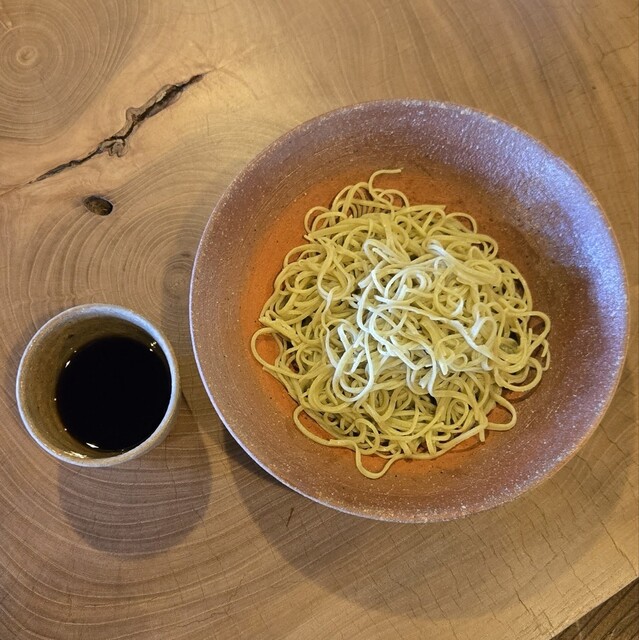
Approaching the soba houses of Tamba-Sasayama changes the dining register before a bowl arrives. Kobe restaurant talk often starts with beef counters, hotel dining rooms, and Sannomiya drinking routes, but older Hyogo rhythms sit inland, where buckwheat noodles belong to day trips, rural rooms, and lunch services built on freshness rather than ceremony. Ichie An fits that second map: not central Kobe glamour, but a soba stop that argues for leaving the city grid.
That matters because soba is one of Japan’s clearest value tests. At the luxury end, tasting menus fold buckwheat into seasonal kaiseki logic; at the everyday end, noodles become fuel. The interesting middle keeps technique visible without special-occasion pricing. Selection for Tabelog’s Soba WEST 100 in both 2024 and 2025 puts Ichie An in that conversation, especially because spend sits in the JPY 1,000 to JPY 1,999 lunch band rather than the higher brackets of many destination restaurants.
Rural soba, priced like lunch rather than ceremony
Hyogo’s premium dining identity is often read through Kobe beef, but inland food culture rewards slower comparison. Tamba-Sasayama has long been associated with agricultural produce, old merchant-town streets, and day-trip eating rather than late-night urban dining. Here, soba becomes a compact expression of place: buckwheat, water, texture, dipping sauce, and restraint. The format gives little cover to excess. If the noodles lack definition, the meal has nowhere to hide.
Ichie An’s appeal is proportion, not extravagance. The price band is closer to casual lunch than destination tasting menu, yet the recognition places it among selected soba specialists across western Japan. That gap between cost and category signal is the story. In the same broad regional orbit, Kuwa Monpe sits higher at JPY 2,000 to JPY 2,999, Soban Chi moves from JPY 2,000 to JPY 2,999 at lunch into a JPY 4,000 to JPY 4,999 dinner band, and Luna Parpados Konda occupies JPY 5,000 to JPY 5,999. NOMI RESTAURANT, framed around Japanese and innovative cooking, reaches JPY 30,000 to JPY 39,999. Against that spread, this soba house reads as disciplined spend rather than compromise.
The comparison clarifies what the meal is not. It is not a long-form restaurant performance, nor a Kobe beef occasion in the style of Aburi Niku Kobo Wakkoku Shinkobe ten or Aburi Niku Kobo Wakkoqu Kitano Sakamoto Ten. It sits closer to the Japanese habit of treating one craft category as enough: noodles, room, pacing, and a short lunch window. For travellers building a broader Kobe itinerary, it is a counterweight to steak, coffee, izakaya cooking, and international casual dining represented by Akaneya Coffee Ten, Akari, and Ali's Halal Kitchen.
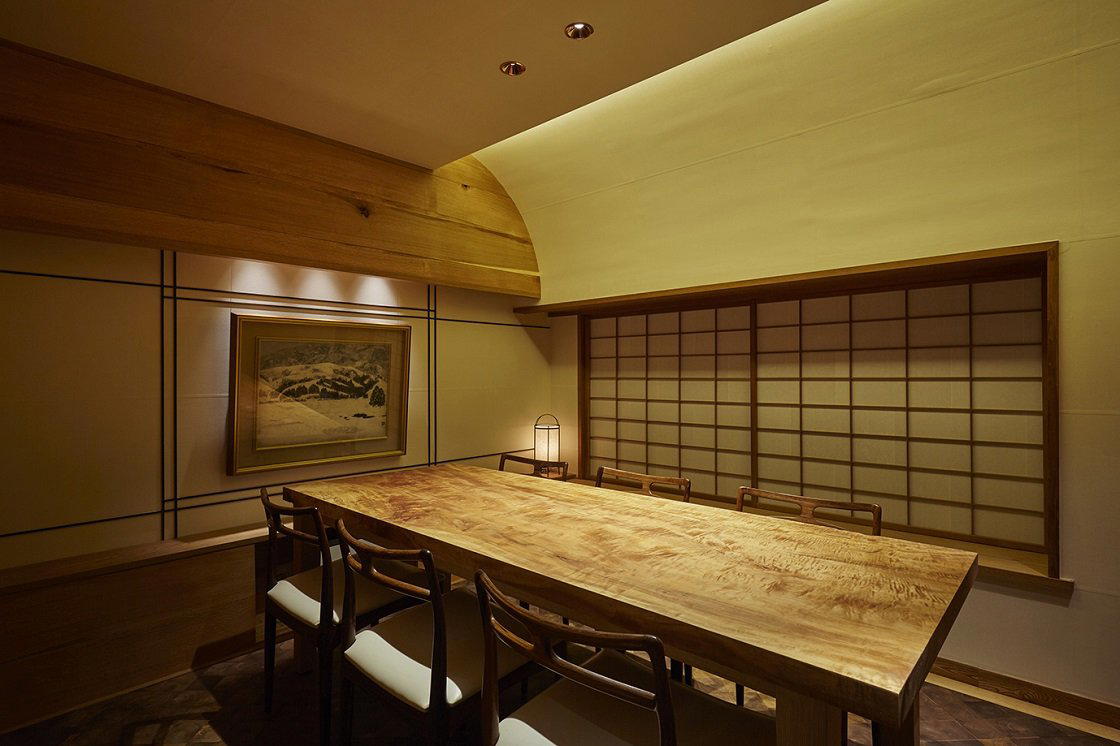
The room signals old-fashioned restraint
The setting is part of the argument, but not theatrically. Tabelog categorizes the space with tatami seating, a relaxed room, no smoking, and parking available. Those details suggest a country restaurant rhythm: arrive by car, eat during the day, and keep the meal compact. Sake is listed, which suits the genre without making the place a drinking destination. Expect soba first, extras second.
For Kobe-based visitors, this belongs to a planned rural detour rather than an improvised meal between museums. The central dining map has its own logic, and Our full Kobe restaurants guide is better for comparing urban options across neighbourhoods. The inland route needs another frame: fewer backup choices, closer attention to operating days, and willingness to let lunch define the outing. Travellers building a wider stay can balance the day with Our full Kobe hotels guide, evening drinking from Our full Kobe bars guide, regional bottles through Our full Kobe wineries guide, or cultural planning from Our full Kobe experiences guide.
Within Japan’s broader casual-specialist spectrum, the lesson travels. A narrow venue can carry as much editorial weight as a larger restaurant when the category has depth and execution is credible. That principle also explains why a sukiyaki address such as -Grilled beef Sukiyaki- KAMAKURA TANUKIAN 鎌倉 たぬき庵 in Kamakura, a tuna-and-charcoal format like. 鮪と炭火焼き うお炭 秋葉原店 in Tokyo, a compact Osaka café such as.cafe in Osaka, or a Kumamoto address like.know in Kumamoto can be read by category discipline rather than size. The same applies outside Japan, from Jōdo Saké Bar in Los Angeles to Onigiri Time in Pasadena: narrow formats reward readers who know what the format should deliver.
Who should make the trip
The strongest case for the restaurant is value with a credible filter attached. Tabelog’s Soba WEST 100 selection is not a Michelin star and should not be read as luxury validation. For this category, it is more useful: a marker that a low-priced soba specialist has entered a regional selection devoted specifically to buckwheat noodles. For travellers who want Kobe only through beef, it may feel too modest. For those who understand Japanese dining as a network of specialist crafts, the modesty is the point.
The decision comes down to itinerary shape. If the day is built around central Kobe, more convenient meals exist. If the day already reaches Tamba-Sasayama, or soba is the reason to go inland, the economics sharpen. A meal in this price range with repeated category recognition leaves budget for another serious dinner, a hotel upgrade, or a bar night back in the city. That is the practical luxury here: not excess, but a precise lunch that spends its credibility on the noodles rather than the bill.
Readers comparing compact specialist formats across Japan can place this beside casual regional cooking rather than fine dining theatre. (Shoku) Vietnam in Kawasaki and [Curry Senmon Ten] Maruyama Kyoju. in Sapporo sit in different culinary lanes, but raise the same useful question: does a focused kitchen give enough clarity for the spend? For the restaurant, the answer is unusually strong for a soba lunch, because the evidence is category-specific and the price remains grounded.
Standing Among Peers
Comparable venues to calibrate price, style, and recognition.
| Venue | Cuisine | Price | Notes |
|---|---|---|---|
| Ichie AnThis venue — the venue you are viewing | Traditional Japanese soba | $ | Not listed |
| Gyoza Senmon Ten Akaman Motomachi ten | Traditional Kobe gyoza specialist | $ | Chūō |
| Fuji | Okonomiyaki (Japanese savory pancakes) | $ | Chūō |
| Pan Yakidokoro RIKI | Japanese artisan bakery | $ | Chūō |
| Yoshoku no Asahi | Japanese Western / Yoshoku | $ | Chūō |
| Menya Isshin | Modern Ramen Shop | $ | Nada |
Recognition history
Dated appearances from independent guides and award organizations, with the underlying list record or original source where available.
Tabelog 100 #97 · No. 97
Tabelog · Tabelog 100 - Soba - WEST - 2025
Continue exploring
More in Kobe
Restaurants in Kobe
Browse all →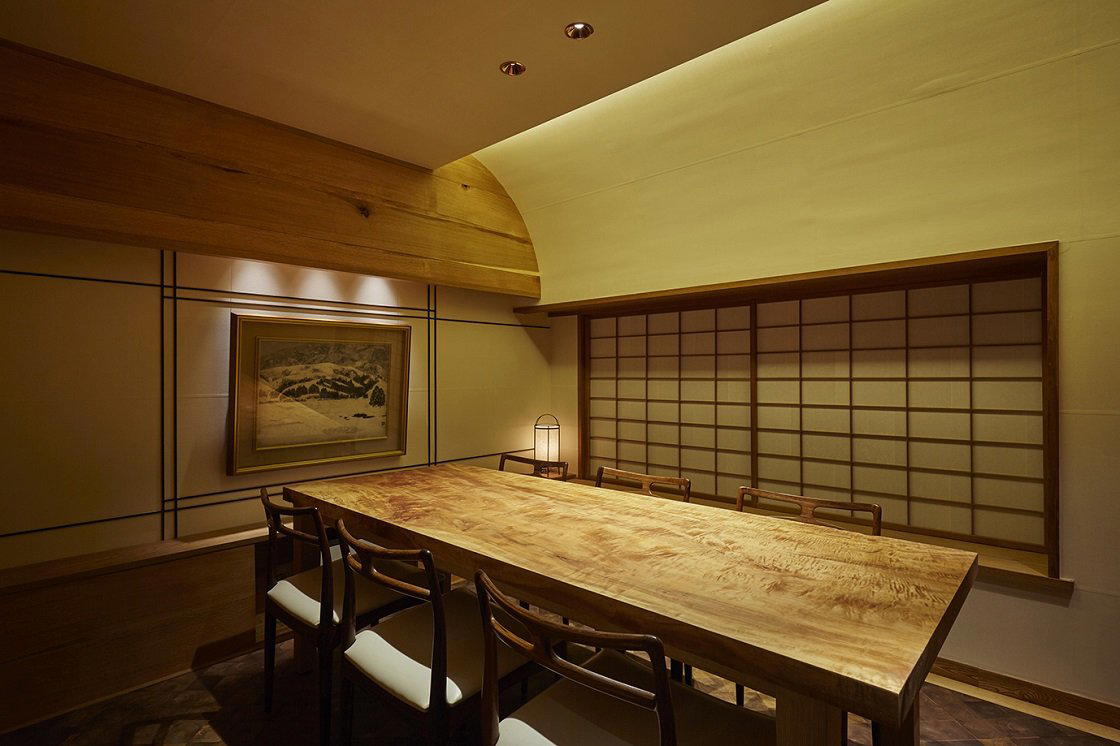
Bars in Kobe
Browse all →
Hotels in Kobe
Browse all →

At a Glance
- Rustic
- Scenic
- Cozy
- Quiet
- Solo
- Family
- Casual Hangout
- Garden
- Historic Building
- Standalone
- Local Sourcing
- Garden
Current opening hours
- Monday
- 11:30 AM–2:30 PM
- Tuesday
- 11:30 AM–2:30 PM
- Wednesday
- Closed
- Thursday
- Closed
- Friday
- 11:30 AM–2:30 PM
- Saturday
- 11:30 AM–2:30 PM
- Sunday
- Closed
Hours can change for holidays and private events. Last verified .
A tranquil, rustic farmhouse setting with traditional thatched architecture and views of the surrounding countryside, creating a quiet, relaxed atmosphere focused on seasonal soba rather than formality.