
Yoshoku no Asahi anchors Kobe’s yoshoku tradition in the Nishi Motomachi area, where Japanese-style Western cooking reads as everyday comfort rather than ceremony. Its Tabelog 100 Yoshoku WEST 2025 selection, compact 25-seat format, and weekday lunch rhythm place it in a different conversation from Kobe’s higher-priced beef rooms and tasting-menu restaurants.
Pearl is the En Primeur Club membership app — saves, bookings, and concierge access live there. Same editors, same standards.
- Address
- 8 Chome-7-7 Shimoyamatedori, Chuo Ward, Kobe, Hyogo 650-0011, Japan
- Phone
- +81 78-341-5117
- Website
- instagram.com
 Saves & bookings on Pearl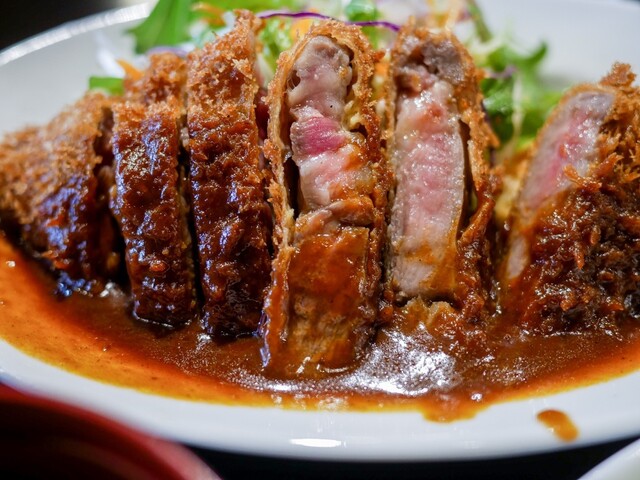
Approaching Kobe from the Nishi Motomachi side, the city changes register. Sannomiya’s port-city polish gives way to a lower, residential grain: small shopfronts, old commercial blocks, and practical lunch traffic. Yoshoku no Asahi belongs to this Kobe, not the steakhouse postcard version. The compact room has counter seats, two-person tables, and a small terrace component, a format suited to yoshoku’s original strength: Western-derived cooking translated into Japanese daily life, not preserved as foreign ceremony.
That distinction matters in Kobe. Visitors often arrive with beef as the headline, then find the city’s dining culture broader and less predictable than its luxury shorthand suggests. The premium end includes specialist beef rooms such as Aburi Niku Kobo Wakkoku Shinkobe ten and Aburi Niku Kobo Wakkoqu Kitano Sakamoto Ten, while quieter local addresses, coffee rooms, and set-meal restaurants carry daily eating. Yoshoku sits between them. It uses cutlets, sauces, rice, omelets, fried seafood, stews, and grills, but the structure is Japanese: brisk, portion-conscious, and built for lunch as much as occasion dining.
Kobe yoshoku works because it feels local, not imported
Yoshoku is often flattened into Japanese-style Western food. More precisely, it is historical adaptation. In port cities such as Kobe, Western cooking entered through trade, hotels, clubs, and post-Meiji urban dining, then became domestic. Demi-glace, croquettes, cutlets, and hamburg steak stopped being exotic markers and became comfort food with a Japanese sense of balance. The genre rewards consistency over novelty, so category recognition matters: it means a restaurant is judged against yoshoku specialists, not French restaurants, ramen counters, or kaiseki rooms.
Yoshoku no Asahi’s selection for Tabelog 100 Yoshoku WEST 2025 places it inside that specialist bracket. Its recognition history also lists selections in 2023, 2022, and 2020, pointing to sustained standing rather than a single-year spike. In a city where higher-budget dining can dominate visitor planning, that tells a different Kobe story: technique expressed through lunch plates, sauces, frying, and grill work, priced and paced for regular use.
Local peers clarify its role. Mangetsu and Okada Shokuhin Kabushiki Gaisha sit in a higher spending band, Ouraku En in another mid-to-premium tier. Le Shmiki and Sion sit closer to casual dining. Yoshoku no Asahi falls into the lower everyday bracket while carrying category recognition, an unusual combination for travellers who associate award-listed Japanese dining with expense or reservation theatre. Its appeal is not luxury performance; it is local credibility compressed into a modest format.
Nishi Motomachi gives the meal its frame
Neighbourhood is not background. Nishi Motomachi and nearby Hanakuma sit west of the main shopping and nightlife axis, easy from central Kobe but outside the hotel-lobby circuit. That geography shapes expectation: lunch can be the primary service, reputation circulates through habit as much as spectacle, and the room needs no view, bar program, or tasting counter to justify attention.
The scale reinforces that local logic. A 25-seat restaurant, with five counter seats plus small tables and terrace seating, behaves differently from a destination dining room. Capacity is limited by design, not exclusivity language. Reservations are unavailable, so the rhythm is queue-and-lunch calculation, not concierge exercise. Travellers should fold it into a day around western Kobe, Motomachi, or a slower lunch route rather than a formal evening itinerary.
Payment and format keep the experience grounded. Cash-only dining remains part of Japan’s small-restaurant culture, especially where transactions are fast and average spend is modest. Non-smoking status, children welcome, and no private rooms point to a practical dining room rather than a controlled special-occasion environment. These details explain yoshoku’s durability: it works for friends, families, and solo diners because it was never built only for celebration.
Kobe’s broader scene benefits from reading across categories rather than chasing one prestige lane. A caffeine stop such as Akaneya Coffee Ten, a casual local meal at Akari, or another community-facing address like Ali's Halal Kitchen shows how the city’s eating culture is assembled from smaller registers. For broader planning, Our full Kobe restaurants guide gives the dining spread, while Our full Kobe hotels guide, Our full Kobe bars guide, Our full Kobe wineries guide, and Our full Kobe experiences guide help place the meal within a larger city stay.
Who should prioritise it
This is a strong choice for travellers who want Kobe beyond beef, especially those interested in Japanese adaptations of Western cooking. It suits diners who prefer category depth over spectacle: no chef biography is required, and no tasting-menu structure is needed. The key signal is the combination of yoshoku focus, repeated Tabelog 100 recognition, and neighbourhood lunch-room scale.
The trade-off is clear. Diners seeking a long dinner, private room, wine-led service, or reservation-managed luxury experience should look elsewhere. The better use case is a planned daytime meal folded into a Motomachi or western Kobe route, with expectations calibrated to a compact, popular, no-frills yoshoku room. That is not a compromise; it is the category in its natural register.
For readers comparing Japanese casual dining across cities, the lesson travels. A Kamakura beef-focused meal such as -Grilled beef Sukiyaki- KAMAKURA TANUKIAN 鎌倉 たぬき庵 in Kamakura, a Tokyo charcoal-and-tuna address like. 鮪と炭火焼き うお炭 秋葉原店 in Tokyo.cafe in Osaka.know in Kumamoto, (Shoku) Vietnam in Kawasaki, and [Curry Senmon Ten] Maruyama Kyoju. in Sapporo each show how local context changes casual food. Outside Japan, Jōdo Saké Bar in Los Angeles and Onigiri Time in Pasadena offer another comparison point: Japanese comfort formats change once they leave home. In Kobe, yoshoku remains close to its source, and the restaurant compels because neighbourhood, format, and category recognition point the same way.
Compact Comparison
Comparable venues by cuisine and price in the same metro.
| Venue | Cuisine | Price | Notes |
|---|---|---|---|
| Yoshoku no AsahiThis venue — the venue you are viewing | Not listed | $ | Not listed |
| Pan Yakidokoro RIKI | Chūō, Japanese artisan bakery | $ | Not listed |
| Motomachi Kissa | Not listed | $ | Chūō, Traditional Japanese kissaten & café |
| Tsukemen Shigeta | Nada, Tsukemen & Ramen Shop | $ | Not listed |
| Kinton Koube ten | Not listed | $ | Chūō, Tonkatsu (Japanese pork cutlet) |
| Soba Mae Nakate Touha | Not listed | $$ | Chūō, Traditional soba & soba-mae counter |
Recognition history
Dated appearances from independent guides and award organizations, with the underlying list record or original source where available.
Tabelog 100 #56 · No. 56
Tabelog · Tabelog 100 - Yoshoku - WEST - 2025







At a Glance
- Classic
- Cozy
- Casual Hangout
- Family
- Solo
- Standalone
- Street Scene
Current opening hours
- Monday
- 11 AM–3 PM
- Tuesday
- 11 AM–3 PM
- Wednesday
- 11 AM–3 PM
- Thursday
- 11 AM–3 PM
- Friday
- 11 AM–3 PM
- Saturday
- Closed
- Sunday
- Closed
Hours can change for holidays and private events. Last verified .
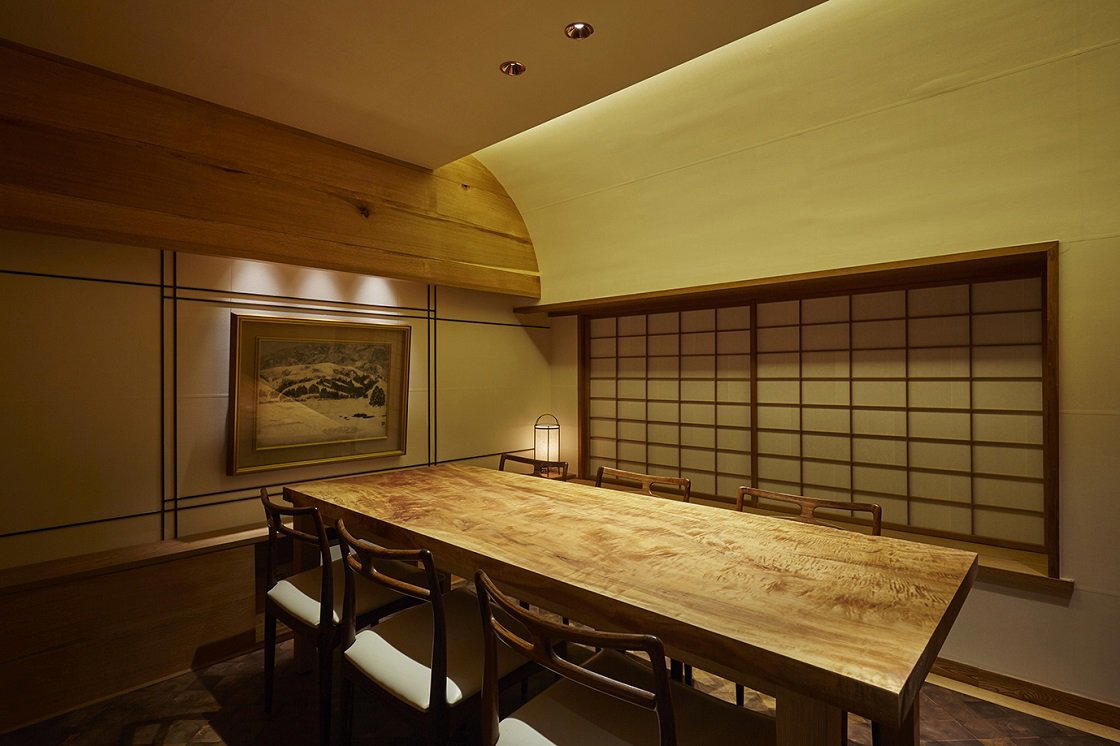
Casual, traditional neighborhood restaurant atmosphere with a house-restaurant feel and an open terrace.