Google: 4.4 · 179 reviews

I M Teppanyaki & Wine occupies the first floor of SL Ginza é on Electric Road in Tin Hau, placing it within a Hong Kong neighbourhood more associated with residential calm than high-heat theatre. The format pairs teppanyaki cooking with a wine program, a combination that positions it between the Japanese precision counters of Central and the broader Kowloon casual dining scene. For those tracking Hong Kong's Japanese-inflected dining tier, it merits attention.
 Discover on Pearl
Pearl is the En Primeur Club membership app — saves, bookings, and concierge access live there. Same editors, same standards.
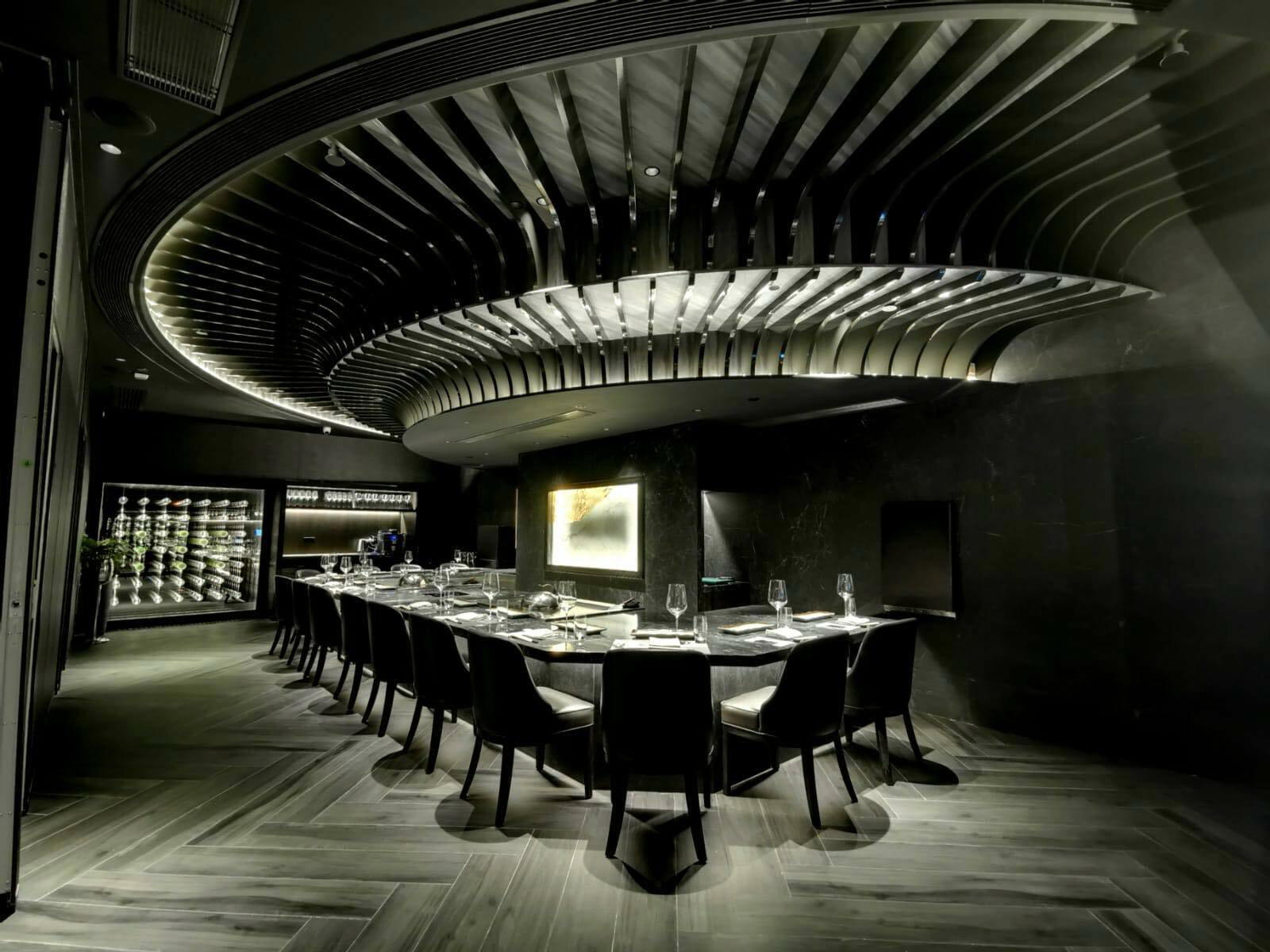
The Counter, the Heat, and What Tin Hau Tells You About Hong Kong Dining
Electric Road in Tin Hau is not where Hong Kong's dining press typically points its camera. The neighbourhood sits between the harbour-facing density of Causeway Bay and the quieter residential spread of North Point, and its restaurant scene reflects that in-between character: fewer destination addresses, more sustained local regulars. It is precisely this context that makes the presence of a teppanyaki and wine format here worth reading carefully. In a city where Japanese counter dining is clustered in Central, Wan Chai, and Tsim Sha Tsui, a teppanyaki operation on Electric Road signals something specific about who it is cooking for and how it prices against the broader market.
I M Teppanyaki & Wine occupies the first floor of SL Ginza é at 68 Electric Road, a building whose name gestures toward the Tokyo shopping district that gave the world its densest concentration of premium Japanese dining. That reference point matters less as a literal comparison than as a positioning signal: teppanyaki in Hong Kong has historically occupied a middle tier between the rarefied omakase counters reviewed in our full Hong Kong restaurants guide and the broad casual Japanese offer found across the city's malls and street-level blocks.
How a Teppanyaki Meal Sequences Itself
The structural logic of teppanyaki as a format is worth understanding before arriving at any counter in this category. Unlike the chef-decided omakase progression at venues such as Ta Vie, where Japanese and French technique intersect across a set sequence, teppanyaki places the cooking visible and immediate in front of the diner. The teppan, a flat iron surface heated to high temperatures, becomes the stage for a meal that typically moves from lighter preparations through to richer proteins.
In a well-run teppanyaki sequence, the arc follows a recognisable grammar. Early courses tend to feature vegetables and lighter seafood, where the speed of the iron surface creates caramelisation without heaviness. The middle register moves toward more substantial protein, often beef, where the chef's control of the heat and resting time determines the gap between a competent and a precise result. The final savoury notes often include a starch element, fried rice being the most common in the Japanese tradition, before the meal closes with something lighter. This progression is not arbitrary: it maps onto the same tension-and-release structure that drives the sequencing at French contemporary addresses like Amber or Caprice, though the theatrical register is entirely different.
What teppanyaki adds that a plated sequence does not is temporal immediacy. The diner watches the protein hit the surface, observes the colour change, and tracks the timing in real time. This proximity changes the social dynamic at the table and tends to shorten the psychological distance between kitchen and guest. It is a format that rewards unhurried visits rather than quick turns.
Wine at the Teppan: A Category Conversation
The pairing of a wine program with teppanyaki is a deliberate positioning move that places I M Teppanyaki & Wine in a different competitive conversation from the traditional sake-and-beer pairing model. Hong Kong's premium restaurant wine culture has been built substantially around French fine dining addresses: the cellars at 8 1/2 Otto e Mezzo Bombana or the wine list architecture at Forum operate in a register where wine is as central as the food. Translating that logic to a teppanyaki format requires some adjustment: the high heat and fat of teppan cooking tends to work better with wines that carry acidity and moderate tannin rather than the cellar-aged Burgundy that anchors French fine dining pairings.
For visitors more accustomed to New York's technical precision dining, the pairing conversation at a Japanese-inflected counter feels different in kind from the program at a place like Atomix, where beverage sequencing is as considered as the food progression. Hong Kong's mid-tier Japanese dining addresses are still developing that integration, and a venue that names wine explicitly in its identity is making a claim about where it sits in that development.
Tin Hau in the Wider City Map
Understanding where Tin Hau sits relative to Hong Kong's dining geography helps calibrate expectations. The neighbourhood's restaurant addresses tend to serve a local clientele with less interest in international dining press coverage than the Central or Wan Chai corridors. This dynamic is not unique to Tin Hau: comparable patterns appear across the city's outlying districts, from the community-anchored dining at Lei Garden in Sha Tin to the neighbourhood-specific character of addresses like One-ThirtyOne in Tai Po. Each of these operates within a logic shaped by local demand rather than tourist routing.
What this means practically is that a teppanyaki address in Tin Hau is likely priced and paced for repeat local visitors rather than single-occasion destination dining. That is neither a limitation nor a recommendation on its own terms, but it is relevant context for how to approach the booking and what to expect from the room's energy. The contrast with more internationally positioned addresses, whether the Italian frame of Gaia in Central and Western or the seafood theatre of the Former Jumbo Floating Restaurant in Aberdeen, is instructive: location and neighbourhood identity shape the dining register as much as the food format itself.
Hong Kong's dining map rewards lateral reading. The city's most discussed addresses occupy a narrow band of neighbourhoods and price points, but significant dining activity happens at the edges of that band, in residential districts where regulars rather than reviewers set the standard. The broader scatter of the city's restaurant offer, from Habib's in Kwun Tong to Coconut Soup in Yau Tsim Mong and King Of Soybeans in Wong Tai Sin, reflects a city eating widely rather than narrowly.
Planning a Visit
I M Teppanyaki & Wine is located on the first floor of SL Ginza é at 68 Electric Road, Tin Hau. The Tin Hau MTR station on the Island Line places the address within comfortable walking distance, making it accessible without requiring a taxi or ride-share. Given the specificity of the teppanyaki format and the named wine program, confirming a reservation in advance is the sensible approach: counter seating at teppanyaki venues is typically limited, and arriving without a booking at a first-floor address in a quieter residential stretch carries more risk than at a high-footfall street-level block. Contact details and current hours are leading confirmed directly before visiting, as the venue's operational specifics are not comprehensively documented in third-party sources at time of writing. For broader context on where this address sits within Hong Kong's restaurant tier, the EP Club Hong Kong guide covers the full range from neighbourhood regulars to Michelin-tracked counters.
Where the Accolades Land
A quick look at comparable venues, using the data we have on file.
| Venue | Awards | Cuisine | Notes |
|---|---|---|---|
| I M Teppanyaki & Wine | This venue | ||
| 8 1/2 Otto e Mezzo Bombana (Hong Kong) | Michelin 3 Star | Italian | Italian, $$$$ |
| Ta Vie | Michelin 3 Star | Japanese - French, Innovative | Japanese - French, Innovative, $$$$ |
| Estro | Michelin 1 Star | Wine Bar, Italian | Wine Bar, Italian, $$$$ |
| Feuille | Michelin 1 Star | French Contemporary | French Contemporary, $$$ |
| Mono | Michelin 1 Star | Latin American | Latin American, $$$ |
Continue exploring
More in Hong Kong
Restaurants in Hong Kong
Browse all →
Bars in Hong Kong
Browse all →
At a Glance
- Elegant
- Sophisticated
- Intimate
- Cozy
- Date Night
- Special Occasion
- Business Dinner
- Chefs Counter
- Open Kitchen
- Private Dining
- Extensive Wine List
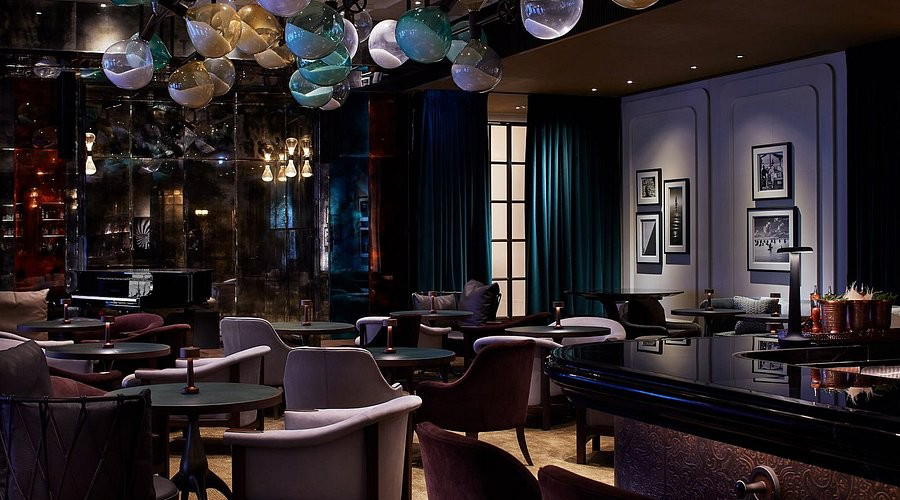
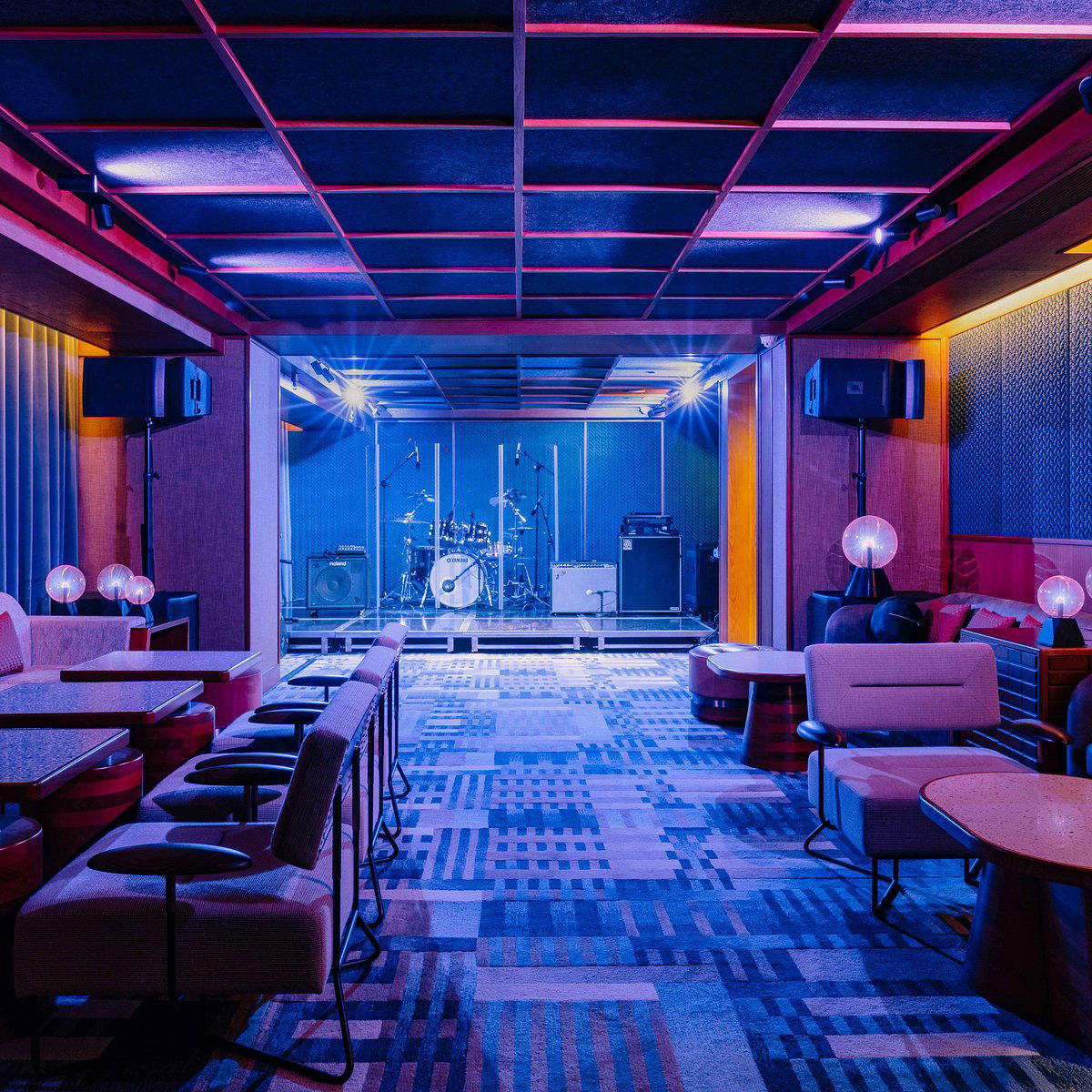
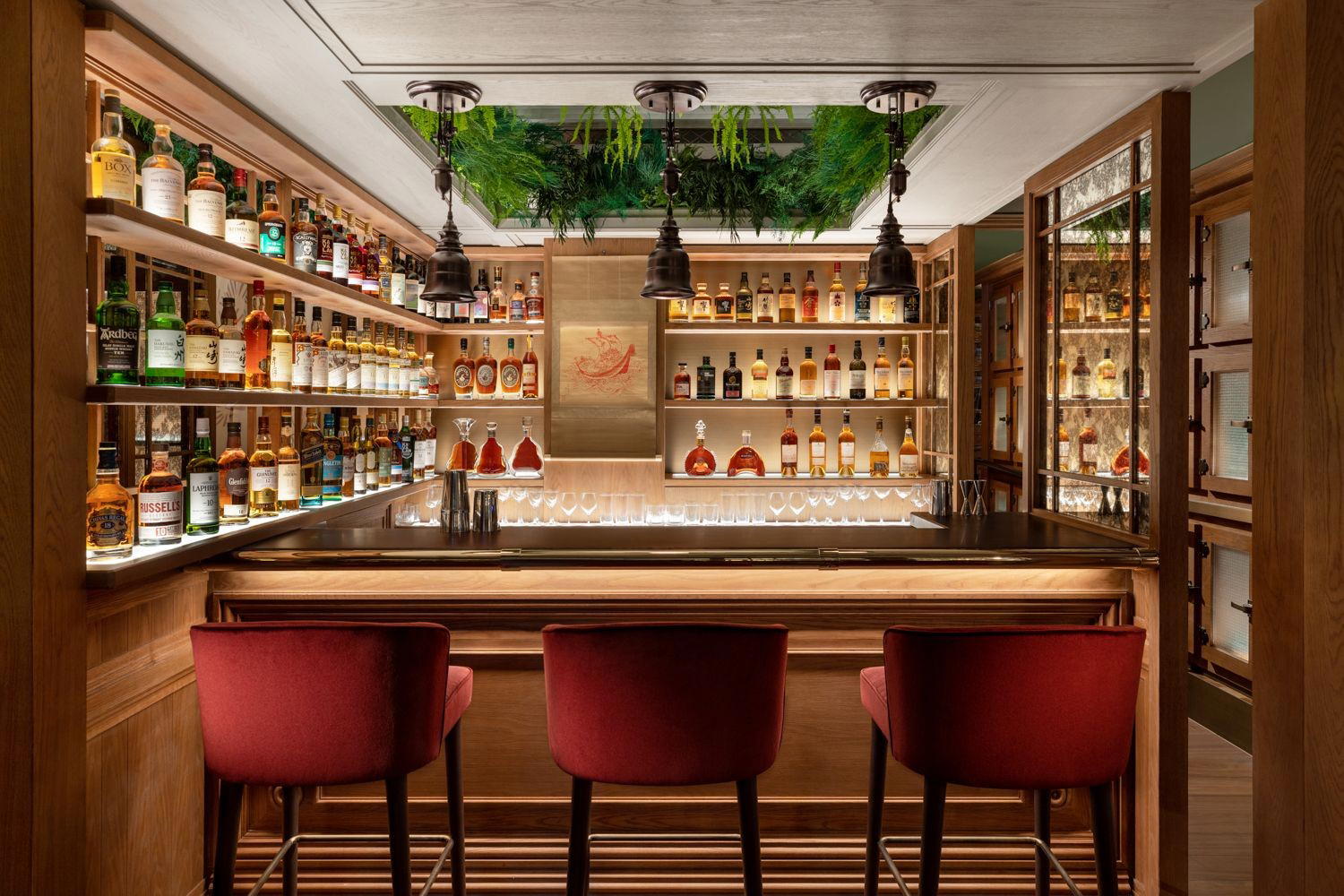
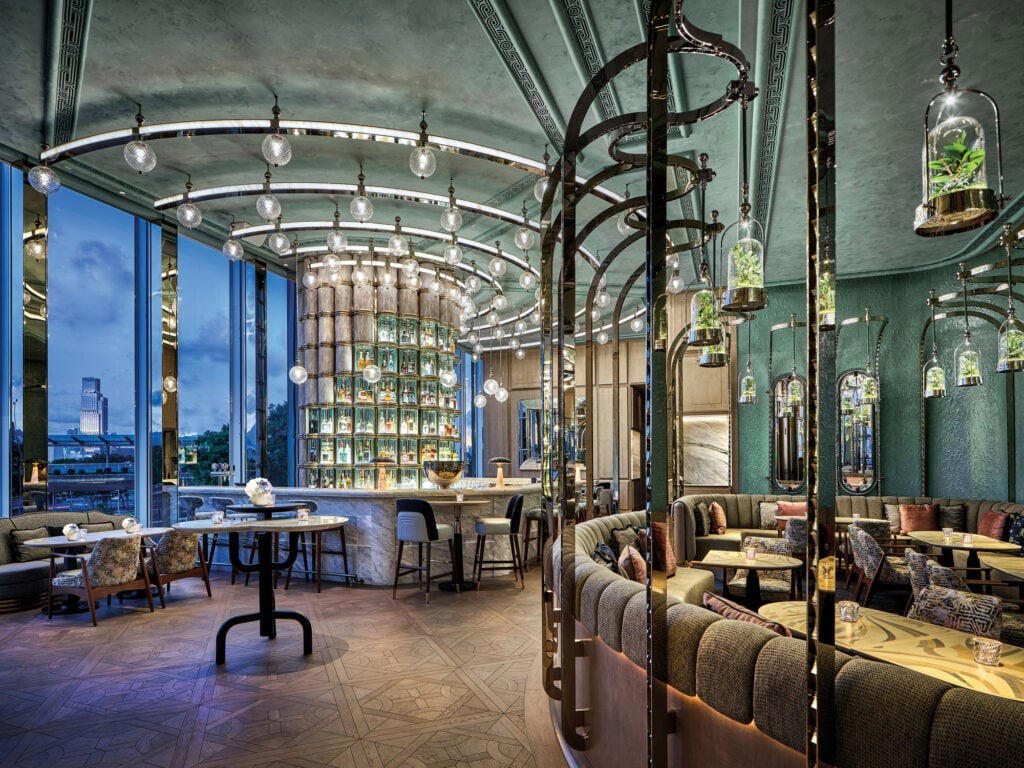
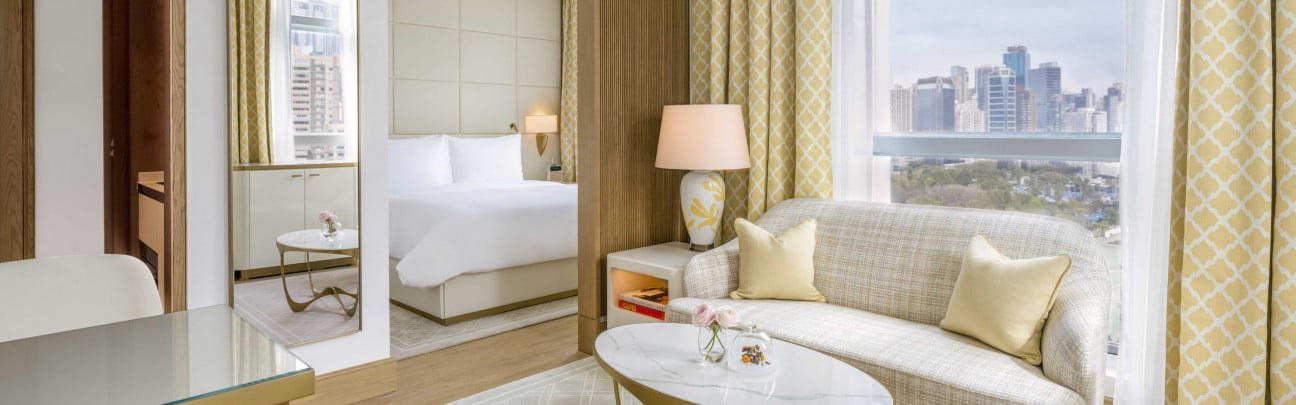
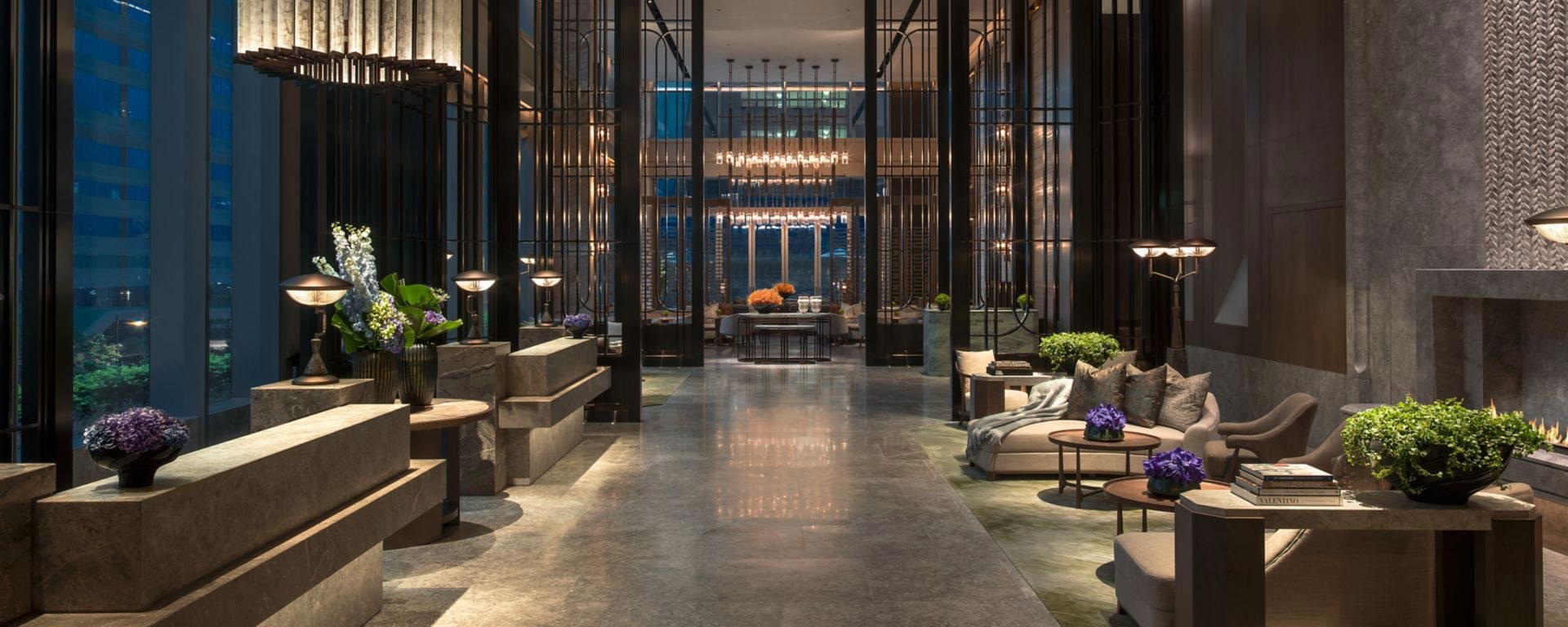
Sleek and dramatic with dark tones, moody lighting, and spotlights on the teppanyaki counters creating an intimate culinary theater atmosphere.