I Love Sushi occupies a spot on Rosenbergstraße in Stuttgart's western residential belt, where the city's appetite for Japanese cuisine sits somewhere between casual conveyor-belt formats and the more disciplined omakase model spreading through German cities. The address puts it within reach of the Stadtmitte without being absorbed by its higher-volume dining corridor.
- Address
- Rosenbergstraße 69B, 70176 Stuttgart, Germany
- Phone
- +4971112006996
- Website
- i-love-sushi.de
- Directions
- Get directions
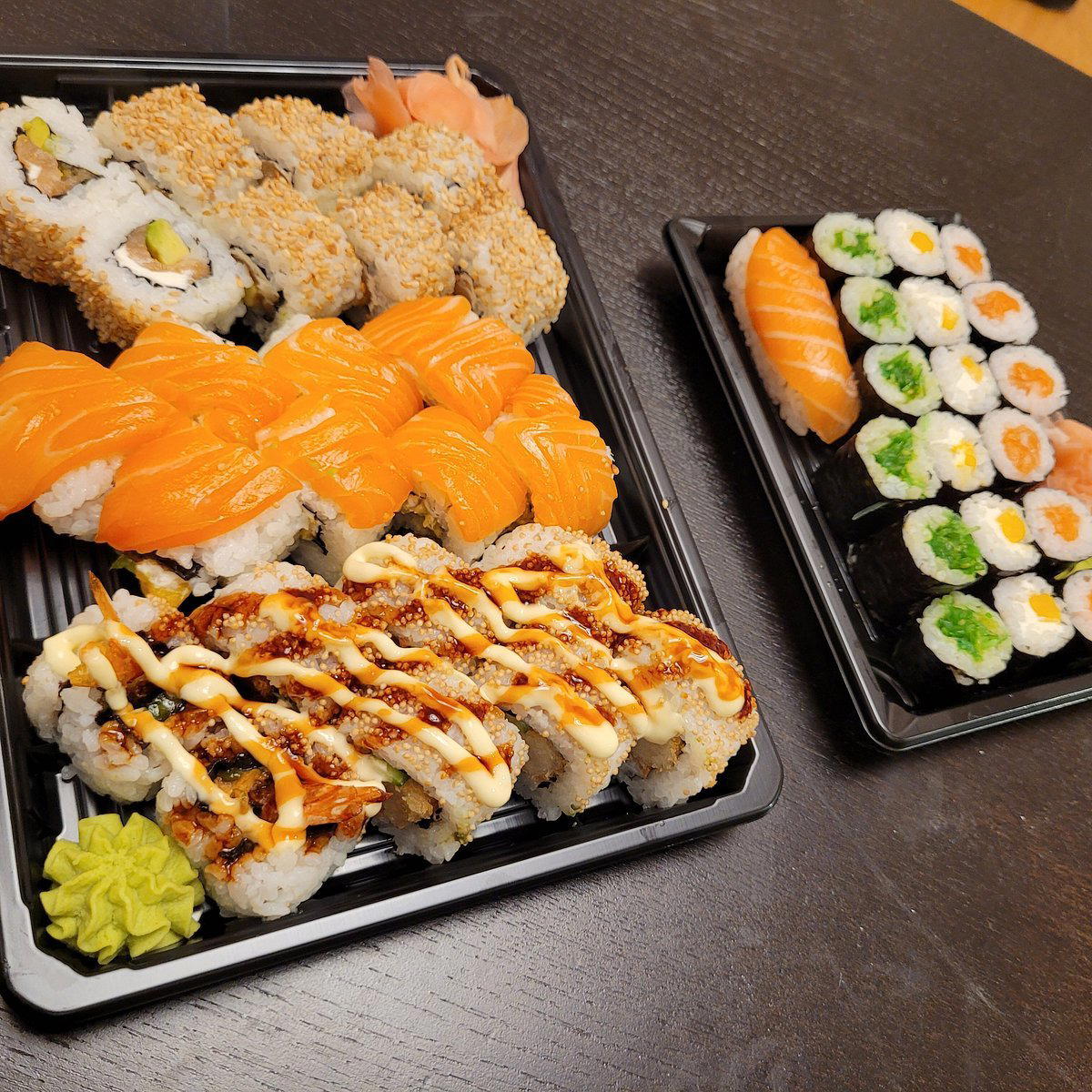
Stuttgart's Sushi Scene and Where I Love Sushi Sits Within It
German cities have absorbed Japanese cuisine along two distinct tracks over the past two decades. The first is the all-you-can-eat buffet model, which spread rapidly through mid-sized cities in the 2000s and still dominates in volume terms. The second is a slower-moving wave of counter-format and kitchen-led restaurants where the sourcing of fish, the cut of the nigiri, and the rice temperature are treated as non-negotiable variables. Stuttgart has examples of both, and I Love Sushi on Rosenbergstraße is a Japanese Sushi Bar in Stuttgart, at Rosenbergstraße 69B, 70176 Stuttgart, Germany. It is walk-in friendly and priced at about $25 per person.
The address, Rosenbergstraße 69B, places the restaurant in the 70176 postcode, a zone that blends apartment buildings with neighbourhood-level hospitality. This is not a location built on passing footfall from tourists or office lunch crowds. In cities like Stuttgart, where the serious dining conversation is dominated by creative and modern European formats, Speisemeisterei, 5, Der Zauberlehrling, and Délice among them, a Japanese specialist in a residential side street relies on a regular, deliberate clientele rather than discovery traffic.
The Booking Question: What to Know Before You Go
For any restaurant where opening details are not published, the practical question becomes the central one: how do you actually get in? I Love Sushi is walk-in friendly, so a direct visit is one likely path. This matters more for a sushi restaurant than for many other formats. Fish-led kitchens, especially those running set menus or limited daily fish orders, are sensitive to table count. Showing up without a reservation at a counter-format Japanese restaurant is a different risk calculation than arriving without one at a brasserie. The sensible approach is to plan for a casual walk-in visit.
Stuttgart's position as a car-industry city with a substantial corporate dining culture means mid-range and fine-dining restaurants are generally accustomed to advance booking. The contrast with the city's heavier-hitter addresses is instructive: at Hegel Eins, for example, reservations are standard practice weeks out. For a neighbourhood sushi address, the practical choice is to check availability on arrival.
Japanese Cuisine in Germany: The Broader Context
The spread of credible Japanese restaurant culture in German cities has lagged behind London, Paris, and Amsterdam, partly because the import and distribution infrastructure for high-grade fish takes time to build, and partly because the omakase counter model, which depends on a small, trained team and a guest-to-chef ratio that keeps prices high, is harder to sustain in markets where the reference price for Japanese food is set by buffet formats. Cities like Hamburg and Berlin have moved furthest toward the counter model; Restaurant Haerlin in Hamburg represents the premium European-Japanese crossover end of the spectrum, while Atomix in New York City shows what the format looks like at full international ambition. Stuttgart's Japanese dining offer sits at a more accessible register, which is neither a criticism nor a consolation, it reflects the city's size, its guest profile, and its relationship with Asian cuisines more broadly.
The restaurant sits within Stuttgart's neighbourhood sushi scene. It sits alongside other neighbourhood Japanese addresses in the city, where the competition is measured in the quality of the rice seasoning, the freshness of the fish delivery cycle, and whether the kitchen has the discipline to serve sushi at the temperature and pace the format demands. Germany's fish supply chains have improved considerably since the mid-2010s, with more distributors moving premium-grade tuna and salmon into inland cities on reliable cold-chain logistics. A visit will confirm the current fish selection.
Planning Your Visit
Rosenbergstraße is accessible from Stuttgart's central tram and bus network, and the western residential districts are navigable on foot from the Stadtmitte in under twenty minutes. Parking in the area follows the standard west-Stuttgart pattern: metered street parking on weekdays with more availability in the evenings and at weekends. Given its walk-in-friendly policy, the recommended approach is to arrive directly and ask about any daily specials on site. The price is about $25 per person, so budget accordingly.
For visitors building a broader Stuttgart itinerary, the city's dining range is wider than its reputation sometimes suggests. The fine-dining tier is anchored by the creative and modern cuisine addresses referenced above. For international comparison, Germany's broader restaurant excellence is well represented by addresses like Aqua in Wolfsburg, Schwarzwaldstube in Baiersbronn, Vendôme in Bergisch Gladbach, Victor's Fine Dining by Christian Bau in Perl, Waldhotel Sonnora in Dreis, Schanz in Piesport, ES:SENZ in Grassau, CODA Dessert Dining in Berlin, and JAN in Munich. The restaurant operates in a different register from all of those, but the contrast is useful context for calibrating expectations across a German dining trip. For Korean-Japanese crossover references at a high international level, Le Bernardin in New York City sets a useful benchmark for seafood-led precision, even if the format is entirely different.
Recognition Snapshot
Comparable venues nearby, for context on price, style, and recognition.
| Venue | Cuisine | Price | Notes |
|---|---|---|---|
| I LOVE SUSHIThis venue — the venue you are viewing | Japanese Sushi Bar | $$ | Not listed |
| Sushi Le | Authentic Japanese Sushi | $$ | Gablenberg |
| Soy Club | Vegan Vietnamese-Asian Fusion | $$ | Heslach |
| Suzuna | Traditional Japanese Izakaya & Ramen | $$ | Gablenberg |
| Bonnie & Clyde | American Burgers & Bar Food | $$ | Gaisburg |
| Misik | Authentic Korean Feinkost | $$ | Heslach |
Continue exploring
More in Stuttgart
Restaurants in Stuttgart
Browse all →
Bars in Stuttgart
Browse all →
Hotels in Stuttgart
Browse all →

At a Glance
- Trendy
- Casual
- Casual Hangout
- Sake Program
Informal and young atmosphere around an orange counter in a small sushi bar.