Suzuna occupies a modest address on Christophstraße in central Stuttgart, where the city's growing appetite for ingredient-conscious dining finds a quieter, less-decorated expression. Operating outside Stuttgart's cluster of Michelin-recognised rooms, it represents a strand of the local scene that prioritises sourcing discipline over ceremony. For diners tracking Germany's sustainability-led restaurant movement, Suzuna is a useful reference point.
Pearl is the En Primeur Club membership app — saves, bookings, and concierge access live there. Same editors, same standards.
- Address
- Christophstraße 14, 70178 Stuttgart, Germany
- Phone
- +4971181044141
- Website
- suzuna.de
- Directions
- Get directions
 Saves & bookings on Pearl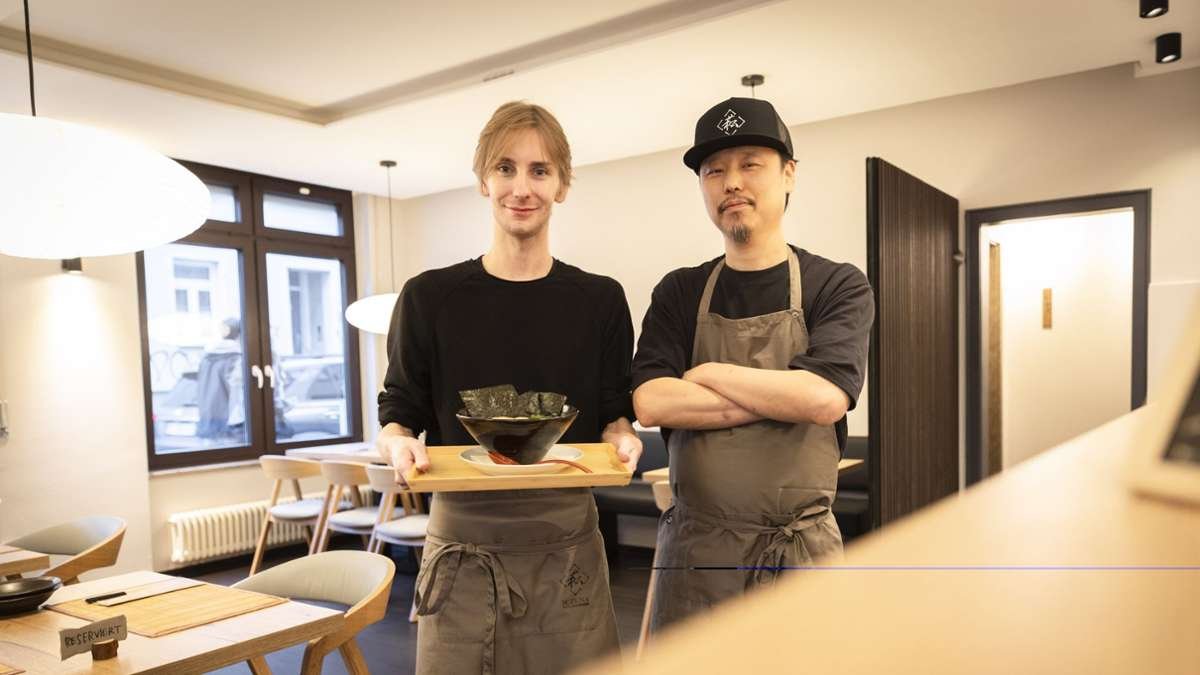
Stuttgart's Quieter Dining Register
Suzuna is a traditional Japanese izakaya and ramen restaurant in Stuttgart, Germany, with a casual dress code and recommended reservations. the creative tasting menus at Speisemeisterei, the precision modern cooking at 5, the long-standing authority of Délice. But Stuttgart also carries a smaller register of restaurants operating below that recognition tier, places that function less as destination dining and more as neighborhood rooms. Suzuna, at Christophstraße 14 in the 70178 postcode, sits in that lower-visibility bracket.
The street address places the restaurant in the Süd district, a part of Stuttgart that balances residential density with a mid-range commercial strip. It is not the Bohnenviertel, Stuttgart's most-photographed quarter, nor is it the glassy hotel corridor near the Hauptbahnhof. Approaching Christophstraße on foot, the neighbourhood reads as functional rather than curated, which, in the current European dining conversation about sourcing ethics and unglamorous sustainability, is not a disadvantage.
The Sustainability Thread in German Restaurant Culture
Across Germany's serious restaurant scene, the conversation about environmental accountability has moved from marketing language into operational practice. At venues like CODA Dessert Dining in Berlin, zero-waste philosophy shapes the format of every course. At ES:SENZ in Grassau, the surrounding Alpine environment feeds directly into sourcing decisions. Even at the upper tier, Schwarzwaldstube in Baiersbronn, Vendôme in Bergisch Gladbach, the language of provenance and seasonal discipline has become a baseline expectation rather than a differentiator.
What has emerged alongside these decorated rooms is a secondary tier of smaller, less-awarded restaurants that engage with the same ethical sourcing questions but without the structural resources of a hotel kitchen or a Michelin-backed brigade. This tier tends to operate with shorter menus, tighter supplier relationships, and less ceremony around the dining experience itself. The kitchen's constraints become visible, not as a weakness, but as evidence of a different kind of commitment. Suzuna appears to function within this secondary tier.
What Ingredient-Led Cooking Looks Like Without the Awards Infrastructure
Germany's sustainability-conscious restaurant movement does not map neatly onto its awards infrastructure. The Michelin Guide, the primary recognition system in the German market, evaluates cooking quality and consistency rather than sourcing ethics or waste reduction as standalone criteria. A restaurant can hold strong views on seasonal procurement, maintain relationships with small regional producers, and run a kitchen with minimal waste, while remaining entirely outside the starred category. This is the structural gap that a venue like Suzuna occupies.
In Stuttgart specifically, the gap between decorated and undecorated restaurants is meaningful. Hegel Eins and Der Zauberlehrling represent the creative, mid-tier range where culinary ambition and neighbourhood identity combine. Below that, restaurants tend to compete on value, neighbourhood loyalty, and the kind of daily-menu discipline that makes sourcing seasonally not just an ethical choice but a practical one. Suzuna is best read as a neighborhood restaurant rather than an award-driven room.
Stuttgart in the Broader German Fine Dining Map
Placing Stuttgart within the German restaurant map helps clarify what any serious dining address in the city is positioned against. Aqua in Wolfsburg and Victor's Fine Dining by Christian Bau in Perl represent Germany's highest recognition tier. JAN in Munich, Restaurant Haerlin in Hamburg, and Schanz in Piesport occupy a similarly serious but more geographically distributed band. Stuttgart contributes its own Michelin-decorated addresses to this national map, and its undecorated addresses contribute something different: the working texture of a city's food culture that doesn't require external validation to function.
For international reference, the gap between decorated and sustainability-committed restaurants is visible in other markets too. At Le Bernardin in New York City, the sourcing standards are documented and publicly discussed as part of the restaurant's identity. At Atomix in New York City, the relationship between Korean ingredient philosophy and contemporary fine dining is treated as a subject in its own right. These are high-resource examples, but the underlying discipline, knowing where ingredients come from, why they are chosen, and what not using them fully would cost, operates at every tier of serious cooking.
How to Think About Suzuna as a Dining Decision
Suzuna is a restaurant at Christophstraße 14 in Stuttgart, positioned outside the city's major award tier. For diners whose primary interest is sustainability-led cooking within Germany, the more data-rich options at the decorated tier, and the national addresses listed above, offer better-documented evidence of their kitchen philosophies. For diners specifically interested in Stuttgart's lower-profile neighbourhood restaurants, Suzuna at Christophstraße 14 is a starting point worth investigating directly.
Know Before You Go
Address: Christophstraße 14, 70178 Stuttgart, Germany
Price: about $25 per person
Booking: recommended
Hours: Mon: Closed; Tue: 6–11 PM; Wed: 6–11 PM; Thu: 6–11 PM; Fri: 6–11 PM; Sat: 6–11 PM; Sun: 5:30–10 PM
Dress code: casual
A Quick Peer Check
Comparable venues nearby, for context on price, style, and recognition.
| Venue | Cuisine | Price | Notes |
|---|---|---|---|
| SuzunaThis venue — the venue you are viewing | Traditional Japanese Izakaya & Ramen | $$ | Not listed |
| Enso Sushi & Grill | Japanese Sushi & Grill Fusion | $$ | Gablenberg |
| Sushi Le | Authentic Japanese Sushi | $$ | Gablenberg |
| I LOVE SUSHI | Japanese Sushi Bar | $$ | Heslach |
| Tokio Dining | Authentic Japanese Ramen & Sushi | $$ | Berg |
| Andalucia-Casamuu | Authentic Spanish Tapas & Paella | $$ | Heslach |
Continue exploring
More in Stuttgart
Restaurants in Stuttgart
Browse all →
Bars in Stuttgart
Browse all →
Hotels in Stuttgart
Browse all →

At a Glance
- Lively
- Cozy
- Modern
- Group Dining
- Casual Hangout
- After Work
- Open Kitchen
- Sake Program
Current opening hours
- Monday
- Closed
- Tuesday
- 6–11 PM
- Wednesday
- 6–11 PM
- Thursday
- 6–11 PM
- Friday
- 6–11 PM
- Saturday
- 6–11 PM
- Sunday
- 5:30–10 PM
Hours can change for holidays and private events. Last verified .
Authentic Japanese atmosphere with attentive, friendly service; clean and well-organized space designed for sociable dining.