Misik occupies a spot on Vogelsangstraße in Stuttgart's west, contributing to the city's broader movement toward ingredient-focused, neighbourhood-scale dining. Without the institutional weight of a Michelin citation or a marquee hotel address, it operates in the tier of personal, focused restaurants that Stuttgart has quietly developed alongside its better-known fine-dining addresses. Advance booking is advisable, particularly for evening sittings.
Pearl is the En Primeur Club membership app — saves, bookings, and concierge access live there. Same editors, same standards.
- Address
- Vogelsangstraße 18, 70176 Stuttgart, Germany
- Phone
- +4971145140447
- Website
- misik-restaurant.de
- Directions
- Get directions
 Saves & bookings on Pearl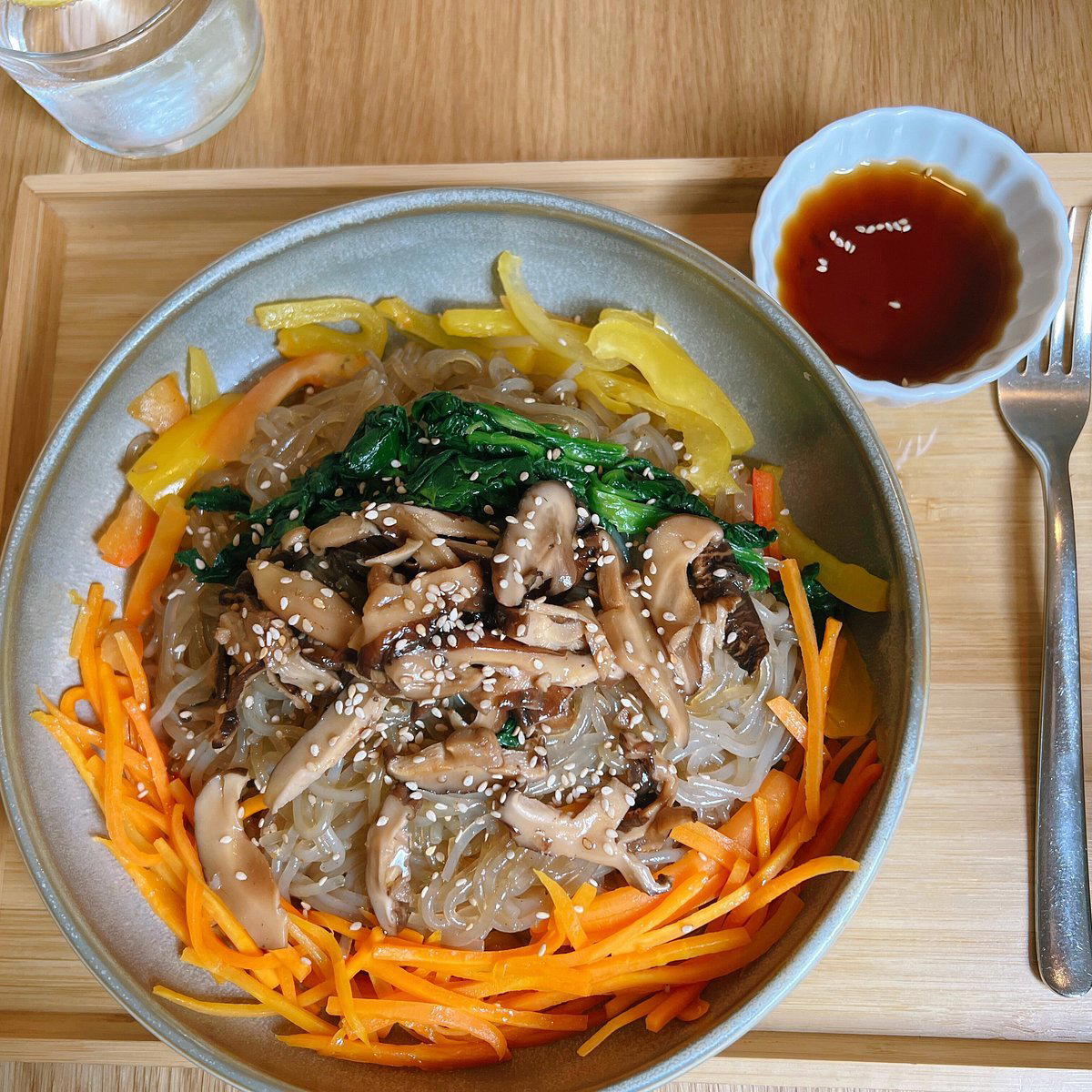
Stuttgart's Neighbourhood Dining Tier: Where Misik Fits
Misik is a restaurant on Vogelsangstraße 18 in Stuttgart, serving Authentic Korean Feinkost at a casual price point. Stuttgart's restaurant scene has long been read through the lens of its Michelin-decorated addresses, from the creative precision at Speisemeisterei to the modern cuisine discipline at 5 and the long-running creative register of Der Zauberlehrling. But the city has developed a second, quieter layer of dining: smaller rooms on residential streets, operating without the infrastructure of starred kitchens and still drawing a committed local clientele. Misik belongs to that second tier. It is the kind of address that matters more to someone who lives nearby than to someone building an itinerary around Michelin maps.
That positioning is neither a criticism nor faint praise. Alongside three-Michelin-star rooms like Aqua in Wolfsburg and Schwarzwaldstube in Baiersbronn, a parallel shift toward pared-back neighbourhood restaurants has reshaped how German cities eat from Tuesday to Thursday. Misik sits inside that shift.
The Lunch and Dinner Divide in Stuttgart's West
In most European cities with serious restaurant cultures, the gap between lunch and dinner service is more than a scheduling difference. Lunch tends toward shorter menus, looser room energy, and a more local customer mix; dinner is where the kitchen extends itself and the guest invests more time. That division holds in Stuttgart's Westend, and it is one useful frame for thinking about when to visit a place like Misik.
The Westend, which runs west from the Hauptbahnhof through a grid of late-19th-century residential blocks, has a density of independent cafés, wine bars, and mid-range restaurants that makes it function as a true neighbourhood rather than a dining destination in the tourist sense. Lunch in this part of the city tends to attract office workers, local residents, and the occasional table of two who have organised their afternoon around a proper sit-down meal. The mood is unhurried but not precious. Dinner shifts that calculus: the room fills differently, service pace extends, and kitchens that operate a shorter midday format often switch to longer, more considered menus after dark.
For a restaurant like Misik, that divide matters practically. If you are approaching from outside the neighbourhood, an evening booking gives you the fuller expression of what the kitchen is working with. A daytime visit, by contrast, tends to offer better value relative to effort and is a reasonable entry point if you are already in the area. Neither is wrong, but they are different experiences, and treating them as interchangeable leads to misaligned expectations.
This lunch-versus-dinner logic is not distinctive to Stuttgart. At tighter, more personal restaurants across Germany, from JAN in Munich to Schanz in Piesport, the kitchen's ambition is clearest when the room is given time to breathe. The same principle applies here.
What the Address Tells You
Vogelsangstraße sits in Stuttgart-West, a district that has gradually shifted from a predominantly residential profile to one that supports a higher density of independent hospitality businesses without losing its neighbourhood character. The street itself is not a restaurant row in the conventional sense; the surrounding blocks are primarily apartments, and the commercial premises are distributed rather than clustered. A restaurant choosing to operate here is making a statement about its intended audience: this is not a room built for passing trade or convention-hotel overflow. It is built for people who know where they are going.
That geography shapes guest behaviour. Bookings at this kind of address tend to come from regulars and from word-of-mouth recommendations rather than from front-page visibility. Stuttgart's broader dining culture, which has produced serious addresses at every price point, from the creative depth at Délice to the modern cuisine format at Hegel Eins, supports this kind of loyalty-driven operation. The city has enough sophisticated diners to sustain a restaurant that does not need to explain itself to newcomers every night.
For context within Germany's wider fine-dining geography, Stuttgart sits in a cluster of serious food cities, within reasonable distance of the Black Forest, which has produced some of the country's most decorated kitchens, and connected by rail to the broader south German network. The quality ceiling in the region is high: operations like ES:SENZ in Grassau and Vendôme in Bergisch Gladbach define what the country's formal dining tier looks like at its most focused. A neighbourhood restaurant in Stuttgart-West does not compete with that tier directly, but it exists in a culinary culture shaped by it.
Planning a Visit
Misik is at Vogelsangstraße 18, Stuttgart 70176. The Westend is well-served by Stuttgart's tram network, and the address is reachable from the city centre without requiring a car. Given the neighbourhood's character, street parking is available in the surrounding blocks during evening hours, though the public transport option is direct from most central hotels.
Booking is recommended. For evening sittings specifically, advance booking is advisable; neighbourhood restaurants of this scale in Stuttgart's Westend do not carry large reserve capacity, and the evening sittings fill earlier in the week than casual visitors tend to anticipate.
For comparison beyond Stuttgart, Victor's Fine Dining by Christian Bau in Perl, Waldhotel Sonnora in Dreis, and Restaurant Haerlin in Hamburg represents the formal dining ceiling in the German-speaking region. At the other end of the format spectrum, the dessert-focused programme at CODA Dessert Dining in Berlin shows how sharply format-led some of Germany's most talked-about rooms have become. Internationally, the technical rigour of Le Bernardin in New York City and the tasting-menu precision of Atomix in New York City set a useful benchmark for what sustained excellence in a single-format room looks like over time.
Cost Snapshot
Comparable venues nearby, for context on price, style, and recognition.
| Venue | Cuisine | Price | Notes |
|---|---|---|---|
| MisikThis venue — the venue you are viewing | Heslach, Authentic Korean Feinkost | $$ | Not listed |
| I LOVE SUSHI | Heslach, Japanese Sushi Bar | $$ | Not listed |
| Mauritius | Not listed | $$ | Gablenberg, Mediterranean Beach Food with Caribbean Influences |
| Esszimmer | Gablenberg, Authentic Thai | $$ | Not listed |
| Ambiente Africa | Gablenberg, Pan-African Cuisine | $$ | Not listed |
| Pizza Trullo's | Not listed | $$ | Viesenhäuser hof, Innovative Italian Pizza |
Continue exploring
More in Stuttgart
Restaurants in Stuttgart
Browse all →
Bars in Stuttgart
Browse all →
Hotels in Stuttgart
Browse all →

At a Glance
- Cozy
- Modern
- Casual Hangout
- Open Kitchen
Current opening hours
- Monday
- Closed
- Tuesday
- 6–10 PM
- Wednesday
- 6–10 PM
- Thursday
- 6–10 PM
- Friday
- 6–10:30 PM
- Saturday
- 6–10:30 PM
- Sunday
- 6–10 PM
Hours can change for holidays and private events. Last verified .
Clean, no-frills interior with white and light wood tones creating a cozy and relaxed atmosphere.