



Speisemeisterei holds two Michelin stars inside the grounds of Schloss Hohenheim, placing it at the summit of Stuttgart's serious dining tier alongside peers like Délice and Hupperts. Chef Stefan Gschwendtner's creative menu earns 83 points on La Liste's 2026 ranking, with a wine program that matches the kitchen's ambition. A reservation here is Stuttgart's highest-stakes dinner booking.
Pearl is the En Primeur Club membership app — saves, bookings, and concierge access live there. Same editors, same standards.
- Address
- Schloss Hohenheim, 1B, 70599 Stuttgart, Germany
- Phone
- +49 711 34217979
- Website
- speisemeisterei.de
- Directions
- Get directions
 Saves & bookings on Pearl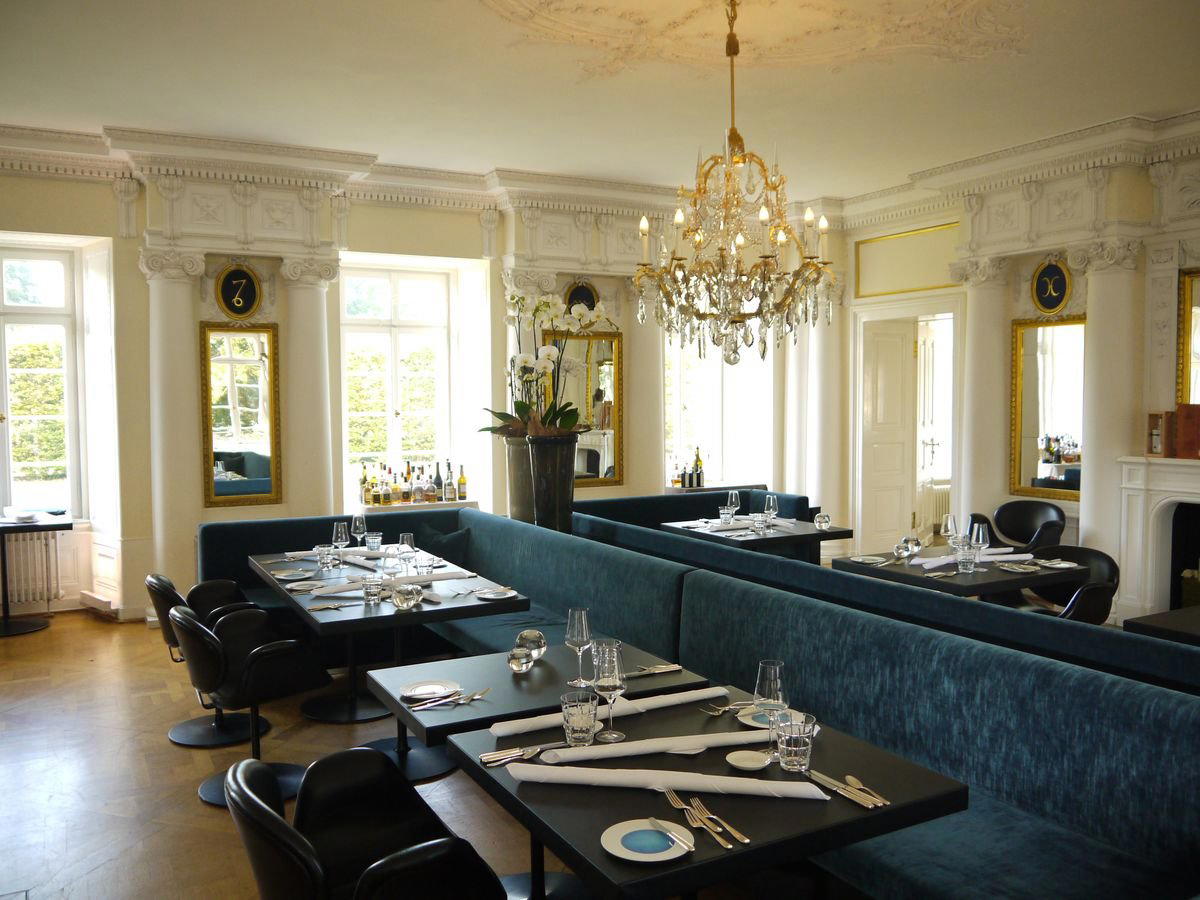
Dining Inside a Palace: Stuttgart's Two-Star Setting
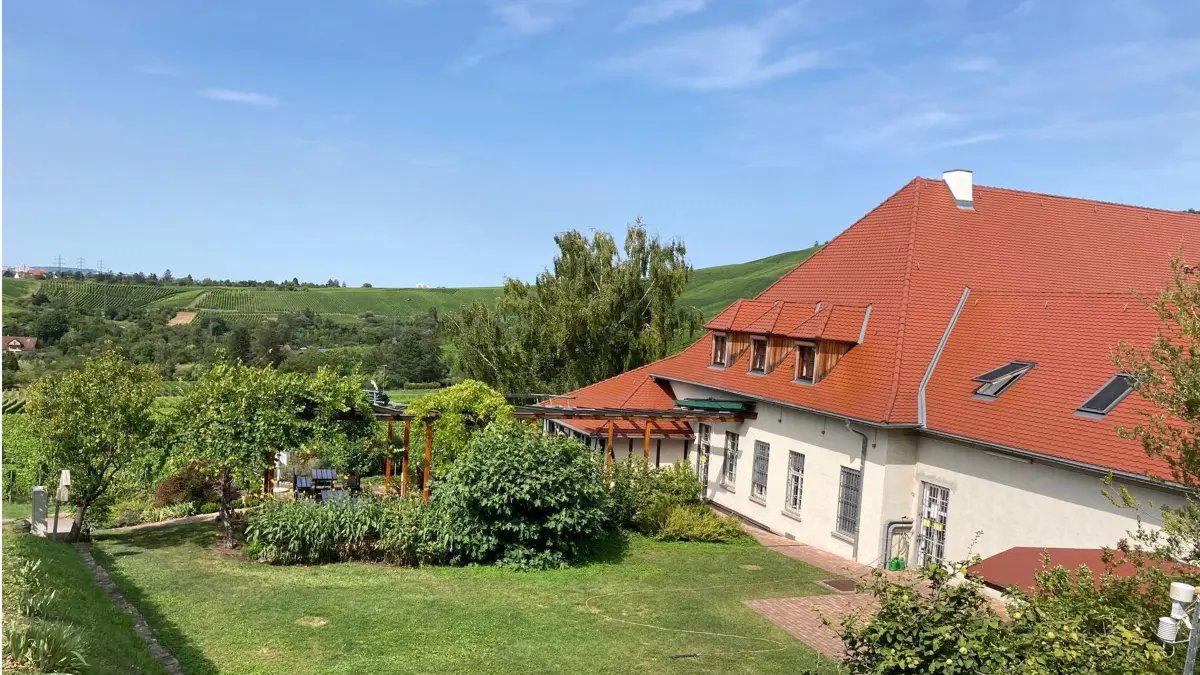
Germany's fine dining circuit has a handful of addresses where the setting does as much editorial work as the kitchen. The grounds of Schloss Hohenheim, a baroque palace complex on Stuttgart's southern edge, place Speisemeisterei in that category. Arriving at the address on Schloss Hohenheim 1B, guests move through palace architecture before reaching the restaurant, a spatial sequence that separates this booking from anything available in Stuttgart's city centre.
Stuttgart's two-star tier is compact. The city's Michelin landscape currently includes a small cluster of multi-star addresses, and Speisemeisterei sits within that group alongside peers like Délice and Hupperts. Each approaches the €€€€ price tier from a different culinary tradition: classic French technique, seasonal precision, and in Speisemeisterei's case, creative cuisine under Chef Stefan Gschwendtner. For visitors benchmarking Stuttgart against German peers, the comparison set expands to include Schwarzwaldstube in Baiersbronn and Vendôme in Bergisch Gladbach, both of which represent Germany's most decorated dining outside the major metropolitan centres.
Two Stars, Held Consecutively: What the Awards Signal
Michelin's two-star classification, awarded in both 2024 and 2025, places Speisemeisterei in a tier reserved for a small share of Germany's starred restaurants. The consecutive award matters: two-star status held across multiple guides indicates consistency rather than debut momentum, which is the more demanding credential.
For context, Stuttgart sits geographically between two of Germany's most concentrated fine dining corridors: the Black Forest region to the southwest, where addresses like Schwarzwaldstube operate, and Bavaria to the east, where JAN in Munich represents the city's creative tier. Speisemeisterei's awards profile places it credibly within that broader south German arc of serious cooking. Within Stuttgart itself, the creative format puts it in a different category from 5 (Modern Cuisine) and Hegel Eins (Modern Cuisine), which occupy the modern cuisine tier at the same price point.
The Wine Program: Cellar Depth in Baden-Württemberg
Creative cuisine at this award level rarely succeeds without a wine program that matches the kitchen's ambition, and the Baden-Württemberg region gives Speisemeisterei a specific geographic advantage. Stuttgart sits at the northern end of one of Germany's most underappreciated wine corridors. The Württemberg designation produces Trollinger, Lemberger, and Riesling in volumes that rarely reach international distribution, meaning a well-curated cellar here should offer direct access to regional producers that a dining room in Berlin or Hamburg would struggle to source. For the sommelier team, that proximity is both an opportunity and a benchmark: guests who know the region will notice quickly whether the list leans on safe international names or commits to the surrounding vineyards.
Germany's two-star restaurants have moved in divergent directions on wine. Some build cellars oriented toward Burgundy and Bordeaux to satisfy international guests; others, particularly those with strong regional identities, have doubled down on domestic producers, including the new wave of German natural and low-intervention winemakers now appearing on lists at addresses like CODA Dessert Dining in Berlin and ES:SENZ in Grassau. The creative cuisine format at Speisemeisterei invites pairings that move beyond classical structure, and the palace setting adds a layer of ceremony to the service dynamic that a more urban room would not carry in the same way.
For a wine-forward visit, the practical consideration is timing. Stuttgart's restaurant scene runs on a rhythm shaped partly by the city's trade calendar and partly by the regional harvest season in autumn, when Württemberg's wine country is most active. Guests who combine a booking at Speisemeisterei with visits to nearby producers are engaging with the region's food and wine culture at the point where they most directly overlap. The wider Stuttgart food and drink scene, including bars and wineries, is mapped in detail across our full Stuttgart bars guide and our full Stuttgart wineries guide.
Stefan Gschwendtner and the Creative Format
Creative cuisine as a Michelin classification covers a broad range of cooking approaches, from ingredient-led simplicity to technically complex multi-course formats. At two-star level, the classification generally signals a kitchen with a defined point of view, where the menu's internal logic is evident and the execution is consistent across service. Chef Stefan Gschwendtner's tenure at Speisemeisterei has produced the consecutive two-star results noted above. German creative kitchens operating at this tier, such as Aqua in Wolfsburg, tend to attract a mix of domestic fine dining regulars and international visitors specifically tracking Germany's starred restaurant circuit.
Within Stuttgart, Gschwendtner's creative direction contrasts with the classic French approach taken at Délice and the more accessible price point at Der Zauberlehrling, which operates at €€€. The Speisemeisterei booking sits at the highest commitment level in Stuttgart dining, both financially and in terms of planning lead time required at a two-star address in a palace setting with limited cover availability at this tier.
Planning a Visit: Logistics and Context
Speisemeisterei's location at Schloss Hohenheim, in Stuttgart's southern district of Plieningen-Birkach, sits outside the city's central neighbourhoods. Guests arriving from Stuttgart's main station should account for travel time to reach the palace grounds, making this a destination booking rather than a walk-in opportunity. Expect a tasting menu format at about $250 per person. Reservations are essential, and the palace setting limits availability.
For visitors building a wider Stuttgart itinerary around this booking, the city's hospitality infrastructure is covered in our full Stuttgart hotels guide, and the broader dining scene, including more casual and mid-range options, is mapped in our full Stuttgart restaurants guide. Those planning around cultural and experiential programming alongside dining will find relevant context in our full Stuttgart experiences guide.
Speisemeisterei's position within European creative dining more broadly can be calibrated against addresses like Alléno Paris au Pavillon Ledoyen and Enrico Bartolini in Milan, both of which operate in the creative tier within landmark settings. The palace-to-restaurant format has precedent across Europe, and guests who have dined in those contexts will find Speisemeisterei operating with the same structural logic: architecture and setting as amplifier, kitchen and cellar as the sustained argument.
A Tight Comparison
Comparable venues nearby, for context on price, style, and recognition.
| Venue | Cuisine | Price | Notes |
|---|---|---|---|
| SpeisemeistereiThis venue — the venue you are viewing | Asemwald, Modern Creative Fine Dining | $$$$ | Not listed |
| 5 | Gablenberg, Modern Fusion Fine Dining | $$$$ | Not listed |
| Laesâ | Gablenberg, Modern Fine Dining | $$$$ | Not listed |
| Délice | Not listed | $$$$ | Gablenberg, Modern Mediterranean Fine Dining |
| Hegel Eins | Gablenberg, Modern Fusion Fine Dining | $$$$ | Not listed |
| Hupperts | Heslach, Modern German Fine Dining | $$$ | Not listed |
Recognition history
Dated appearances from independent guides and award organizations, with the underlying list record or original source where available.
Falstaff Restaurant - 93 Falstaff Points
Falstaff
La Liste Top Restaurants
La Liste
Michelin 2 Stars
Michelin
La Liste Top Restaurants
La Liste
Michelin 2 Stars
Michelin
Opinionated About Dining Classical in Europe Ranked #440
Opinionated About Dining
Michelin 2 Stars
Michelin
Continue exploring
More in Stuttgart
Restaurants in Stuttgart
Browse all →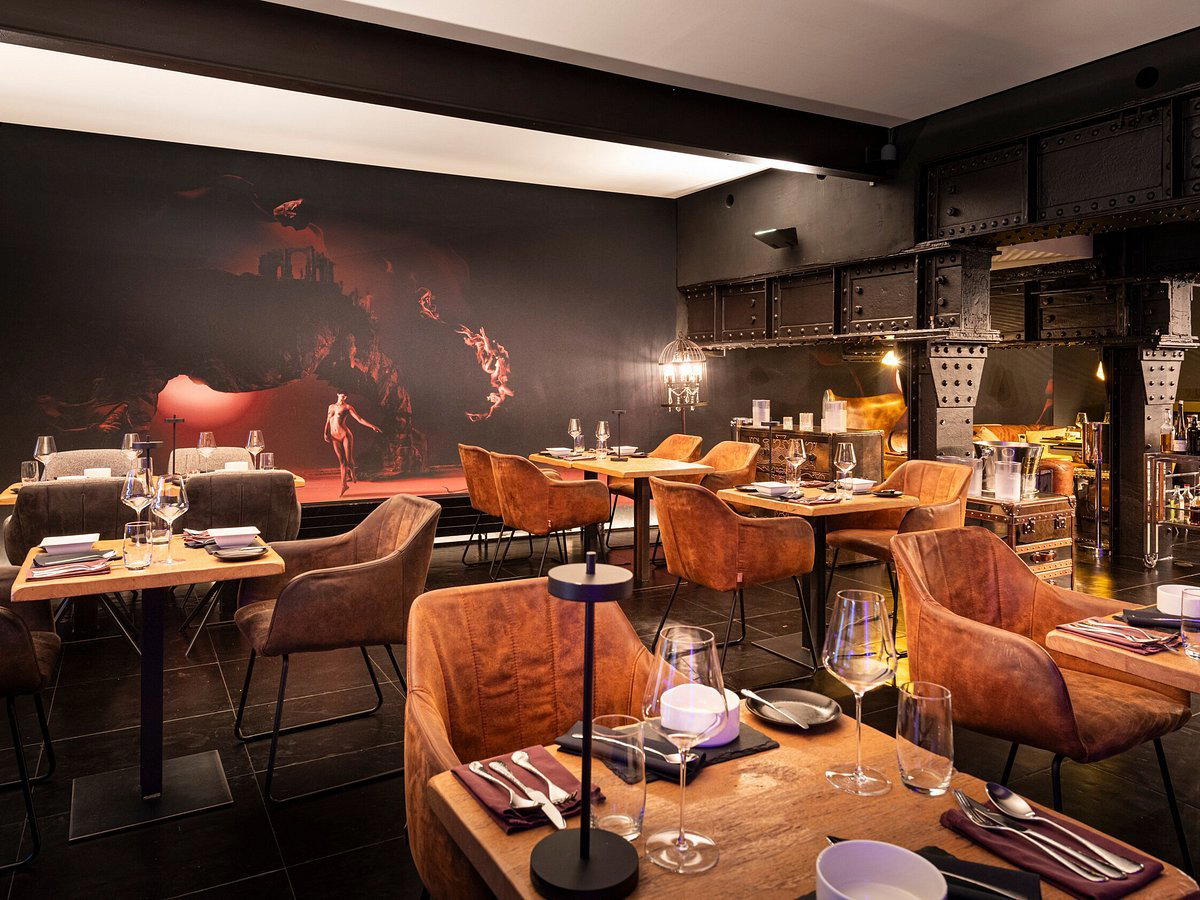
Bars in Stuttgart
Browse all →
Hotels in Stuttgart
Browse all →

At a Glance
- Elegant
- Sophisticated
- Intimate
- Scenic
- Date Night
- Special Occasion
- Business Dinner
- Historic Building
- Terrace
- Open Kitchen
- Extensive Wine List
- Sommelier Led
- Local Sourcing
- Organic
- Garden
Current opening hours
- Monday
- 6:30–11 PM
- Tuesday
- Closed
- Wednesday
- Closed
- Thursday
- 6:30–11 PM
- Friday
- 6:30–11 PM
- Saturday
- 6:30–11 PM
- Sunday
- 6:30–11 PM
Hours can change for holidays and private events. Last verified .
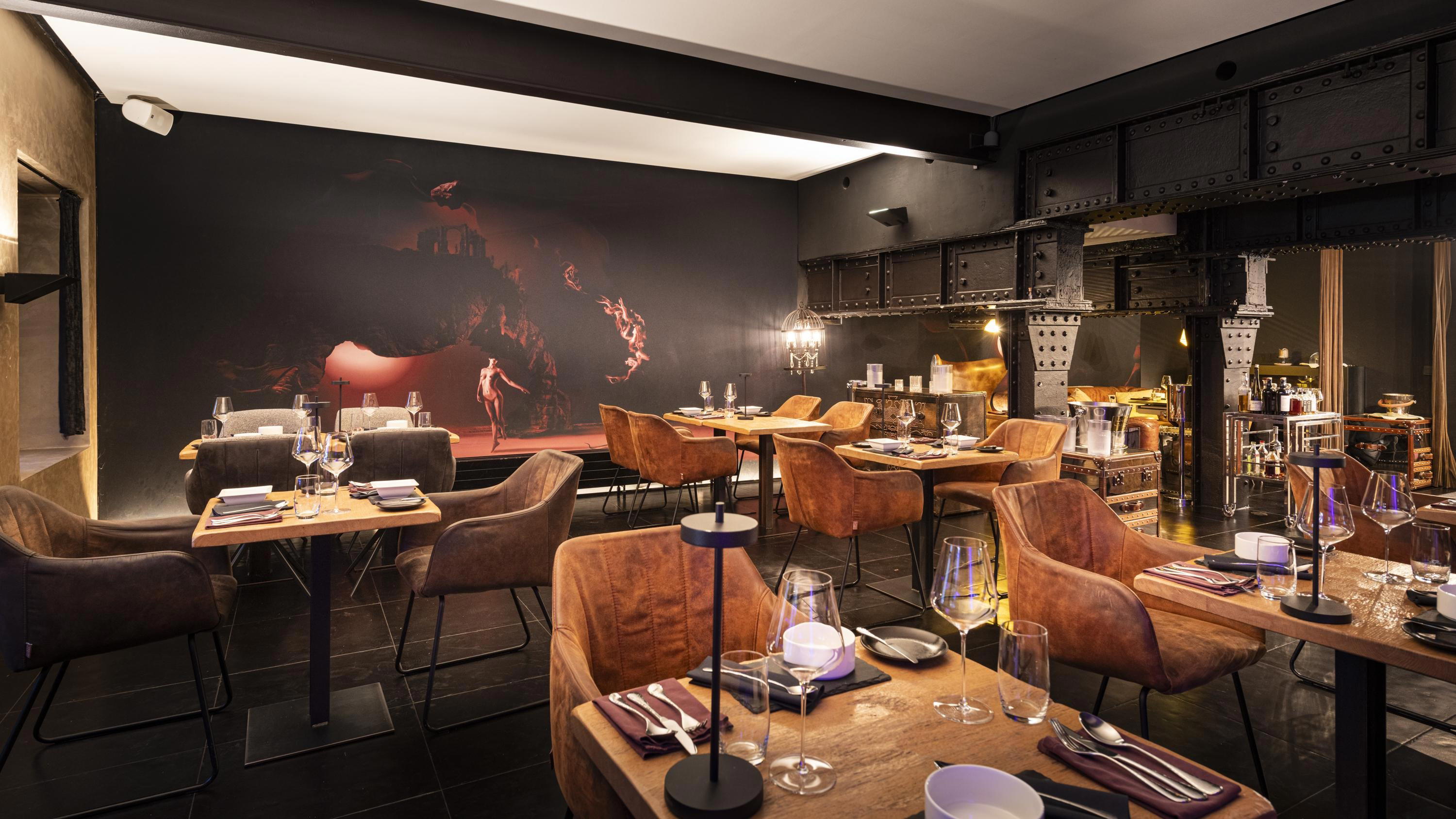
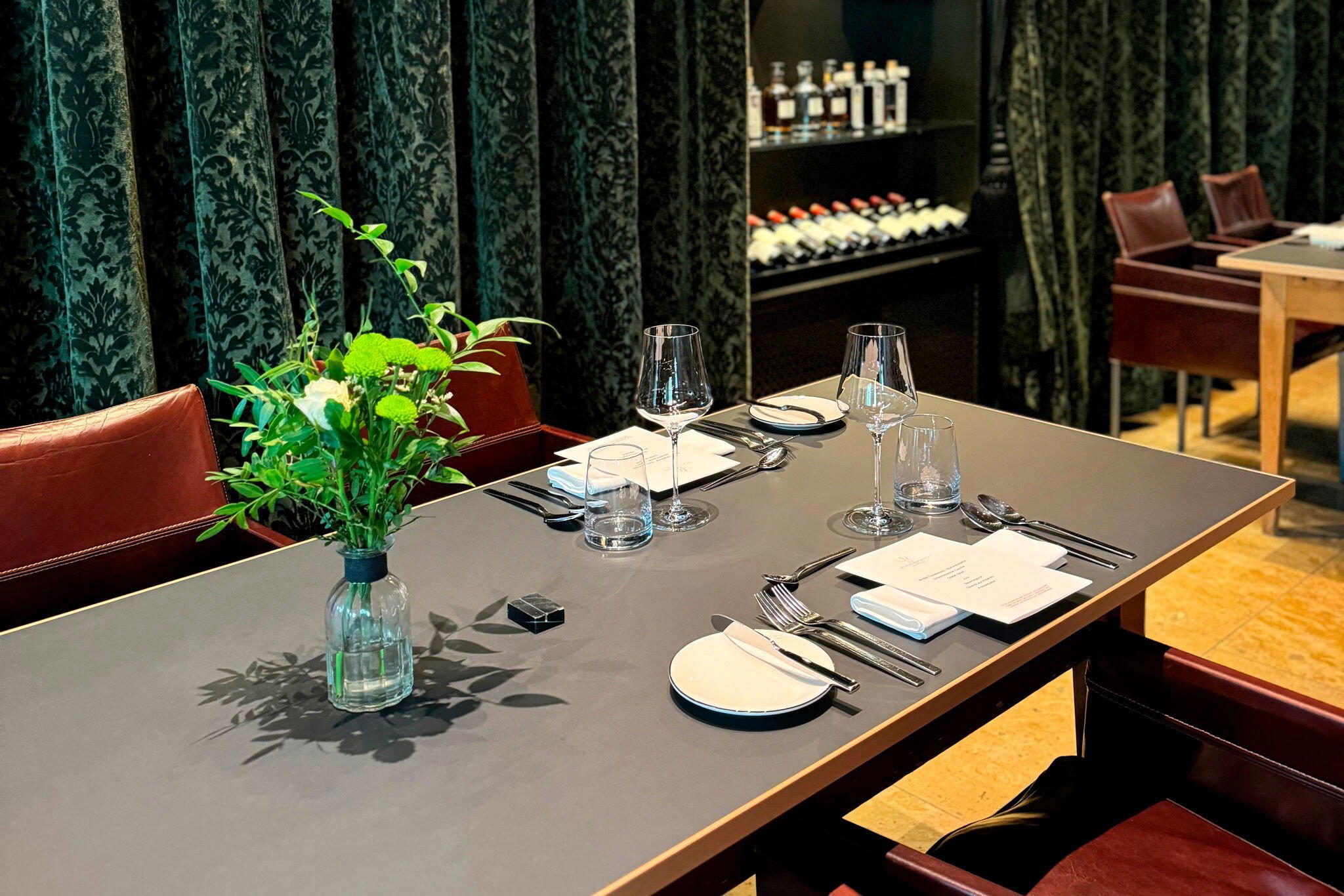
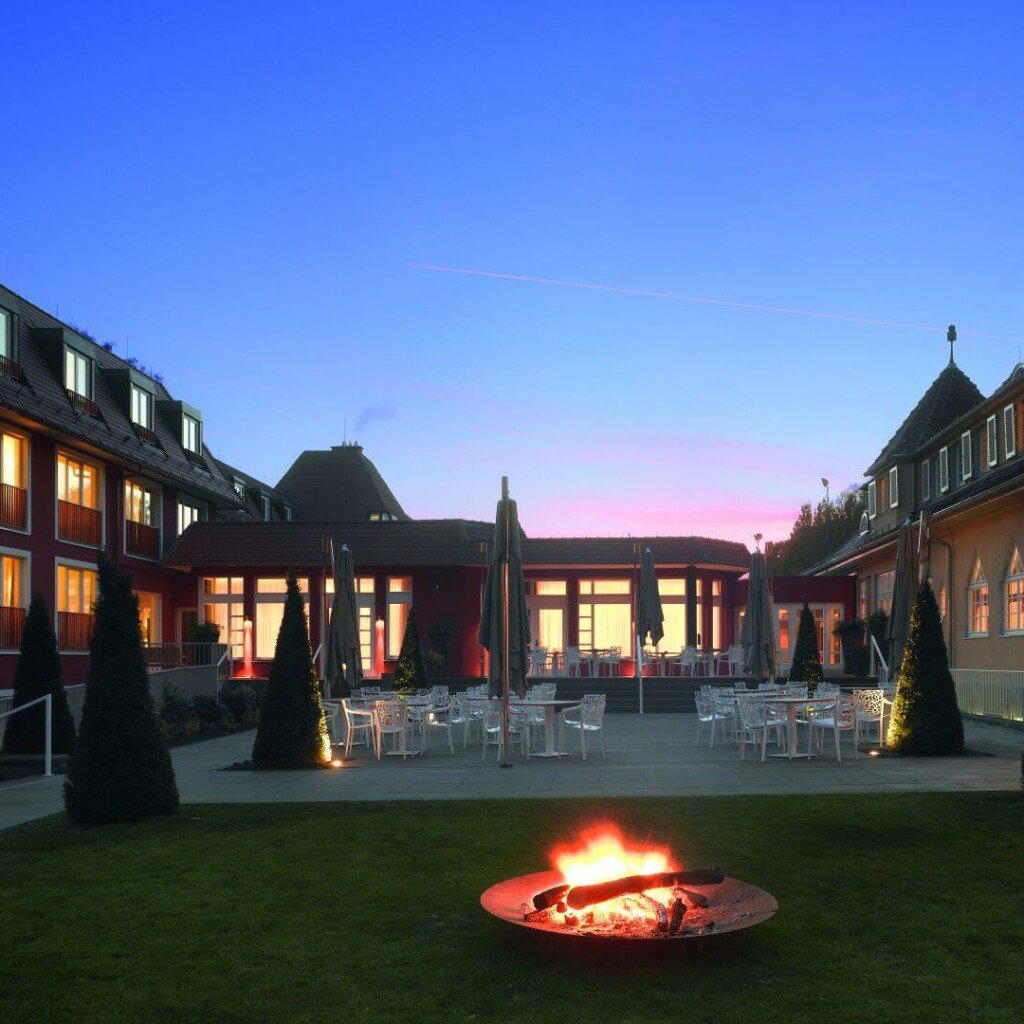
Elegant baroque-inspired rooms with a relaxed yet refined atmosphere, expanding to a delightful terrace overlooking green gardens in summer.