Sushi Le on Rotebühlstraße occupies a corner of Stuttgart's dining scene where Japanese precision meets a city more accustomed to Swabian tradition. The address places it within easy reach of the city's creative restaurant corridor, where venues like Délice and Der Zauberlehrling have long set the benchmark for technical ambition. For a city with relatively few serious Japanese counters, Sushi Le carries real weight as a reference point.
Pearl is the En Primeur Club membership app — saves, bookings, and concierge access live there. Same editors, same standards.
- Address
- Rotebühlstraße 53, 70178 Stuttgart, Germany
- Phone
- +4971150450079
- Website
- sushile.de
- Directions
- Get directions
 Saves & bookings on Pearl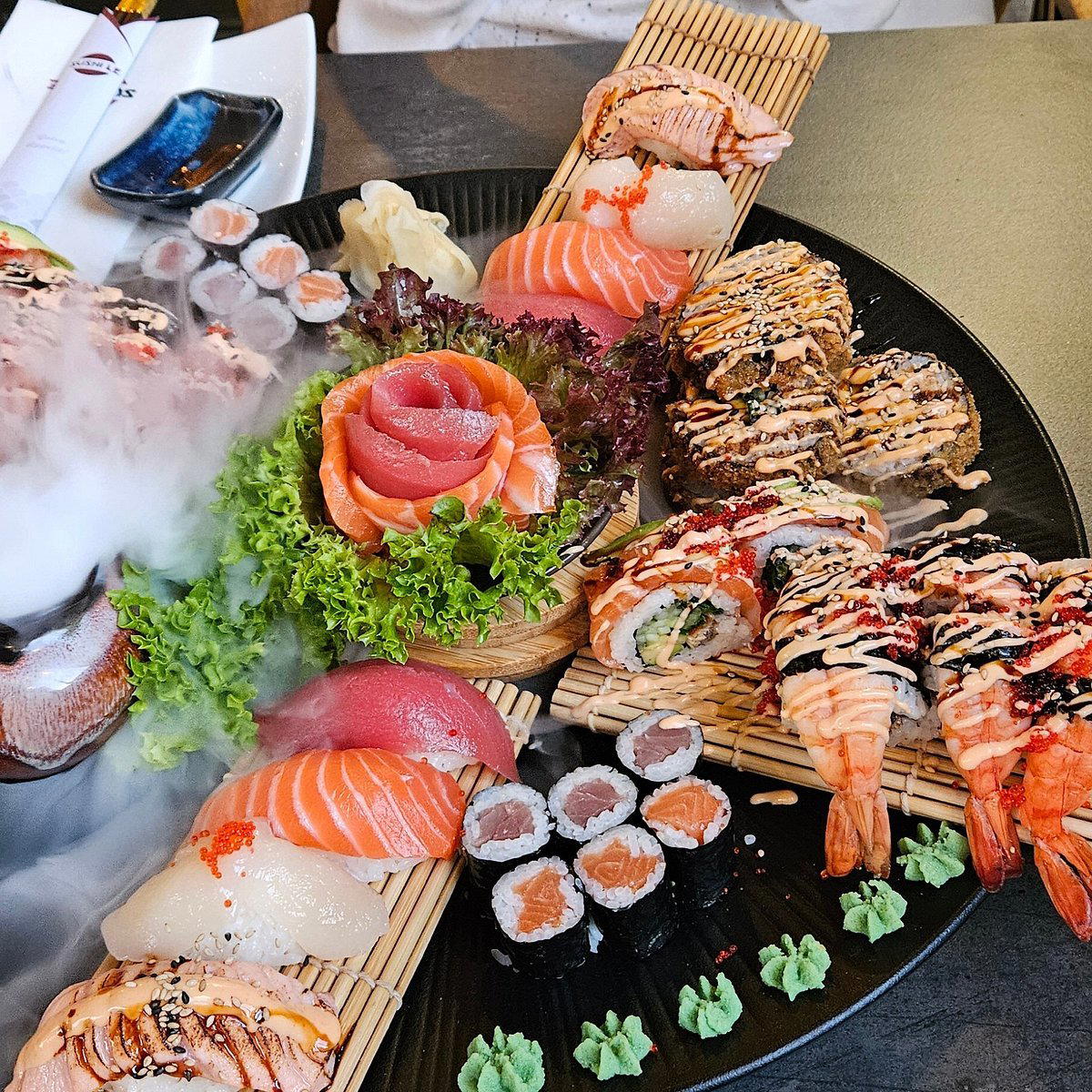
Where Stuttgart Meets Japanese Precision
Stuttgart's restaurant culture has historically leaned European, shaped by Swabian craft, French classical influence, and the kind of multi-course formality associated with venues like Speisemeisterei and Délice. Against that backdrop, serious Japanese dining in the city occupies a narrower and more recently established position. Sushi Le, on Rotebühlstraße 53 in Stuttgart, is an Authentic Japanese Sushi restaurant with, drawing a clientele that ranges from residents treating it as a neighbourhood fixture to visitors comparing it against the city's broader fine-dining offer.
The address itself is instructive. Rotebühlstraße runs through a commercially active stretch of the city that connects residential areas to Stuttgart's central core, placing Sushi Le in a zone that feels lived-in rather than performatively upscale. That positioning is relevant context for how the room likely reads: not the formal dining-room gravity of a Hegel Eins or a 5, but something closer to the neighborhood-anchor model that many of Europe's better Japanese restaurants have adopted deliberately.
The Lunch and Dinner Divide
In Japanese restaurant culture across Europe, the gap between lunch and dinner service is rarely just a matter of timing. It tends to reflect a structural choice about who the restaurant wants to serve, and at what level of commitment. Particularly format-conscious Japanese counters in cities like Berlin and Hamburg operate dinner as the primary vehicle for the full omakase or kaiseki experience, while lunch either compresses the format into a set menu at a lower price point or targets a more casual drop-in audience.
At this level of the market, lunch often represents the more accessible entry point for first-time visitors, with shorter menus that give the kitchen a cleaner brief and the diner a lower-stakes introduction. In Stuttgart, where the Japanese dining category is smaller than in a major gateway city, this distinction carries additional weight: lunch service at a venue like Sushi Le functions partly as a discovery mechanism, drawing in diners who might not otherwise commit to a full evening booking at an unfamiliar format.
Evening service, by contrast, is typically where the kitchen's range becomes legible. The pace slows, the menu expands, and the cumulative effect of a multi-course progression becomes the point rather than a compressed version of it. For context, Germany's most format-disciplined Japanese-influenced counters, including the kaiseki approach practised at venues like JAN in Munich, use the evening format to build sequences that couldn't function inside a 45-minute lunch window.
Stuttgart's Japanese Dining in German Context
Germany has developed a small but serious cohort of Japanese restaurants operating at the fine-dining tier, concentrated in Munich, Hamburg, and Berlin rather than in mid-sized cities. The broader national picture includes venues that have attracted critical attention well beyond their local markets: CODA Dessert Dining in Berlin operates a format that draws comparisons to Japanese sequence-driven thinking, while Germany's classical French tier, represented by venues like Vendôme in Bergisch Gladbach and Victor's Fine Dining by Christian Bau in Perl, provides the high-formality reference point against which Japanese restaurants increasingly position their own service culture.
In Stuttgart specifically, the competition for premium dining spend runs through the city's creative and modern cuisine addresses. Der Zauberlehrling holds a distinct position at the creative end of the city's offer, while venues across Germany's wider fine-dining map, from Schwarzwaldstube in Baiersbronn to Waldhotel Sonnora in Dreis and Restaurant Haerlin in Hamburg, illustrate how the country's upper-end dining has diversified across formats and regions. The restaurant operates in a city where that diversification is still underway, which gives it a relevance that a comparable address in a larger, more saturated market might not carry as clearly.
For comparative context on Japanese-influenced fine dining in the international market, the gap between a Stuttgart neighbourhood counter and a venue like Atomix in New York City or Le Bernardin in New York City is instructive. Those rooms operate at price points and with reservation lead times that reflect a different set of structural conditions. The restaurant's local relevance rests on serving a market where that level of access to serious Japanese dining is otherwise limited.
Placing Sushi Le in the Stuttgart Scene
Stuttgart's dining scene has matured considerably over the past decade, with the city developing a more legible fine-dining identity through venues that operate with ambition beyond their regional footprint. The creative and modern-cuisine addresses in the city, several of which appear in our full Stuttgart restaurants guide, have established a reference frame that raises expectations across all categories, including Japanese. Against that frame, a Japanese restaurant on Rotebühlstraße is not an outlier but a reflection of Stuttgart's broadening restaurant culture.
The venue's address in the 70178 postcode, which covers the West Stuttgart area, places it in a part of the city that has seen ongoing restaurant development, with a mix of neighbourhood regulars and visitors drawn in from adjacent districts. For a city of Stuttgart's size, that geographic positioning within the restaurant corridor matters more than it might in a city with a more consolidated dining district.
For broader reference across Germany's premium restaurant network, venues like ES:SENZ in Grassau, Aqua in Wolfsburg, and Schanz in Piesport illustrate how serious dining ambition in Germany is not confined to its largest cities. The restaurant operates in that same spirit, serving a regional market with the kind of format attention that would previously have required a trip to Munich or Frankfurt.
Comparable Options
Comparable venues nearby, for context on price, style, and recognition.
| Venue | Cuisine | Price | Notes |
|---|---|---|---|
| Sushi LeThis venue — the venue you are viewing | Authentic Japanese Sushi | $$ | Not listed |
| N14 Restaurant | Asian Fusion Sushi | $$ | Gablenberg |
| Feinkost Böhm Sushi-Ya | Traditional Japanese Sushi | $$$ | Gablenberg |
| EArth Tokyo | Authentic Japanese Ramen | $$ | Gablenberg |
| Umami Ramen | Authentic Japanese Ramen | $$ | Gablenberg |
| Achillion | Modern Greek | $$ | Heslach |
Continue exploring
More in Stuttgart
Restaurants in Stuttgart
Browse all →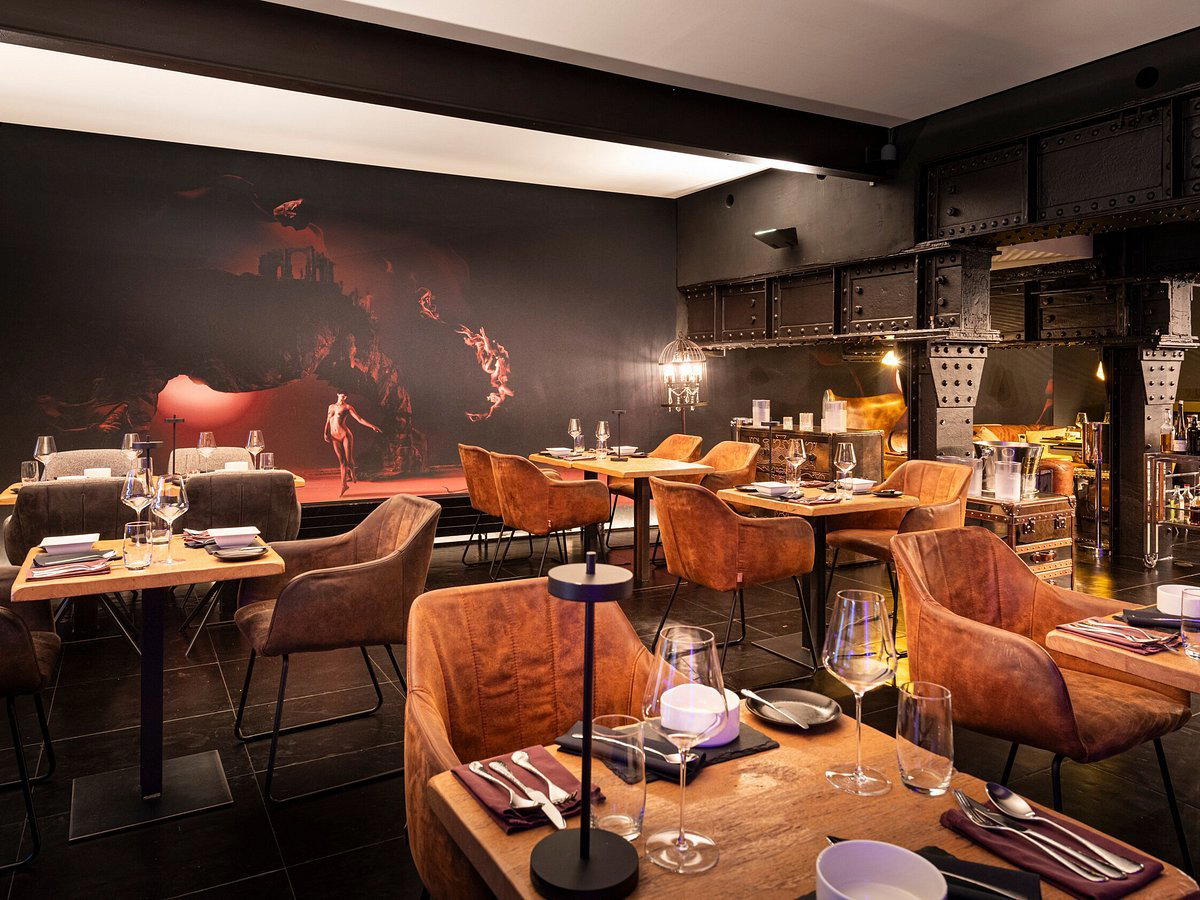
Bars in Stuttgart
Browse all →
Hotels in Stuttgart
Browse all →

At a Glance
- Cozy
- Modern
- Casual Hangout
- Sake Program
- Street Scene
Current opening hours
- Monday
- 11:30 AM–2:30 PM, 5–10:30 PM
- Tuesday
- 11:30 AM–2:30 PM, 5–10:30 PM
- Wednesday
- 11:30 AM–2:30 PM, 5–10:30 PM
- Thursday
- 11:30 AM–2:30 PM, 5–10:30 PM
- Friday
- 11:30 AM–2:30 PM, 5–11 PM
- Saturday
- 11:30 AM–2:30 PM, 5–11 PM
- Sunday
- 12–10 PM
Hours can change for holidays and private events. Last verified .
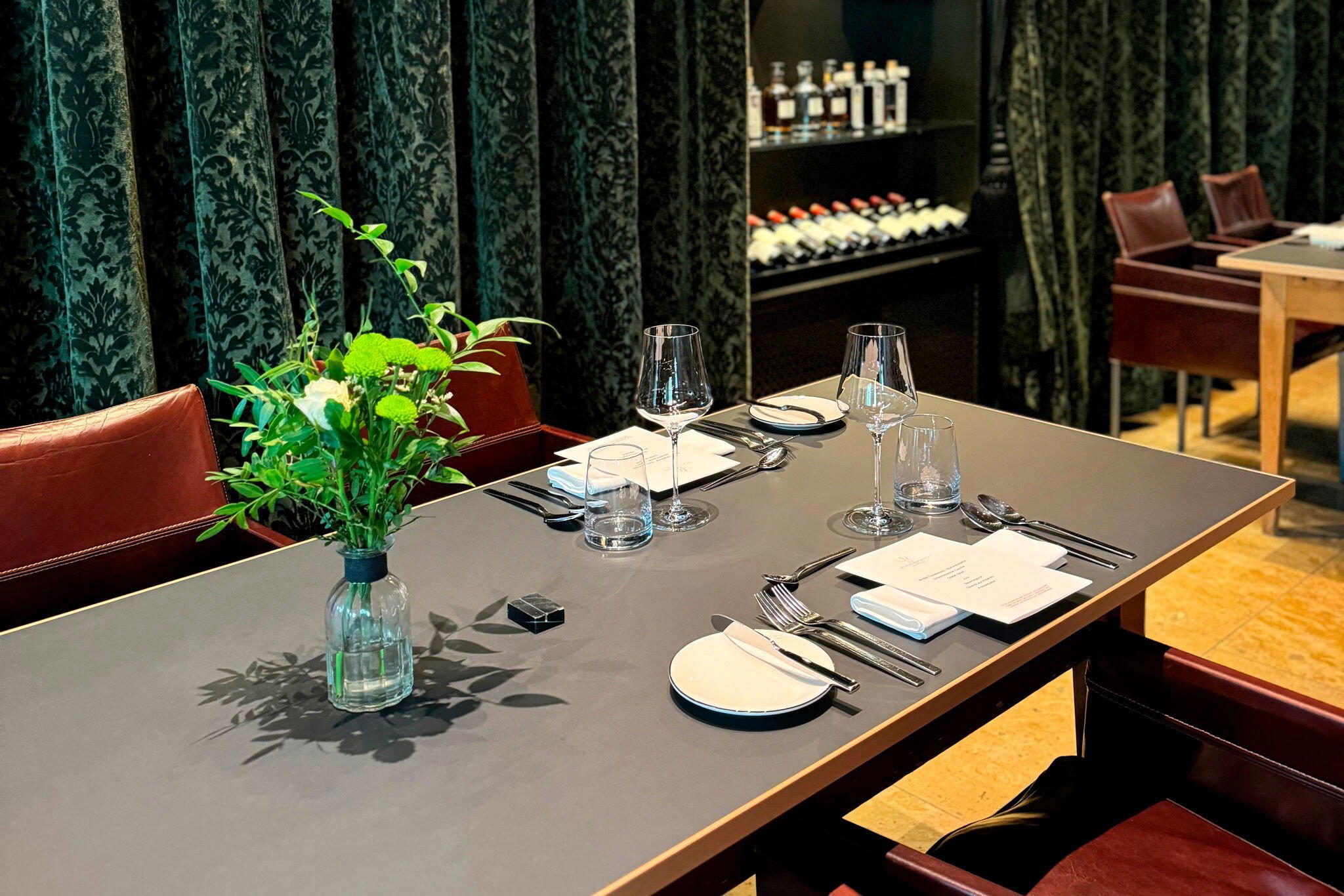
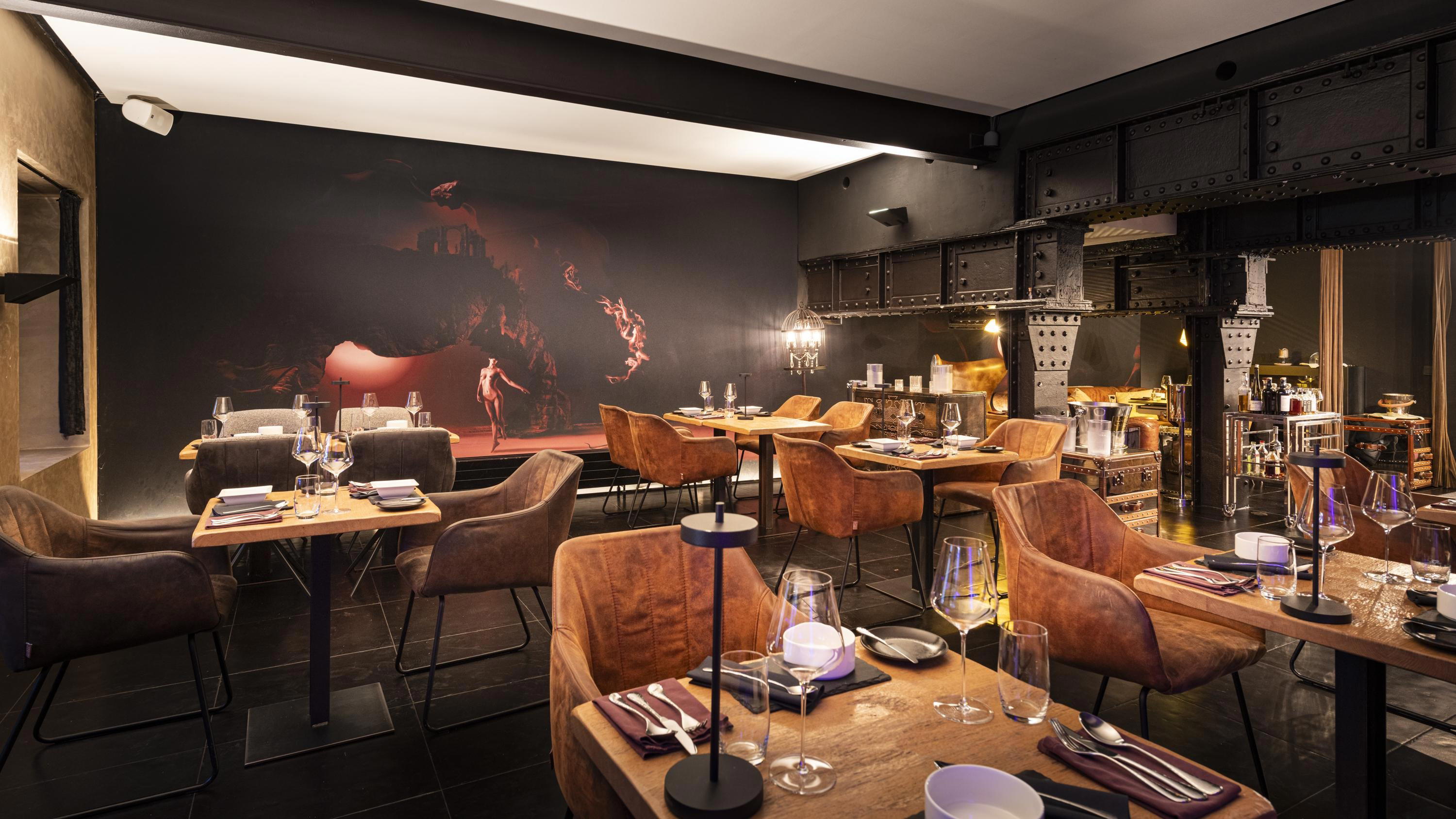
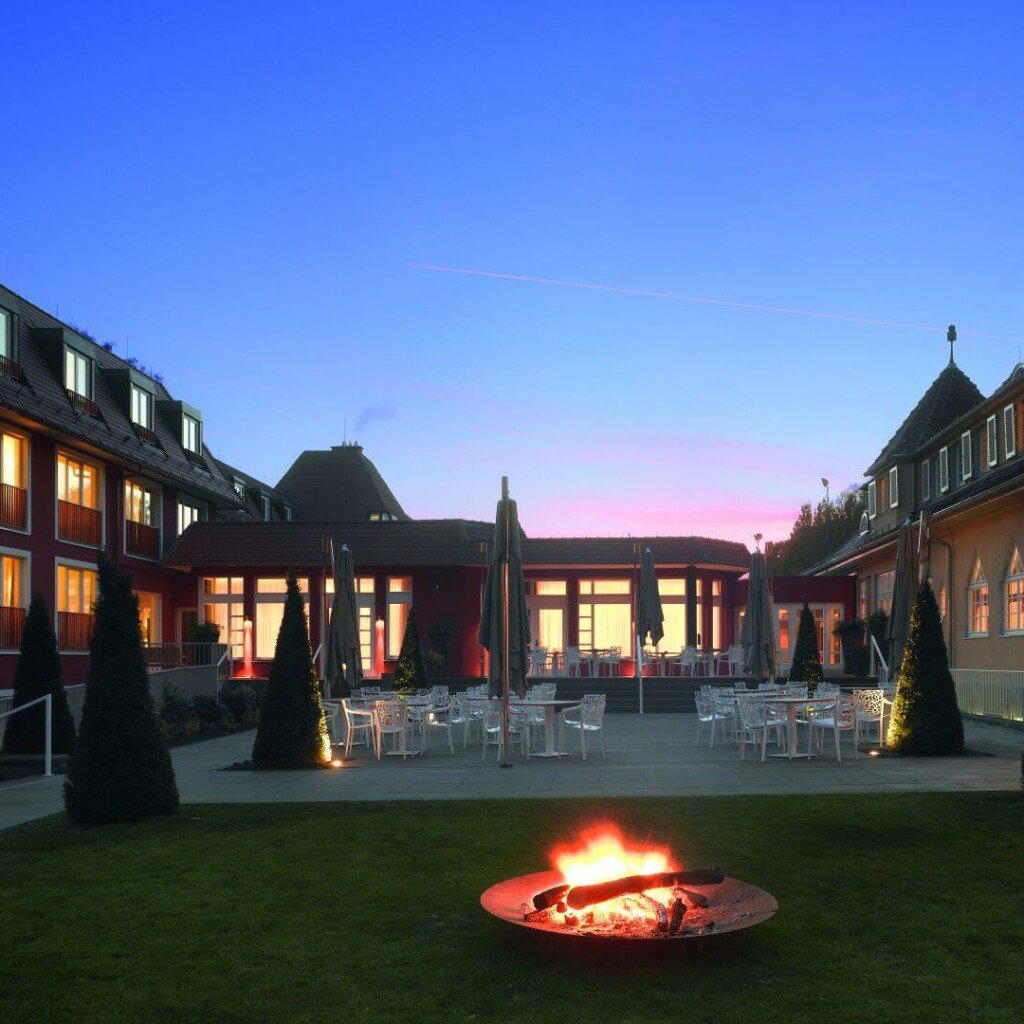
Inviting ambiance with spectacular decor and a ravishing atmosphere that allows guests to relax.