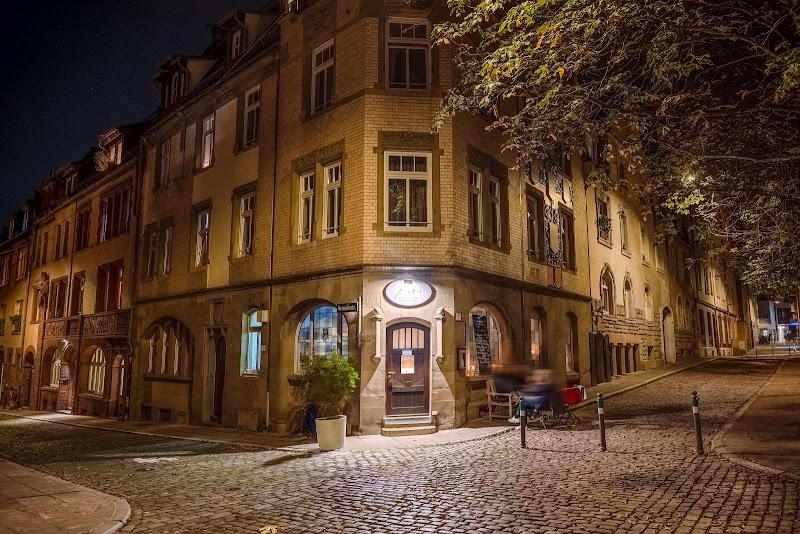
On Heinrich-Baumann-Straße in Stuttgart's eastern districts, Bonnie & Clyde occupies a niche that the city's dining scene rarely fills: a neighbourhood address with enough personality to reward the detour. Stuttgart's fine-dining tier skews toward formal French-inflected rooms, which makes venues that operate outside that template worth tracking. This is one of them.
Pearl is the En Primeur Club membership app — saves, bookings, and concierge access live there. Same editors, same standards.
- Address
- Heinrich-Baumann-Straße 24, 70190 Stuttgart, Germany
- Phone
- +497112858820
- Website
- de-de.facebook.com
- Directions
- Get directions
 Saves & bookings on Pearl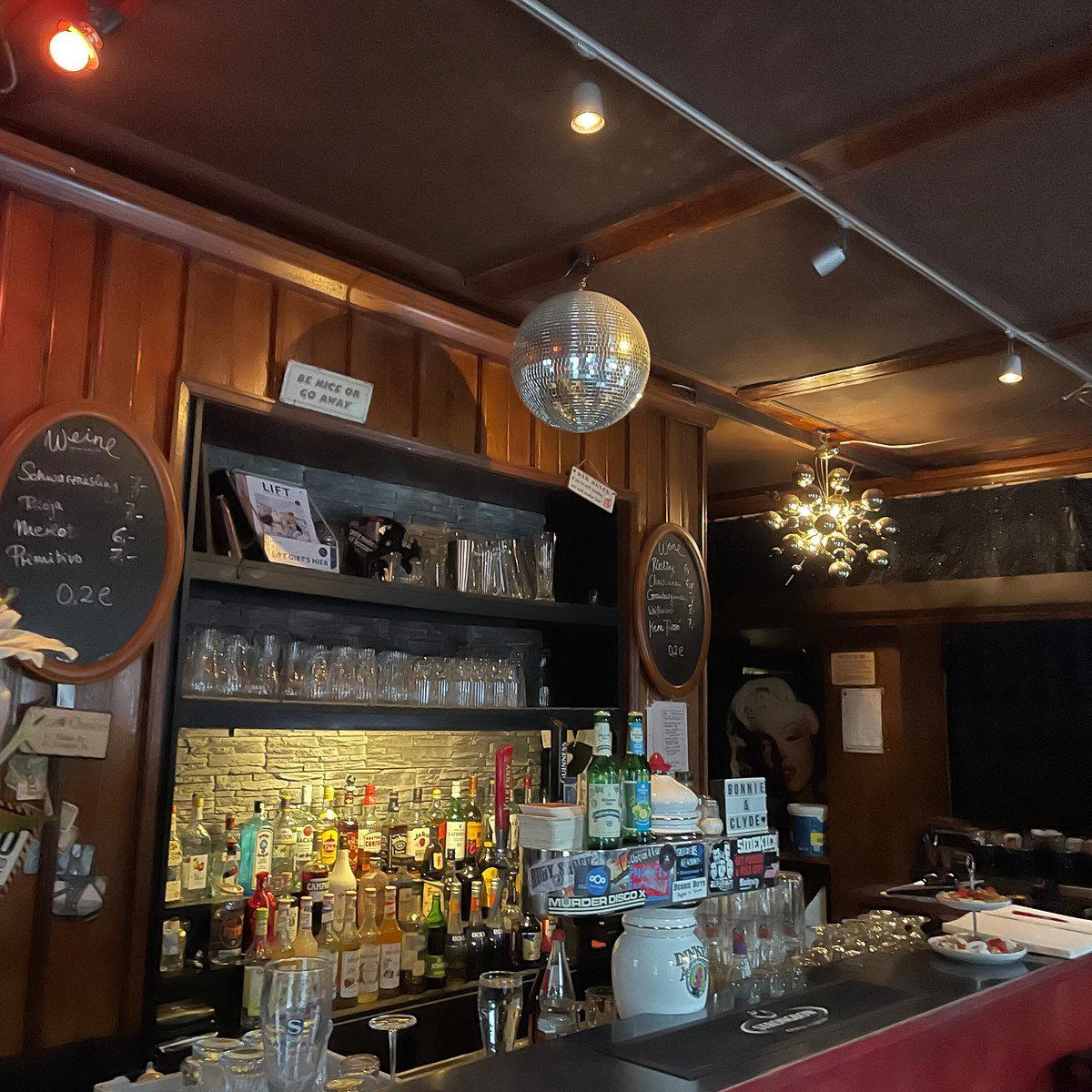
A Different Register for Stuttgart Dining
Stuttgart's restaurant scene divides more sharply than most German cities of comparable size. At one end sit the Michelin-decorated rooms, formal, technique-driven, built around tasting menus and wine pairings that run well past midnight. Speisemeisterei and Délice anchor that tier, with the former occupying a historic glasshouse setting and the latter holding steady recognition for its creative output. At the other end sits a broader middle ground of neighbourhood restaurants that rarely make international lists but sustain the city's dining culture through consistency rather than ambition. Bonnie & Clyde, on Heinrich-Baumann-Straße in Stuttgart's eastern quarter, is a restaurant serving American burgers and bar food.
That positioning matters for context. Stuttgart is not a city where counter-culture dining concepts typically find large audiences. Baden-Württemberg has deep conservative dining habits, guests here tend to value craft and provenance over provocation, and wine literacy runs high relative to other German urban markets. Any venue attempting a personality-led format in this environment is working against the grain of local expectations, which either limits its ceiling or, if it connects, creates unusual loyalty.
The Wine Question in a Wine-Literate City
Baden-Württemberg produces more red wine than any other German region, with Trollinger, Lemberger, and Spätburgunder forming the backbone of regional output. Stuttgart itself sits within the Württemberg wine region, where cooperative cellars and family estates both compete for shelf space. This creates a particular dynamic for any serious restaurant wine program in the city: the baseline expectation from guests is already high, and the option to anchor a list around local producers is both commercially sensible and editorially defensible.
The more interesting question for any Stuttgart venue with wine ambitions is how it handles the tension between regional advocacy and broader reference. A list that stops at Württemberg boundaries reads as provincial in a city with growing international dining traffic; a list that ignores local producers in favour of Burgundy and the Rhône reads as indifferent to the regional identity that gives Stuttgart dining part of its character. The venues that get this balance right, rotating seasonal additions from Baden alongside a core of well-sourced international bottles, tend to build the deepest regular clienteles. Hegel Eins and 5 both operate in the modern cuisine tier where this balance is actively managed; the degree to which Bonnie & Clyde applies similar curation to its program is one of the key questions for a first visit.
Neighbourhood Context: Eastern Stuttgart
Heinrich-Baumann-Straße sits away from the tourist-facing circuits of the Stadtmitte and the gallery-and-boutique corridor of the West. The eastern districts have a more residential grain, less curated, more functional, with the kind of street-level commercial mix that tends to support restaurants running on repeat local custom rather than destination traffic. That context shapes what a venue on this street can realistically be. It is unlikely to carry a long waiting list on the strength of international press coverage; it is more likely to sustain itself through neighbourhood regulars who return often and spend consistently.
For the visitor rather than the resident, this is actually useful information. Restaurants in residential districts tend to self-correct faster when quality dips, the local audience has alternatives and is less forgiving than occasional tourists. A venue that holds steady in that environment for any meaningful period is doing something right at the operational level, even if it lacks the award signals that make international shortlisting direct.
Where It Sits in Stuttgart's Competitive Field
The relevant comparable set for Bonnie & Clyde is not the Michelin tier that includes Der Zauberlehrling, with its creative format and consistent critical attention, nor the formal classic French rooms that Stuttgart has historically supported. It sits in the layer below that ceiling, where the competitive distinction comes from atmosphere, value consistency, and the specific character of what arrives at the table rather than from starred recognition or chef pedigree that travels internationally.
That layer is, in some ways, the harder one to inhabit. The Michelin-decorated rooms in Stuttgart have clear signal value, guests booking Speisemeisterei or comparable addresses know what they are buying before they arrive. Venues without that signal have to earn trust through other means: consistent food quality, a wine list with genuine depth and editorial logic, room atmosphere that justifies the choice, and service that reads the table rather than applying a scripted template. Germany's broader fine-dining tier has seen this dynamic play out nationally, with destinations from Schwarzwaldstube in Baiersbronn to Aqua in Wolfsburg defining what formal recognition looks like at the high end, and a wider set of independently operating rooms building reputations beneath that threshold.
Internationally, the pattern mirrors what visitors see at venues like Lazy Bear in San Francisco or Le Bernardin in New York City, where credibility is built through sustained editorial attention and audience loyalty rather than any single credential, though the scale and context differ substantially from a neighbourhood address in Stuttgart's eastern quarter.
Planning a Visit
Bonnie & Clyde is located at Heinrich-Baumann-Straße 24, 70190 Stuttgart. The address is within reach of central Stuttgart by public transport, with the city's U-Bahn network providing access to the eastern districts from the Stadtmitte in under fifteen minutes. For visitors arriving from outside Germany, Stuttgart has direct rail connections from Munich (approximately two hours by ICE), Frankfurt (approximately one hour), and Zurich (approximately two and a half hours), making it a feasible addition to a wider Baden-Württemberg itinerary that might include high-end dining further afield. Those planning a deeper regional circuit might also consider Schanz in Piesport or Waldhotel Sonnora in Dreis as reference points for what serious German regional dining can reach at its most considered.
At-a-Glance Comparison
Comparable venues nearby, for context on price, style, and recognition.
| Venue | Cuisine | Price | Notes |
|---|---|---|---|
| Bonnie & ClydeThis venue — the venue you are viewing | American Burgers & Bar Food | $$ | Not listed |
| Underdog Burger | American Burgers & Wood-Fired Pizza | $$ | Berg |
| RAGAZZI | Neapolitan Pizzeria | $$ | Gablenberg |
| Alte Kanzlei Stuttgart | Traditional Swabian | $$ | Gablenberg |
| Mauritius | Mediterranean Beach Food with Caribbean Influences | $$ | Gablenberg |
| Paulaner am alten Postplatz | Bavarian and Swabian | $$ | Gablenberg |
Continue exploring
More in Stuttgart
Restaurants in Stuttgart
Browse all →
Bars in Stuttgart
Browse all →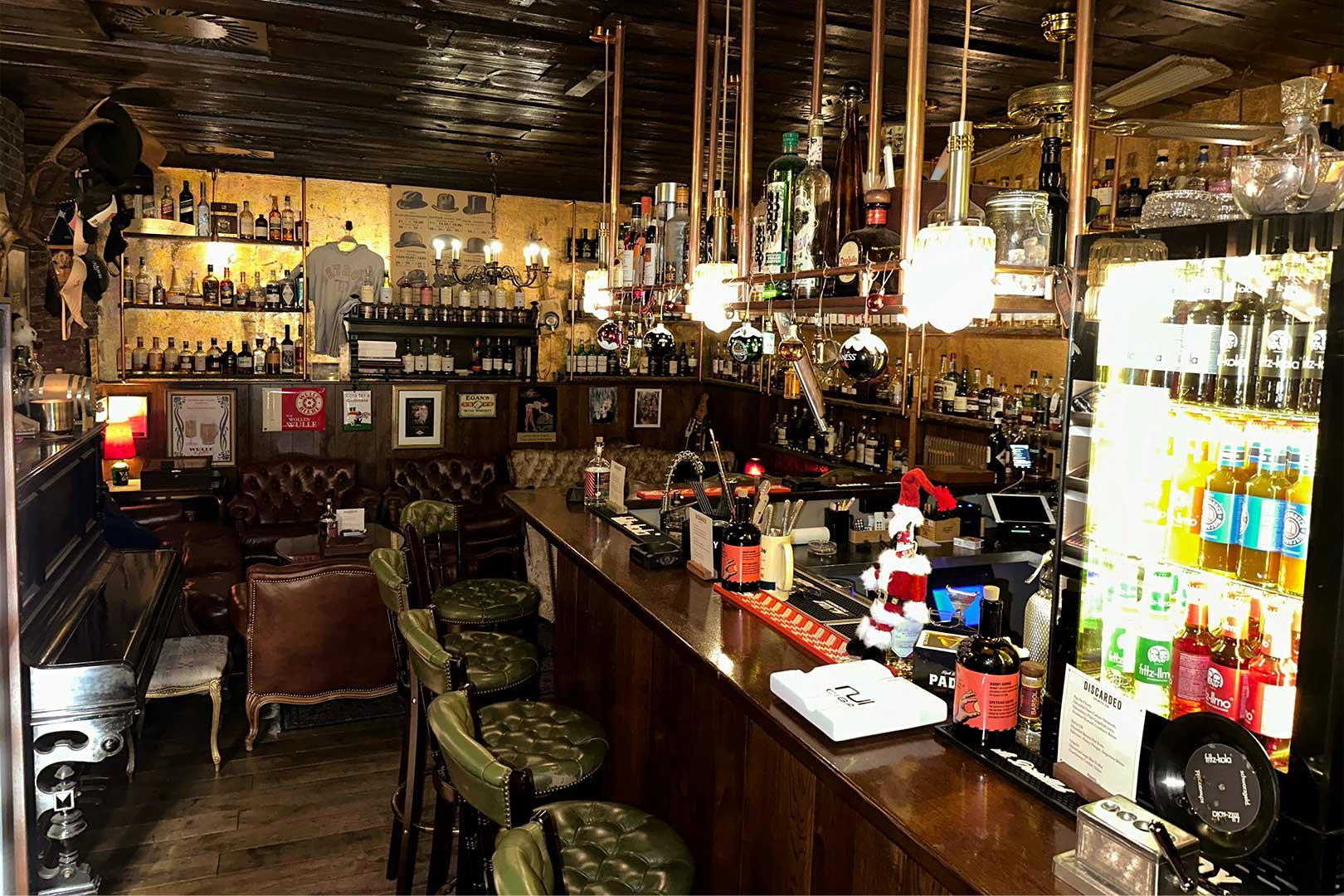

Hotels in Stuttgart
Browse all →

At a Glance
- Lively
- Cozy
- Trendy
- Energetic
- Casual Hangout
- Late Night
- After Work
- Open Kitchen
- Beer Program
Current opening hours
- Monday
- Closed
- Tuesday
- 6:03 PM–12 AM
- Wednesday
- 6:03 PM–12 AM
- Thursday
- 6:03 PM–12 AM
- Friday
- 6:03 PM–12 AM
- Saturday
- 6:03 PM–12 AM
- Sunday
- 6:03 PM–12 AM
Hours can change for holidays and private events. Last verified .
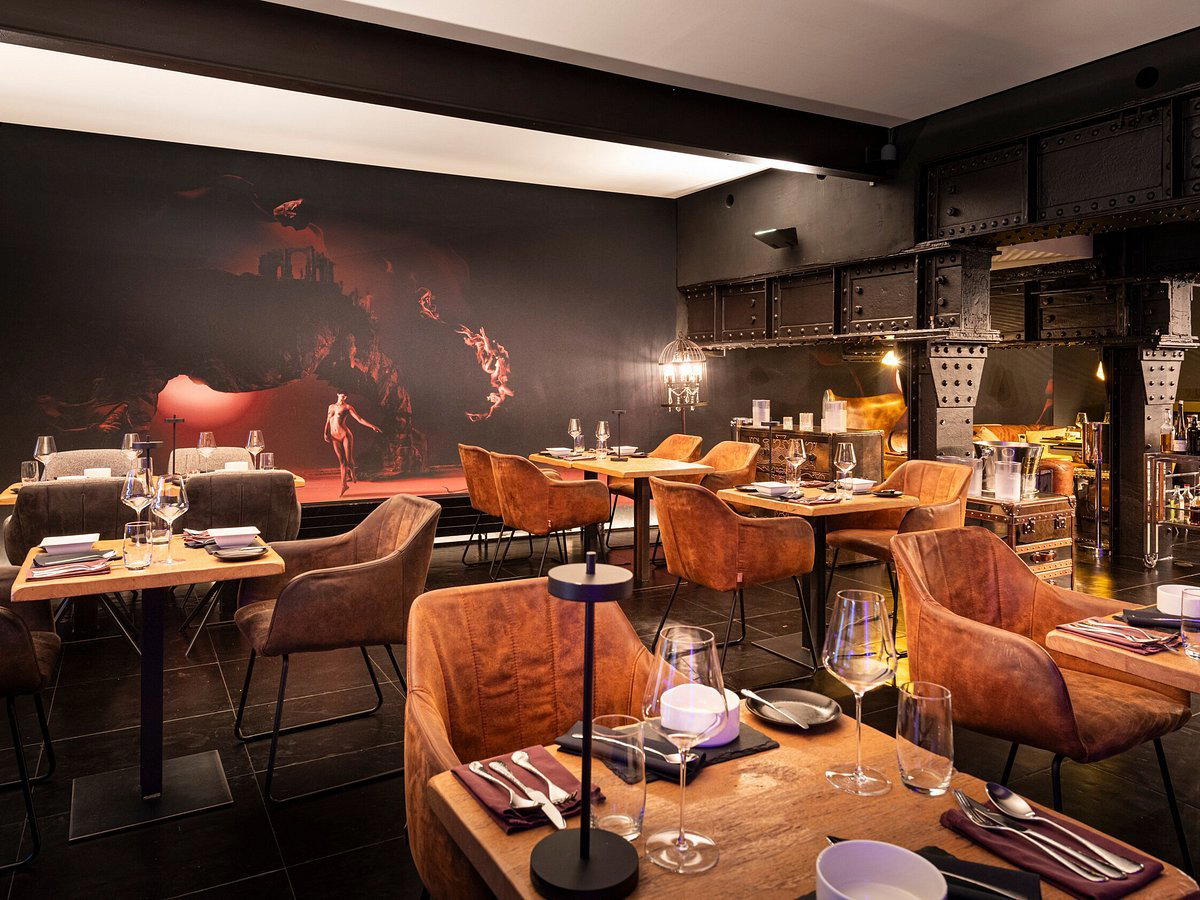
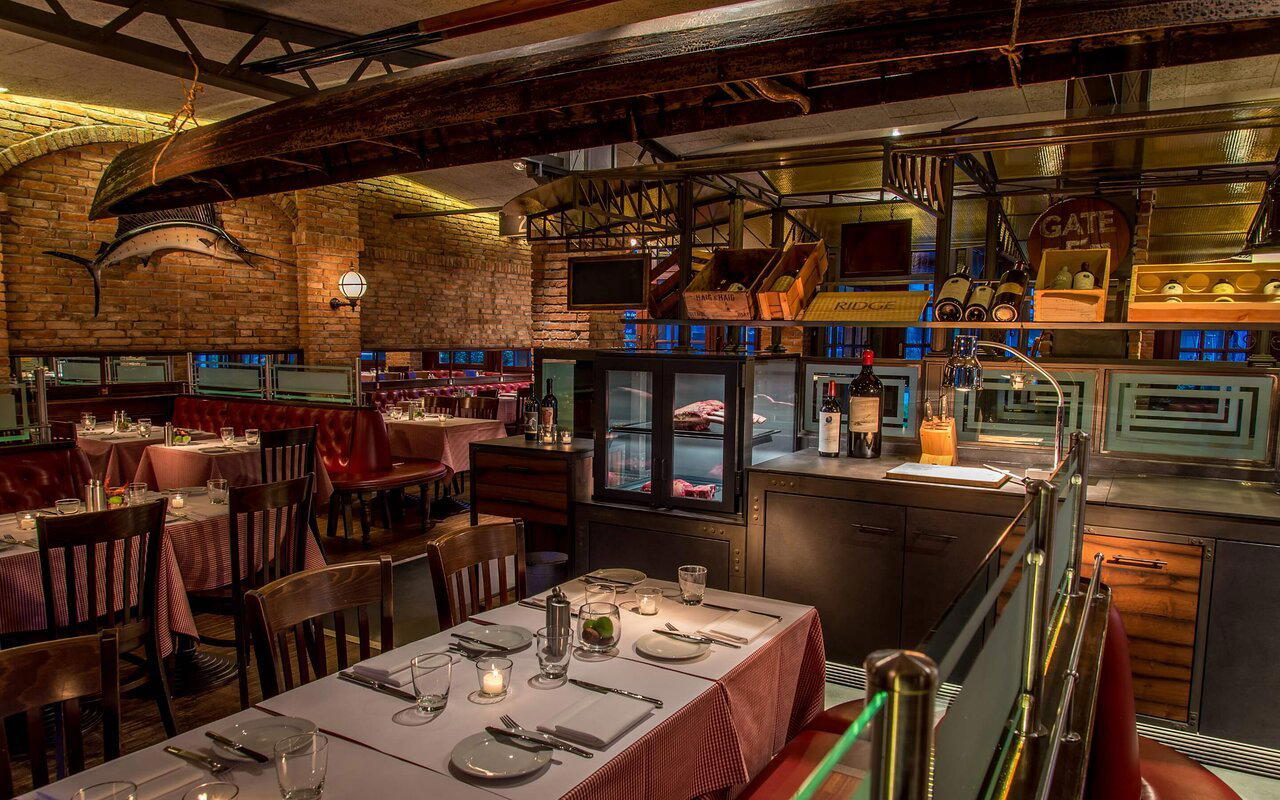
Relaxed college bohemian vibe with punk rock music at conversational volume, wood paneling, and friendly service.