BakaBaka sits on Bankastræti in central Reykjavik, where the city's bar scene converges after dark. The address places it squarely in the stretch where locals and visitors overlap, making it a reliable stop on any serious crawl of the 101 postcode. It fits the Reykjavik pattern of compact, convivial spaces where drinks and food arrive in the same breath.
Pearl is the En Primeur Club membership app — saves, bookings, and concierge access live there. Same editors, same standards.
- Address
- Bankastræti 2 101, 101 Reykjavík, Iceland
- Phone
- +354 551 4430
- Website
- bakabaka.is
- Directions
- Get directions
 Saves & bookings on Pearl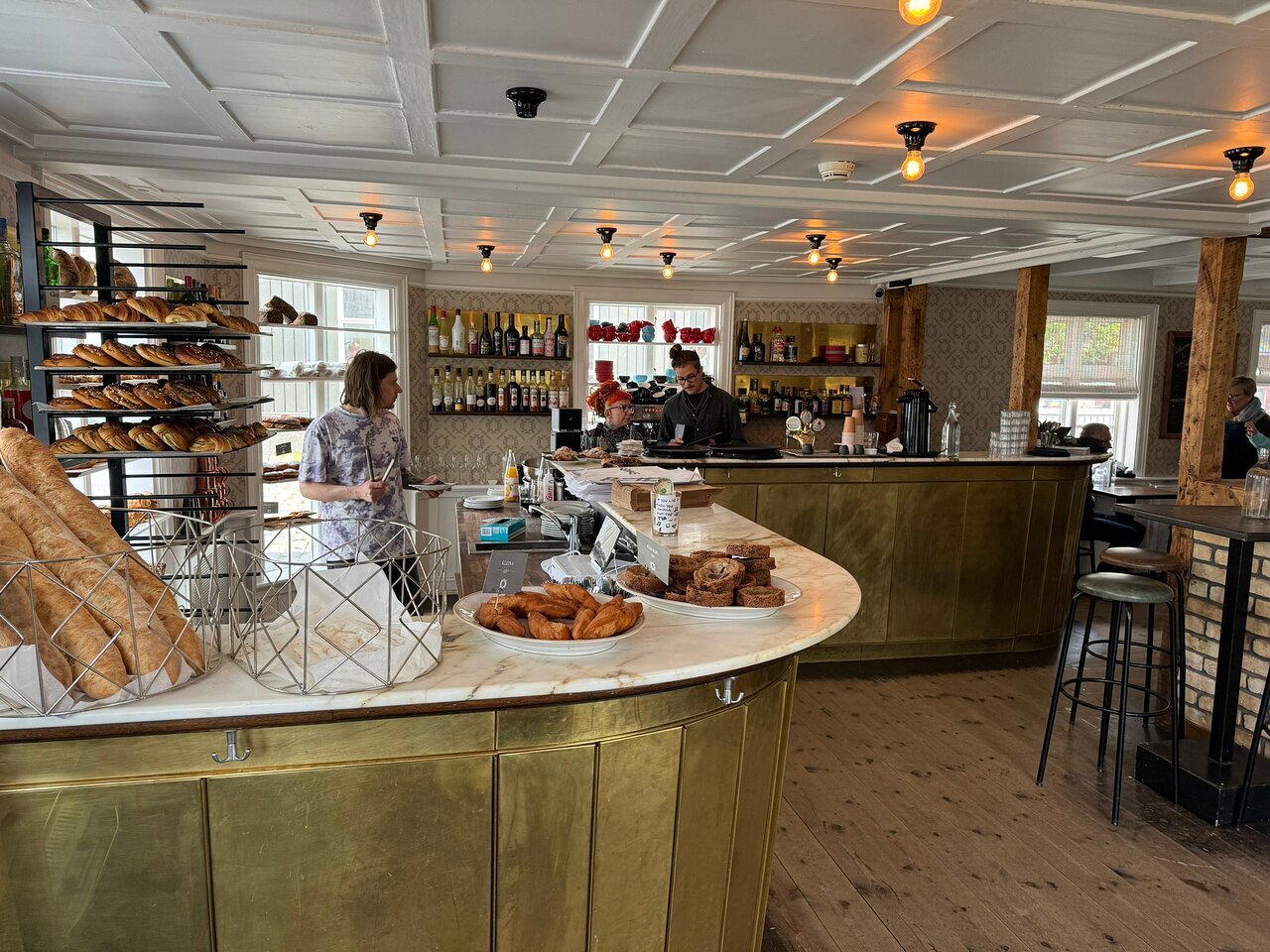
Bankastræti After Dark: Where Reykjavik Drinks
Bankastræti is one of those streets that rewards the patient observer. In daylight it reads as a conventional city-centre corridor, but by early evening the strip between Lækjartorg and the Austurvöllur square transforms into the connective tissue of Reykjavik's bar circuit. The addresses here each draw a different crowd at a different hour. BakaBaka occupies number 2 at the lower end of the street, which puts it at the entry point of that circuit.
That positioning matters in a city where bar geography is unusually compressed. Reykjavik's 101 postcode contains more drinking options per square kilometre than most capitals, and venues on this particular stretch compete not by being louder or larger but by earning repeat visits from locals who have many alternatives. Bodega and Hotel Borg by Keahotels both operate within a short walk, and the crowd that moves between them tends to be informed about where its money goes, particularly in a city where bar prices sit at the higher end of the European spectrum.
The Drinks and Food Relationship in Reykjavik's Bar Scene
One interesting shift in Reykjavik's bar culture over the past decade is not what people are drinking but how food has moved from an afterthought to an architectural element of the experience. Across the 101 postcode, bars that once offered only a token snack menu have either dropped food entirely or committed to a programme serious enough to anchor an evening. BakaBaka sits on Bankastræti at the point where these two impulses meet: it is an address that draws people who want the bar to function as a bar, not as a restaurant with pretensions, but who also expect the kitchen to hold up its end of the arrangement.
This food-and-drink pairing logic is well-established in northern European bar culture. In Copenhagen and Helsinki, the model of a focused drinks list supported by small, precise bites has been refined over years; Reykjavik has arrived at a similar place through a slightly different path, shaped partly by the supply constraints of an island economy and partly by a local appetite for lamb, fish, and fermented dairy that doesn't map neatly onto imported bar-food templates. The result, at the better Bankastræti addresses, is a kitchen that works with what Iceland actually produces rather than approximating a generic European bar menu.
For visitors arriving in the darker months, the relationship between a good drink and something substantial to eat becomes more than a stylistic preference. It is a practical requirement. Bryggjuhúsið on the harbour and 12 Tónar operate in adjacent niches, each with its own approach to the question of whether drinks or food leads, but the winter logic applies across all of them.
What the Address Signals
Bankastræti 2 is a central enough address that it functions without requiring a pilgrimage. The street runs parallel to Laugavegur, which is the main shopping artery, and the two feed each other throughout the evening as crowds move between them. Getting there on foot from most central hotels takes under ten minutes; from the BSÍ bus terminal, which serves arrivals from Keflavík International Airport, the walk is around fifteen minutes or a short taxi ride. The concentration of bars in this small area means that building a loose route makes more sense than planning around a single address.
The summer picture is different. Tourists account for a higher proportion of the crowd, the sun stays out well past midnight, and the pacing of an evening shifts accordingly. Addresses that feel intimate in February can feel hectic in July. The bars that maintain their character across both seasons tend to be the ones with a strong regular base, something that Bankastræti addresses earn or lose over years of consistency rather than through any single month's performance.
Within Reykjavik's bar scene, BakaBaka occupies the generalist end of a market that also includes specialist operations. Kramber and Náttúrufræðistofnun represent more format-specific propositions, while the Bankastræti cluster operates at the intersection of accessibility and quality that most of the city's evening trade actually wants. That is not a criticism. The generalist bar that executes well on drinks, food, and atmosphere simultaneously is harder to sustain than a niche concept, and the addresses that do it on a street as competitive as Bankastræti tend to have earned their position.
For comparison outside Iceland, the logic is recognisable in other compact northern capitals where a small number of central streets carry a disproportionate share of the bar culture. Bar Leather Apron in Honolulu and Jewel of the South in New Orleans operate in their own geographic and culinary registers, but they share the same underlying argument: that a bar with a coherent food programme outperforms one that treats the kitchen as a liability. Iceland's bar scene has arrived at the same conclusion through its own geography.
Beyond the capital, the same pattern appears in the regions. Götubarinn in Akureyri serves the north, while Gott in Vestmannaeyjar and Prýði in Vestmannaeyjabær demonstrate that the food-forward bar model has spread well beyond the capital's postcode. Reykjavik remains the reference point, but the conversation is now national.
Bankastræti 2 is walkable from virtually every central Reykjavik hotel, and the lack of a car-dependent city structure means that an evening here flows naturally into the wider 101 circuit. Reservations are recommended, and early evenings on weekdays tend to offer more flexibility than weekend nights. For a wider picture of what the city offers across price points and formats, the EP Club Reykjavik guide covers the full range.
Similar Picks
Comparable venues nearby, for context on price, style, and recognition.
| Venue | Cuisine | Price | Notes |
|---|---|---|---|
| BakaBakaThis venue — the venue you are viewing | wine_bar | $$ | Not listed |
| Pablo Discobar | cocktail_bar | $$ | Reykjavíkurborg |
| Lebowski Bar | pub | $$ | Reykjavíkurborg |
| Kaldi Bar/Café | beer_bar | $$ | Reykjavíkurborg |
| Loftid | cocktail_bar | $$$ | Reykjavíkurborg |
| RADAR Reykjavík | lounge | $$ | Reykjavíkurborg |
Continue exploring
More in Reykjavík
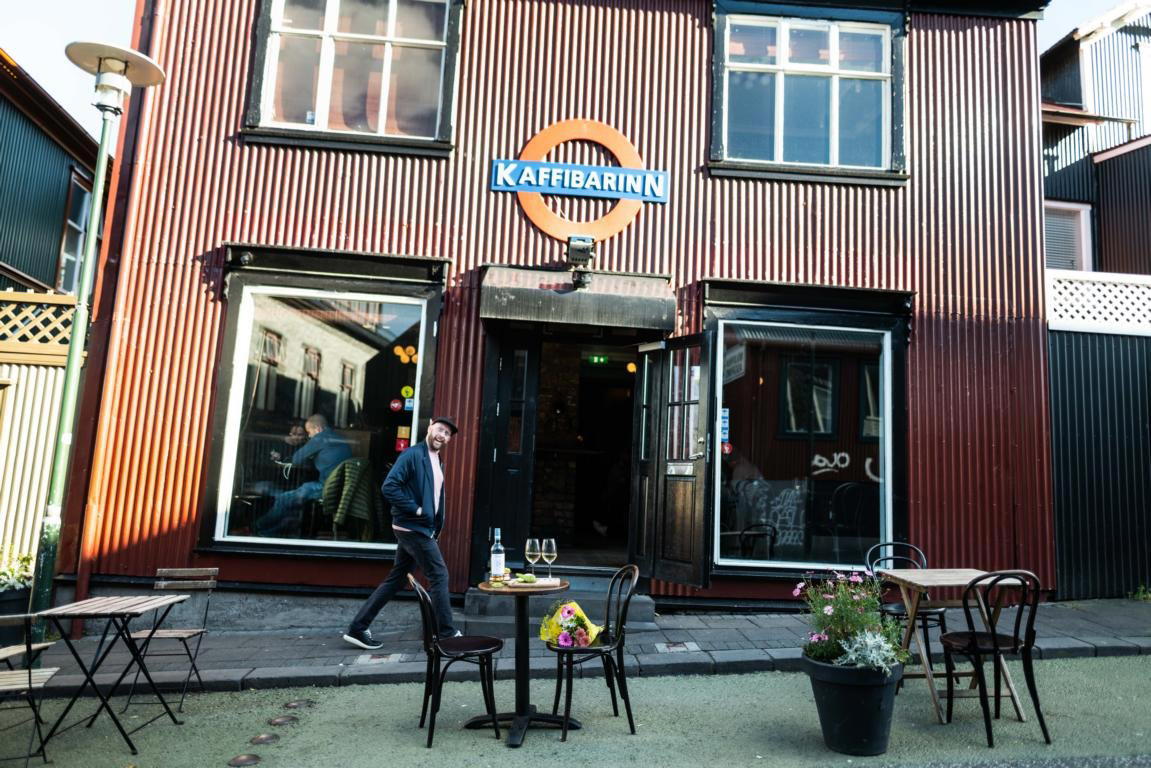
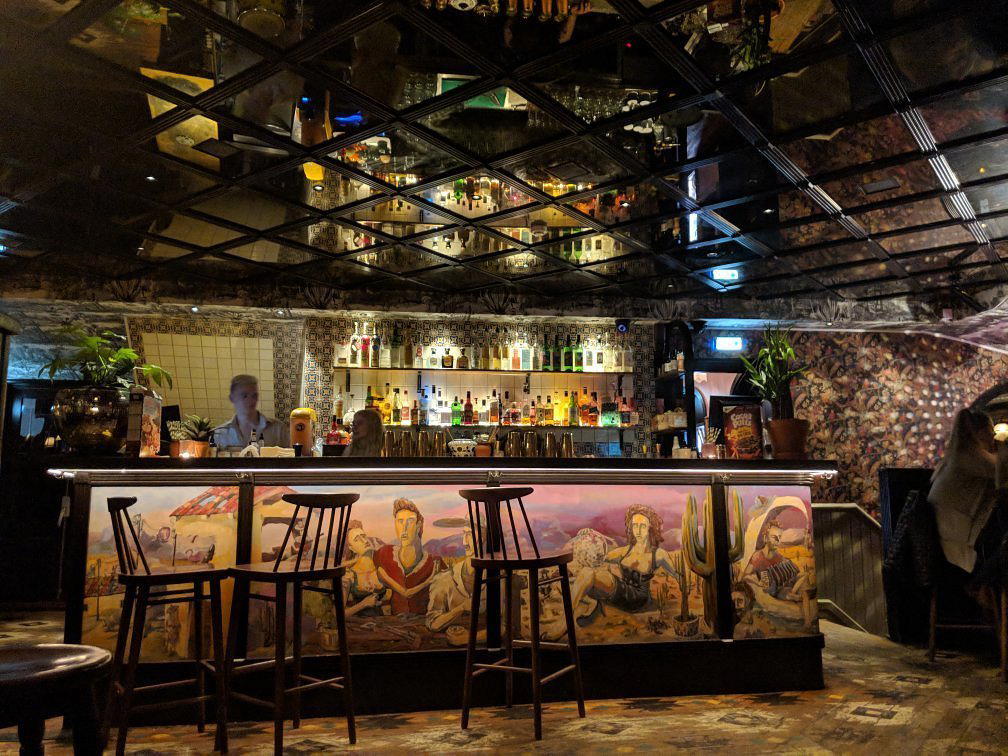
Bars in Reykjavík
Browse all →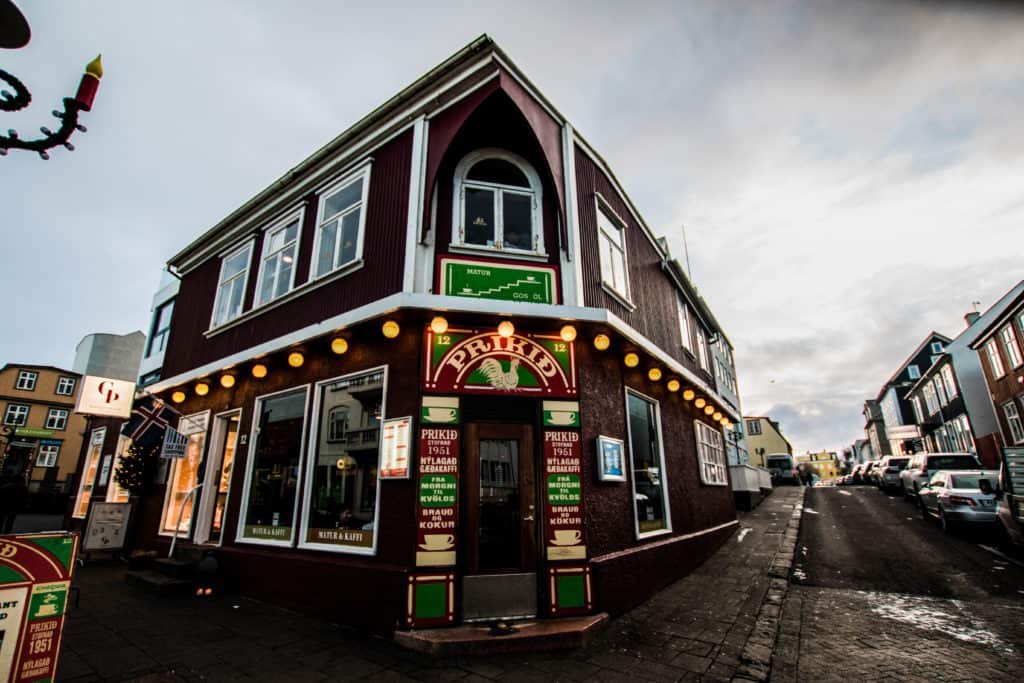
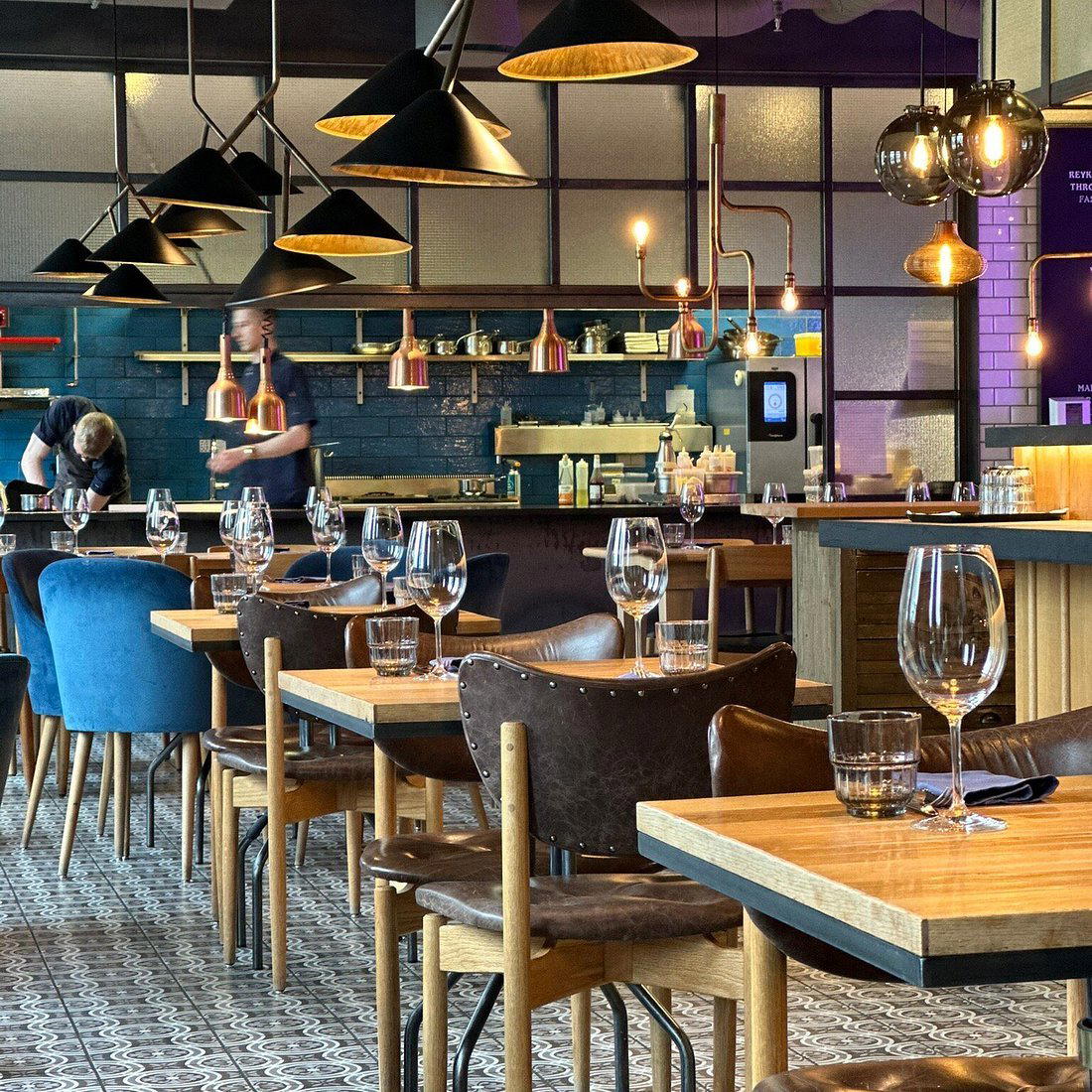
Restaurants in Reykjavík
Browse all →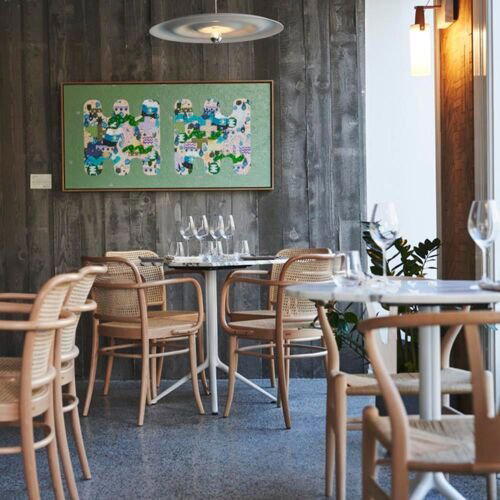
At a Glance
- Cozy
- Rustic
- Trendy
- Historic
- Casual Hangout
- Date Night
- Courtyard
- Lounge Seating
- Outdoor Terrace
- Natural Wine
Current opening hours
- Monday
- 8 AM–10 PM
- Tuesday
- 8 AM–10 PM
- Wednesday
- 8 AM–10 PM
- Thursday
- 8 AM–10 PM
- Friday
- 8 AM–11 PM
- Saturday
- 8 AM–11 PM
- Sunday
- 8 AM–10 PM
Hours can change for holidays and private events. Last verified .
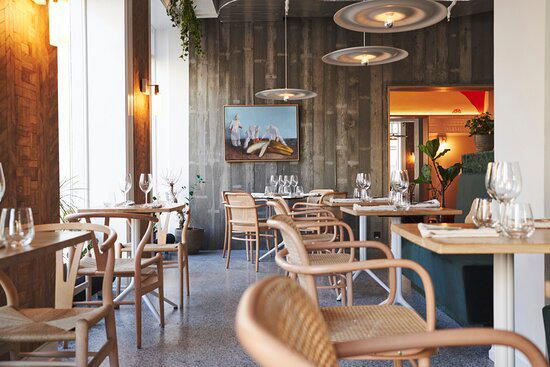
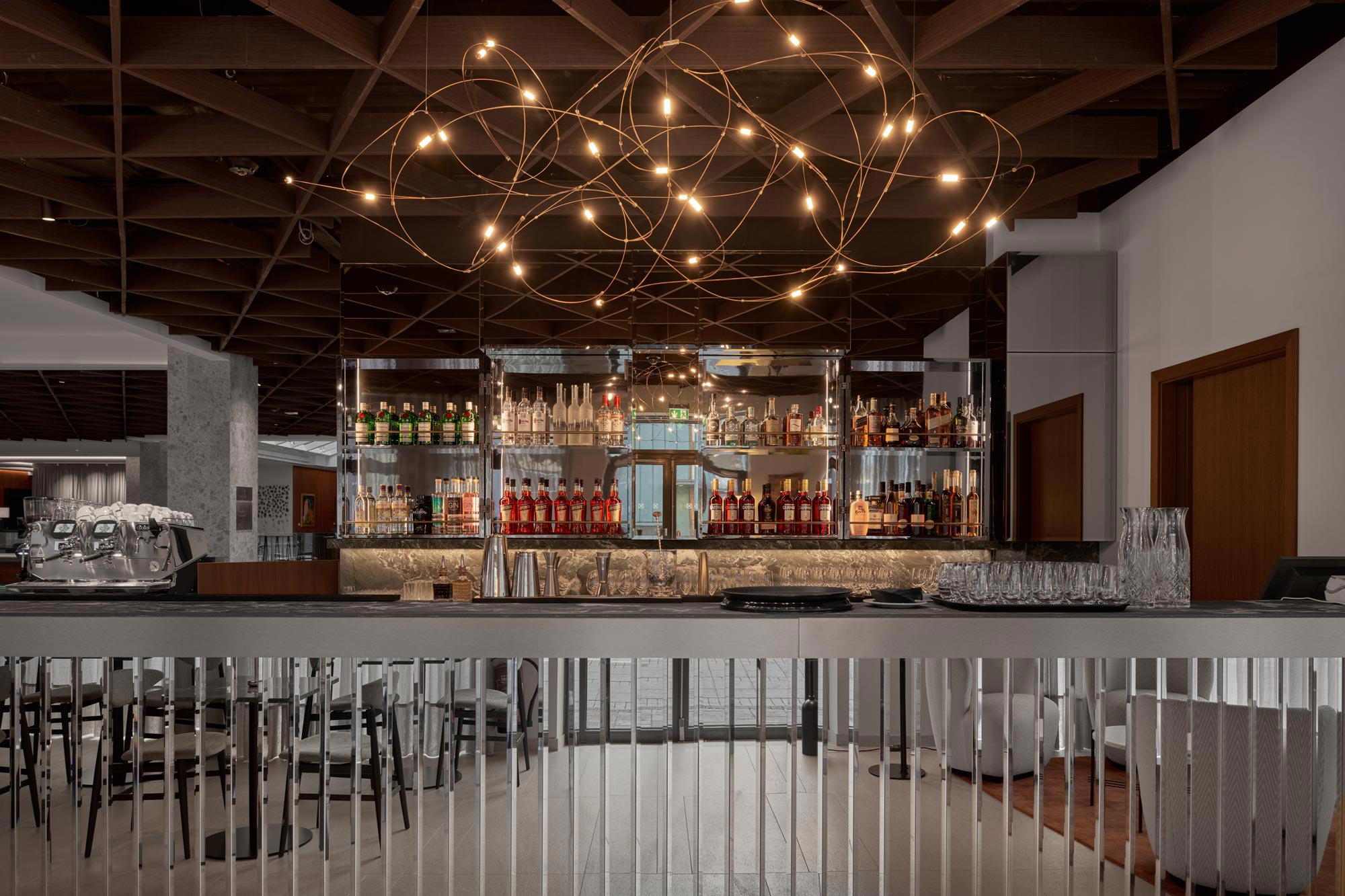
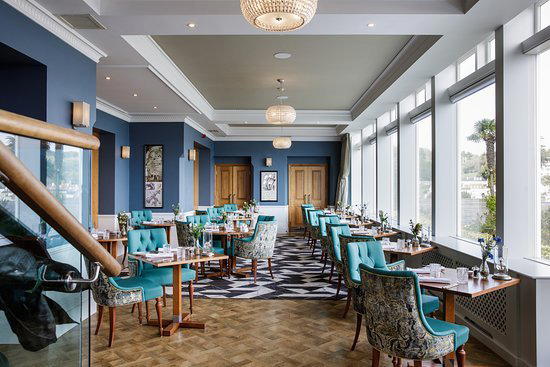
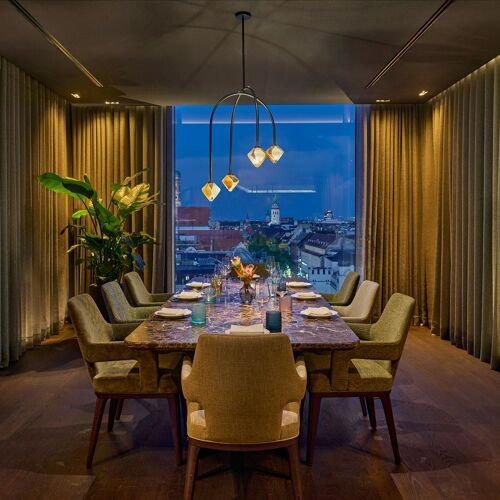
Cozy and charming with exposed brick, wood beams blending industrial chic and rustic warmth; lively in the evening.