
A Michelin Plate-recognised address on Nanshan Road, Hu Qing Yu Tang Yao Shan holds steady in the mid-price tier of Hangzhou's traditional dining scene, serving Hangzhou cuisine with the kind of consistency that draws regulars back rather than first-timers chasing novelty. Its position near West Lake places it in a neighbourhood that takes its culinary identity seriously, and the kitchen's focus on regional technique gives it a clear place in the city's broader conversation about Zhejianese cooking.
Pearl is the En Primeur Club membership app — saves, bookings, and concierge access live there. Same editors, same standards.
- Address
- 146-1 Nanshan Rd, 146, Shangcheng District, Hangzhou, Zhejiang, China, 310007
- Phone
- +86 571 8707 7008
- Directions
- Get directions
 Saves & bookings on Pearl
Where Nanshan Road's Dining Identity Comes Into Focus
The stretch of Nanshan Road running south of West Lake has become shorthand for a particular kind of Hangzhou dining experience: rooted in regional tradition, priced for committed regulars rather than passing visitors, and largely indifferent to the trends circulating through higher-concept rooms elsewhere in the city. Hu Qing Yu Tang Yao Shan sits at address 146-1 within this corridor, and the neighbourhood context matters. Shangcheng District's restaurant culture has always skewed toward technique-over-spectacle, and the venues that survive here over time tend to do so by earning repeat business rather than first-visit curiosity.
The Michelin Guide has awarded the restaurant a Plate in both 2024 and 2025, a designation that signals a kitchen cooking at a competent, considered level without the architecture of starred dining. In Hangzhou's Michelin landscape, the Plate tier is well-populated, but sustained recognition across consecutive years carries a different implication than a single cycle: the kitchen is consistent, not just capable on a good day. For context, the upper end of the city's Zhejianese dining scene reaches into starred territory, Ru Yuan holds two stars, Jin Sha holds one, and Xin Rong Ji (Xinyuan South Road) in Beijing represents how Taizhou-rooted cooking from the same regional tradition can scale into higher price tiers. Hu Qing Yu Tang Yao Shan operates in a different register, priced around $40 per person and oriented toward the kind of diner who wants Hangzhou cuisine cooked with care rather than cuisine as occasion.
What Hangzhou Cuisine Actually Means Here
Hangzhou cuisine belongs to the broader Zhejiang school, itself one of China's eight classical culinary traditions, and it carries a set of defining characteristics that have shaped the city's dining identity for centuries. The flavours tend toward lighter seasoning, the use of freshwater ingredients is pronounced, and dishes frequently reflect seasonal produce from the West Lake area and surrounding hills. Where Sichuan cooking announces itself through heat and Cantonese cooking through its insistence on ingredient purity, Hangzhou cuisine occupies a quieter register: subtle, often sweet-savoury, reliant on technique applied to ingredients that spoil quickly if sourced poorly.
The restaurant's name carries a direct reference to this tradition. Hu Qing Yu Tang is one of Hangzhou's oldest and most recognised traditional medicine halls, a name that carries significant cultural weight in the city. That heritage suggests an orientation toward ingredient-led cooking rather than showmanship. Visitors exploring comparable Hangzhou-rooted cooking at other addresses in the area might consider Fu Yuan Ju (Shangcheng) or Hang's Delicacy (Xihu), both of which occupy the same culinary conversation from slightly different angles.
The Regulars' Case for Returning
A restaurant at this price point in this neighbourhood builds its clientele through a different mechanism than starred rooms with seasonal menus and waiting lists. The ¥¥ tier in Hangzhou functions as the working register of serious regional cooking: accessible enough to visit without occasion, consistent enough to reward revisiting. What keeps regulars returning to addresses like this one is rarely a single dish or a theatrical service format. It is the accumulation of small reliabilities, a kitchen that treats familiar preparations with seriousness, room temperatures that reflect seasonal logic, and a pace of service that doesn't rush the table.
The Michelin Plate designation tracks quality of cooking, not volume of traffic, and a venue holding it across back-to-back years has demonstrated consistency. The practical implication for a first-time visitor is that the restaurant is likely to feel more local than international, with a room and service rhythm calibrated to clientele who know what they're ordering rather than diners who need extensive translation of the menu.
For broader regional comparison, Tien Hsiang Lo, Hang Zhou in Taipei shows how Hangzhou culinary traditions have been interpreted outside the mainland, while 102 House in Shanghai and Chef Tam's Seasons in Macau illustrate the range of Chinese regional cooking at higher price points across Greater China. Closer to home, Datou Yingshi Xiaoguan and Bao Zhong Bao Shi Fu offer further reference points within Hangzhou's mid-tier dining circuit, and 1913 sits in the same broader neighbourhood conversation.
Seasonal Timing and Planning
Hangzhou's culinary calendar is shaped by two dominant seasonal moments. Spring brings the Longjing tea harvest and its influence on local cooking, with tea-smoked and tea-infused preparations appearing across the city's traditional restaurants from late March through April. Autumn signals the arrival of hairy crab season from nearby waters, a period that draws visitors specifically for freshwater crab preparations and pushes demand across the city's mid-tier and premium restaurants simultaneously. Visiting during either window means engaging with Hangzhou cuisine at its most seasonally expressive, and a restaurant in the Michelin Plate tier along Nanshan Road is well-positioned to deliver those preparations in a context that doesn't require an occasion-level spend.
In practical terms, the ¥¥ price range makes planning relatively low-stakes compared to the city's starred options, but Michelin recognition does generate attention that can affect table availability, particularly on weekends and during peak seasonal windows. Arriving with some flexibility on timing, or visiting on a weekday, tends to produce a more considered experience at this type of address. Booking details and hours are best confirmed directly with the venue. Those looking to plan a broader Hangzhou dining itinerary can reference our full Hangzhou restaurants guide, while our full Hangzhou hotels guide, our full Hangzhou bars guide, our full Hangzhou experiences guide, and our full Hangzhou wineries guide cover the surrounding context for a complete trip. For comparison with how traditional Chinese regional cooking performs at higher price tiers in other cities, Imperial Treasure Fine Chinese Cuisine in Guangzhou, Dai Yuet Heen in Nanjing, and Xin Rong Ji in Chengdu provide useful reference. The contrast with something entirely outside the Chinese culinary tradition, such as Le Bernardin in New York City, underscores how specifically local Hangzhou cuisine's logic is, and how deliberately Hu Qing Yu Tang Yao Shan operates within it.
Peers You’d Cross-Shop
Comparable venues nearby, for context on price, style, and recognition.
| Venue | Cuisine | Price | Notes |
|---|---|---|---|
| Hu Qing Yu Tang Yao ShanThis venue — the venue you are viewing | Medicinal Hangzhou Cuisine | $$$ | Not listed |
| Tian Lun Inn (Xihu) | Hangzhou Crab Specialist | $$$ | Hangzhoushi |
| Xi Xi Liang Chen | Chaozhou Fine Dining | $$$$ | Hangzhoushi |
| Guan Yan Liu Jin | Chaozhou Cuisine | $$$ | Hangzhoushi |
| Shui Mo Hui | Hui Cuisine | $$$ | Hangzhoushi |
| Zi Wei Hall | Refined Jiangzhe & Hangzhou Cuisine | $$$$ | Hangzhoushi |
Recognition history
Dated appearances from independent guides and award organizations, with the underlying list record or original source where available.
Michelin Plate
Michelin
Michelin Plate
Michelin
At a Glance
- Classic
- Elegant
- Special Occasion
- Family
- Historic Building
- Sake Program
- Local Sourcing
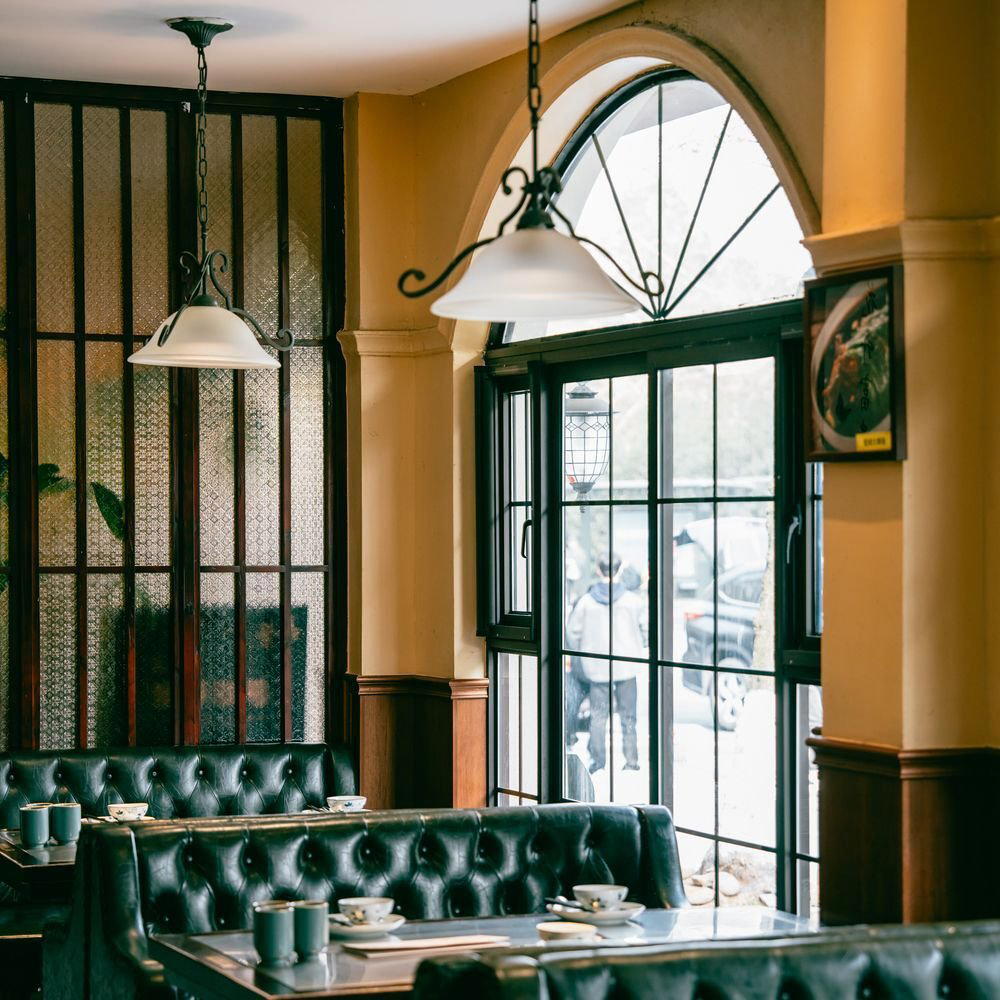
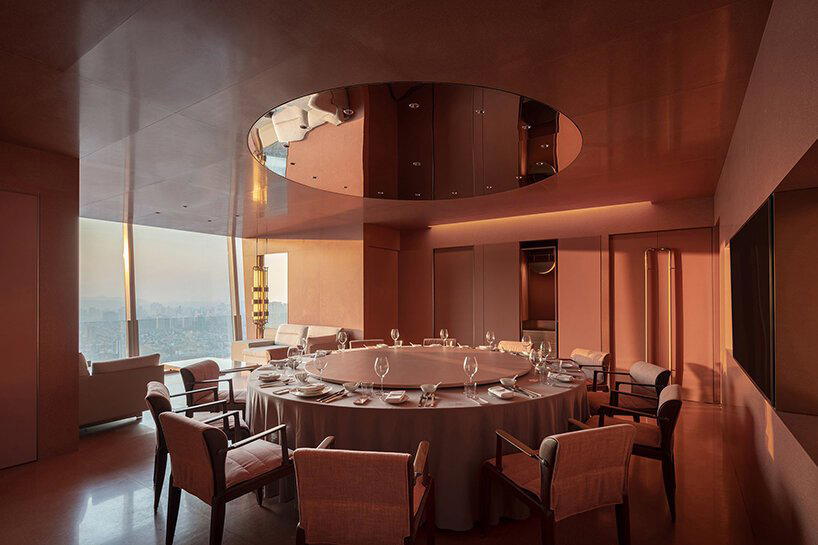
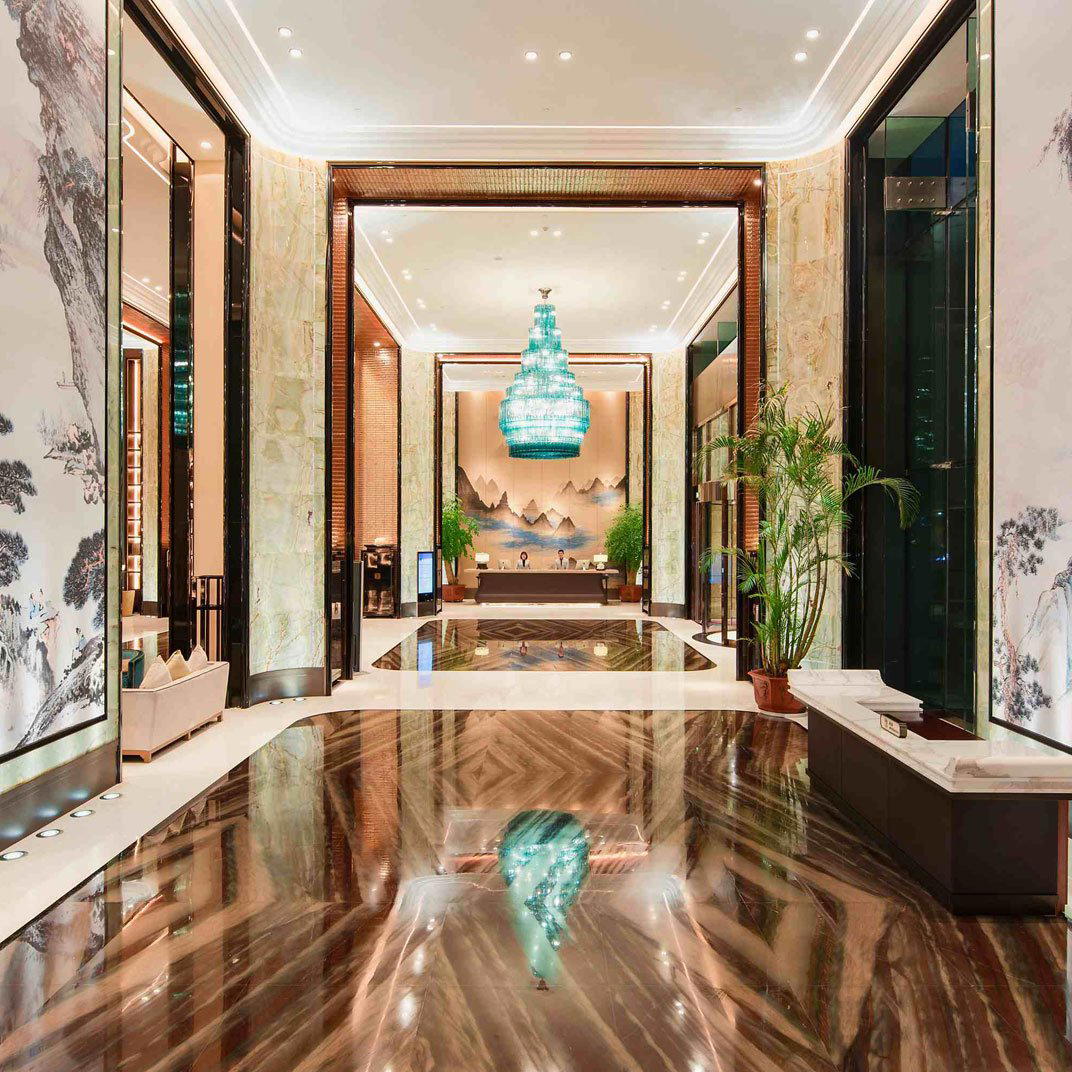
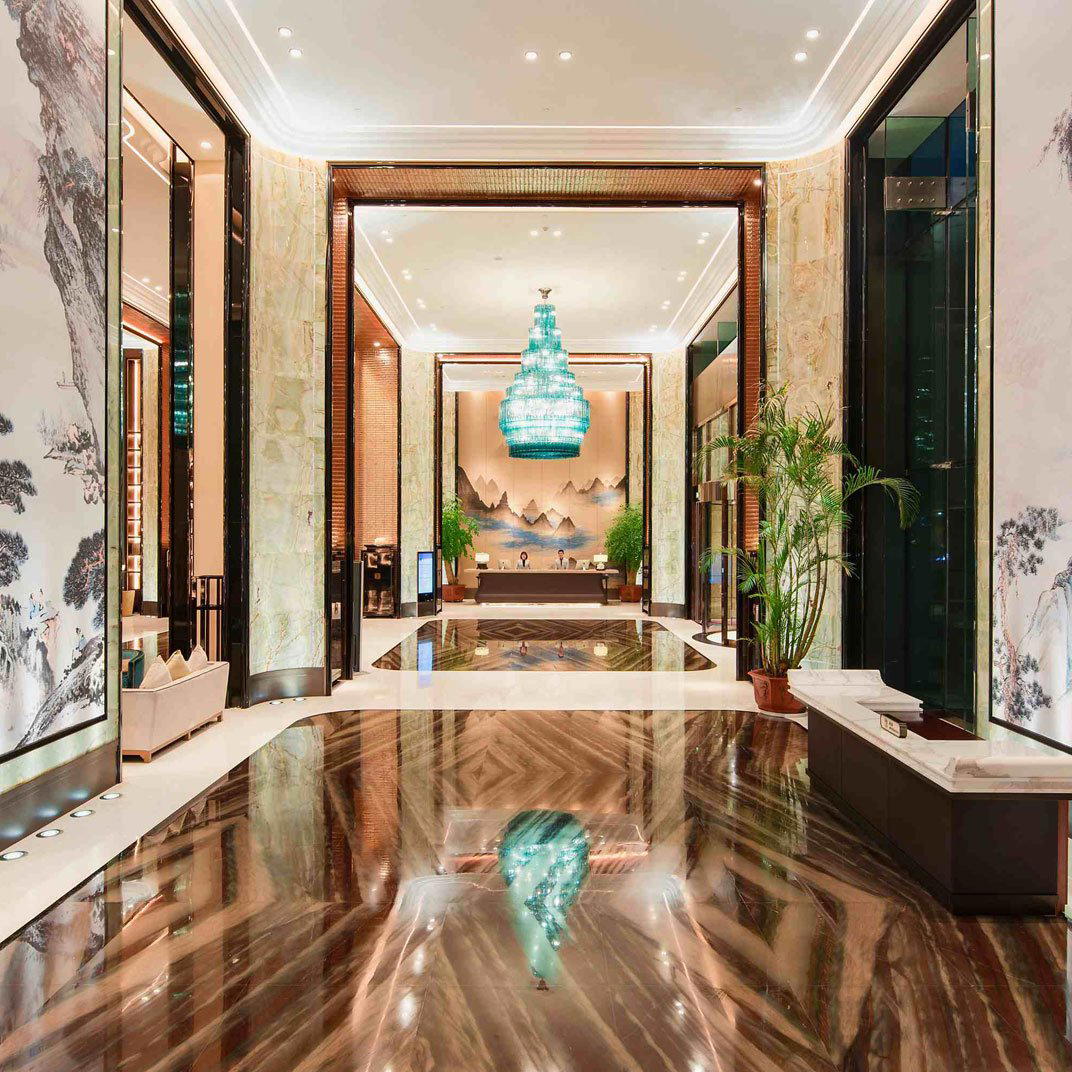
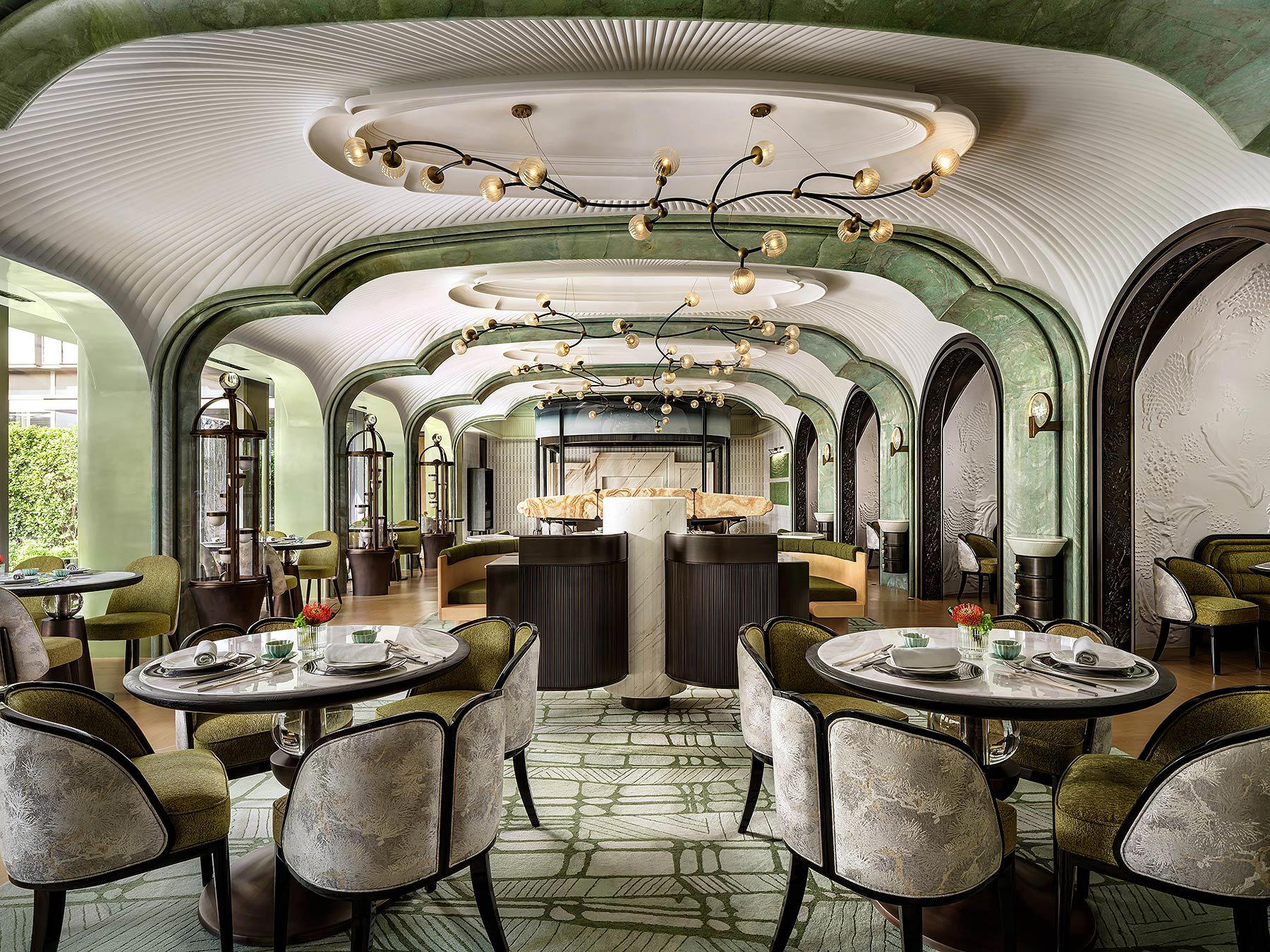
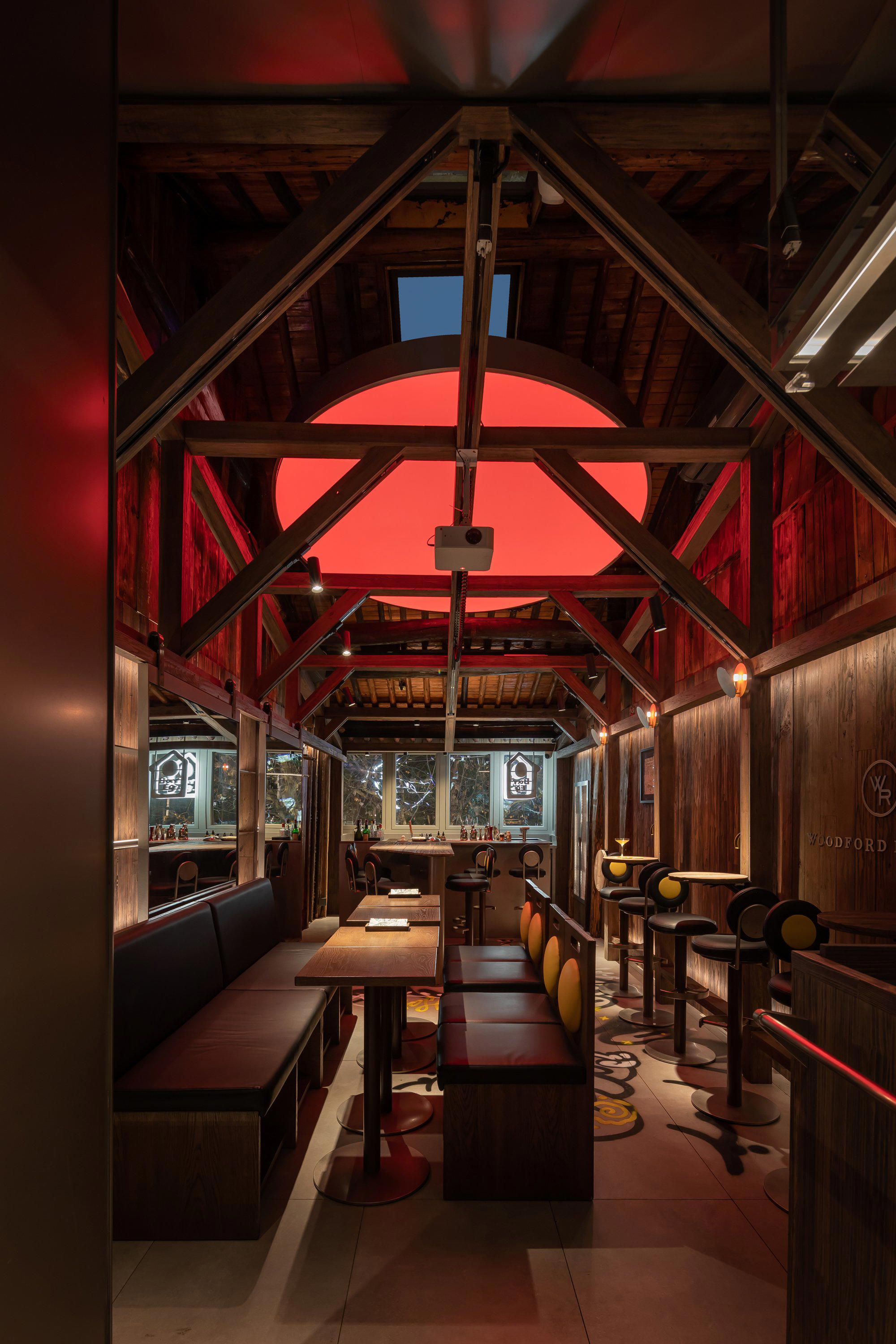
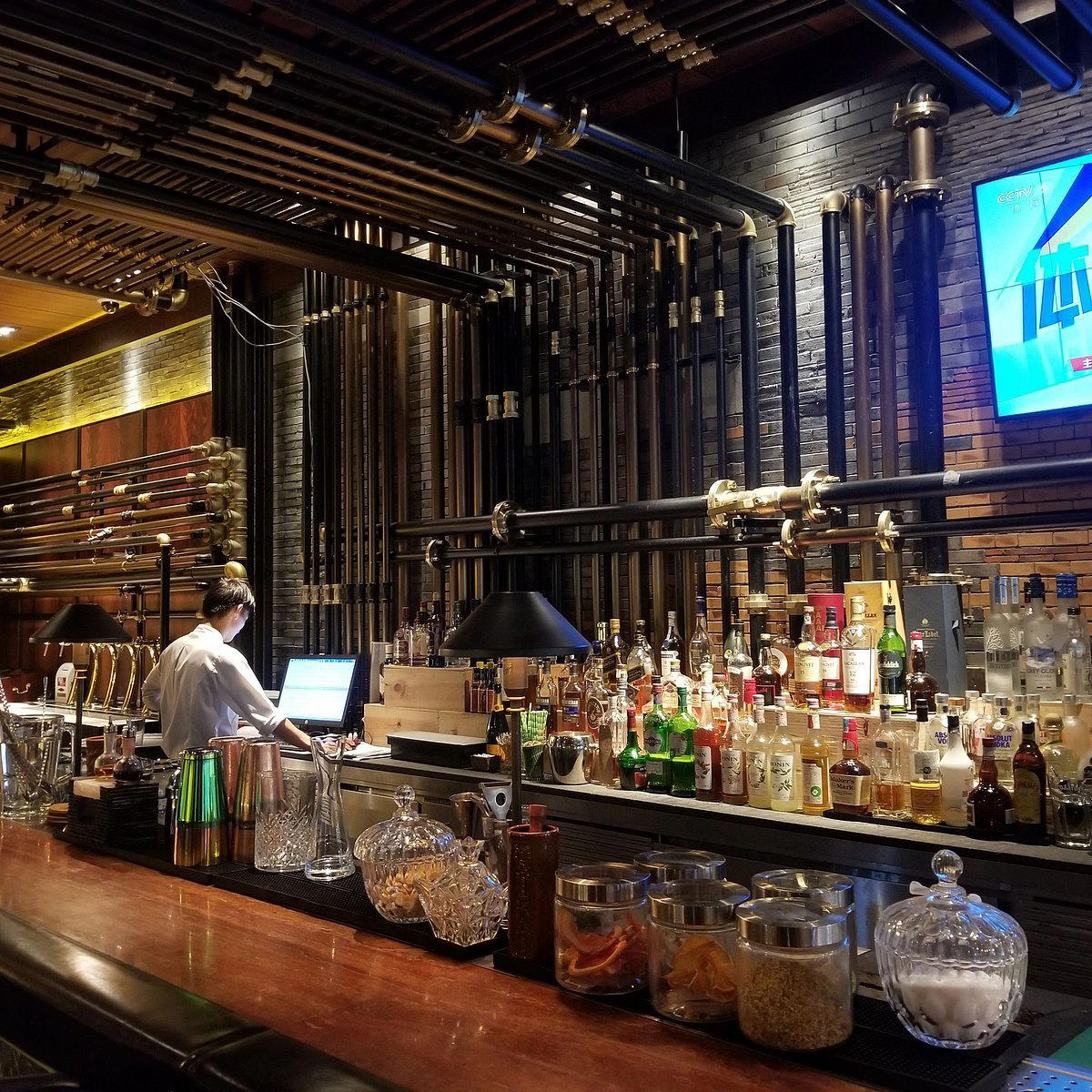
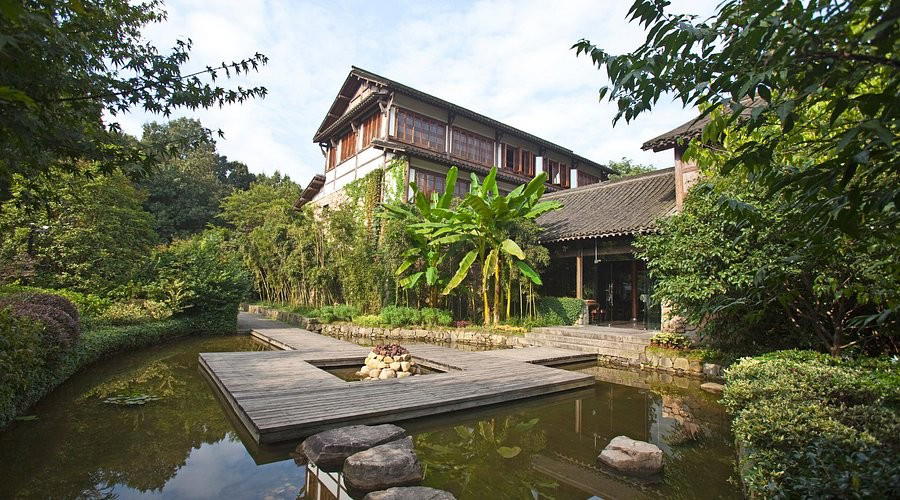
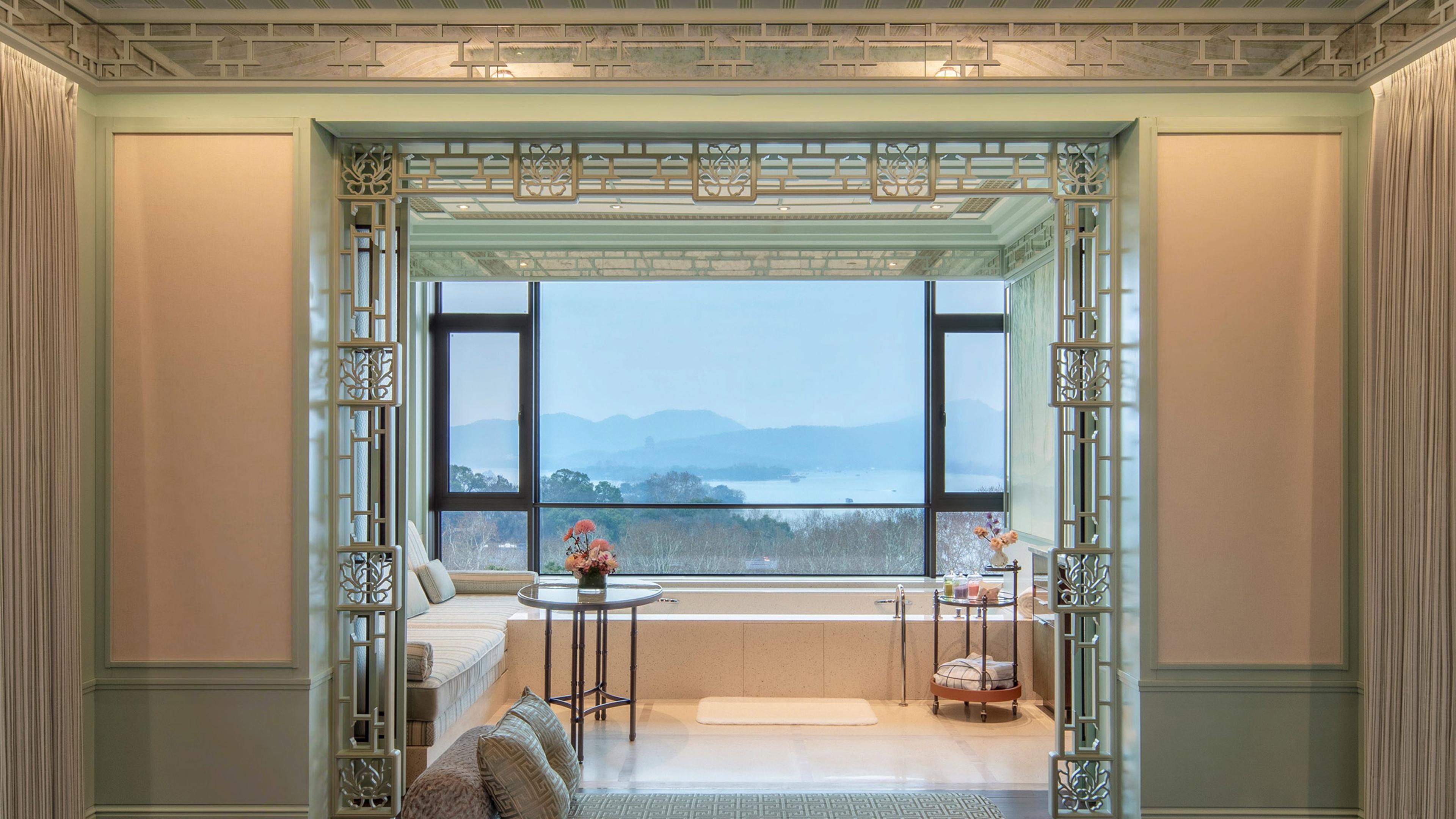
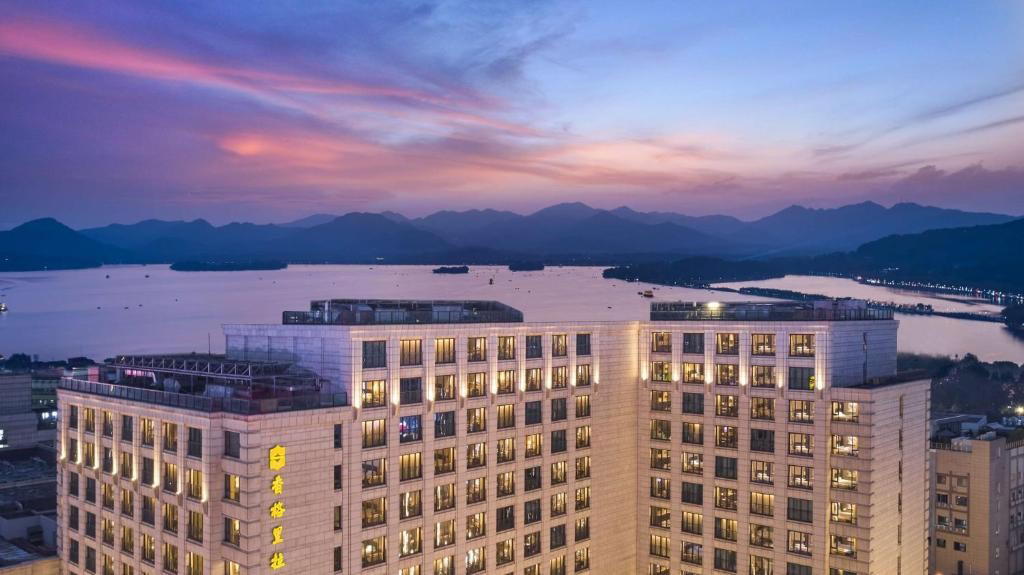
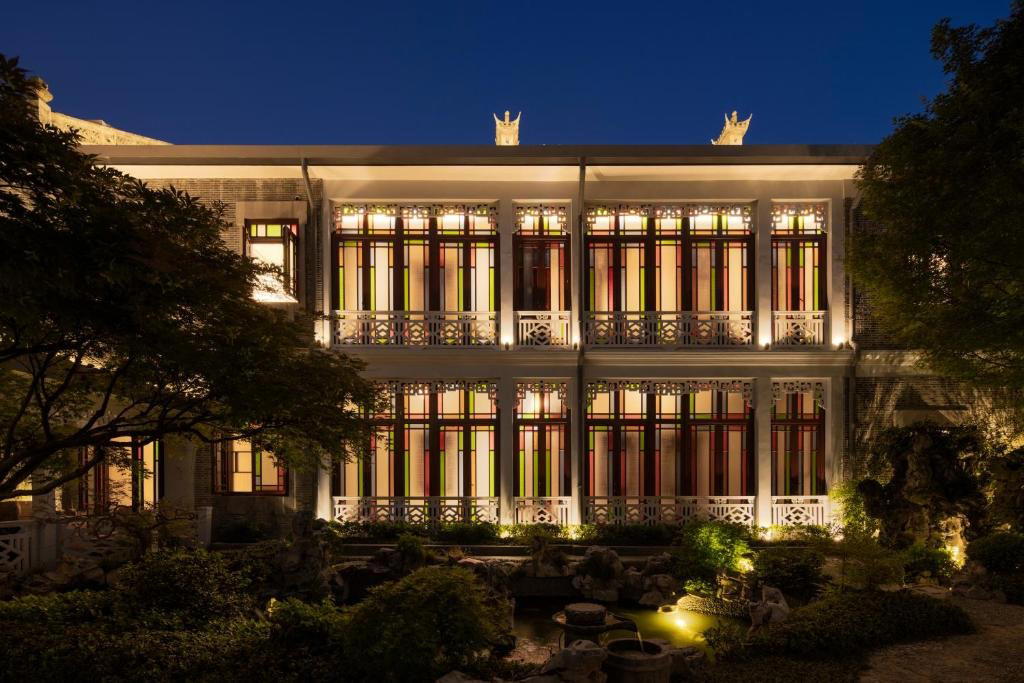
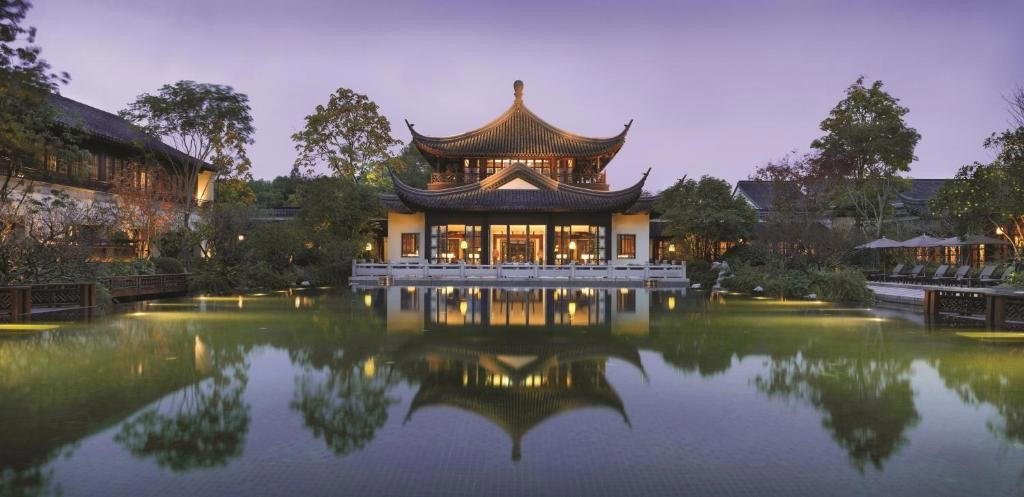
Serene and elegant with retro water town decor in a lush natural setting next to a cultural park.