Hōseki




Hōseki holds a Michelin star for 2024 and 2025 and a La Liste score of 76 points, positioning it among Dubai's most serious Japanese counters. Located on Jumeirah Bay Island, Chef Masahiro Sugiyama's omakase format operates at the upper end of Dubai's $$$ Japanese tier. Demand consistently outpaces availability, making forward planning essential.
Pearl is the En Primeur Club membership app — saves, bookings, and concierge access live there. Same editors, same standards.
- Address
- Jumeirah Bay Island - Jumeira Bay - Jumeirah 2 - Dubai - United Arab Emirates
- Website
- bulgarihotels.com
- Directions
- Get directions
 Saves & bookings on Pearl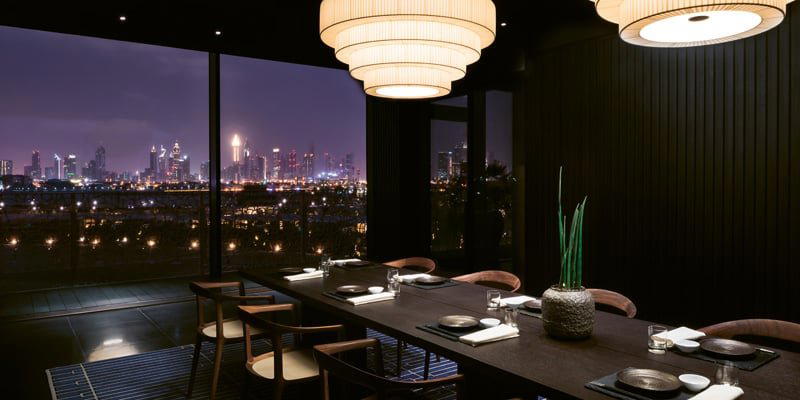
An Island Approach to Serious Omakase
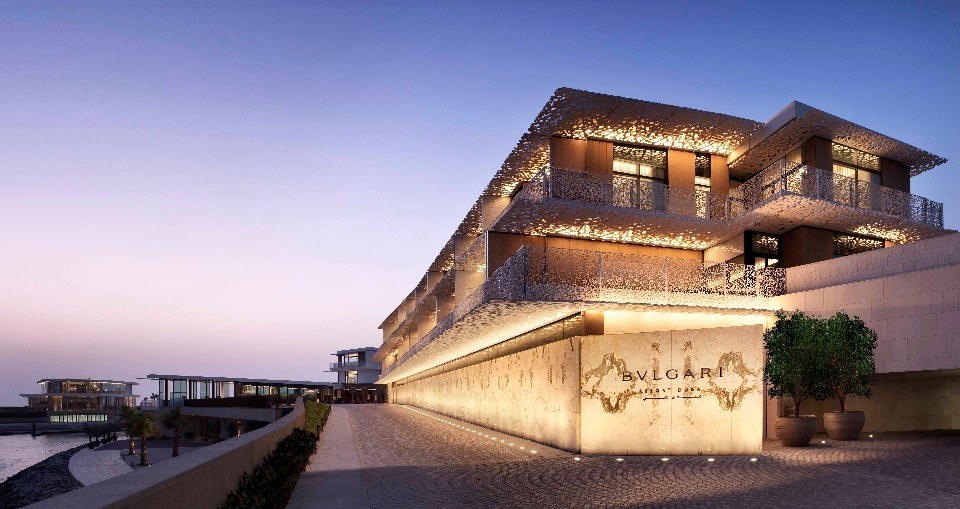
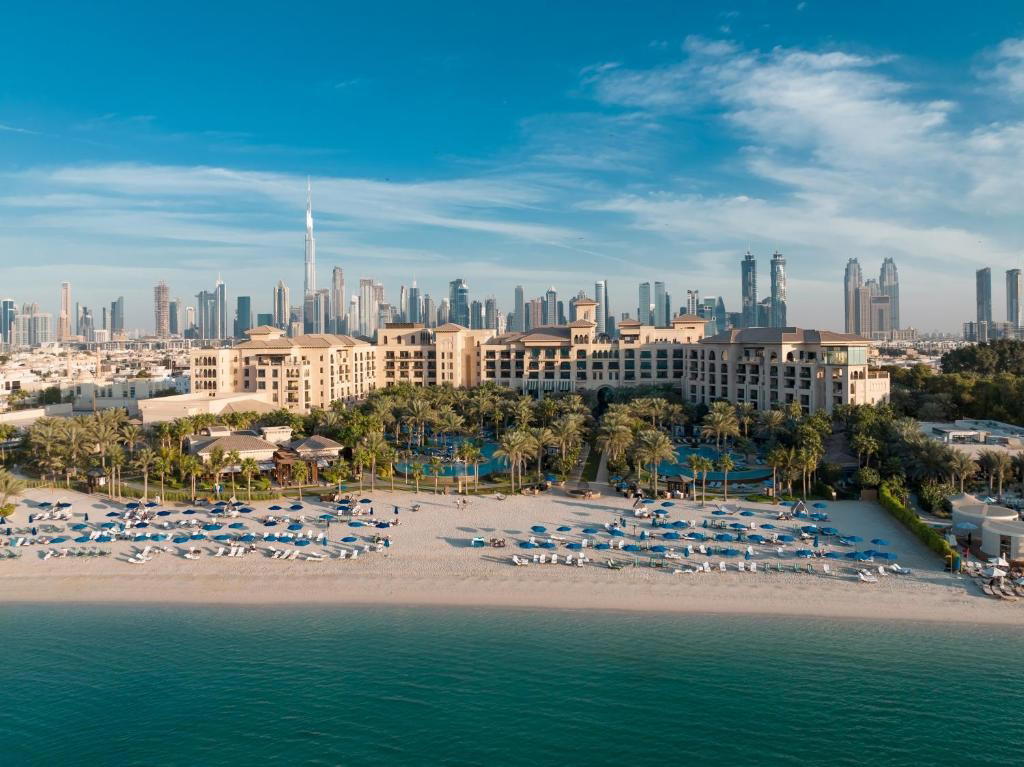
Reaching Hōseki requires crossing onto Jumeirah Bay Island, a causeway-connected promontory that puts physical distance between the restaurant and Dubai's mainland dining circuit. That separation sets the tone before you arrive. The island's low-density development means approaching diners encounter water on both sides, a deliberate contrast to the tower-dense neighbourhoods that define most of Dubai's restaurant addresses. The sense of remove is deliberate, and it signals something about the register at which the evening will operate.
Dubai's Japanese dining scene has grown into a two-tier structure. A large, casual-leaning segment, represented by venues like Nobu Dubai, Sexy Fish, and the broader Japanese-Asian fusion category, draws volume and spectacle. Above that sits a smaller cohort of counter-format, chef-led rooms where the kitchen does the programming and the guest commits to the sequence. Hōseki belongs to the latter group, and it occupies the more serious end of that cohort. Two consecutive Michelin stars (2024 and 2025) and La Liste scores of 76.5 points in 2025 and 76 points in 2026 confirm its position relative to peers. For context, La Liste scores at this level place a restaurant comfortably inside the global top tier for a city of Dubai's size.
What Michelin Recognition Means in This Context
Dubai's Michelin Guide, launched in 2022, has reshuffled how the city's restaurant hierarchy is read internationally. For Japanese cuisine specifically, the guide has validated a handful of counters as operating at standards comparable to their counterparts in Tokyo or Osaka. Hōseki's retention of its star across two consecutive cycles is the more meaningful data point. A first-year star can reflect novelty or timing; holding it in a second year signals consistency across multiple inspection visits under different conditions.
The La Liste score adds a separate frame of reference. La Liste aggregates critic scores, guide rankings, and reader data from over 600 sources globally, and its methodology weights culinary quality above experience design. A score of 76 points in 2026 places Hōseki alongside Japanese fine-dining rooms across multiple continents. Within Dubai, that score positions it above the majority of starred restaurants in the city. Diners who track these systems will arrive with calibrated expectations; diners who don't will still encounter the same kitchen.
For a direct read on how Hōseki sits within Dubai's wider Japanese scene, TakaHisa and Kinoya represent adjacent points on the city's Japanese spectrum, with different formats and price positions. Ramen-focused Konjiki Hototogisu operates in a different register entirely, illustrating how broad the city's Japanese offer has become. Hōseki sits at the premium apex of this spread.
Chef Masahiro Sugiyama and the Omakase Tradition
Omakase, the format where the chef determines every course and the guest surrenders the menu decision entirely, functions as a trust transfer. The format has deep roots in Japan, where it developed as a signal of chef authority and guest sophistication. Its expansion into international markets has produced variable results: in some cities, the label gets applied to multi-course tasting menus with little connection to the counter-based, real-time responsiveness that defines the format at its most rigorous.
Chef Masahiro Sugiyama leads Hōseki's kitchen, and his role within this tradition is what gives the counter its editorial position. The omakase format here operates as it does at the serious Japanese counters in Tokyo, where the sequence shifts with season, supply, and the chef's read of each service. For comparison, the kind of precision and lineage found at Tokyo counters like Myojaku, Azabu Kadowaki, or Kagurazaka Ishikawa represents the standard against which ambitious Japanese counters outside Japan are implicitly measured. Hōseki's award record suggests it is being measured accordingly.
Beyond Tokyo, the kaiseki tradition as practised at Kyoto institutions like Isshisoden Nakamura and Gion Matayoshi, or at Osaka's Kashiwaya Osaka Senriyama and Tokyo's Ginza Fukuju, provides a useful map of what technical Japanese fine dining looks like at its most codified. The leading Dubai Japanese counters are increasingly in that conversation, and Hōseki's dual-year recognition is its argument for inclusion.
Booking Hōseki: The Practical Reality
The editorial angle here is not that Hōseki is difficult to book as a mark of prestige. It is that small-format, chef-led counters at the Michelin and La Liste level operate within a genuine capacity constraint, and that constraint requires specific planning behaviour from serious diners.8 from 136 reviews suggests strong diner satisfaction, but also a low volume of covers relative to the size of Dubai's dining population. That ratio is structurally common to omakase counters globally.
Demand for this tier of Japanese dining in Dubai has grown faster than supply. The Michelin Guide's arrival in 2022 accelerated that demand by internationalising the reference frame: diners visiting Dubai from London, New York, Hong Kong, and Tokyo now arrive with guide knowledge and a shortlist that includes Hōseki. The practical implication is that walk-in availability at the $$$$ price tier, for a counter format, is close to zero during peak periods. Planning the booking in advance, particularly for evenings around weekends and public holidays in the UAE calendar, is the baseline expectation.
Jumeirah Bay Island's location also affects the planning calculus. Diners arriving from central Dubai should factor in the island causeway approach, which adds time relative to mainland addresses. The island's positioning means the evening starts on arrival, not at the counter. Pairing the booking with accommodation nearby or combining it with other Jumeirah Bay experiences is a practical option for those travelling from outside Dubai, given the address's distance from most hotel clusters.
The $$$$ price positioning places Hōseki in the same bracket as Dubai's other premium counter formats and tasting menu restaurants. At this tier across the city, the expectation is a multi-course sequence with a set price structure rather than à la carte ordering. Diners at Al Mahara or At. Mosphere Burj Khalifa operate within comparable price logic but different format logic; Hōseki's omakase structure means the investment is in the chef's sequence, not a menu selection. That distinction matters for diners who have not experienced the format before.
Planning the Full Evening
The island location reinforces an approach common to serious fine-dining globally: the evening is the activity. Counter omakase at this level typically runs two to three hours, and the format does not lend itself to pre-dinner drinks at a separate venue or rushed departures. Pre-dinner or post-dinner options on Jumeirah Bay Island are limited by design. For those who want to bookend the meal with a bar or lounge visit, planning that around mainland venues makes more practical sense.
Diners visiting the UAE from elsewhere in the region might consider pairing a Hōseki booking with other destination dining: Erth in Abu Dhabi represents a different culinary tradition but a similar commitment to sourcing and format integrity, roughly an hour's drive from Jumeirah Bay Island. For those building a Japan-benchmarked dining itinerary within Dubai,
At the booking stage, the key variables to confirm are the format length, the current tasting menu price, and any dietary accommodation policy, Omakase counters at this level typically ask about dietary restrictions at the booking stage rather than on arrival, and last-minute changes to the sequence are structurally difficult given the pre-prepared nature of many courses. Arriving with clarity on those details will benefit both kitchen and guest.
A Pricing-First Comparison
Comparable venues nearby, for context on price, style, and recognition.
| Venue | Cuisine | Price | Awards | Notes |
|---|---|---|---|---|
| HōsekiThis venue — the venue you are viewing | Jumeira, Traditional Japanese Omakase | $$$$ | Michelin 1 Star | Not listed |
| Avatara Restaurant | Not listed | $$$$ | Michelin 1 Star | Dubai Hills, Modern Vegetarian Indian Fine Dining |
| Sagetsu by Tetsuya | Not listed | $$$$ | Michelin 1 Star | Za'abeel 2, Japanese-French Fusion Fine Dining |
| Tasca by José Avillez | Jumeira, Modern Portuguese Fine Dining | $$$$ | Michelin 1 Star | Not listed |
| Al Muntaha | Not listed | $$$$ | Michelin 1 Star | Umm Suqeim, Sophisticated French with Italian influences |
| La Dame de Pic Dubai | Za'abeel, Modern French Fine Dining | $$$$ | Michelin 1 Star | Not listed |
Recognition history
Dated appearances from independent guides and award organizations, with the underlying list record or original source where available.
Gault & Millau UAE Selected Restaurant
Gault & Millau · Gault & Millau UAE 2026 - Selected Restaurant
La Liste Top Restaurants
La Liste
Opinionated About Dining Top Restaurants in Asia Ranked #115
Opinionated About Dining
La Liste Top Restaurants
La Liste
Michelin 1 Star
Michelin
Michelin 1 Star
Michelin
Continue exploring
More in Dubai
Restaurants in Dubai
Browse all →
At a Glance
- Intimate
- Minimalist
- Elegant
- Sophisticated
- Date Night
- Special Occasion
- Chefs Counter
- Open Kitchen
- Hotel Restaurant
- Panoramic View
- Sake Program
- Skyline
Current opening hours
- Monday
- Closed
- Tuesday
- Closed
- Wednesday
- 6–8 PM, 8:30–11 PM
- Thursday
- 1–3 PM, 6–8 PM, 8:30–11 PM
- Friday
- 1–3 PM, 6–8 PM, 8:30–11 PM
- Saturday
- 1–3 PM, 6–8 PM, 8:30–11 PM
- Sunday
- 1–3 PM, 6–8 PM, 8:30–11 PM
Hours can change for holidays and private events. Last verified .
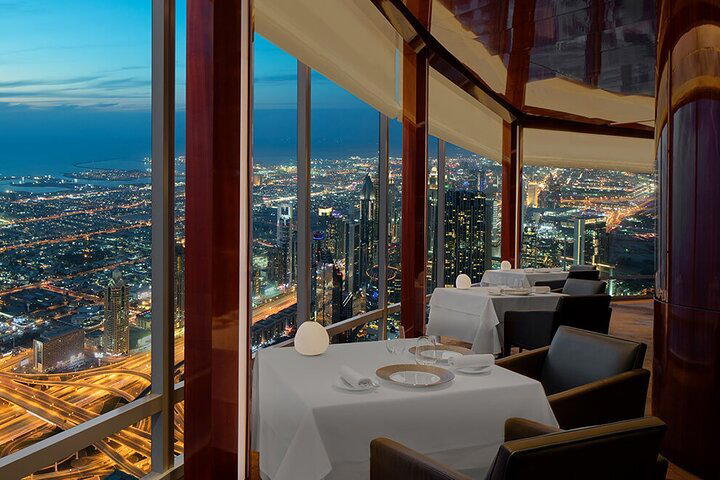
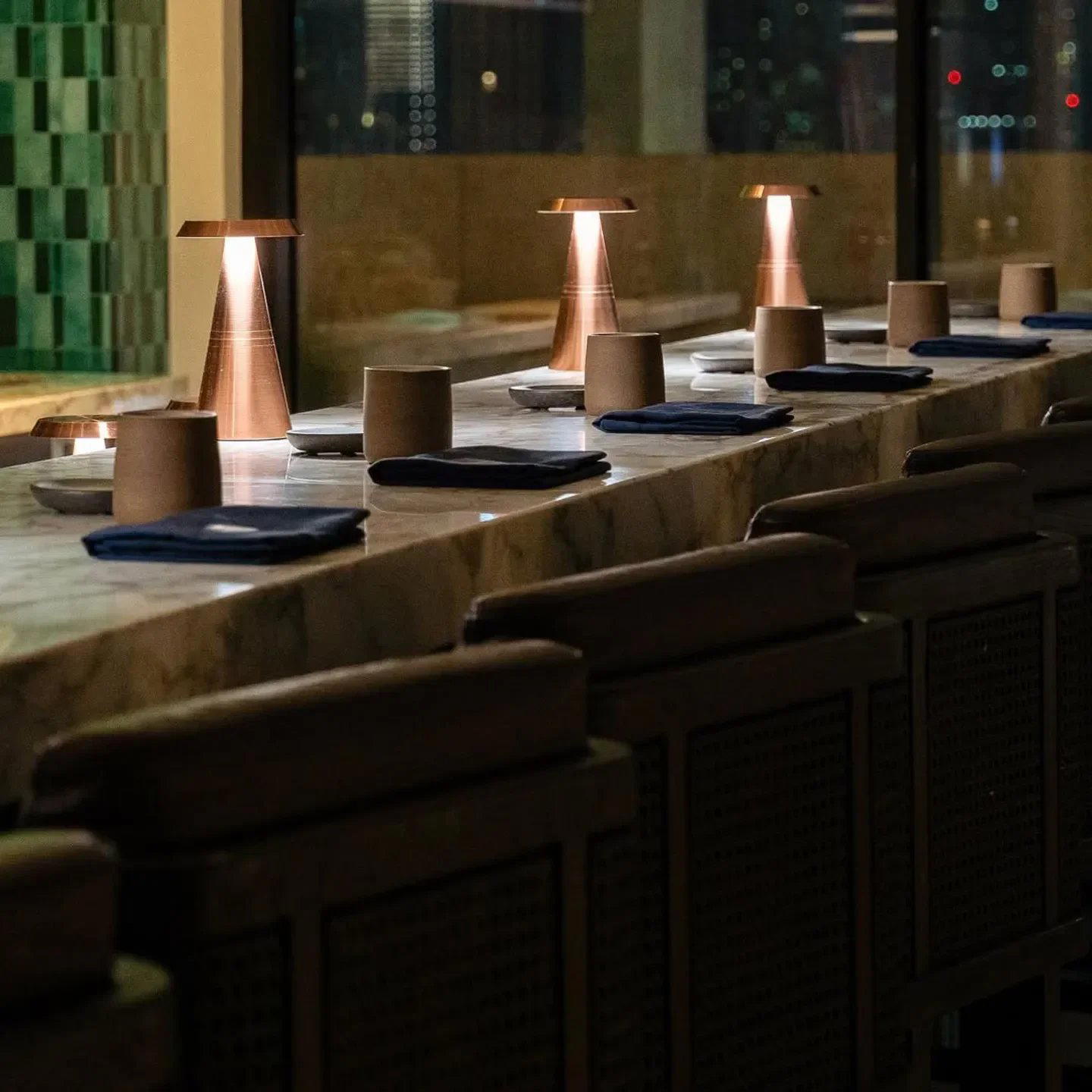
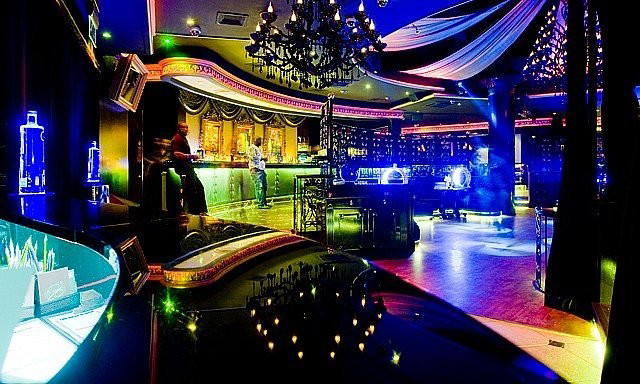
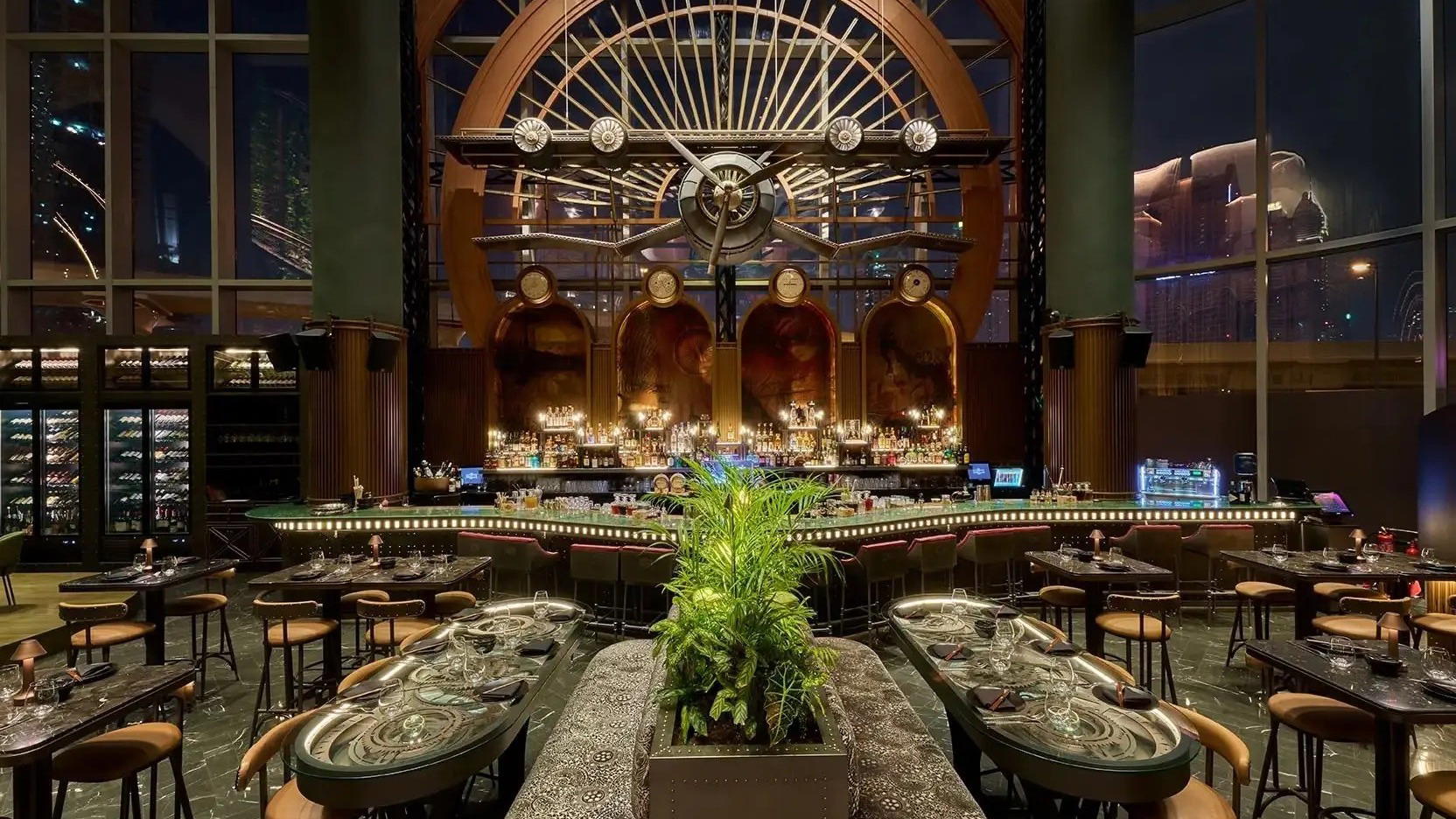
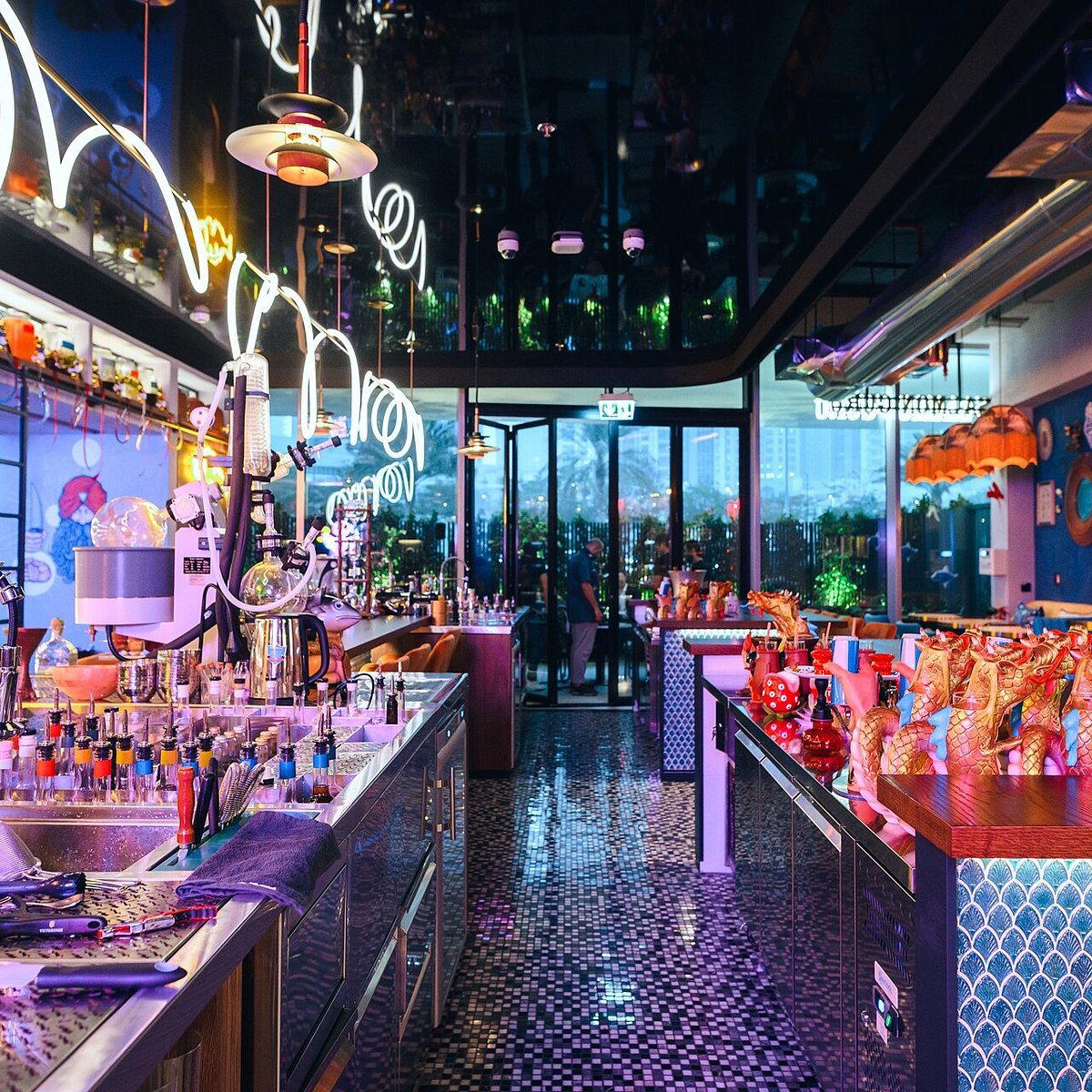
Minimalist and tranquil with dim lighting, serene Japanese atmosphere, and dramatic Dubai skyline views through large windows.