11 Woodfire







1 Michelin Star · World's 50 Best #14 · World Best Burgers World's 101 Best Burgers #76
Our verdict
A Michelin-starred wood-fire kitchen operating out of a Jumeirah villa, 11 Woodfire ranks #28 in the World's 50 Best Restaurants MENA 2024 and carries a Opinionated About Dining placement for 2025. Chef Brando Moros builds his menu across meat, seafood, and vegetables, treating each with the same precision over oak, hickory, and hay coals. Dinner service runs from 6 pm on Mondays; Tuesday through Sunday opens at noon.

Pearl is the En Primeur Club membership app, where members save venues, book tables and use the concierge.
The menu
What to order
- Beef skewers
- Bone marrow
- Lamb chops
- Sea bass
- Wagyu burger
Fire as Method, Villa as Stage
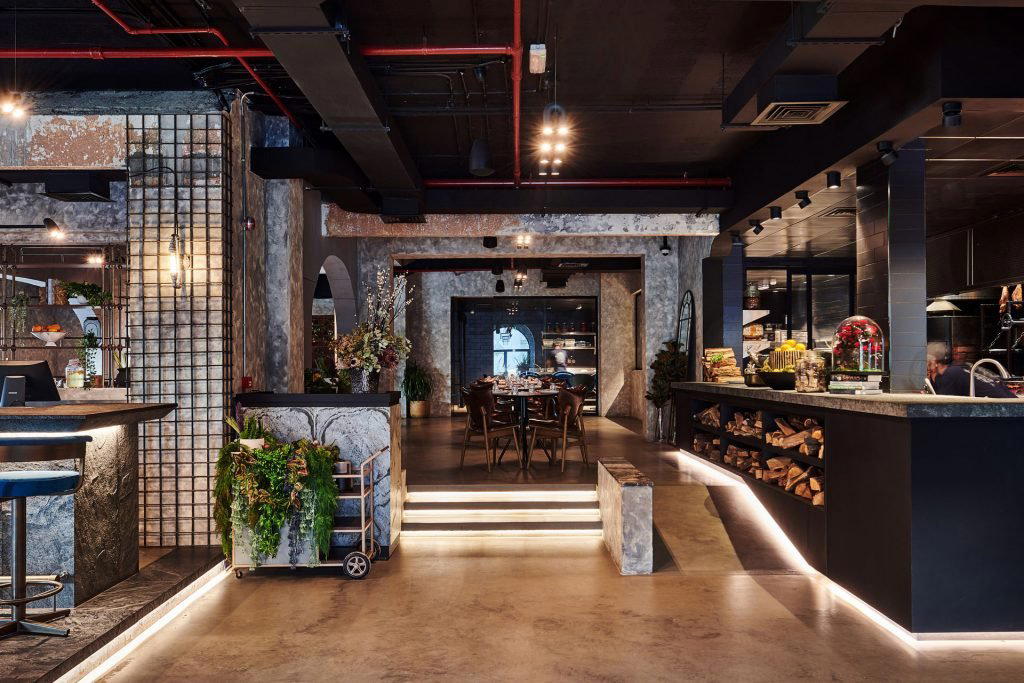
Jumeirah's residential streets do not typically read as fine-dining territory. The area is defined by low-rise villas, wide pavements, and a quieter pace than the hotel corridors of Downtown or the marina. That setting makes 11 Woodfire's address on 75B Street a deliberate contrast: a single villa operating as a Michelin-starred restaurant, where the kitchen is built around an open fire that uses oak, hickory, or hay coals depending on the day's produce. The physical environment announces itself before the first course arrives. Smoke threads through the dining room from the open kitchen, and the warmth of the flames registers as ambient heat as much as visual theatre. In a city where fine dining often defaults to polished hotel interiors, the villa format positions 11 Woodfire in a smaller cohort of destination restaurants that earn their authority through what happens on the plate rather than the address on the door.
Where Wood-Fire Cooking Sits in Dubai's Fine Dining Tier
Dubai's restaurant scene in 2024 and 2025 has stratified into distinct tiers. At the leading end, hotel-anchored fine dining commands $$$$ price points and a certain kind of architectural spectacle, think At. Mosphere in the Burj Khalifa or Al Mahara's floor-to-ceiling aquarium. Below that, a cohort of independently operated or chef-led restaurants has claimed Michelin attention and international ranking positions without relying on either hotel infrastructure or landmark views. 11 Woodfire sits firmly in this second category, at a $$$ price range that places it closer to Zuma or peer casual-fine formats than to the full-tasting-menu houses. Its Michelin star, held in both 2024 and 2025, confirms a consistency that the rankings data reinforces: #28 in World's 50 Best Restaurants MENA 2024, and two consecutive Opinionated About Dining placements, #281 in 2024 and #390 in 2025. For context on how chef-driven independent restaurants operate in this city, see Teible, which takes a different approach to ingredient-led cooking, or FZN by Björn Frantzén and Studio Frantzén Dubai, which bring Scandinavian fine-dining lineage to the city.
The Fire Kitchen and What It Actually Means for the Plate
Wood-fire cooking has become a signifier across global fine dining, but the term covers a wide range of actual practice. At one end, it means a wood-burning oven used for bread or a finishing char on a single protein. At the other, it means fire as the primary technical instrument across the entire menu. 11 Woodfire operates at that second extreme. The kitchen uses a hand-built wood-burning oven alongside a forged steel grill, and the sourcing of fuel, oak for its steady heat, hickory for its pronounced smoke profile, hay for a lighter, more aromatic finish, is treated as a culinary variable rather than a fixed condition. That approach affects the full spread of the menu: meat, seafood, and vegetables receive equal weight, and the smoke and char profiles differ depending on the fuel choice for each session. The technique draws on traditions found in open-fire kitchens across South America, the Basque Country, and Argentina, but is applied here in a Dubai context with globally sourced ingredients and a fine-dining framework built around precision rather than rusticity. For a sense of how wood-fire and ember-led cooking sits within the broader modern cuisine category internationally, Agli Amici in Godia and Bartholomeus in Heist offer useful points of comparison in European fine-dining contexts.
Brando Moros: Colombian Training, Global Technique
The chef-driven restaurant format depends on the kitchen lead having a specific, identifiable point of view, one that shapes the menu in ways that distinguish the restaurant from category peers. At 11 Woodfire, that figure is Brando Moros, who brings more than 15 years of culinary experience to the open-fire format and comes from a Colombian background that informs both his palate for bold flavour and his familiarity with wood and ember as cooking tools. Colombia's own grilling tradition, particularly the use of leña (firewood) in regional cooking, gives Moros a foundational relationship with fire that pre-dates any formal kitchen training. That background, filtered through years of professional kitchen work, produces a cooking style that sits somewhere between the technical discipline of European fine dining and the directness of open-flame grilling traditions. The approach becomes legible in the menu's treatment of beef: the kitchen sources mainly Australian beef, using both wet and dry-aged cuts on a wood-fired grill. Dry aging concentrates flavour and changes texture in ways that complement smoke absorption; wet aging produces a different moisture profile that interacts with fire differently. The decision to use both methods suggests a kitchen that is calibrating technique to ingredient rather than applying a single approach across the board. For a sense of how chef background shapes modern cuisine at the international level, Frantzén in Stockholm and Maison Lameloise in Chagny both illustrate how a chef's training lineage becomes visible in the final product.
The Menu's Architecture: Smoke Across Every Category
What distinguishes 11 Woodfire's menu from a direct steakhouse or grill restaurant is the refusal to treat fire as a protein-only instrument. Vegetables and seafood receive the same deliberate fuel-and-temperature thinking that goes into the meat courses. The result is a menu where the smoke profile reads as a connective thread rather than a feature of individual dishes. Ingredients are sourced at a quality level consistent with a Michelin-starred kitchen: the beef is mainly Australian, the seafood treated with the same care, and the vegetables given a place on the menu that reflects considered technique rather than tokenism. The Wagyu burger, which has drawn specific attention in coverage of the restaurant, demonstrates the kitchen's approach to accessible formats within a fine-dining framework. A Wagyu patty is layered with a mushroom duxelle and Gouda, served on a potato bun, with the wood-fire cooking method providing the smoke depth that differentiates the dish from its informal counterparts. The construction is deliberate: each element is chosen for how it interacts with the others, and the fire does work that no other cooking method replicates. Across the broader menu, that same logic applies to every category.
The Scene Inside the Villa
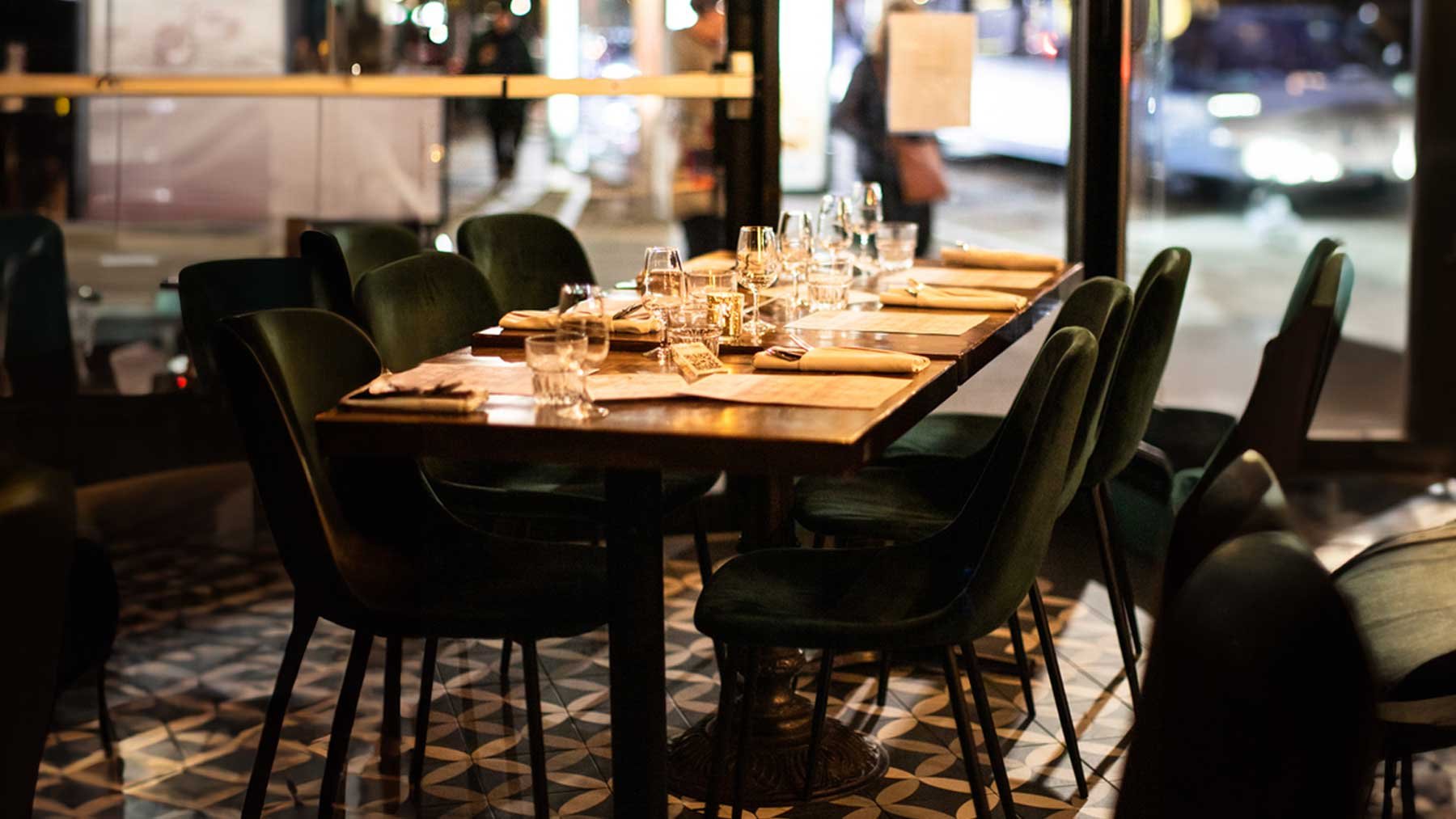
The villa format at 11 Woodfire creates a dining environment that differs from both the hotel-anchored fine dining rooms that dominate Dubai's top tier and the purpose-built restaurant spaces of newer developments. The interior is designed with minimalist discipline, and the open kitchen is positioned so that diners can observe the fire's role in the cooking process throughout a meal. The atmosphere operates at a register that is simultaneously relaxed and focused, not the hushed reverence of a formal tasting menu room, but not the ambient noise of a casual dining floor either. Service is described as quietly confident, which matches the physical environment: attentive without performance. Monday dinner runs from 6 pm to midnight. Tuesday through Sunday, the kitchen opens at noon and runs through to midnight, giving the restaurant a long-service model that accommodates both lunch bookings and extended evening sessions.
Regional Context and Where 11 Woodfire Sits
For a sense of how independently driven fine dining operates elsewhere in the Gulf, Erth in Abu Dhabi takes a different approach to regional ingredients within a similarly distinctive space. Within Dubai itself, DUO Gastrobar at Creek Harbour and DUO Gastrobar at Dubai Hills represent a more accessible format tier. For Latin American modern cuisine operating at a comparable chef-driven level internationally, Azafrán in Mendoza and Trescha in Buenos Aires offer regional reference points, while Cracco in Galleria in Milan illustrates how a chef-named restaurant builds identity within a high-traffic urban setting.
Planning Your Visit
11 Woodfire operates at Villa 11, 75B Street, Jumeirah 1, Dubai. The $$$ price range sits below the top tier of Dubai fine dining, making it accessible relative to the Michelin and 50 Best credentials it carries. Given two consecutive Michelin star listings and a strong MENA ranking, booking ahead is advisable, particularly for Thursday through Saturday evenings. The restaurant operates seven days a week, with the longer noon-to-midnight window from Tuesday through Sunday allowing for flexibility across lunch and dinner. For a broader overview of where 11 Woodfire fits within Dubai's dining options, see our full Dubai restaurants guide. Planning a wider trip can be supported by our full Dubai hotels guide, our full Dubai bars guide, our full Dubai wineries guide, and our full Dubai experiences guide.
Frequently asked questions
When is 11 Woodfire open?
Hours at 11 Woodfire: Hours: Monday 6 pm–12 am Tuesday 12 pm–12 am Wednesday 12 pm–12 am Thursday 12 pm–12 am Friday 12 pm–12 am Saturday 12 pm–12 am Sunday 12 pm–12 am.
What's the price range at 11 Woodfire?
Pricing at 11 Woodfire is listed as $$$.
What awards or recognition does 11 Woodfire have?
11 Woodfire has received recognition including: Fire is the theme of this concept where diners are likely to find dishes infused with the scents of hickory or pine Ingredients are of the highest quality, with equal footing given to meat, seafood and vegetables on the menu.; Chef: Brando ….
What dish is 11 Woodfire famous for?
The Wagyu burger draws consistent attention as a reference point for the kitchen's fire-led approach. The patty is built from premium Wagyu beef, layered with a mushroom duxelle and melted Gouda, and cooked over wood to carry the restaurant's signature smoke. It sits alongside a broader menu that applies the same open-fire logic to seafood and vegetables, so the burger functions less as a standalone novelty and more as a concentrated example of what Chef Brando Moros is doing across every category.
Comparable Spots, Quickly
| Venue | Cuisine | Price | Awards | Notes |
|---|---|---|---|---|
| 11 WoodfireThis venue (the venue you are viewing) | Modern Woodfire Grill | $150–200 | 1 Michelin Star · World's 50 Best #14 | Not listed |
| Avatara Restaurant | Modern Vegetarian Indian Fine Dining | Not listed | 1 Michelin Star · Gault & Millau UAE Selected Restaurant | Indian |
| Al Mahara | Modern Italian Seafood | $300–500 | Michelin Plate · World's 50 Best #31 | Seafood |
| Zuma | Modern Japanese Izakaya | $150–200 | Michelin Plate · World's 50 Best #34 | Japanese - Asian, Japanese, Japanese Contemporary |
| City Social | Modern European with Japanese influences | $150–200 | Michelin Plate · Star Wine List | Not listed |
| Coya | Contemporary Peruvian & Nikkei Fusion | $150–200 | Michelin Plate · Star Wine List | Not listed |
Recognition history
Dated appearances from independent guides and award organizations, with the underlying list record or original source where available.
Michelin 1 Star
Michelin
World's 50 Best MENA's Best Restaurants #14
World's 50 Best
Gault & Millau UAE Selected Restaurant
Gault & Millau · Gault & Millau UAE 2026 - Selected Restaurant
Opinionated About Dining Top Restaurants in Asia Recommended
Opinionated About Dining
World Best Burgers World's 101 Best Burgers #76
World Best Burgers
Full recognition history (13 entries)
World's Best Steaks 101 Best Steak Restaurants #60
World's Best Steaks
Opinionated About Dining Top Restaurants in Asia Ranked #390
Opinionated About Dining
The Best Chef One Knife
The Best Chef
World's 50 Best MENA's Best Restaurants #28
World's 50 Best
World's Best Steaks 25 Best Burgers #18
World's Best Steaks
World's Best Steaks 101 Best Steak Restaurants #38
World's Best Steaks
Michelin 1 Star
Michelin
Opinionated About Dining Top Restaurants in Asia Ranked #281
Opinionated About Dining
Continue exploring
More in Dubai
Restaurants in Dubai
All restaurants in Dubai →
Bars in Dubai
All bars in Dubai →
Details
- Industrial
- Cozy
- Trendy
- Intimate
- Lively
- Date Night
- Group Dining
- Family
- Special Occasion
- Open Kitchen
- Zero Proof
- Local Sourcing
- A La Carte
- Small Plates
- Set Menu
- Zero Proof
- Halal
Current opening hours
- Monday
- 12 PM–12 AM
- Tuesday
- 12 PM–12 AM
- Wednesday
- 12 PM–12 AM
- Thursday
- 12 PM–12 AM
- Friday
- 12 PM–12 AM
- Saturday
- 12 PM–12 AM
- Sunday
- 12 PM–12 AM
Hours can change for holidays and private events. Hours as of .
Industrial styling with intimate lighting, laid-back casual-chic vibe, wooden furniture, red velvet seats, and a huge open kitchen grill.