TakaHisa





Michelin Plate · World's 50 Best #23 · Star Wine List
Our verdict
TakaHisa at Banyan Tree Dubai on Bluewaters Island holds a Michelin Plate (2025), a Star Wine List White Star, and a ranking of 41st in the World's 50 Best Restaurants MENA 2024. The kitchen is led by wagyu specialist Chef Hisao Ueda alongside sushi master Takashi Namekata, a two-chef model that positions this as one of the more seriously composed Japanese addresses in the UAE.

Pearl is the En Primeur Club membership app — saves, bookings, and concierge access live there. Same editors, same standards.
- Address
- Banyan Tree Dubai - First Floor - Marsa Dubai - Bluewaters Island - Dubai - United Arab Emirates
- Phone
- +971 4 556 6688
- Hours
- Daily 12 PM–2 AM
- Website
- takahisa.ae
- Directions
- Get directions
- Booking
- Book on SevenRooms
The menu
What to order
- A5 Ozaki Beef Shabu Shabu
- Steamed Abalone with Chef's Special Sauce
- Wagyu Tamago Sandwich
- Sushi Omakase Course
Where Bluewaters Island Meets the Discipline of Japanese Craft
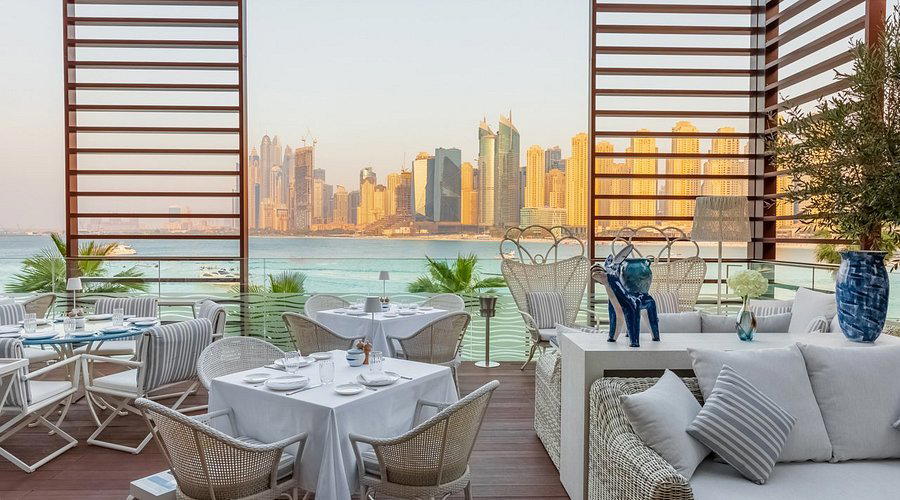
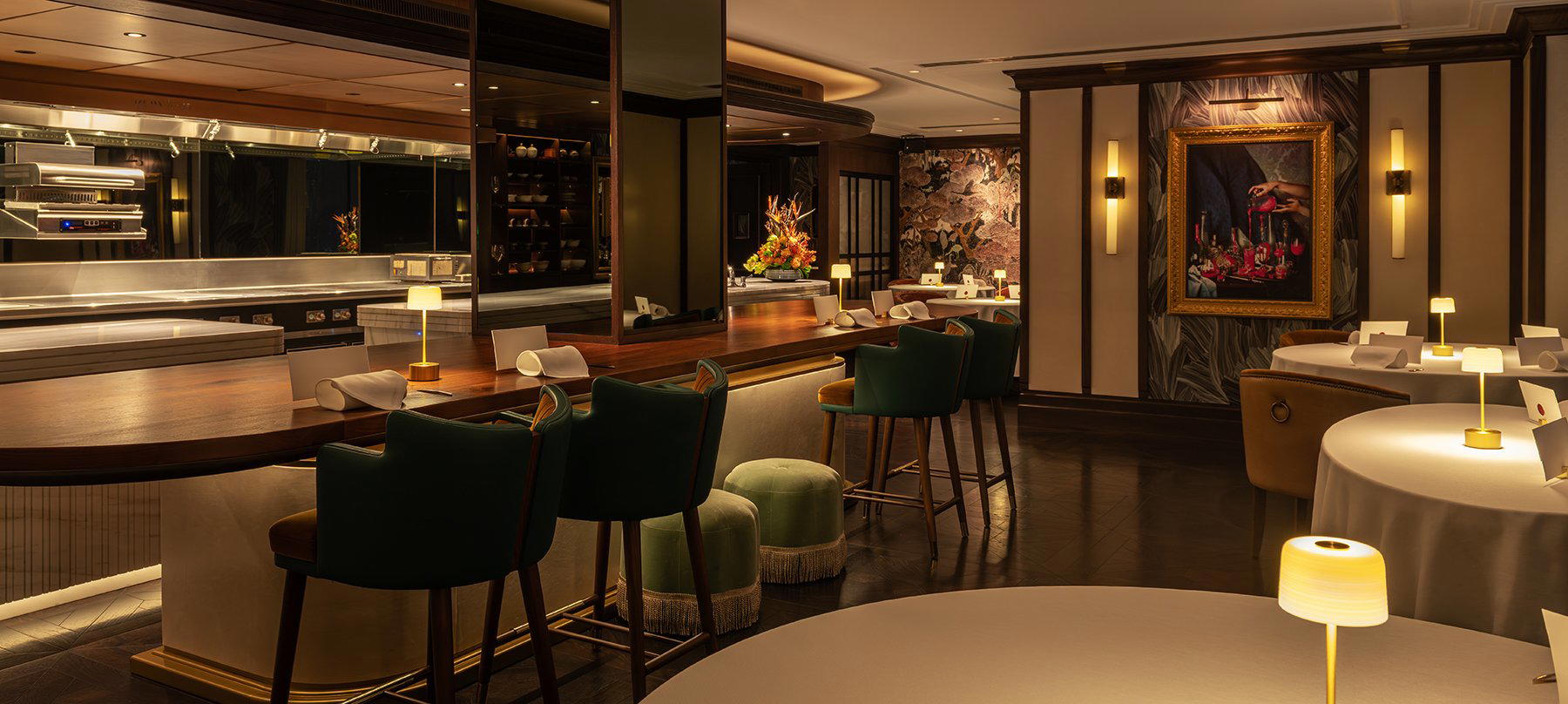
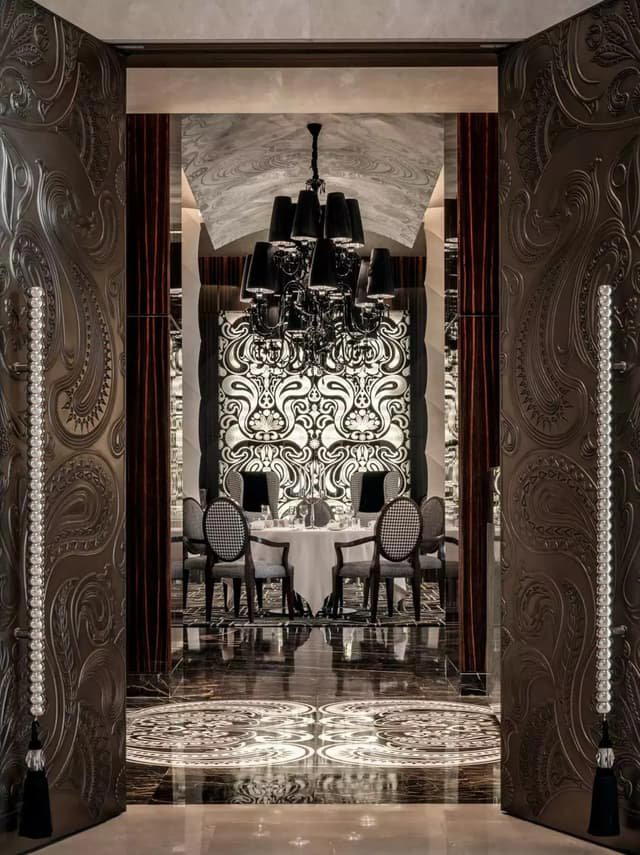
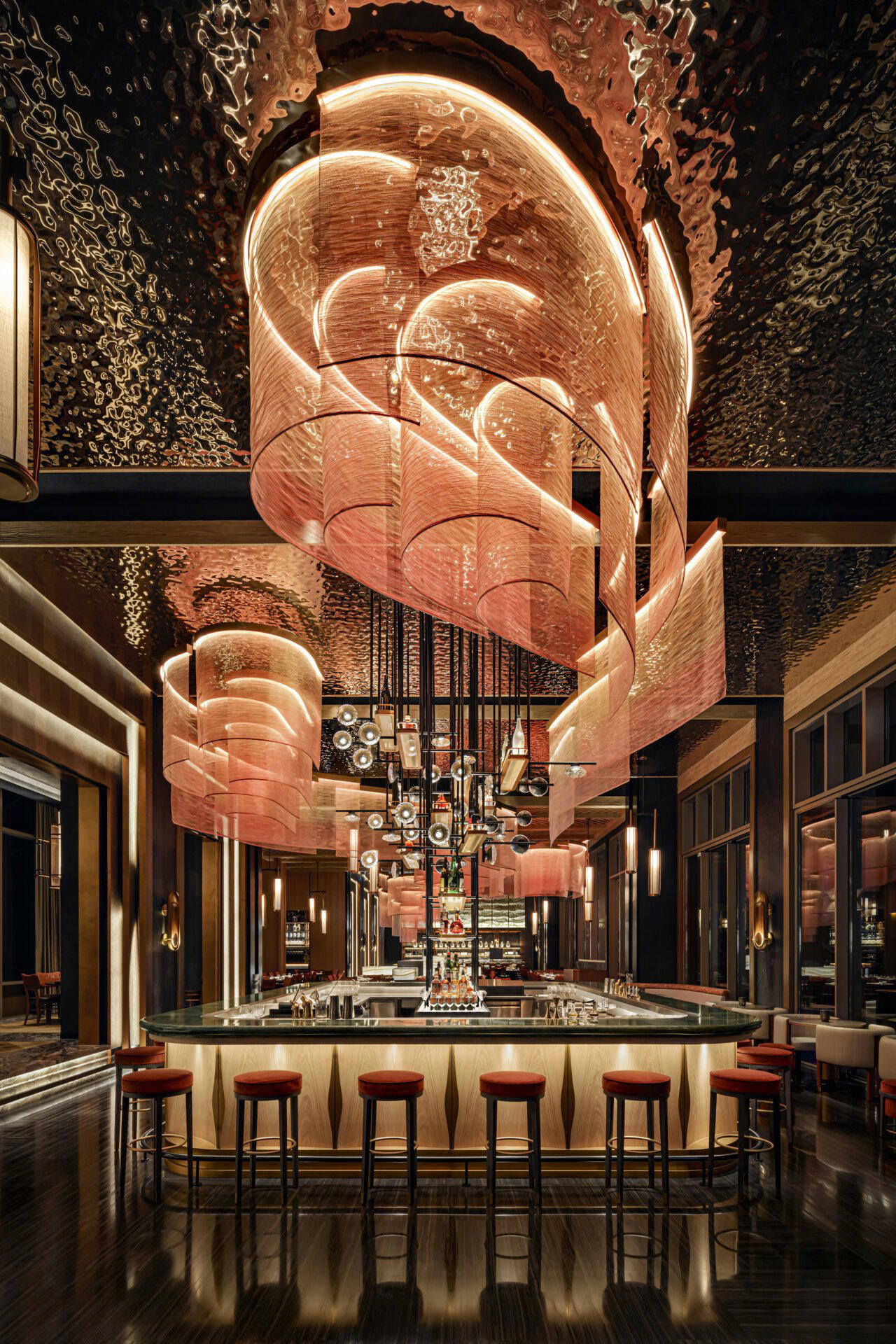
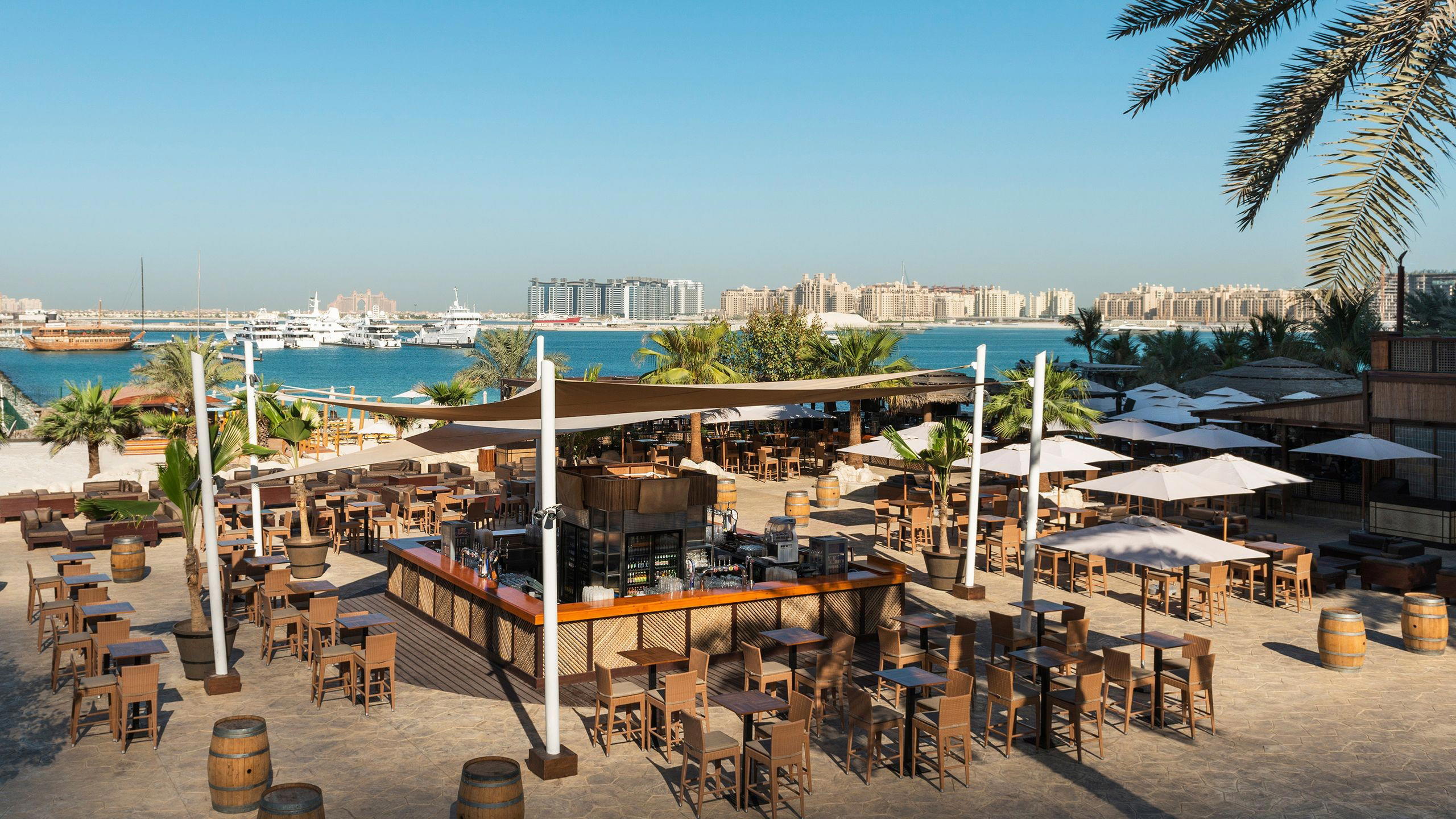
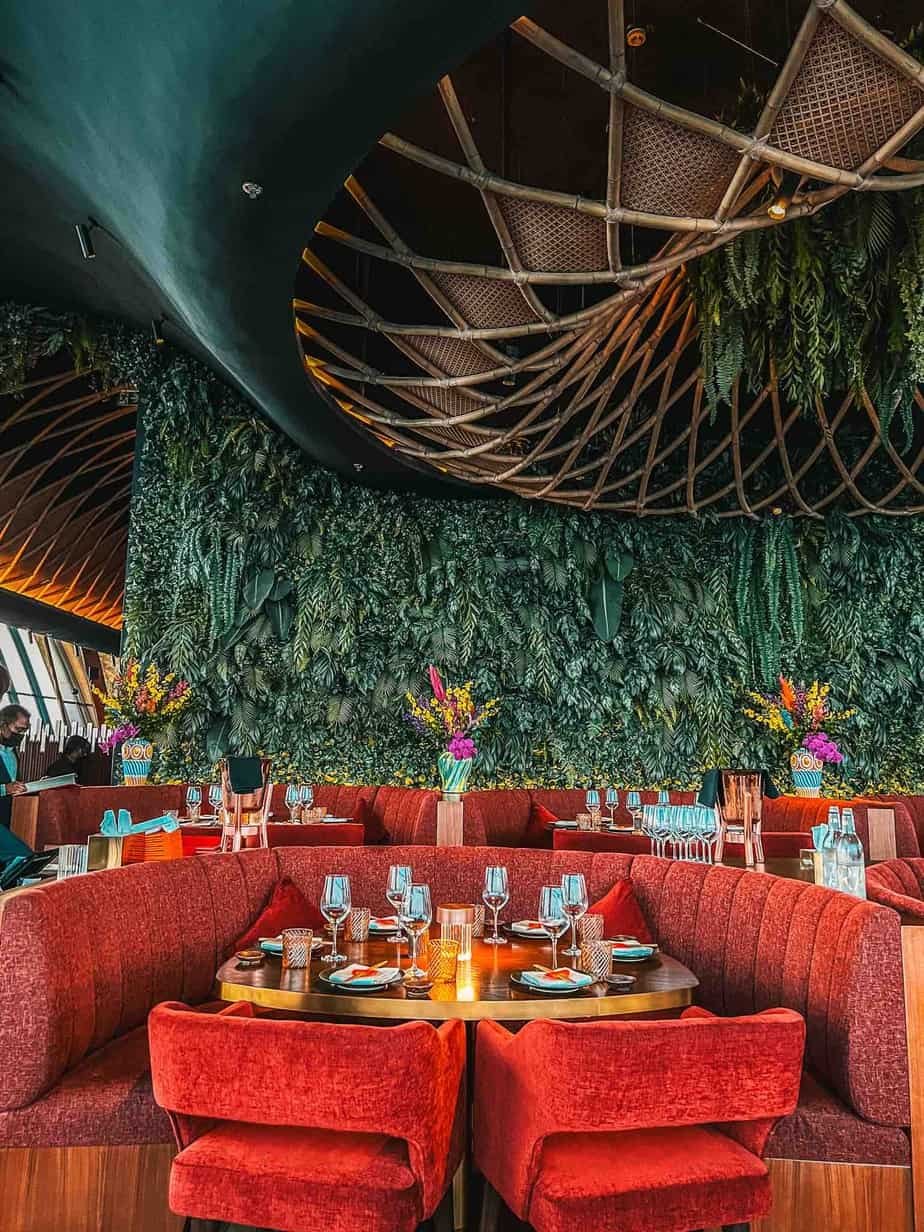
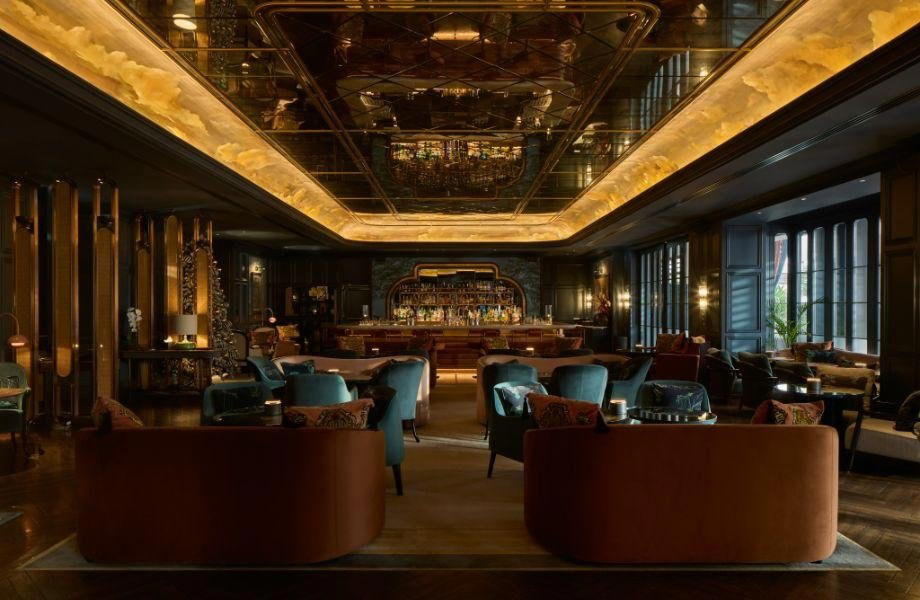
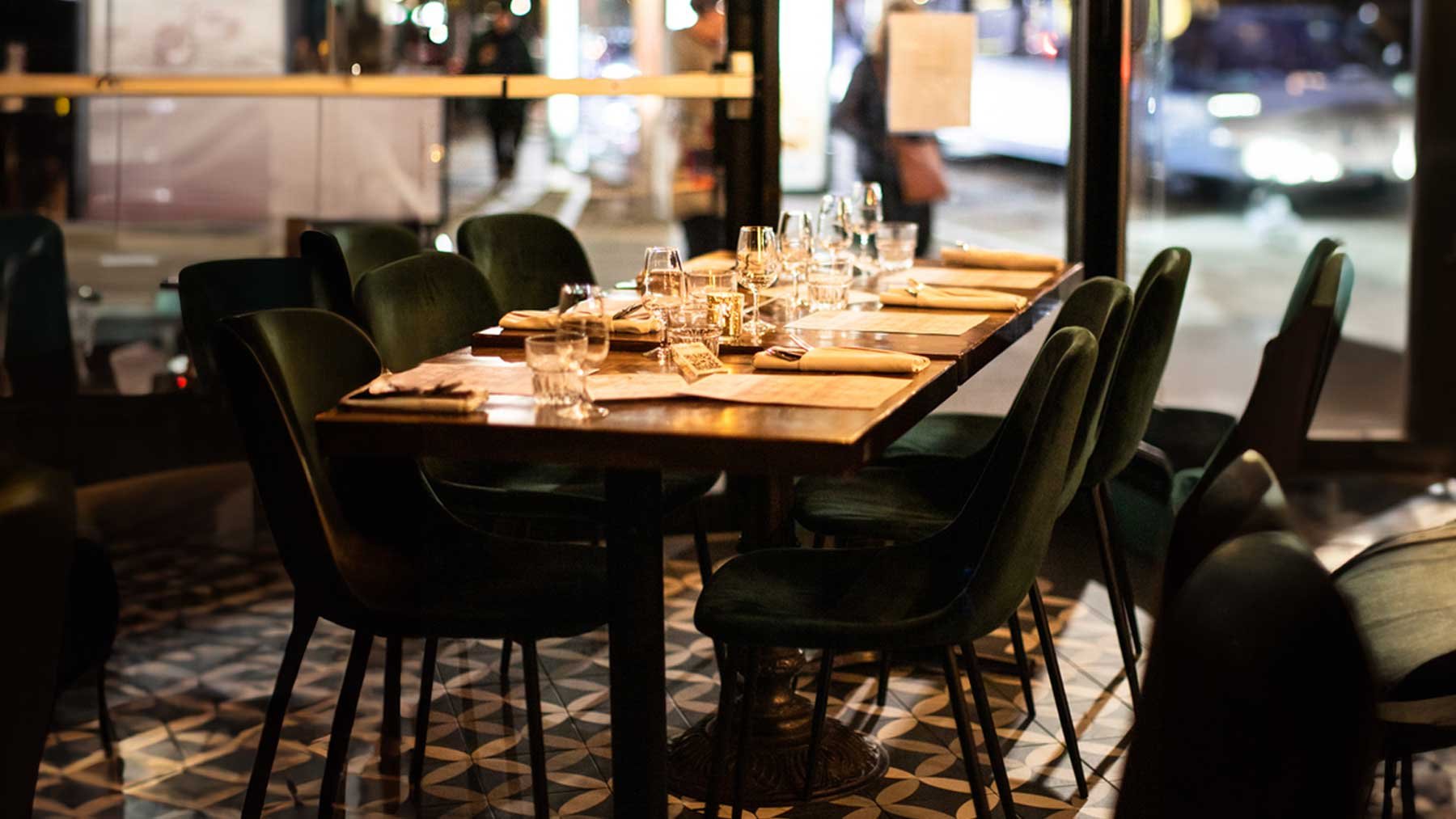
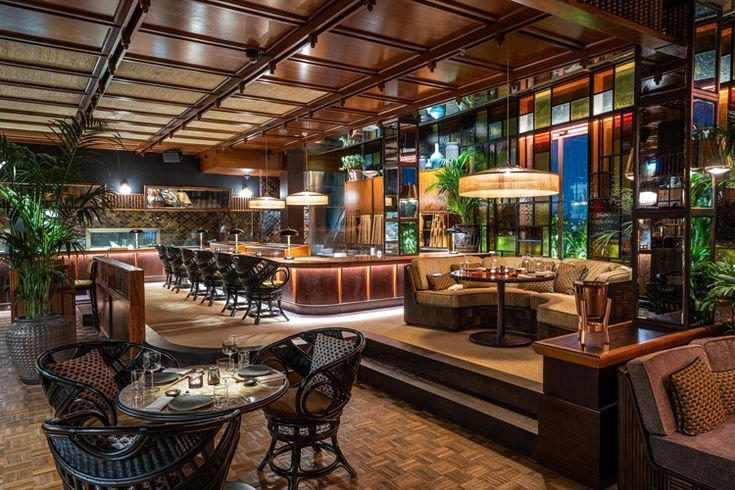
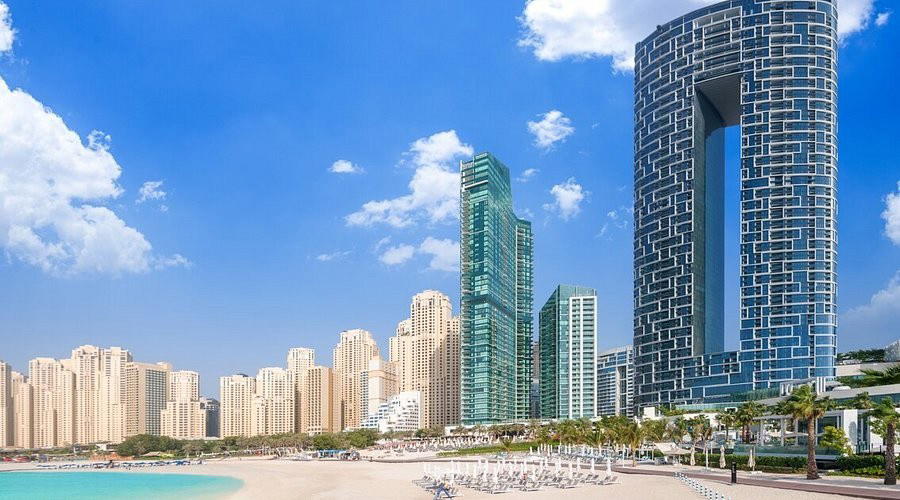
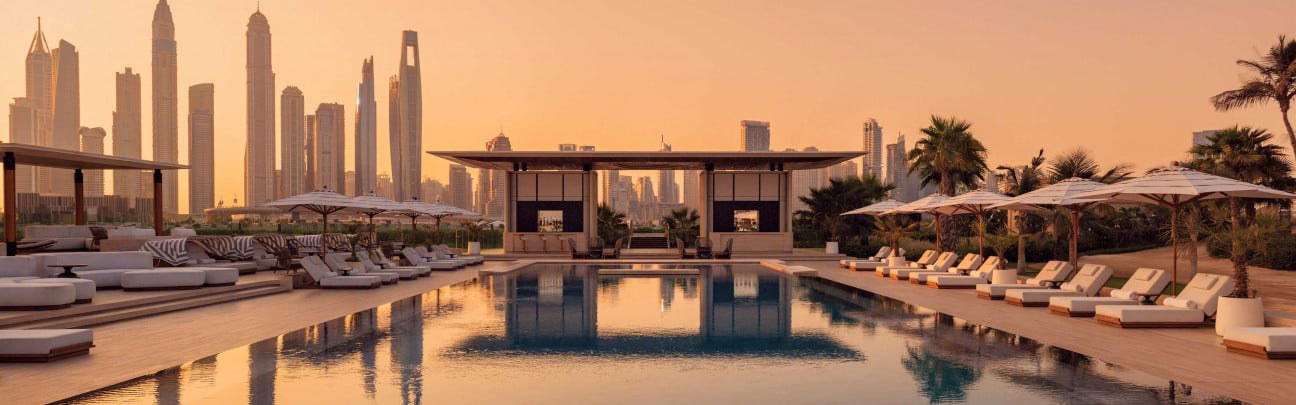
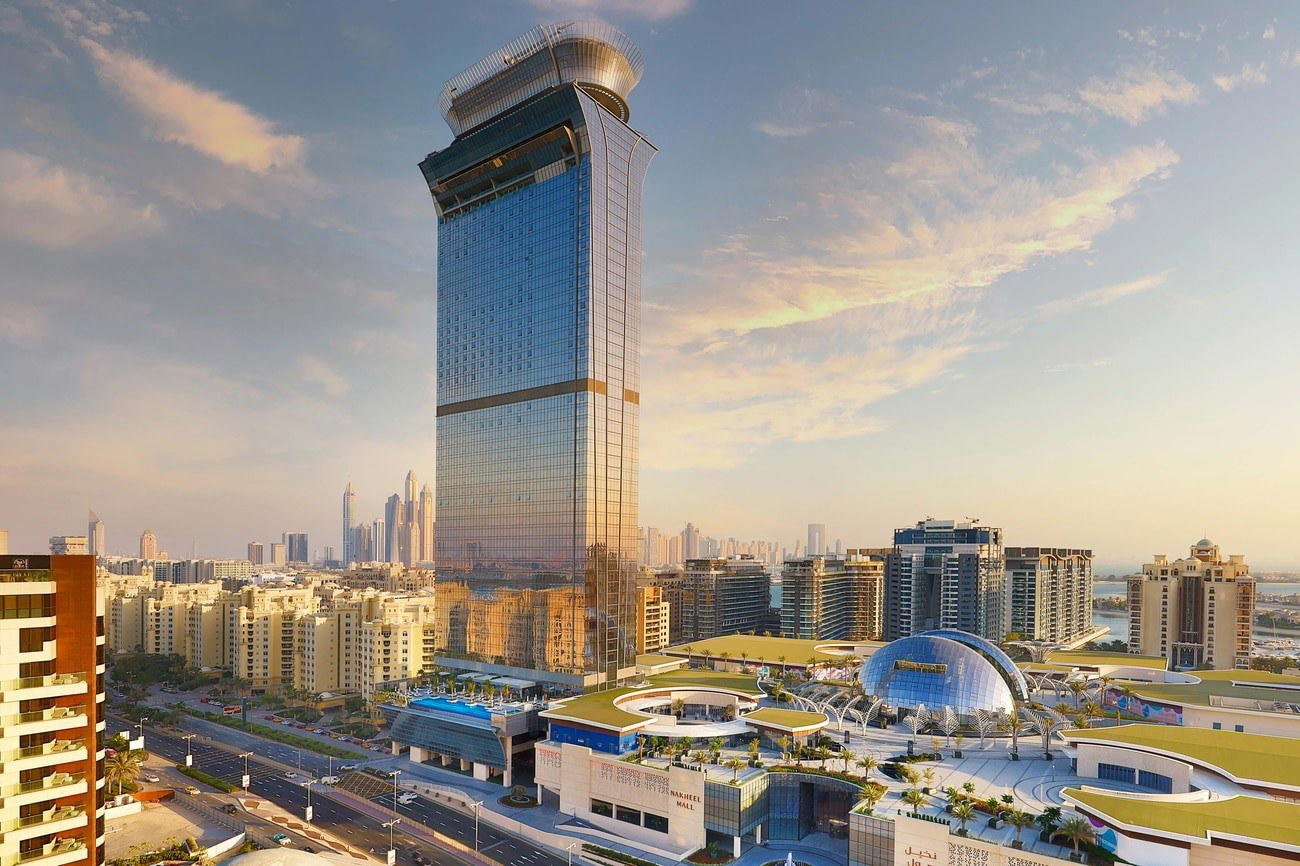
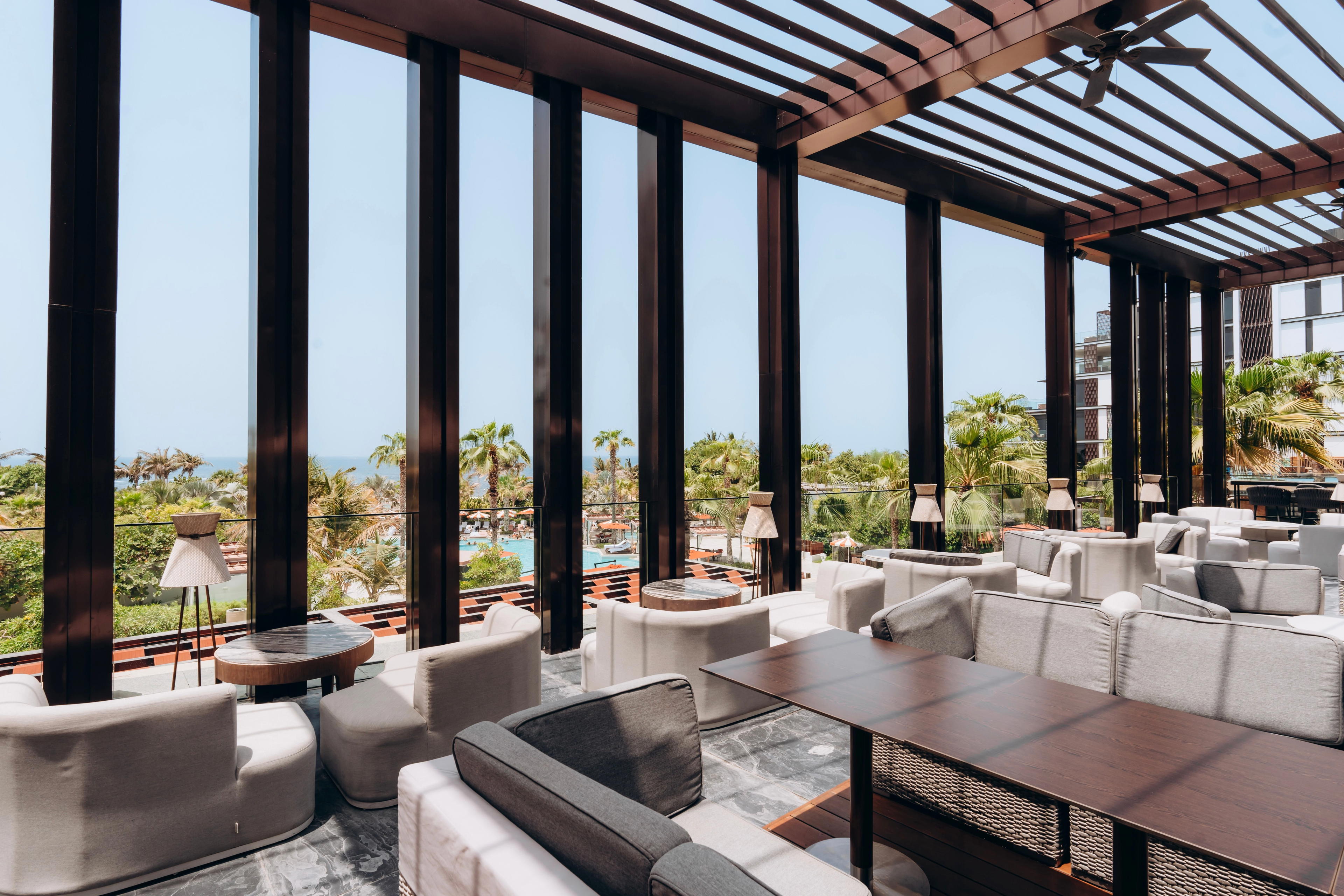
Arriving at Bluewaters Island by car or pedestrian bridge, you pass through a leisure district built almost entirely within the last decade — waterfront retail, hotel towers, the residual hum of the Ain Dubai observation wheel. Against that backdrop, the first floor of Banyan Tree Dubai feels like a considered retreat. The room at TakaHisa is calibrated for a particular kind of quiet: not silence, but the focused absence of excess noise that serious Japanese dining rooms have long treated as a design requirement. Wood, low light, and deliberate spacing between tables do the work that a louder room would assign to music or spectacle.
This matters because the format on the plate demands attention. Japanese cuisine at this price tier — firmly in the four-symbol bracket, depends on a diner who is present to the detail. The Bluewaters address, which might seem peripheral to Dubai's central dining corridors, functions here less as a disadvantage and more as a filter: guests who make the trip tend to have come specifically for the food.
A Two-Chef Architecture and What It Signals
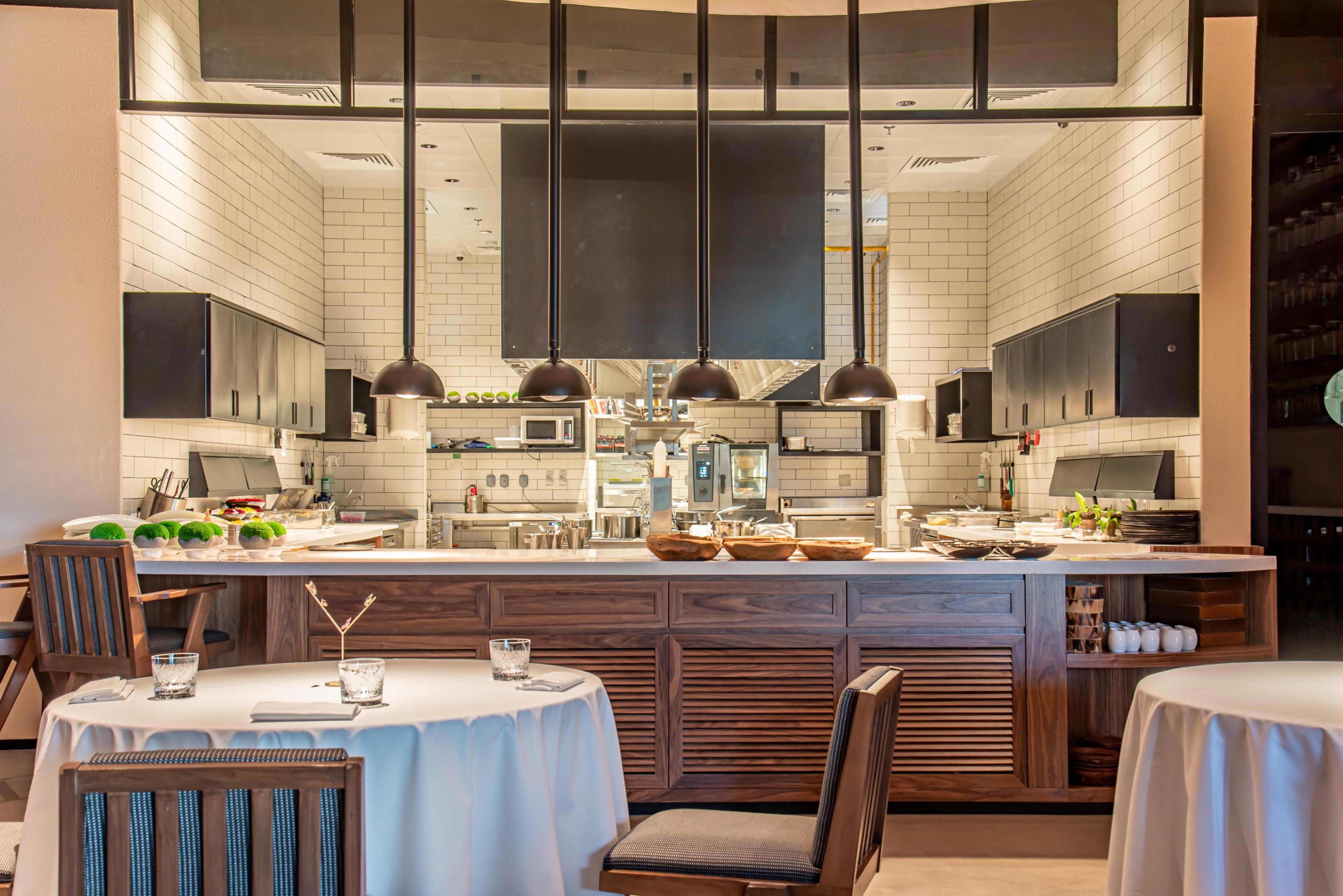
The kitchen model at TakaHisa is worth examining as a broader indicator of how serious Japanese restaurants outside Japan have started to organise themselves. Rather than a single executive chef commanding the whole range, TakaHisa splits its leadership between Chef Hisao Ueda, whose specialism is wagyu, and Takashi Namekata, identified as sushi master. This is not a novelty arrangement. In Japan, highly regarded restaurants often draw a strict line between the chef managing the robata or teppan station and the itamae behind the sushi counter. The two roles require different training lineages, different knife disciplines, different relationships with temperature and time.
Exporting that structure to Dubai, and maintaining it rather than collapsing it into a single menu under a single chef, is a signal about intent. It places TakaHisa closer in philosophy to the specialist counters of Tokyo's Ginza district, venues like Ginza Fukuju or the kaiseki tradition represented by Azabu Kadowaki, than to the broader pan-Asian Japanese category that dominates much of Dubai's restaurant market. Venues such as Nobu Dubai, Sexy Fish, and Zuma operate across a different register, higher volume, more fusion-forward, often built around a social dining proposition. TakaHisa is not competing in that tier.
The Wine Program as a Third Voice in the Room
The Star Wine List White Star designation, awarded in January 2025, adds a dimension to TakaHisa's identity that goes beyond food. Star Wine List's White Star recognition signals a wine program with editorial depth, a list that has been curated rather than assembled, with producer selections that reflect a coherent point of view. In the context of Japanese fine dining, this is more consequential than it first appears.
Pairing wine with Japanese cuisine at the level TakaHisa is operating requires a sommelier who understands both the fat-texture of aged wagyu and the delicacy of cold sashimi cuts, two products that pull in different directions on a wine list. A program that earns recognition from Star Wine List in this setting is implicitly making an argument about front-of-house competence, not just cellar depth. The wine team becomes, in effect, a third technical voice alongside the two kitchen leads. For comparison, the kind of list coherence Star Wine List recognises at its White Star level is what you find at Kyoto establishments like Isshisoden Nakamura or Osaka's Kashiwaya Osaka Senriyama, restaurants where the list is understood as part of the dining structure rather than an afterthought.
Award Positioning and What It Places TakaHisa Against
The recognition stack here is worth reading carefully. A Michelin Plate in 2024 and again in 2025 indicates consistent Michelin inspector attention without a star being awarded, which, in a city where the Dubai Michelin Guide is still relatively young and the inspector pool is still developing its calibration, is a credible holding position rather than a ceiling. The Opinionated About Dining ranking of 374th among Asia's leading restaurants in 2025 is the more instructive data point for a restaurant operating at TakaHisa's price tier. OAD rankings aggregate votes from serious diners and professionals across the region; 374th in Asia means the restaurant is being tracked by people who eat at Myojaku, Kagurazaka Ishikawa, and Gion Matayoshi on the same circuit.
The World's 50 Best Restaurants MENA 2024 ranking of 41st provides the regional calibration. Within the UAE specifically, TakaHisa occupies a different lane from the modern Indian format of Avatara or the seafood-focused Al Mahara at Burj Al Arab. Among Japanese restaurants in Dubai, its nearest conceptual peer is Hōseki, the eight-seat omakase counter that represents the most Japan-proximate dining experience the city currently offers. TakaHisa operates at larger scale and broader menu range, but the benchmark comparison between the two is where a serious diner will naturally land when deciding between Japanese fine dining options in the city.
More casual end of Dubai's Japanese scene, Kinoya, with its izakaya format, or Konjiki Hototogisu, specialising in ramen, is not in direct competition, but it illustrates the depth the city has developed across the full spectrum of Japanese hospitality.
The Broader UAE Japanese Fine Dining Context
Dubai's Japanese fine dining tier has grown considerably since the mid-2010s, when the category was largely represented by hotel-based teppanyaki rooms and fusion-forward waterfront restaurants. The current generation of Japanese restaurants in the UAE has imported more exacting formats: omakase counters with strict seat counts, wagyu specialists sourcing through Japanese prefecture channels, sake programs that distinguish between junmai daiginjo and nigori. TakaHisa arrived in this context as a Banyan Tree-affiliated property, a group whose other regional properties, including Erth in Abu Dhabi, have demonstrated a willingness to back serious dining investment. The group's involvement here provides infrastructure support for the kind of supply chain rigour that wagyu-centred Japanese cuisine requires.
At a four-symbol price point on Bluewaters Island, a location that requires deliberate effort to reach, a near-1,000-review base indicates consistent repeat engagement rather than a single wave of opening-week enthusiasm.
Know Before You Go
| Location | First Floor, Banyan Tree Dubai, Bluewaters Island, Marsa Dubai, Dubai, UAE |
| Price Range | $$$$ |
| Cuisine | Japanese (wagyu and sushi specialisms) |
| Awards | Michelin Plate 2024 and 2025; Star Wine List White Star (January 2025); OAD Leading Restaurants in Asia #374 (2025); World's 50 Best Restaurants MENA #41 (2024) |
| Getting There | Bluewaters Island is accessible by car via the Bluewaters Bridge from Sheikh Zayed Road, or on foot via the pedestrian bridge from JBR. Valet parking is available at the Banyan Tree Dubai. |
| Booking |
For a broader orientation to eating and drinking in the city, see our full Dubai restaurants guide, our full Dubai bars guide, our full Dubai hotels guide, our full Dubai wineries guide, and our full Dubai experiences guide.
Frequently asked questions
Is TakaHisa Michelin-listed?
TakaHisa has received recognition including: TakaHisa is a restaurant in Dubai, United Arab Emirates. It was published on Star Wine List on January 4, 2025 and is a White Star.; Probably the closest youll get to a true Japanese experience without leaving the UAE TakaHisa is located at….
What's the address for TakaHisa?
TakaHisa is located at Banyan Tree Dubai - First Floor - Marsa Dubai - Bluewaters Island - Dubai - United Arab Emirates, Dubai.
What dish is TakaHisa famous for?
TakaHisa built its identity around two parallel disciplines: wagyu, under chef Hisao Ueda, and sushi, under master Takashi Namekata. That dual-counter model is what draws repeat visitors — the wagyu preparation in particular is the reason Ueda is credited as the lead name in most coverage, including the venue's Opinionated About Dining ranking (#374 in Asia, 2025).
What's the cuisine at TakaHisa?
Cuisine-First Comparison
Comparable options at a glance, pulled from our tracked venues.
| Venue | Cuisine | Price | Awards | Notes |
|---|---|---|---|---|
| TakaHisaThis venue — the venue you are viewing | Premium Japanese Omakase with A5 Wagyu | $300–500 | Michelin Plate · World's 50 Best #23 | Not listed |
| 11 Woodfire | Modern Woodfire Grill | $150–200 | 1 Michelin Star · World's 50 Best #14 | Modern Cuisine |
| Avatara Restaurant | Modern Vegetarian Indian Fine Dining | Not listed | 1 Michelin Star · Gault & Millau UAE Selected Restaurant | Indian |
| Al Mahara | Modern Italian Seafood | $300–500 | Michelin Plate · World's 50 Best #31 | Seafood |
| Zuma | Modern Japanese Izakaya | $150–200 | Michelin Plate · World's 50 Best #34 | Japanese - Asian, Japanese, Japanese Contemporary |
| City Social | Modern European with Japanese influences | $150–200 | Michelin Plate · Star Wine List | Modern British, Modern Cuisine |
Recognition history
Dated appearances from independent guides and award organizations, with the underlying list record or original source where available.
Michelin Plate
Michelin
World's 50 Best MENA's Best Restaurants #23
World's 50 Best
Star Wine List
Star Wine List
Gault & Millau UAE Selected Restaurant
Gault & Millau · Gault & Millau UAE 2026 - Selected Restaurant
Opinionated About Dining Top Restaurants in Asia Recommended
Opinionated About Dining
Full recognition history (9 entries)
Opinionated About Dining Top Restaurants in Asia Ranked #374
Opinionated About Dining
Star Wine List
Star Wine List
World's 50 Best MENA's Best Restaurants #41
World's 50 Best
Michelin Plate
Michelin