Rare Brasserie & Bar

Rare Brasserie & Bar occupies a prominent position in Dubai's City Walk, earning a Star Wine List award in 2026 and placing its wine program among the more seriously curated in the neighbourhood. The brasserie-and-bar format puts it in a different tier from the city's high-volume beach clubs, with a setting that suits both a considered dinner and a long evening at the bar.
 Discover on Pearl
Pearl is the En Primeur Club membership app — saves, bookings, and concierge access live there. Same editors, same standards.
- Address
- City Walk - Al Wasl - Dubai - United Arab Emirates
- Phone
- +971 4 287 4604
- Website
- therare.ae
City Walk and What It Means for a Night Out
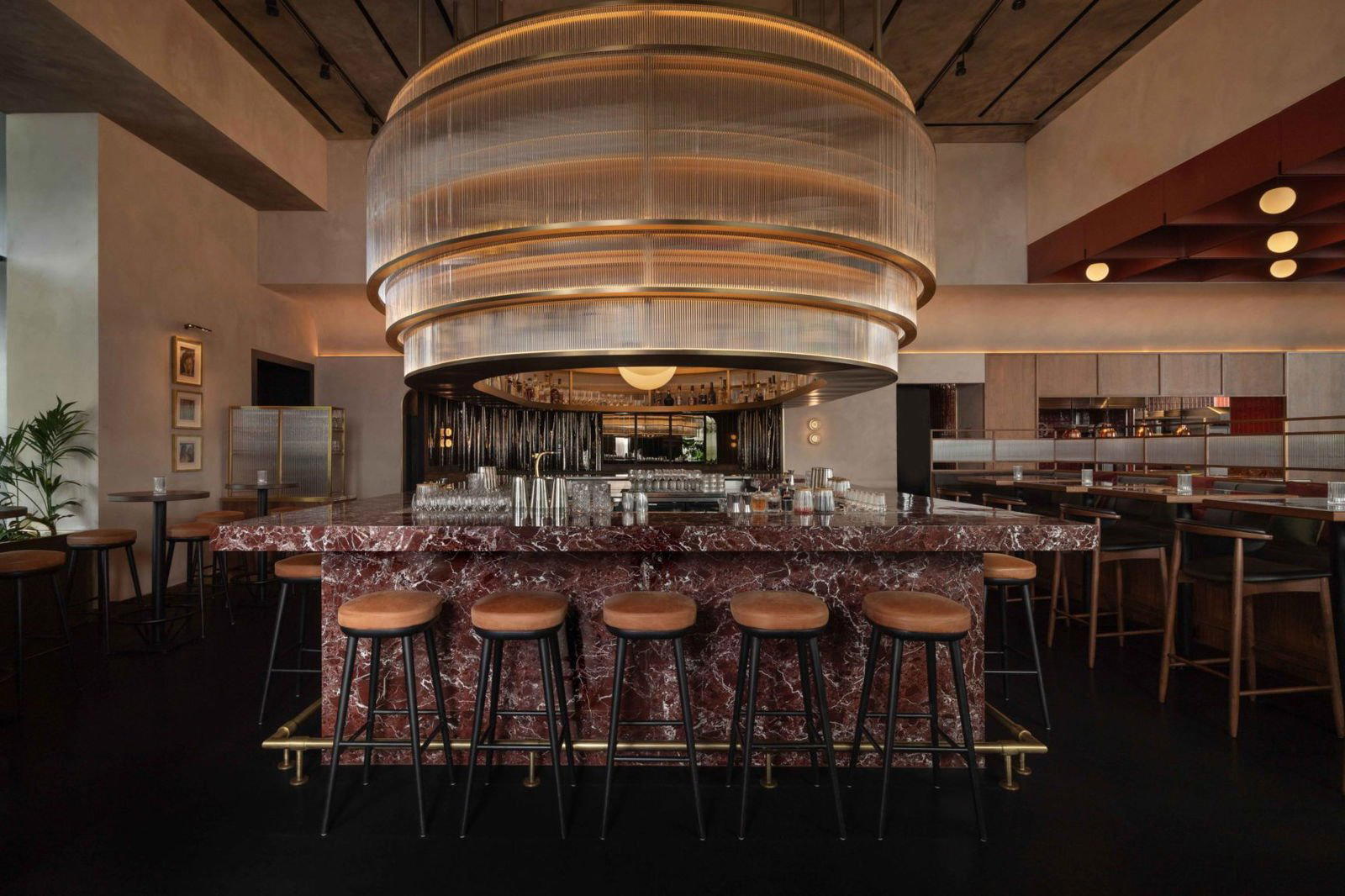
Dubai's dining geography has sorted itself into fairly legible zones over the past decade. Beach-facing venues like Barasti Bar own the outdoor, sun-and-sand register. Older enclaves such as Boudoir carry a different kind of late-night energy shaped by years of loyal patronage. City Walk, the low-rise retail and hospitality strip along Al Wasl Road, represents something else: a pedestrian-scaled neighbourhood built from scratch in a city where pedestrian scale is rarely the default. The air-conditioned walkways, the open-plan street-level frontages, and the mixed crowd of residents and visitors produce a different atmospheric register than downtown towers or waterfront megaprojects. Rare Brasserie & Bar sits inside that context, and the context matters when you are choosing where to spend an evening.
City Walk's density of options means that venues here compete on specificity. A brasserie-and-bar format that combines a serious wine list with a full kitchen occupies a distinct position in a strip where the choice can otherwise feel skewed toward casual international chains. Rare's 2026 Star Wine List award is the relevant signal: that accreditation targets wine programs with genuine depth and curation, not simply length. In a city where the imported wine market is already compressed by licensing costs and import duties, building a list that earns external recognition is a more deliberate undertaking than it might be in, say, London or Sydney.
The Brasserie Format in Dubai's Current Bar Scene
Dubai's bar and restaurant distinction has always been somewhat artificial, shaped by licensing requirements that attach alcohol service to food operations. The practical result is that the city's better drinking venues tend to be embedded within kitchens, and the brasserie model, where the bar and the dining room operate as genuine co-leads rather than afterthoughts to each other, has found a natural home here. Rare's positioning at the brasserie-and-bar intersection places it in the same general category as other Dubai venues that have invested in both sides of the offer, though its City Walk address and wine award put it in a narrower competitive set than the hotel-based operations that dominate the broader scene.
The contrast is worth drawing. Hotels account for a large share of Dubai's licensed venues, and that environment produces certain patterns: formal service registers, lobby-adjacent footfall, and wine lists built partly around captive audience economics. A freestanding brasserie in a pedestrian retail district operates differently. Its guests are choosing it from a position of open comparison rather than arriving because it is the path of least resistance from their room. That shifts the incentive structure for quality. Venues like Ergo and Buddha Bar Dubai each occupy their own register within the city's licensed venue spectrum; Rare operates in the more understated bracket where the food-and-wine pairing logic takes precedence over spectacle.
A Wine Program That Earns Its Recognition
Star Wine List's methodology focuses on the quality and depth of a venue's wine offering, and its 2026 recognition of Rare places the bar in an international context that extends well beyond the UAE. For comparison, the same award network has recognised venues with the analytical rigour of Kumiko in Chicago and the precision-focused programs at Jewel of the South in New Orleans. Being listed alongside that tier signals something specific about curation standards, not just ambition.
In Dubai's wine market, the structural headwinds are real. Import duties, storage challenges in a high-heat climate, and a consumer base that skews heavily toward well-known international labels all push toward safe, high-margin selections. Programs that receive external recognition have typically made deliberate choices to work against those pressures: sourcing from less obvious producers, investing in proper storage infrastructure, and training staff to move through the list with genuine knowledge. The Star Wine List award at Rare is the external evidence that the program has cleared that bar.
The award carries practical weight. A venue that has built a curated wine program has typically also invested in the food that supports it. The brasserie format reinforces that: brasserie cooking, whether French-rooted or a broader European interpretation, is designed to pair with a varied wine offer rather than to overshadow it.
How City Walk Changes the Practical Experience
The logistics of an evening at Rare differ from those of many comparable Dubai venues. City Walk is accessible by Dubai Metro (the nearest stations serve Al Wasl Road), and the pedestrian-friendly design means arrivals by foot from nearby hotels and residences are realistic rather than theoretical. That accessibility is not incidental: it shapes who comes and how the evening unfolds. The crowd at a walkable neighbourhood venue tends to include more genuine regulars and local residents than the destination-venue circuit, which produces a different room dynamic.
Planning-wise, City Walk evenings are generally easier to time than beach-club formats where sunset-slot demand compresses availability. A brasserie-and-bar structure allows for flexible entry points: arriving at the bar for wine before the kitchen is at full pace, or moving the other direction, starting with a full meal and settling into the bar program afterward. For visitors who want to cover both sides of the offer in a single evening, that fluidity is a practical advantage over more rigidly structured formats.
For those building a broader Dubai bar itinerary, it is worth noting that City Walk sits within reasonable distance of several other parts of the city's bar geography. The EP Club full Dubai restaurants guide maps the wider scene, including venues across the beach, downtown, and DIFC corridors. Beyond Dubai, the UAE bar circuit extends to Hidden Bar in Abu Dhabi and northward to Lexington Grill and Bar in Ras al Khaimah. For a global point of comparison on bar programs that prioritise craft alongside a food offer, Bar Leather Apron in Honolulu, Julep in Houston, and Superbueno in New York City each represent different expressions of the same instinct: a bar room that takes its list as seriously as its kitchen.
What to Expect and When to Go
City Walk operates year-round, but Dubai's outdoor-friendly window runs roughly from October through April, when temperatures drop to the kind of range that makes the pedestrian streetscape genuinely pleasant rather than air-conditioning-dependent. Evenings in those months see heavier foot traffic on the strip, which animates the surrounding context and makes the walk to and from the venue part of the experience rather than something to minimise. The summer months are quieter overall, with the city's resident population thinning and tourist volumes lower, which can produce shorter waits and more attentive service inside venues that sustain their operations through the off-season.
For the wine program specifically, those planning visits around a particular producer or region should contact the venue directly to confirm current list depth, given how quickly allocations and selections move in an import-dependent market. The Star Wine List recognition provides a baseline of confidence in program quality, but specific bottle availability at any given moment is a function of stock and logistics that awards cannot capture.
Compact Comparison
Comparable venues nearby, for context on price, style, and recognition.
| Venue | Cuisine | Price | Notes |
|---|---|---|---|
| Rare Brasserie & BarThis venue — the venue you are viewing | $$$ | ||
| Bar des Prés | $$$ | Za'abeel 2, hotel_bar | |
| Amelia | Downtown Dubai, lounge | $$$$ | |
| Blind Tiger | Umm Suqeim, speakeasy | $$$ | |
| Bahri | $$$ | Umm Suqeim, cocktail_bar | |
| Roka | Bussiness Bay, lounge | $$$ |
At a Glance
- Elegant
- Lively
- Trendy
- Modern
- Sophisticated
- Date Night
- Group Outing
- Celebration
- After Work
- Live Music
- Seated Bar
- Lounge Seating
- Booth Seating
- Classic Cocktails
- Craft Cocktails
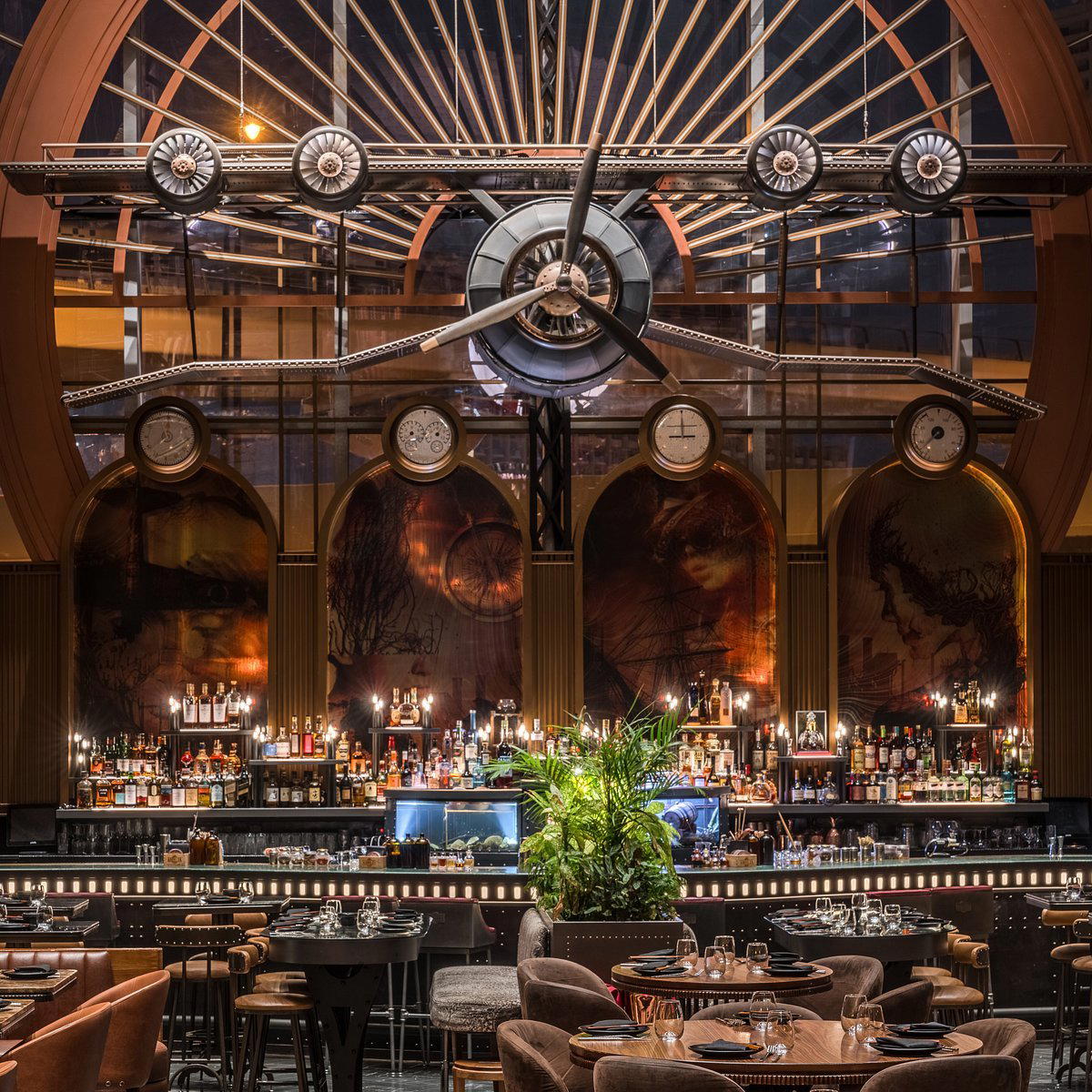
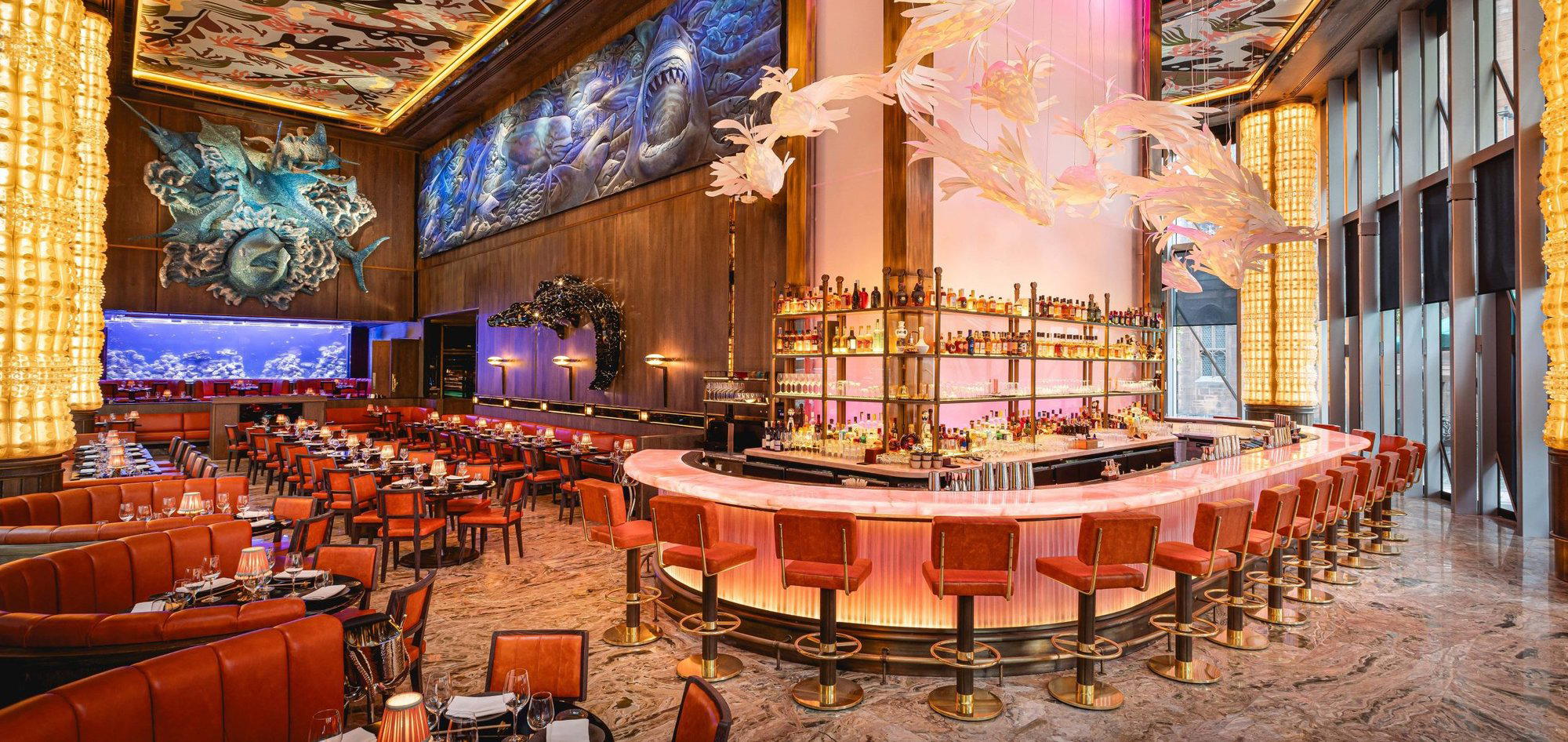
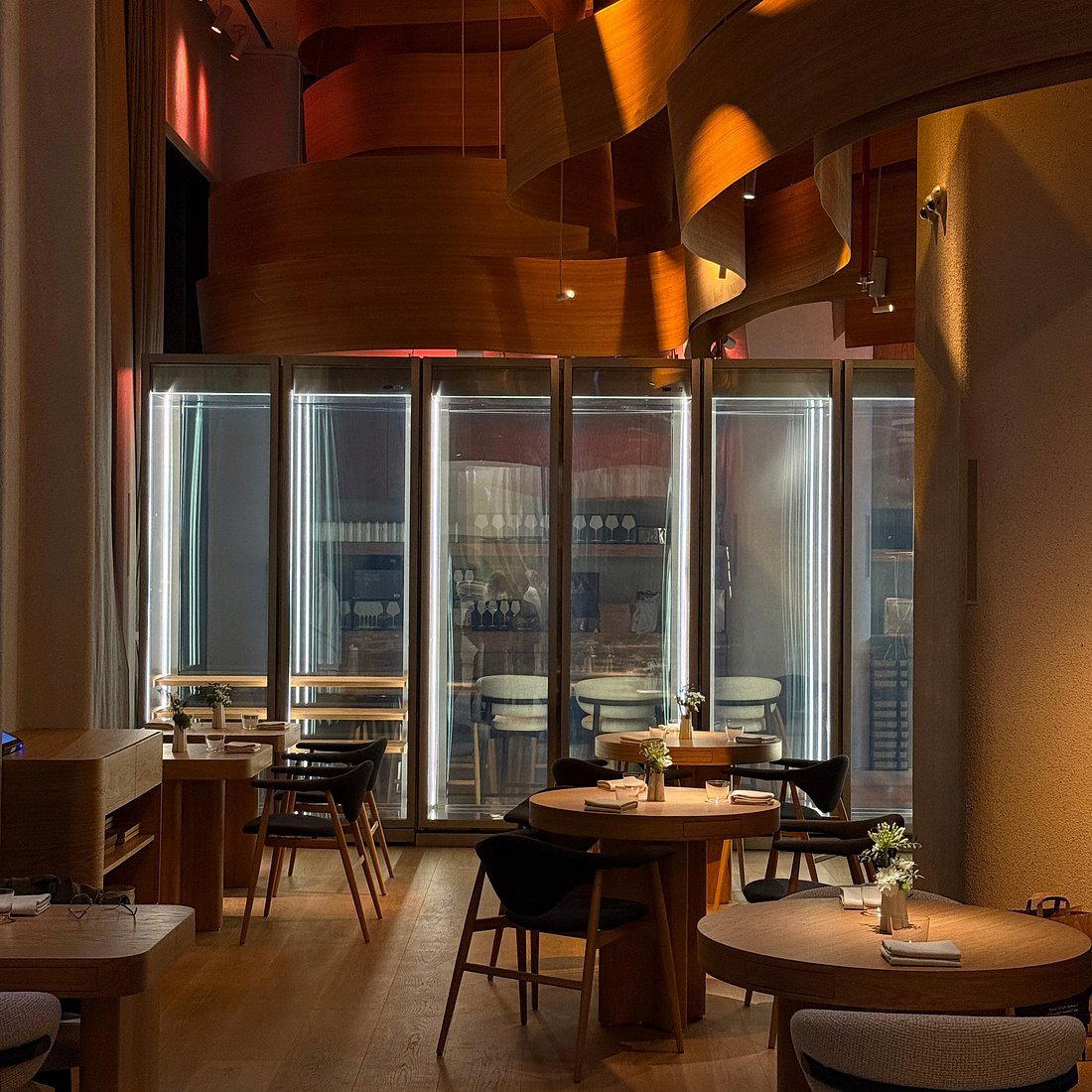
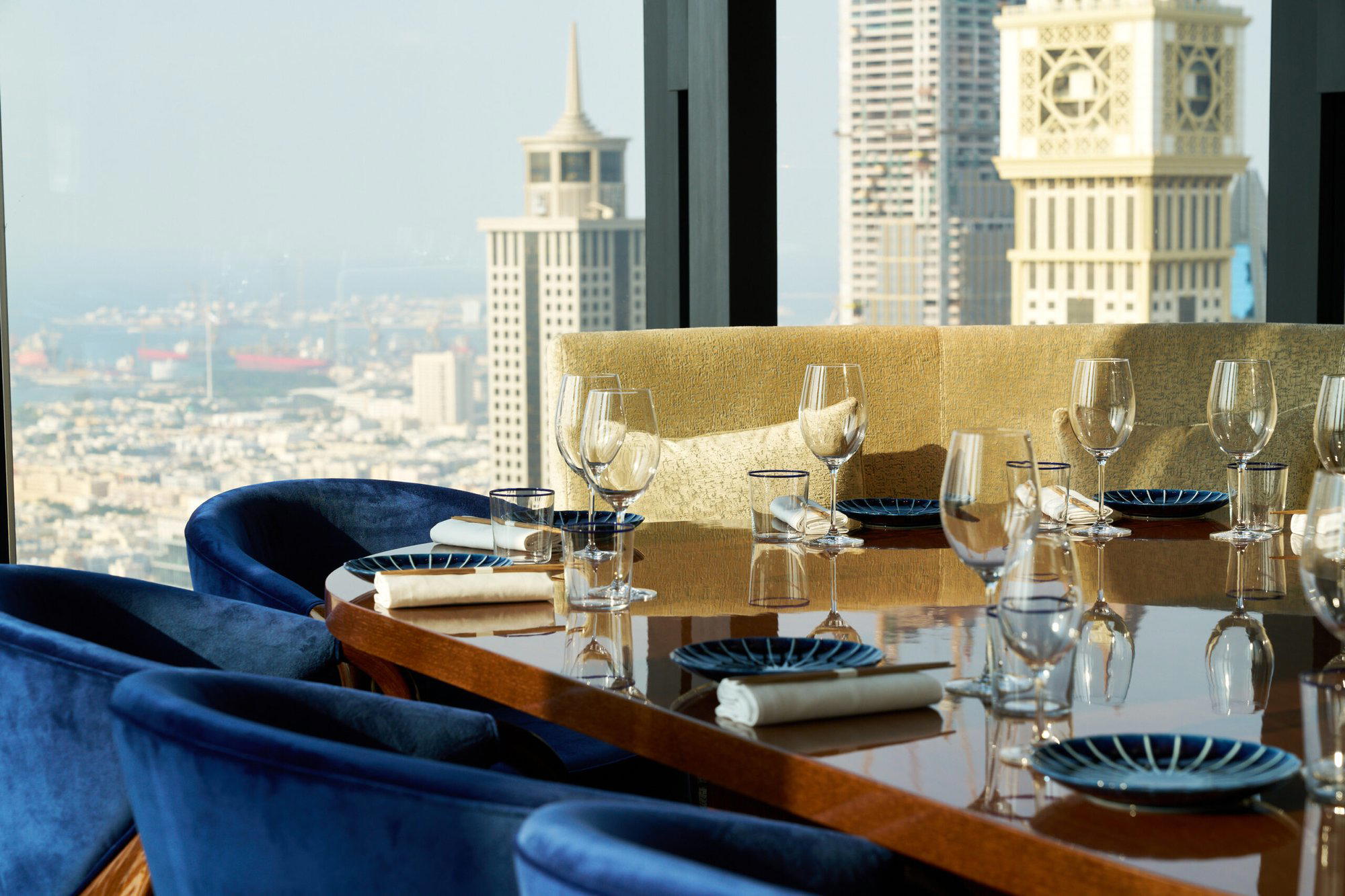
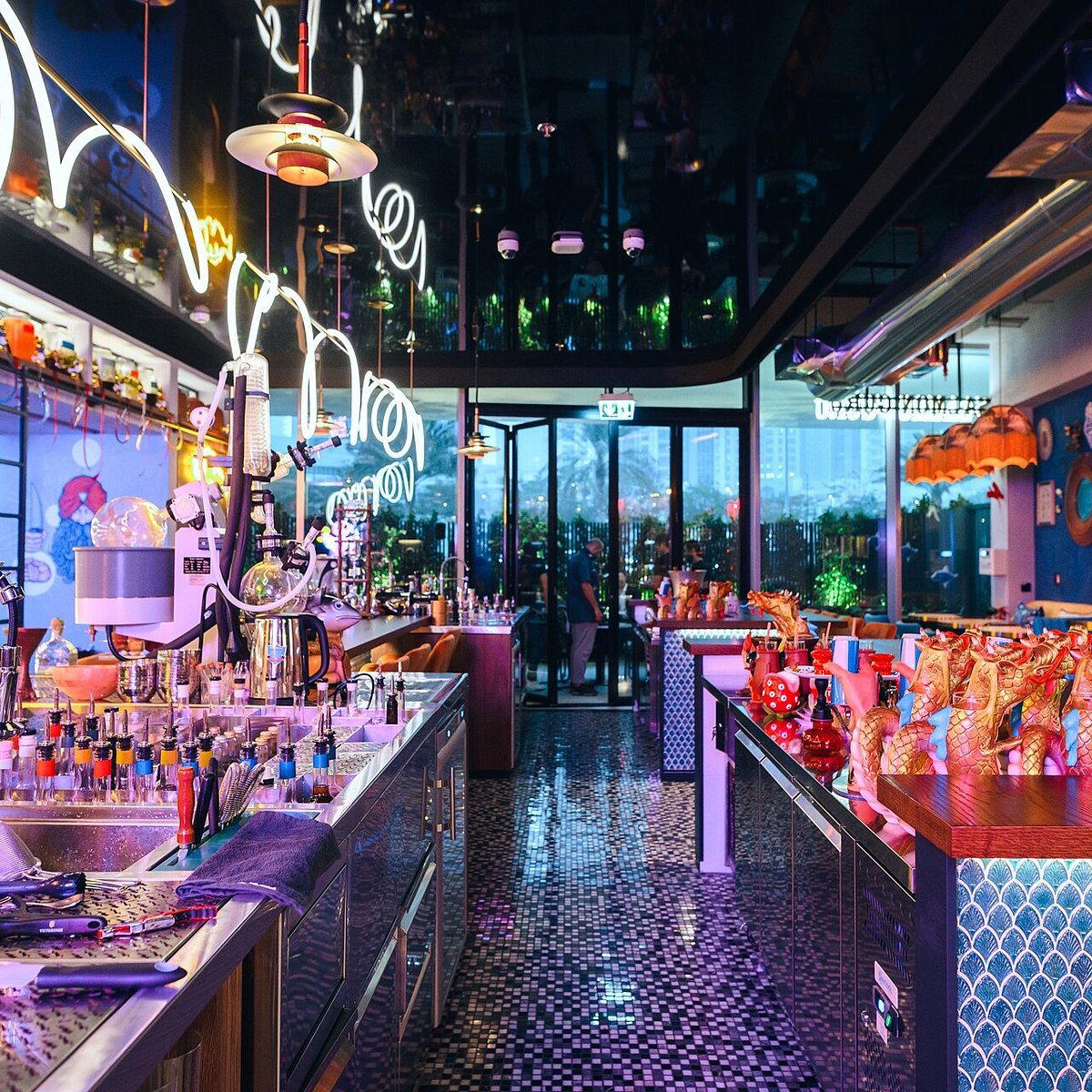
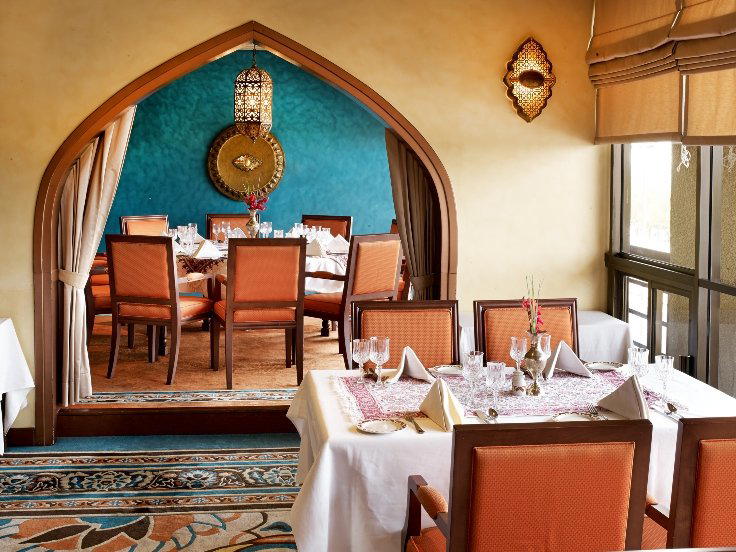
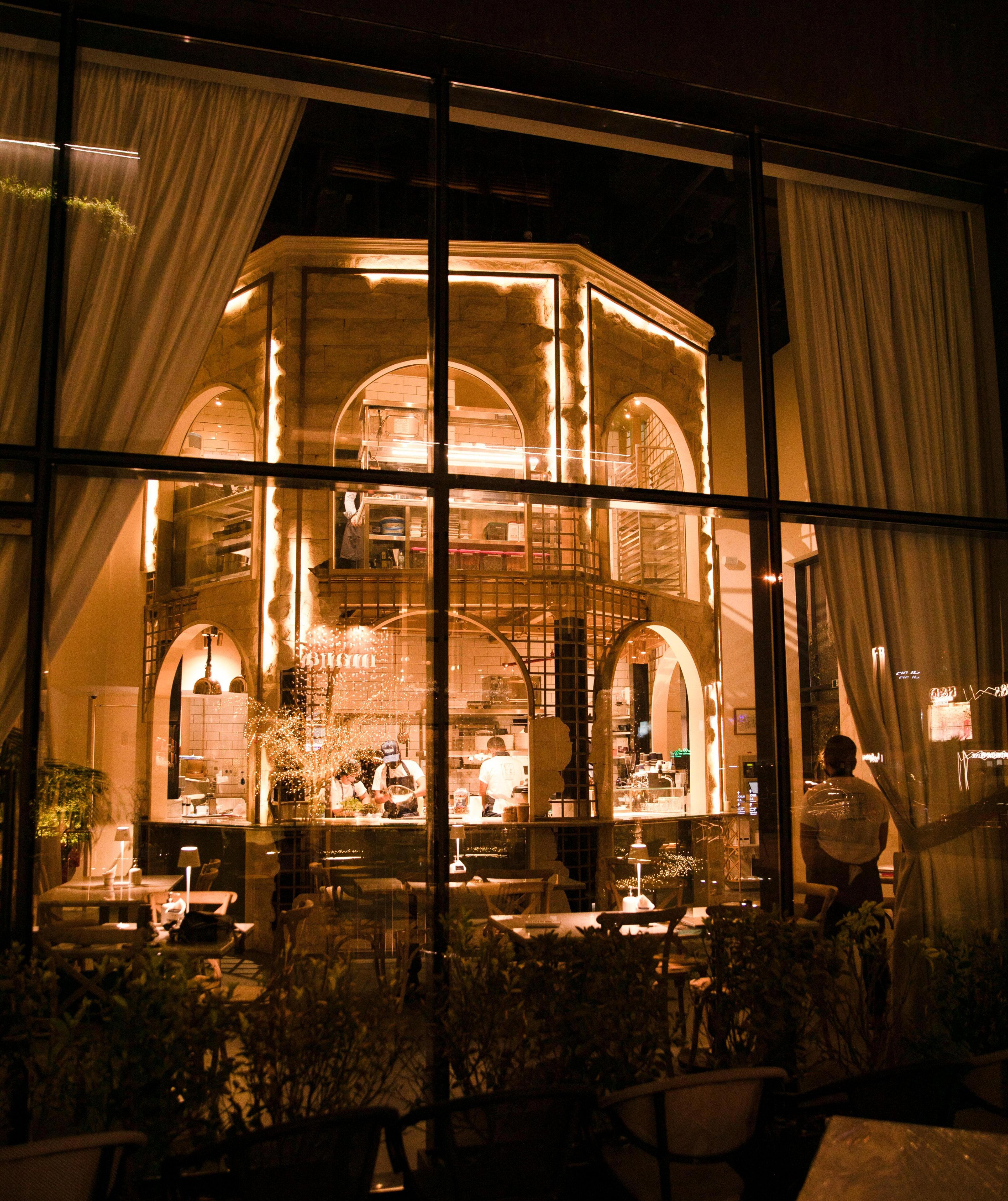
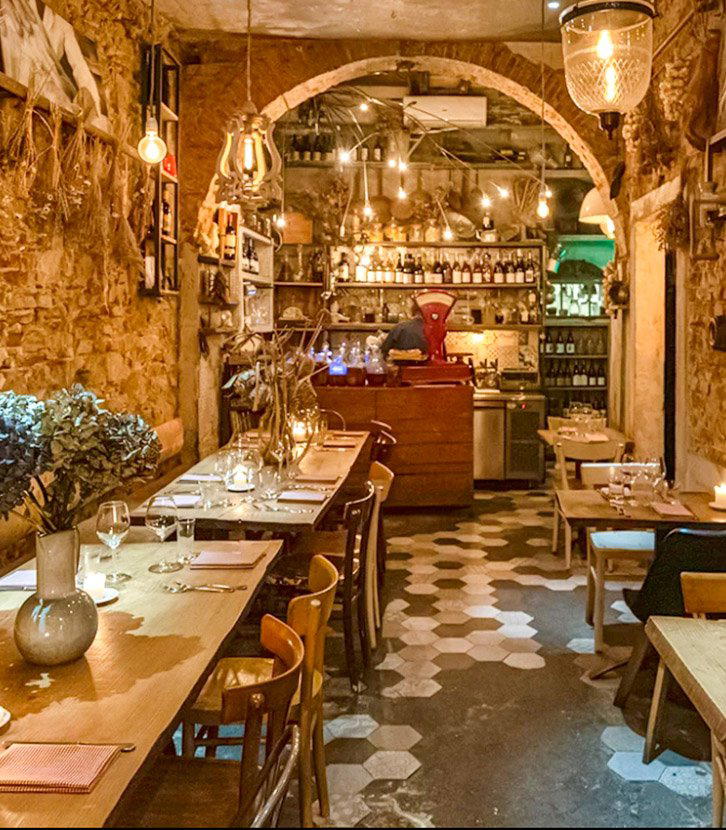
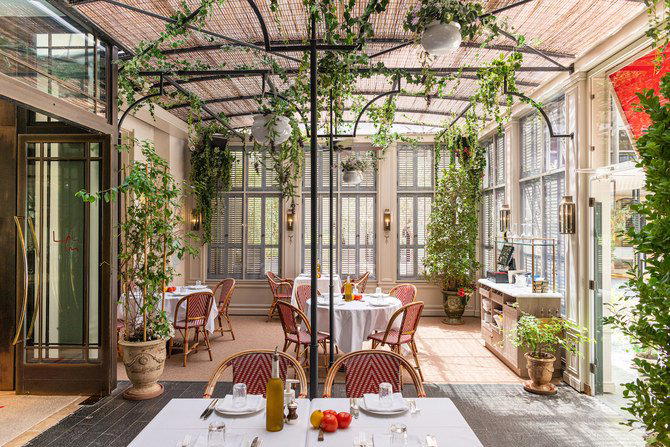
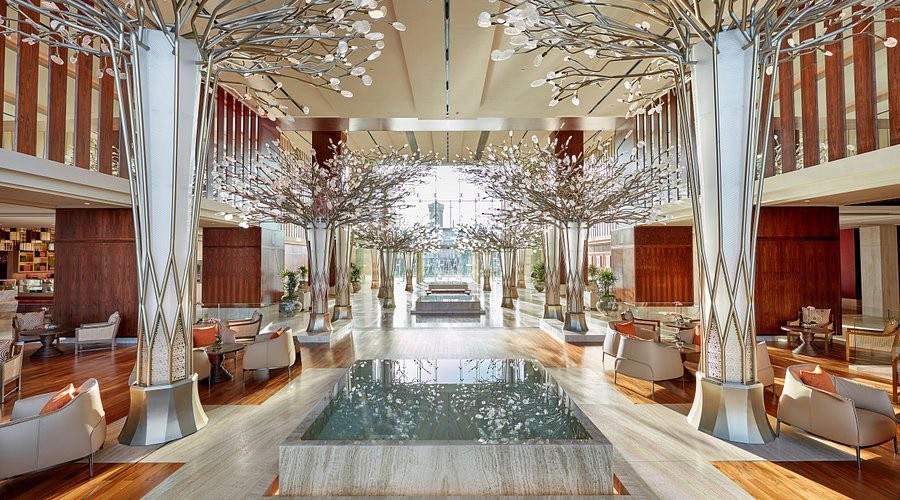
Modern, stylish, and lively with warm lighting, often featuring live piano or DJ for an engaging and elegant vibe.