Manāo






1 Michelin Star · World's 50 Best #9 · Gault & Millau UAE Selected Restaurant
Our verdict
Manāo brings a Michelin-starred Thai contemporary kitchen to Jumeirah 1, where an India-born, Dubai-raised chef channels years spent in Thai working kitchens into a menu framed around Emirati context. The result is one of Dubai's most considered Southeast Asian addresses, earning its first Michelin star in 2025 and rated 4.9 on Google across early reviews.

Pearl is the En Primeur Club membership app — saves, bookings, and concierge access live there. Same editors, same standards.
- Address
- Wasl Vita - Jumeirah - Jumeirah 1 - Dubai - United Arab Emirates
- Phone
- +971 4 272 2389
- Hours
- Mon ClosedTue–Sat 6:30–11 PMSun 12–11 PM
- Website
- manao.ae
- Directions
- Get directions
- Booking
- Book on SevenRooms
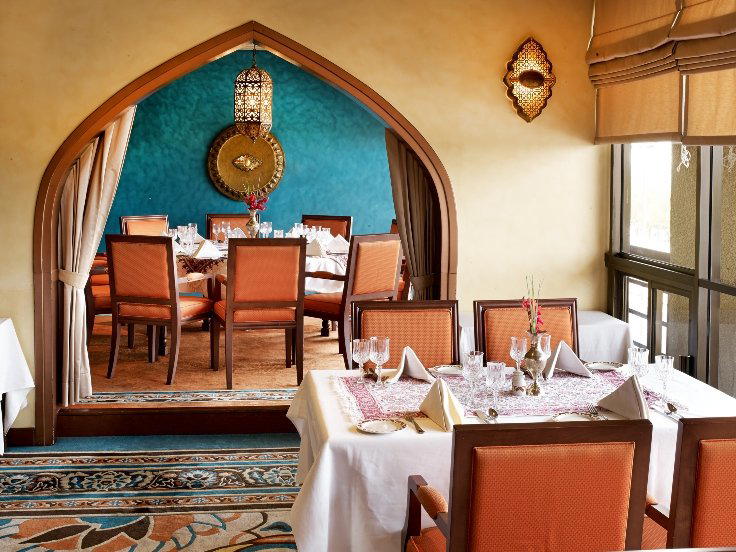
Where the Room Sets the Tone
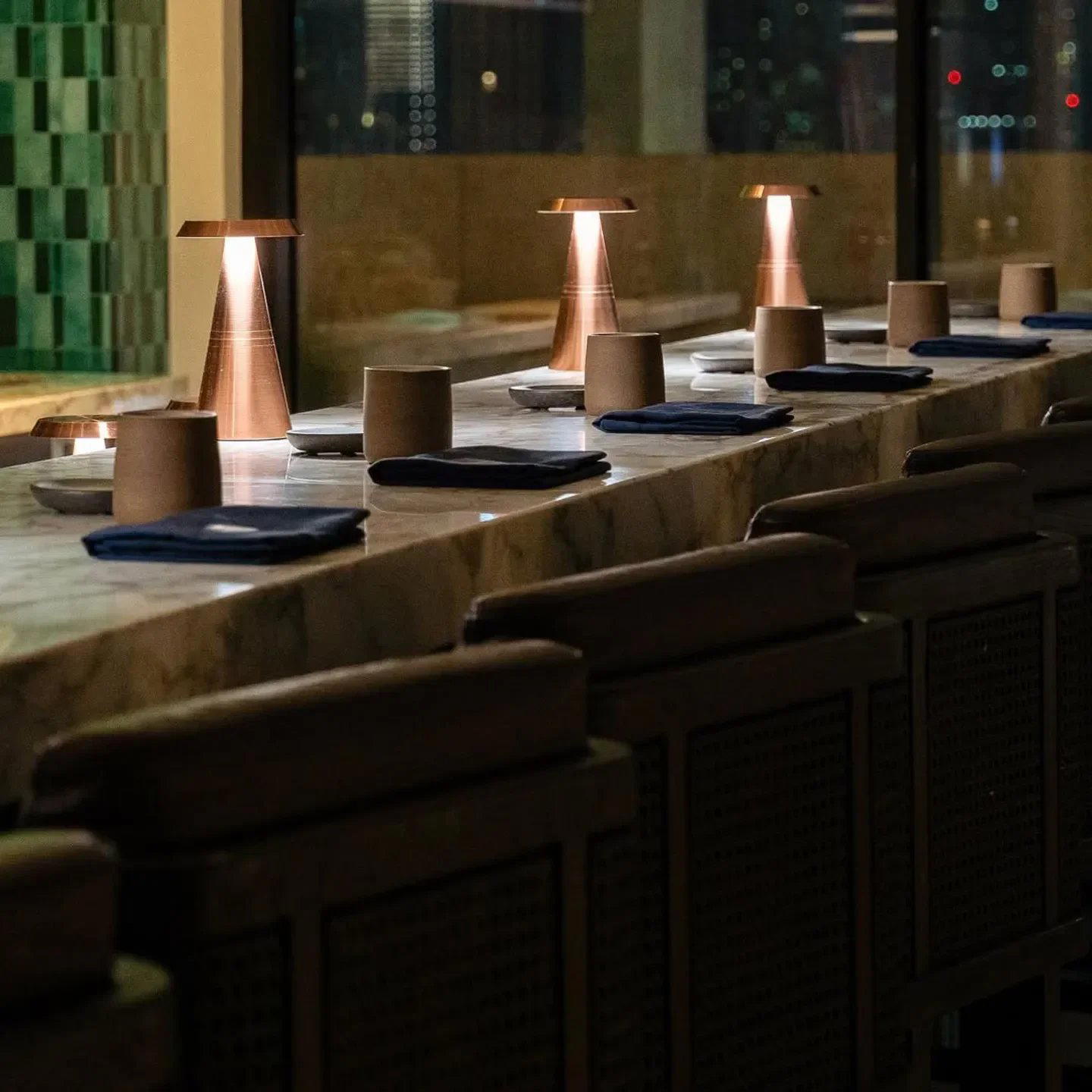
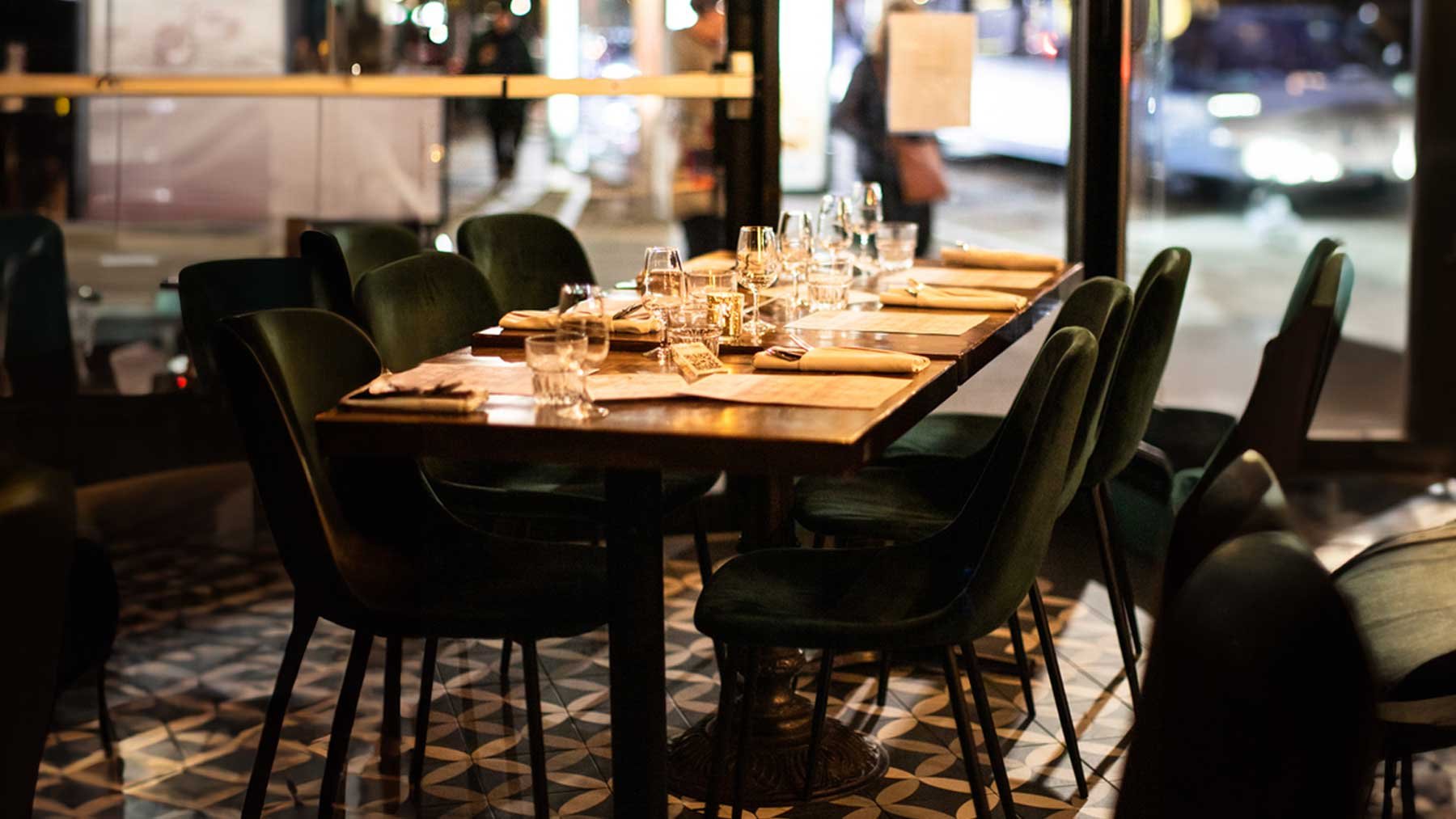
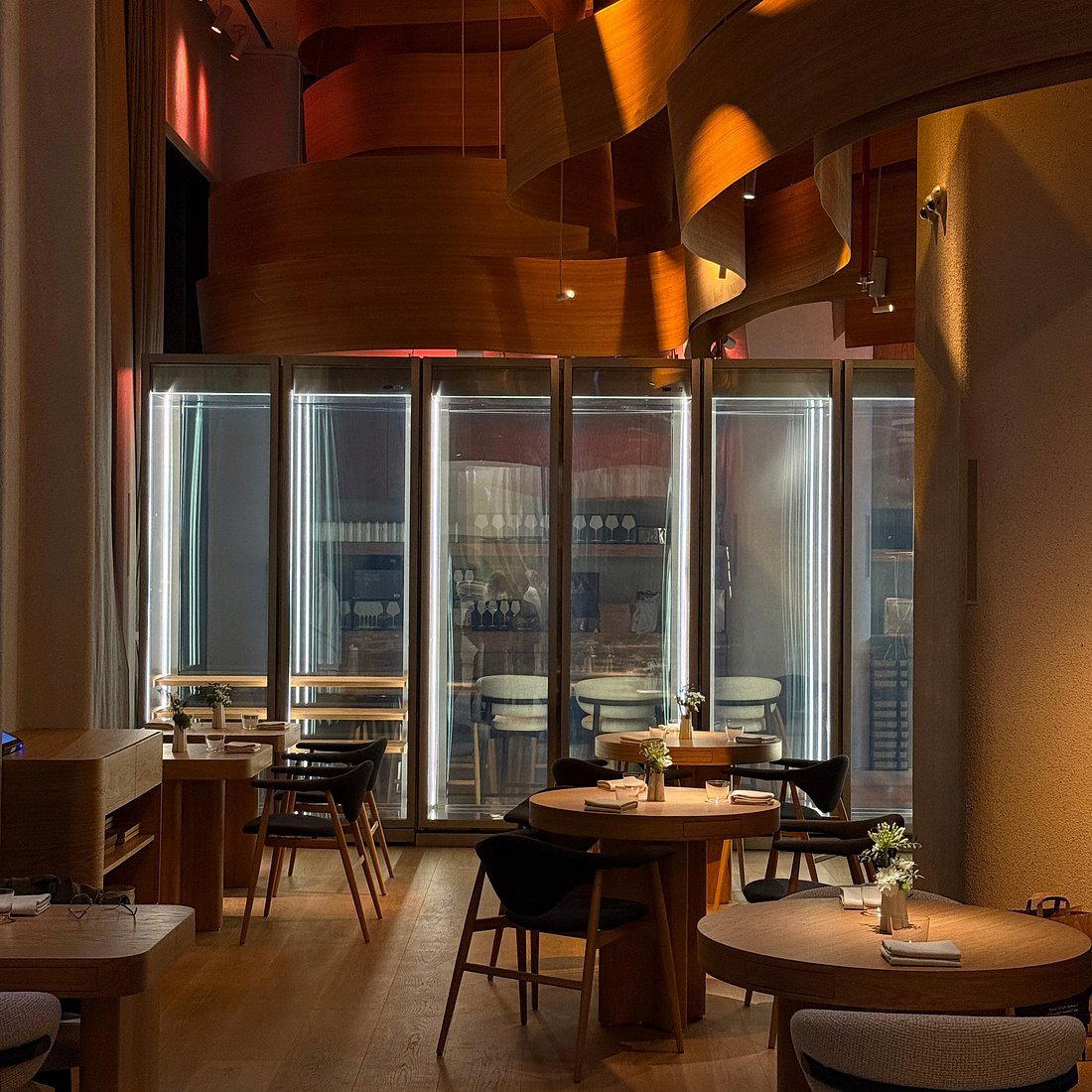
Jumeirah 1 occupies a quieter register than Dubai's tower-anchored dining corridors. The neighbourhood moves at a different pace from DIFC or Downtown, and Manāo fits that setting: a restaurant that rewards attention rather than spectacle. At Wasl Vita, the physical approach signals restraint before a dish arrives. The design vocabulary draws on Thai material culture without resorting to the gilded-temple aesthetic that defines so many Southeast Asian restaurants in the Gulf. Textures lean earthy. Light sits lower. The room asks you to slow down.
That sensory calibration is not incidental. Contemporary Thai cooking at its more serious registers, whether at Bangkok counters like Baan Tepa or the ferment-focused kitchens of 80/20, tends to foreground subtlety over noise. Manāo reads that tradition correctly. The aromatic register of Thai cuisine, lemongrass, galangal, kaffir lime, dried shrimp paste, operates leading when the surrounding environment isn't competing. Here, it doesn't.
The Cuisine and Its Context
Thai contemporary dining has been one of the more consequential movements in fine dining over the past decade. Bangkok's scene demonstrated, across a series of internationally recognised kitchens, that Thai flavour architecture, which is built on layered acidity, heat, and fermented depth, could carry the structural weight of tasting-menu formats without losing its character. Restaurants like R-Haan, Wana Yook, and NAWA each approached that challenge differently. What unites them is a refusal to dilute the cuisine's intensity in the name of fine-dining legibility.
Manāo enters that conversation from a geographically distinct position. Dubai's dining culture is shaped by an exceptionally diverse resident population, many of whom carry direct familiarity with regional Asian food traditions, alongside a visitor base that expects international-calibre cooking. The restaurant's stated premise, an Emirati version of Thai cuisine, is not a marketing position. It reflects the actual biographical trajectory of the kitchen: a chef whose foundational food memories are rooted in both the subcontinent and the UAE, who then spent formative time in Thai professional kitchens. That crossing of references is legible on the plate in the way that genuine culinary education usually is.
The collaboration with Syrian chef Mohamad Orfali adds another axis. Orfali's background in Dubai's modern dining scene, and his track record with projects that resist easy categorisation, reinforces Manāo's positioning as a restaurant interested in specific problems rather than broad appeals. The result sits outside the comfort zone of Dubai's Thai restaurant tier, which has historically defaulted to accessibility over depth.
A Michelin Star in Year
Manāo received a Michelin star in 2025, placing it within a competitive cohort of Dubai's fine-dining addresses that have earned that recognition in recent years. Dubai's Michelin Guide, which launched in 2022, has accelerated the city's status as a serious fine-dining destination rather than merely a luxury one. The distinction matters: luxury dining and fine dining are not synonymous, and Dubai's pre-Guide era produced plenty of the former with less of the latter.
Within the current starred set, Manāo occupies an interesting position. Indian-adjacent creative cooking is represented at the highest level by kitchens like Trèsind Studio. Creative formats with strong personal authorship feature across addresses including Row on 45 and moonrise. Nordic-influenced modern cuisine appears at FZN by Björn Frantzén. Thai contemporary at Michelin level, however, was a gap. Manāo fills it, and the early recognition from the Guide suggests the kitchen is operating with the consistency that award retention requires.
For comparison, the Bangkok Thai contemporary scene that has most directly influenced this style of cooking includes a dense concentration of starred and listed restaurants, among them Aunglo by Yangrak and Charmgang. Placing Manāo in that peer conversation, rather than comparing it to Dubai's broader Thai restaurant market, gives a more accurate sense of what the kitchen is attempting.
The Sensory Logic of the Menu
Thai cuisine at this level operates through a specific sensory sequence. Heat arrives early, often in an opening course that calibrates the palate. Acidity, whether from tamarind, lime, or fermented elements, runs as a thread rather than punctuation. Umami depth, built through dried shrimp, fish sauce, or long-cooked stocks, underpins the structure. Sweetness is used as a counterpoint, not a default. That architecture is demanding to execute at tasting-menu pace because each course must sustain the thread without redundancy.
What distinguishes the better contemporary Thai kitchens internationally is their handling of texture as a compositional element alongside flavour. Crunch, from toasted rice, fried shallots, or dried chilli, arrives not as garnish but as structural component. The same discipline applies to temperature contrast. Restaurants operating in this tradition, from Bangkok's leading tables to the few serious Thai kitchens in the Gulf, tend to work in plating scales that emphasise precision over volume.
At a $$$$ price point, Manāo is priced against Dubai's fine-dining tier rather than the mid-market Thai restaurant segment. That pricing is consistent with what the format demands: sourcing quality aromatics and proteins at the standard these flavour profiles require is not economical, and the kitchen makes no concession to the category. Comparable addresses at the same price tier in Dubai, such as 11 Woodfire, similarly commit to a specific culinary argument rather than a broad menu.
Dubai's Fine Dining in 2025
The city's fine-dining scene has shifted markedly since the Michelin Guide's arrival. Pre-2022, prestige dining in Dubai was largely organised around international brand presence: outposts of global names, celebrity chef franchises, and hotel dining that prioritised room design over kitchen authority. The Guide changed the status hierarchy. Restaurants without international branding but with genuine kitchen authorship, Manāo among them, now sit at the same table as long-established addresses.
That shift is particularly visible in the way newer Dubai openings position themselves. The emphasis has moved toward culinary specificity, format discipline, and chef credentials with verifiable culinary education. Manāo's profile, UK culinary training followed by immersive time in Thai professional kitchens, followed by a collaboration with an established Dubai chef, reflects exactly the kind of biography the post-Guide era rewards. For a broader view of how this cohort fits into the city's dining geography, our full Dubai restaurants guide maps the current landscape across cuisine type and price tier. If you are building a longer Dubai itinerary, the hotels guide, bars guide, and experiences guide cover the adjacent categories. The wineries guide covers wine-focused addresses for those pairing the meal with a broader beverage programme.
For regional context beyond Dubai, Erth in Abu Dhabi represents a different model of ambitious regional cooking two hours down the coast, and is worth including on a UAE itinerary that takes fine dining seriously.
Planning a Visit
Manāo sits within Wasl Vita in Jumeirah 1, a low-rise mixed-use development that places it away from the higher-traffic hotel dining clusters of Downtown or the Marina. The neighbourhood is accessible by car and reasonably served by taxi and ride-hailing apps from central Dubai. The $$$$ pricing places this clearly in a special-occasion or intentional dining register rather than a casual drop-in. The current Michelin star, awarded in 2025, makes this one of the more time-sensitive reservations in Dubai's dining calendar: early-year recognition of this kind tends to compress availability significantly in the months that follow.
Frequently asked questions
at Manāo?
What the kitchen's context signals clearly is where its strengths lie: the cuisine is Thai contemporary at Michelin level, built on the flavour architecture of aromatic, fermented, and heat-driven Thai cooking, refracted through a chef whose formation crossed both South Asian and Gulf contexts. At $$$$ pricing in a tasting format, the menu is likely structured to move through that sensory register progressively rather than offering it all at once. The most purposeful approach is to eat without substitutions or exclusions where possible, since the sequencing of a menu at this level is part of what you are paying for. If the restaurant offers a drinks pairing, it is worth considering: Thai aromatics are among the more demanding flavour sets for wine, and a kitchen operating at this standard will have thought carefully about what sits alongside them.
Comparable Options
| Venue | Cuisine | Price | Awards | Notes |
|---|---|---|---|---|
| ManāoThis venue — the venue you are viewing | Modern Thai-Inspired Fine Dining | $100–150 | 1 Michelin Star · World's 50 Best #9 | Not listed |
| 11 Woodfire | Modern Woodfire Grill | $150–200 | 1 Michelin Star · World's 50 Best #14 | Modern Cuisine |
| Avatara Restaurant | Modern Vegetarian Indian Fine Dining | Not listed | 1 Michelin Star · Gault & Millau UAE Selected Restaurant | Indian |
| Al Mahara | Modern Italian Seafood | $300–500 | Michelin Plate · World's 50 Best #31 | Seafood |
| Zuma | Modern Japanese Izakaya | $150–200 | Michelin Plate · World's 50 Best #34 | Japanese - Asian, Japanese, Japanese Contemporary |
| City Social | Modern European with Japanese influences | $150–200 | Michelin Plate · Star Wine List | Modern British, Modern Cuisine |
Recognition history
Dated appearances from independent guides and award organizations, with the underlying list record or original source where available.
Michelin 1 Star
Michelin
World's 50 Best MENA's Best Restaurants #9
World's 50 Best
Gault & Millau UAE Selected Restaurant
Gault & Millau · Gault & Millau UAE 2026 - Selected Restaurant
Opinionated About Dining Top Restaurants in Asia Recommended
Opinionated About Dining
Tatler Best Middle East: Best New Restaurant
Tatler
Full recognition history (8 entries)
Tatler Best New Restaurant
Tatler
Tatler Listed in Best Restaurants Middle East
Tatler
The Best Chef One Knife
The Best Chef
Details
- Minimalist
- Modern
- Elegant
- Trendy
- Special Occasion
- Date Night
- Open Kitchen
- Zero Proof
- Local Sourcing
- Tasting Menu
- Zero Proof
Current opening hours
- Monday
- Closed
- Tuesday
- 6:30–11 PM
- Wednesday
- 6:30–11 PM
- Thursday
- 6:30–11 PM
- Friday
- 6:30–11 PM
- Saturday
- 6:30–11 PM
- Sunday
- 12–11 PM
Hours can change for holidays and private events. Last verified .
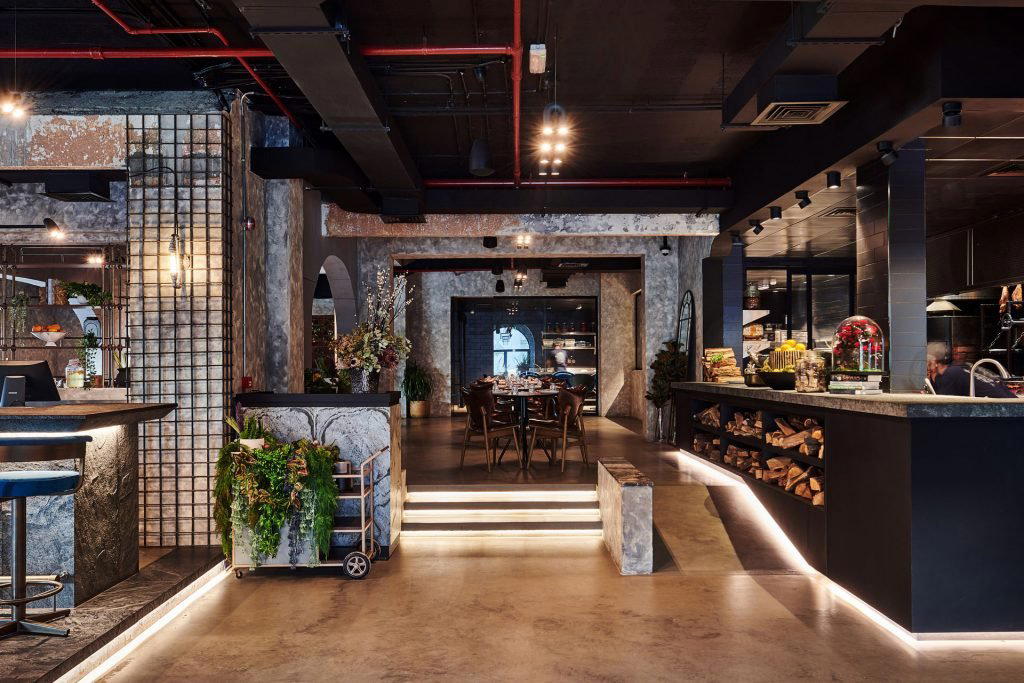
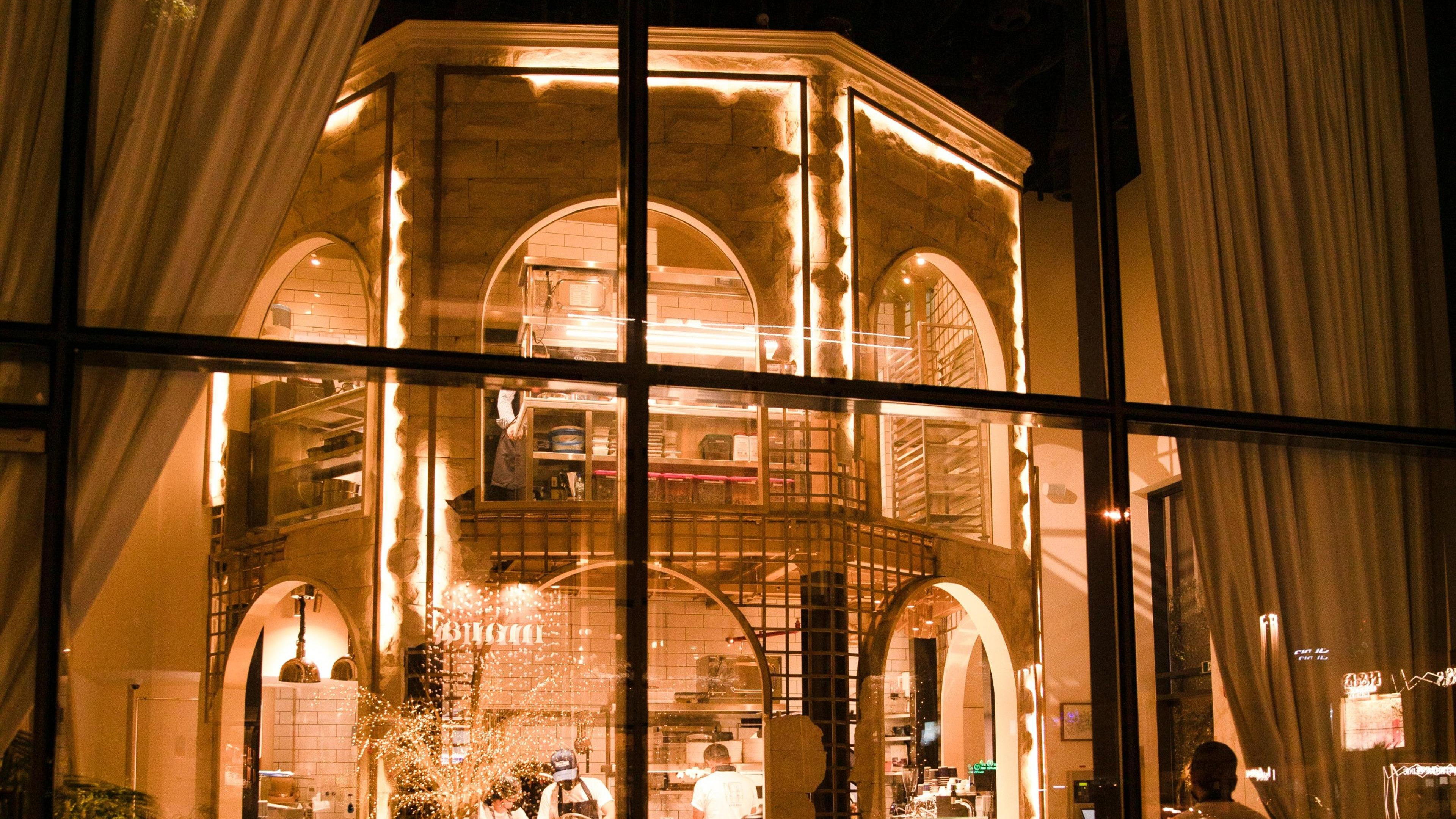
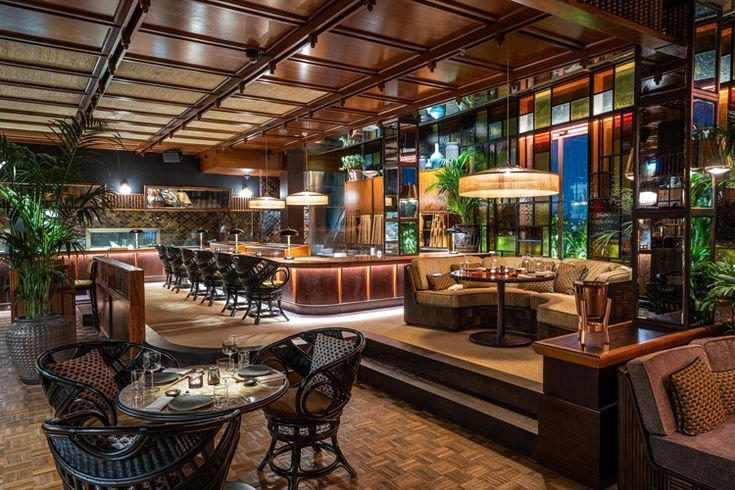
Minimalist chic decor with modern functional design and lively atmosphere from upbeat music.