Kinoya




Michelin Bib Gourmand · World's 50 Best #2 · Gault & Millau UAE Selected Restaurant
Our verdict
Kinoya is an izakaya in Dubai's Greens neighbourhood, awarded a Michelin Bib Gourmand in 2025 and ranked third in the World's 50 Best Restaurants MENA list for 2024. Five ramen varieties anchor a menu that extends to sushi, sashimi, robata, and tempura. Counter seats offer a direct view of the kitchen and should be reserved in advance.

Pearl is the En Primeur Club membership app — saves, bookings, and concierge access live there. Same editors, same standards.
- Address
- The Onyx Tower 2 - Floor P2 - Dubai - United Arab Emirates
- Phone
- +971 4 220 2920
- Hours
- Mon ClosedTue–Sun 12–11:30 PM
- Website
- kinoya.com
- Directions
- Get directions
The menu
What to order
- Spicy miso ramen
- Wagyu tsukune
- Beef gyoza
- Butter burnt scallops
Where the Greens Gets Its Ramen Right
Dubai's Japanese dining scene has fractured into distinct tiers. At the leading sit the theatrical, expense-account rooms: places like Hōseki, TakaHisa, and the long-established Nobu Dubai, where the cover charge alone signals the register you're operating in. Further down, there's a crowded middle of pan-Asian fusion rooms chasing the same buzzy, see-and-be-seen format that Sexy Fish and its peers have refined into a reliable template. Kinoya sits in neither of those camps. It occupies the lower basement of The Onyx Tower 2 in The Greens, a residential district where the audience is local professionals and long-term residents rather than first-night visitors on a hotel concierge's recommendation. The price point is low, the room is lively, and the credentials — a 2025 Michelin Bib Gourmand and a third-place ranking in the World's 50 Best Restaurants MENA 2024 list — are the kind that attract diners who know what those awards actually measure.
The Izakaya Format and What It Demands
The izakaya is one of Japanese food culture's more portable formats, but it travels badly when the underlying discipline doesn't follow. In Tokyo or Osaka, an izakaya earns its rhythm through pacing: small plates arrive in a sequence that matches the drinking tempo, with neither kitchen nor diner rushing the other. The leading rooms in Japan, from the high-kaiseki tradition documented at places like Isshisoden Nakamura in Kyoto or Kagurazaka Ishikawa in Tokyo, down to the counter-seat ramen shops of Myojaku, share a quality of intentionality: each element of the meal has a place and a purpose. That standard is harder to maintain when the format is exported, because the surrounding context, the cultural expectation, the seasonal ingredient network, the trained-from-childhood understanding of when a dish is ready, doesn't always come with it.
Kinoya's Michelin recognition specifically acknowledges what the Bib Gourmand is designed to reward: quality cooking at accessible prices, without the theatre of a tasting menu or the cost of a premium room. The designation sits below the star tier but it is not a consolation prize. In the Bib Gourmand's original Parisian context and in its Dubai application, it marks restaurants where the cooking is careful, the sourcing is considered, and the price-to-quality ratio rewards the diner rather than the operator. For a Dubai restaurant in a residential rather than hotel or mall address, that recognition carries particular weight.
The Menu: Ramen as the Foundation
Five ramen dishes form the structural core of the menu. This is a deliberate editorial choice by the kitchen rather than a constraint. Ramen is one of Japan's most technically demanding formats: the broth requires long preparation, the noodle texture must be calibrated against cook time, and the toppings need to arrive at precise temperatures to interact correctly with the bowl. Restaurants that treat ramen as a secondary item, a filler alongside the robata and the sushi, rarely do it well. Making it the anchor of the menu signals a different set of priorities. The remaining dishes, sushi, sashimi, robata grilling, and tempura, read as a considered izakaya range rather than an attempt to cover every Japanese category. The Michelin guide's citation notes that ingredients are of good quality and cooking is careful, which, in the context of a low price-point restaurant, indicates consistent sourcing discipline rather than occasional premium product.
The ramen tradition Kinoya draws from has a lineage that connects to chef Neha Misra's earlier Dubai project: a supper club called A Story of Food, run from her home, that was consistently sold out and built the audience that followed her into the restaurant format. The transition from a sold-out home supper club to a Michelin-recognised restaurant inside two years is a compressed arc, but it reflects a pattern common in Dubai's independent dining scene, where word-of-mouth among the expatriate professional community can build a reservation list faster than conventional marketing. Kinoya is now managed under the operational leadership of chef Biljana Milina, and the kitchen's direction has maintained the positioning that earned the early recognition.
Counter Seats and the Geometry of the Kitchen
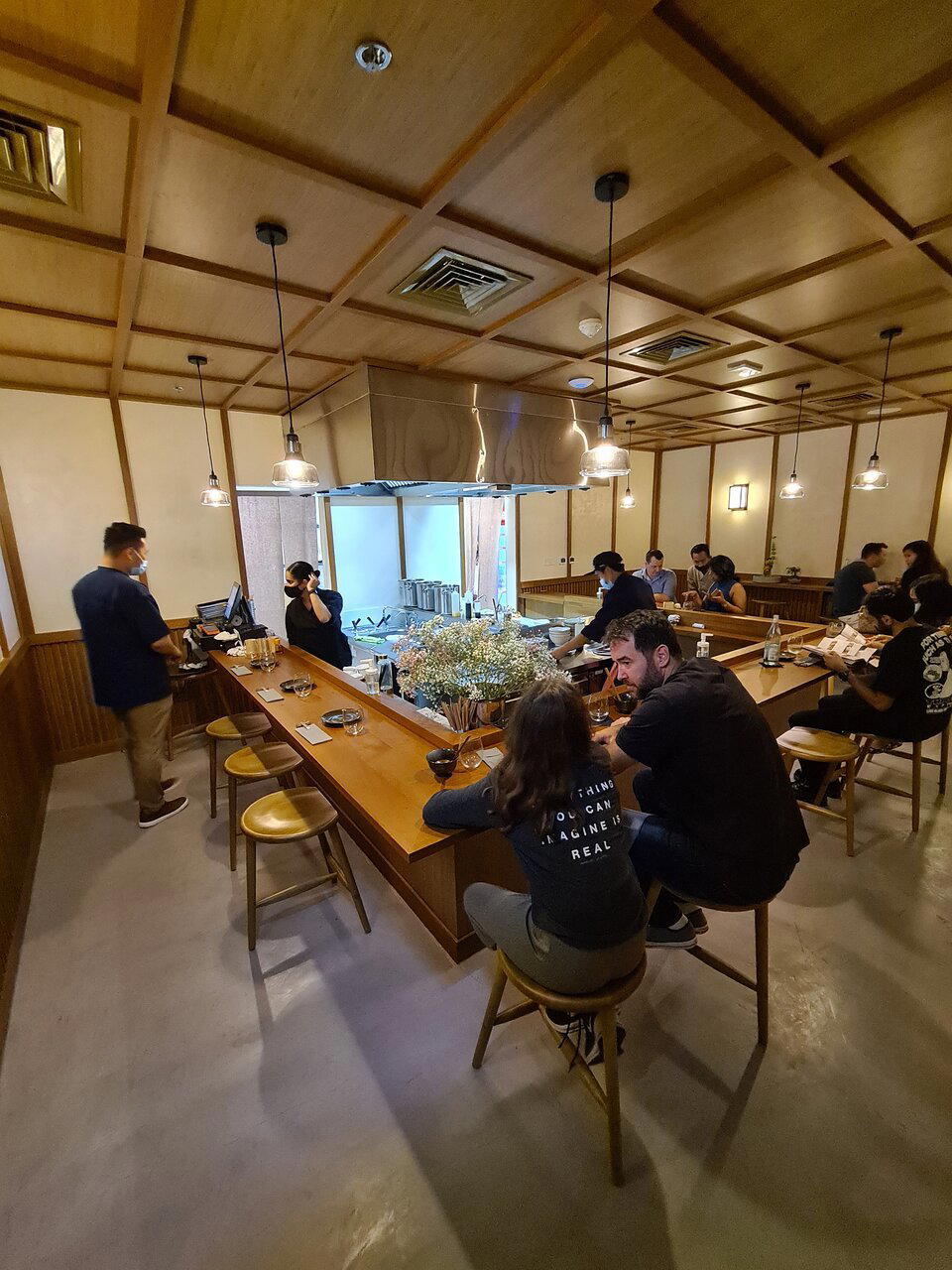
The counter is the most direct way to engage with what a kitchen is doing, and at Kinoya it is the specific recommendation in the Michelin citation. Booking counter seats in advance is the logistical priority for a first visit, both because demand is high relative to the number of seats available and because it places the diner in the position of observer rather than audience. Watching the preparation of ramen broth, the assembly of a robata order, or the cutting of sashimi at close range changes the experience of eating those dishes. It is a form of disclosure that the leading Japanese kitchens use deliberately, and it connects to a wider principle in Japanese dining culture: the chef's process is not concealed but presented, and the diner's attentiveness is part of the transaction.
This approach to the counter as a feature rather than an overflow option is characteristic of the format at the more intensive end of Japanese dining, the omakase counters of Azabu Kadowaki or Ginza Fukuju in Tokyo carry it to its extreme, but it operates at every price tier where the kitchen is confident enough to be watched. At Kinoya's price point, that confidence is part of what the Bib Gourmand is recording.
Dubai's Ramen Tier and Kinoya's Position in It
Dubai has a specific ramen reference point in Konjiki Hototogisu, which transplanted a Tokyo-originating bowl to the city and maintained the standard that earned it recognition in Japan. These two venues occupy different niches. Konjiki Hototogisu is ramen as a specialist single-format operation; Kinoya is ramen as the anchor of a broader izakaya offer. Neither approach is inferior, but they answer different questions about what kind of evening the diner is planning. For the full izakaya experience, multiple small plates, robata, shared dishes, a bowl of ramen to close, Kinoya's format is the more complete answer. For a focused, single-dish encounter with ramen as its own subject, the specialist model suits better.
In the wider MENA dining context, Kinoya's third-place ranking in the World's 50 Best MENA 2024 list places it alongside a cohort that includes Erth in Abu Dhabi, a restaurant that similarly built its recognition on specific culinary identity rather than scale or spectacle. The regional list rewards that kind of precision, and Kinoya's position on it signals that the MENA dining audience now has sufficient exposure to Japanese food culture to distinguish between a well-executed izakaya and a generic Japanese menu.
For readers building a broader view of the city's dining range, the full Dubai restaurants guide maps the competitive set in more detail. For the rest of a Dubai visit, the hotels guide, bars guide, wineries guide, and experiences guide cover the remaining categories. For context on the upper register of Japanese dining in Japan itself, the kaiseki rooms of Kashiwaya Osaka Senriyama and Gion Matayoshi in Kyoto represent the formal end of a tradition that Kinoya draws from at the informal end.
Planning Your Visit
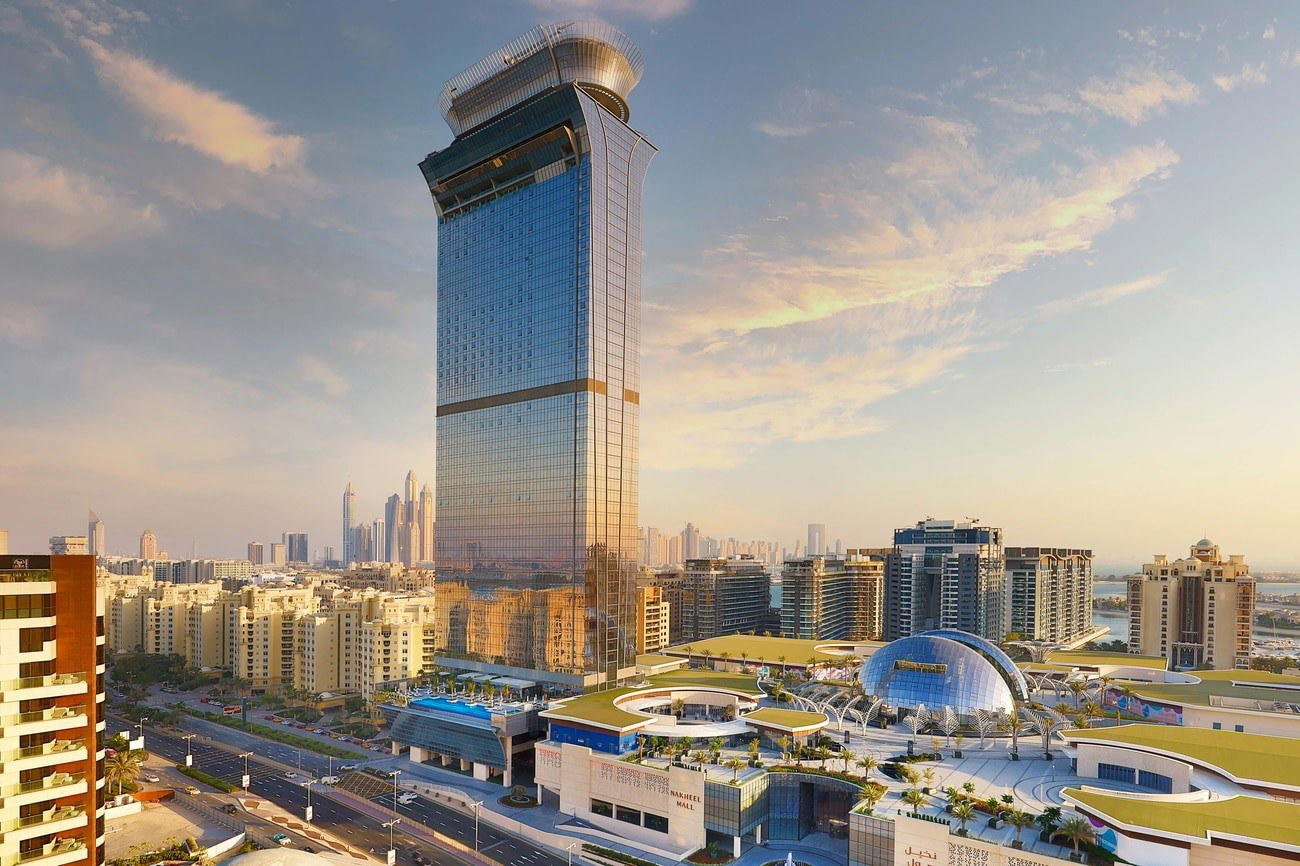
Kinoya is located in The Onyx Tower 2, floor P2, in The Greens, Dubai. The address is residential rather than central, which keeps the room's atmosphere focused on the food and the regulars rather than passing hotel trade. The price range sits at the accessible end of Dubai dining, consistent with the Bib Gourmand designation and the izakaya format's democratic pricing tradition. Counter seats require advance booking and fill ahead of standard table availability; securing them at the time of reservation is the single most important logistical step.
Frequently asked questions
What should I order at Kinoya?
The ramen is the structural centre of what Kinoya does, and the Michelin Bib Gourmand citation specifically references the five ramen dishes as the foundation of the menu. The broader Japanese range, sushi, sashimi, robata, tempura, rounds out an izakaya visit, and the Michelin guide notes that ingredients are of good quality across the menu. For context, Kinoya ranked third in the World's 50 Best Restaurants MENA 2024, which validates the kitchen's range beyond the ramen alone. If you are visiting once, build the meal around one of the ramen bowls and supplement with robata dishes.
How do I book Kinoya?
Kinoya is in The Greens, a residential district, which means walk-in availability is generally lower than at hotel-based restaurants where demand is spread across a wider, less predictable audience. For a Michelin Bib Gourmand restaurant at a low price point in Dubai, a combination that keeps tables in demand, advance booking is the practical approach. Counter seats in particular should be requested at the time of booking, as the Michelin guide specifically recommends them for watching the kitchen at work. The restaurant is part of the World's 50 Best MENA 2024 leading three, so expect demand to reflect that recognition, particularly on weekend evenings.
Reputation First
A quick peer list to put this venue’s basics in context.
| Venue | Cuisine | Price | Awards | Notes |
|---|---|---|---|---|
| KinoyaThis venue — the venue you are viewing | Authentic Japanese Izakaya | $20–30 | Michelin Bib Gourmand · World's 50 Best #2 | Not listed |
| 11 Woodfire | Modern Woodfire Grill | $150–200 | 1 Michelin Star · World's 50 Best #14 | Modern Cuisine |
| Avatara Restaurant | Modern Vegetarian Indian Fine Dining | Not listed | 1 Michelin Star · Gault & Millau UAE Selected Restaurant | Indian |
| Al Mahara | Modern Italian Seafood | $300–500 | Michelin Plate · World's 50 Best #31 | Seafood |
| Zuma | Modern Japanese Izakaya | $150–200 | Michelin Plate · World's 50 Best #34 | Japanese - Asian, Japanese, Japanese Contemporary |
| City Social | Modern European with Japanese influences | $150–200 | Michelin Plate · Star Wine List | Modern British, Modern Cuisine |
Recognition history
Dated appearances from independent guides and award organizations, with the underlying list record or original source where available.
Michelin Bib Gourmand
Michelin
World's 50 Best MENA's Best Restaurants #2
World's 50 Best
Gault & Millau UAE Selected Restaurant
Gault & Millau · Gault & Millau UAE 2026 - Selected Restaurant
Opinionated About Dining Top Restaurants in Asia Recommended
Opinionated About Dining
Full recognition history (6 entries)
World's 50 Best MENA's Best Restaurants #3
World's 50 Best
Michelin Bib Gourmand
Michelin


Details
- Lively
- Trendy
- Intimate
- Modern
- Casual Hangout
- Date Night
- After Work
- Group Dining
- Open Kitchen
- Chefs Counter
- Sake Program
- Craft Cocktails
- A La Carte
- Small Plates
- Counter Dining
- Beer Program
- Sake Program
- Vegetarian Friendly
Current opening hours
- Monday
- Closed
- Tuesday
- 12–11:30 PM
- Wednesday
- 12–11:30 PM
- Thursday
- 12–11:30 PM
- Friday
- 12–11:30 PM
- Saturday
- 12–11:30 PM
- Sunday
- 12–11:30 PM
Hours can change for holidays and private events. Last verified .
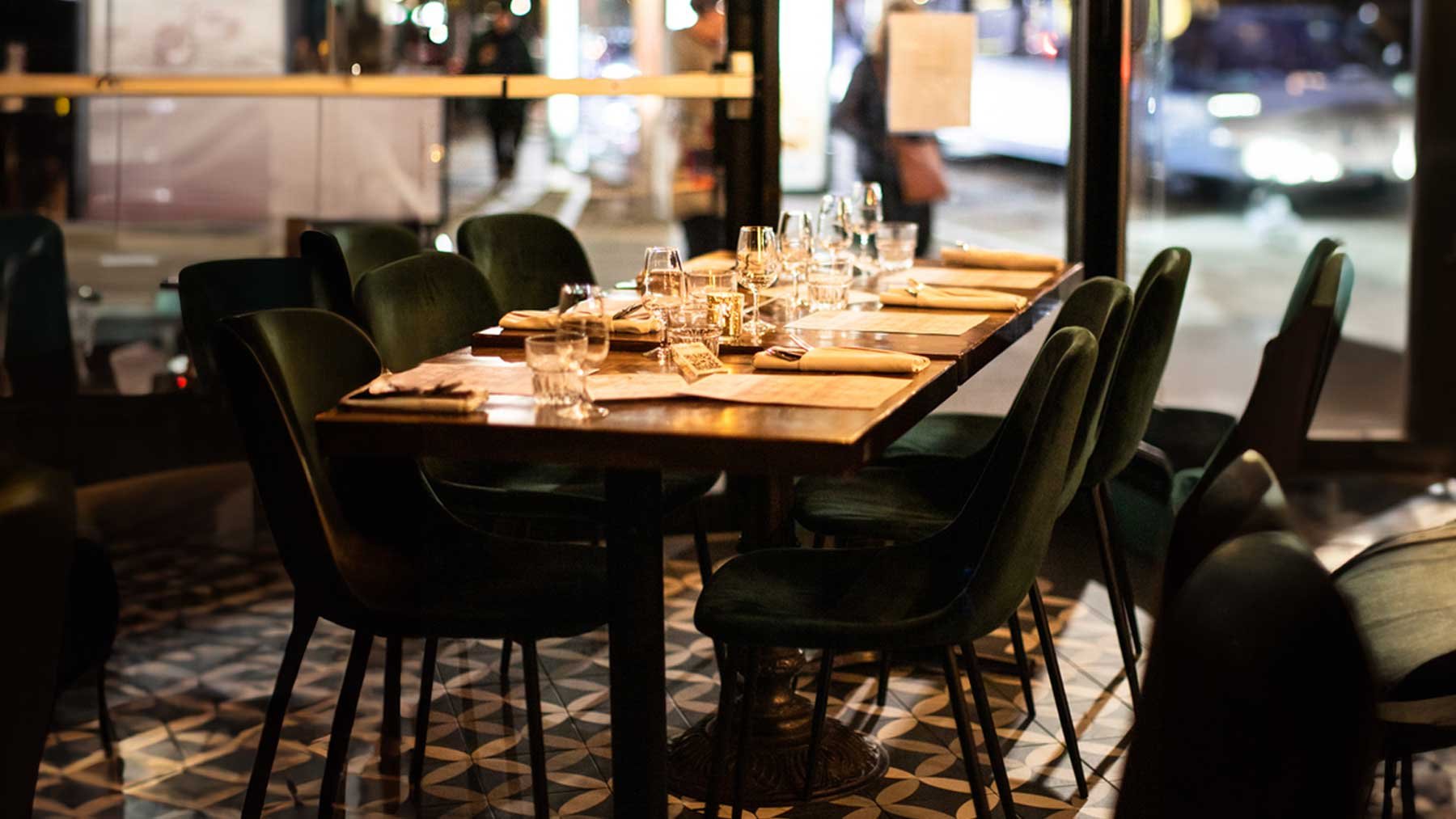
Busy, casual Japanese izakaya atmosphere with lively energy, traditional elements like counter seating without shoes, and a comfortable neighborhood vibe.