Konjiki Hototogisu

Michelin Bib Gourmand
Our verdict
Konjiki Hototogisu brings the Tokyo ramen format that earned two consecutive Michelin Bib Gourmand recognitions (2024 and 2025) to Mall of the Emirates in Dubai. Chef Atsushi Yamamoto's kitchen sits in a price bracket that puts serious Japanese craft within reach of a broad audience,000 reviews suggests the execution holds up under volume. For Dubai's growing Japanese dining circuit, it is a useful data point.

Pearl is the En Primeur Club membership app — saves, bookings, and concierge access live there. Same editors, same standards.
- Address
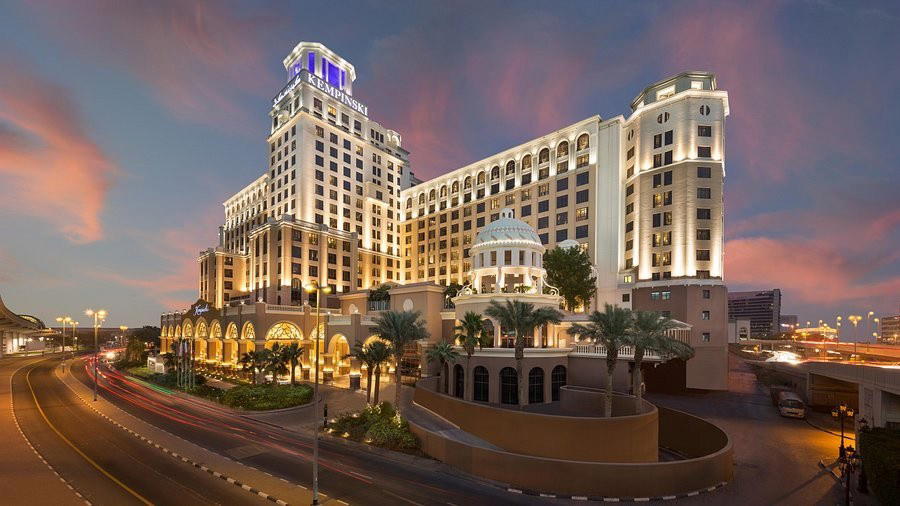
- near CB2، Mall of the Emirates - Level 2 - Al Barsha First - Al Barsha - Dubai - United Arab Emirates
- Phone
- +971 4 227 6811
- Hours
- Daily 11 AM–12 AM
- Website
- konjiki.ae
- Directions
- Get directions
- Booking
- Book on the venue's website
The menu
What to order
- Shoyu Ramen
- Shio Ramen
- Spicy Chicken Ramen
- Matcha Mochi
Where the Bib Gourmand Lands in Dubai
Mall of the Emirates is not where most critics expect to find two consecutive Michelin Bib Gourmand awards. The format, a mall-level address on the second floor of Al Barsha First, signals accessible dining rather than destination dining. The Bib Gourmand is not a consolation prize; Michelin awards it specifically for kitchens delivering cooking worth seeking out at a price point below the starred tier. In Dubai's 2024 and 2025 guides, this kitchen cleared that bar twice.
Dubai's Japanese restaurant scene has expanded quickly, but it has not expanded evenly. The upper end runs from omakase counters to large-format modern Japanese rooms at the level of Zuma or the hyper-stylised format of Sexy Fish. More precise Japanese cooking, the kind oriented around a single discipline rather than a broad menu, sits in a smaller cohort. Kinoya occupies the izakaya end of that cohort. Hōseki sits at the rarefied counter end. Konjiki Hototogisu fills a different position: a ramen-specialist format with documented Michelin recognition, at a price point the dollar sign rating confirms is genuinely accessible.
The Ramen Discipline and What It Requires
Ramen in Tokyo operates as a serious competitive field. The original Konjiki Hototogisu location in Shinjuku was among the first ramen shops in the world to receive a Michelin star, a recognition that shifted how the guide and much of the global dining industry thought about noodle formats. That context matters when reading the Dubai kitchen's double Bib Gourmand. The lineage is not incidental. Chef Atsushi Yamamoto carries forward a format with verifiable Tokyo provenance, and the Michelin assessors in Dubai have now confirmed, across two separate annual guides, that the output merits inclusion.
What distinguishes the Konjiki Hototogisu style within the ramen category is the use of clam broth alongside more conventional chicken and pork bases. This approach, developed at the Tokyo original, produces a lighter, more mineral quality than tonkotsu-heavy formats. The pairing implications matter: a broth with shellfish sweetness and lower fat content sits differently alongside sake than a rich pork-fat bowl. Lighter junmai or junmai ginjo styles, which tend toward clean rice character and moderate acidity, align more naturally with the clam-inflected broth than the full-bodied, aged sake profiles that pair better with richer animal fat. That structural detail is worth keeping in mind when reading a drinks list, if one is available at table.
The Beverage Angle in a Ramen Specialist Context
Sake pairing with ramen is not a format that has received the same editorial attention as sake alongside kaiseki or omakase. That neglect is partly institutional: ramen's low price point has historically made it a beer-and-noodles conversation rather than a sake conversation. But the format is changing. In Tokyo, specialist ramen shops have begun offering curated sake pairings that treat the broth as seriously as a wine-friendly sauce. A clam and chicken broth in the Konjiki style, with its umami depth and restrained fat, is a logical candidate for junmai or nigori pairings that won't overwhelm the delicacy of the soup.
For Dubai diners who arrive from properties across the city, including those staying at hotels covered in our full Dubai hotels guide, the beverage question may resolve practically: the UAE's licensing framework shapes what any given restaurant can serve. What is worth knowing is that the broth character here belongs to a pairing tradition that rewards experimentation with lighter sake where available, and that the single-dollar price point leaves room in the evening's budget to explore the drinks list more freely than at TakaHisa or Nobu Dubai.
At that volume, the aggregate reflects consistent execution rather than a good run of recent evenings. For a ramen counter operating in a mall environment with presumably high turnover, maintaining that average suggests the kitchen has solved the operational problem that undoes many high-volume Japanese formats: consistency under pressure. The comparable review data for Dubai Japanese restaurants at higher price points tends to show higher variance, which is partly a function of expectation management and partly kitchen pressure at different service formats.
The 4.8 figure also does useful positioning work. It places Konjiki Hototogisu alongside, not below, kitchens operating at several multiples of its price point. That is not an argument that the experiences are equivalent. It is an argument that the value-for-quality calculation here is doing something the starred tier cannot replicate, and that Michelin's Bib Gourmand framework, designed precisely for that calculation, is correctly applied.
How It Fits the Dubai Japanese Scene
The Japanese dining circuit in Dubai has matured to the point where it supports genuine range across format, price, and register. At the high end, Hōseki occupies the precision counter position. At the accessible end, Kinoya handles the izakaya register. Konjiki Hototogisu anchors the specialist single-discipline position at the accessible price tier, with Michelin backing that distinguishes it from the broader field of mall-level Japanese options.
For travellers who want to map Dubai's Japanese options against equivalent experiences in Japan, the reference points are instructive. Ramen at the Michelin-recognised level in Tokyo, covered in venues like Myojaku, operates within a competitive ecosystem where dozens of shops hold or have held Michelin attention. The Dubai version of that ecosystem is smaller, but it is no longer nascent. The Bib Gourmand acknowledgment here, alongside the starred recognitions going to kitchens across formats, confirms that Michelin is assessing Dubai Japanese dining with the same category seriousness applied to Azabu Kadowaki or Kagurazaka Ishikawa in Tokyo, and to kaiseki specialists like Isshisoden Nakamura or Gion Matayoshi in Kyoto.
For broader regional context, the GCC dining scene increasingly supports this kind of format-specific Japanese export. Erth in Abu Dhabi represents the parallel movement of serious regional dining across the Emirates, and the audience travelling between Dubai and Abu Dhabi is the same audience discovering that accessible format excellence is now geographically distributed in ways that would have surprised observers a decade ago.
Planning a Visit
Konjiki Hototogisu is located on Level 2 of Mall of the Emirates in Al Barsha, a location that makes it accessible from the Mall of the Emirates Metro station on the Red Line, removing the parking calculation from the equation entirely. The single-dollar price indicator confirms this is a cash-friendly meal rather than an expense-account one; arriving without a reservation may be viable given the format, though demand at a twice-Bib-Gourmand kitchen warrants checking ahead. For the full scope of what Dubai's dining scene offers across all price points and cuisines, our full Dubai restaurants guide maps the broader field, alongside our full Dubai bars guide, our full Dubai wineries guide, and our full Dubai experiences guide for the wider visit.
What Should I Eat at Konjiki Hototogisu?
The kitchen's identity is built around Chef Atsushi Yamamoto's ramen format, which carries the hallmark of the Tokyo original: a broth that incorporates clam alongside chicken and pork elements, producing a soup with more mineral lift and less overt fat than tonkotsu-dominant styles. That broth character is the defining feature of the menu. The Michelin Bib Gourmand (2024 and 2025) recognitions validate the approach at a format level rather than pointing to individual dishes. Given the accessible price point, the practical recommendation is to order the core ramen and let the broth do the work of explaining why the recognition is consistent.
Comparison Snapshot
| Venue | Cuisine | Price | Awards | Notes |
|---|---|---|---|---|
| Konjiki HototogisuThis venue — the venue you are viewing | Authentic Japanese Ramen | $30–50 | Michelin Bib Gourmand | Not listed |
| 11 Woodfire | Modern Woodfire Grill | $150–200 | 1 Michelin Star · World's 50 Best #14 | Modern Cuisine |
| Avatara Restaurant | Modern Vegetarian Indian Fine Dining | Not listed | 1 Michelin Star · Gault & Millau UAE Selected Restaurant | Indian |
| Al Mahara | Modern Italian Seafood | $300–500 | Michelin Plate · World's 50 Best #31 | Seafood |
| Zuma | Modern Japanese Izakaya | $150–200 | Michelin Plate · World's 50 Best #34 | Japanese - Asian, Japanese, Japanese Contemporary |
| City Social | Modern European with Japanese influences | $150–200 | Michelin Plate · Star Wine List | Not listed |
Recognition history
Dated appearances from independent guides and award organizations, with the underlying list record or original source where available.
Michelin Bib Gourmand
Michelin
Full recognition history (2 entries)
Michelin Bib Gourmand
Michelin

Details
- Modern
- Cozy
- Trendy
- Family
- Group Dining
- Casual Hangout
- Date Night
- Open Kitchen
- Sake Program
- A La Carte
- Vegetarian Friendly
Current opening hours
- Monday
- 11 AM–12 AM
- Tuesday
- 11 AM–12 AM
- Wednesday
- 11 AM–12 AM
- Thursday
- 11 AM–12 AM
- Friday
- 11 AM–12 AM
- Saturday
- 11 AM–12 AM
- Sunday
- 11 AM–12 AM
Hours can change for holidays and private events. Last verified .
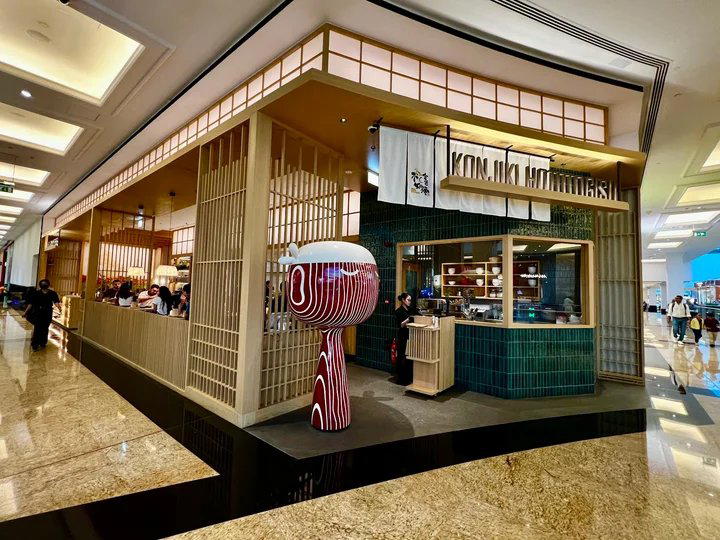
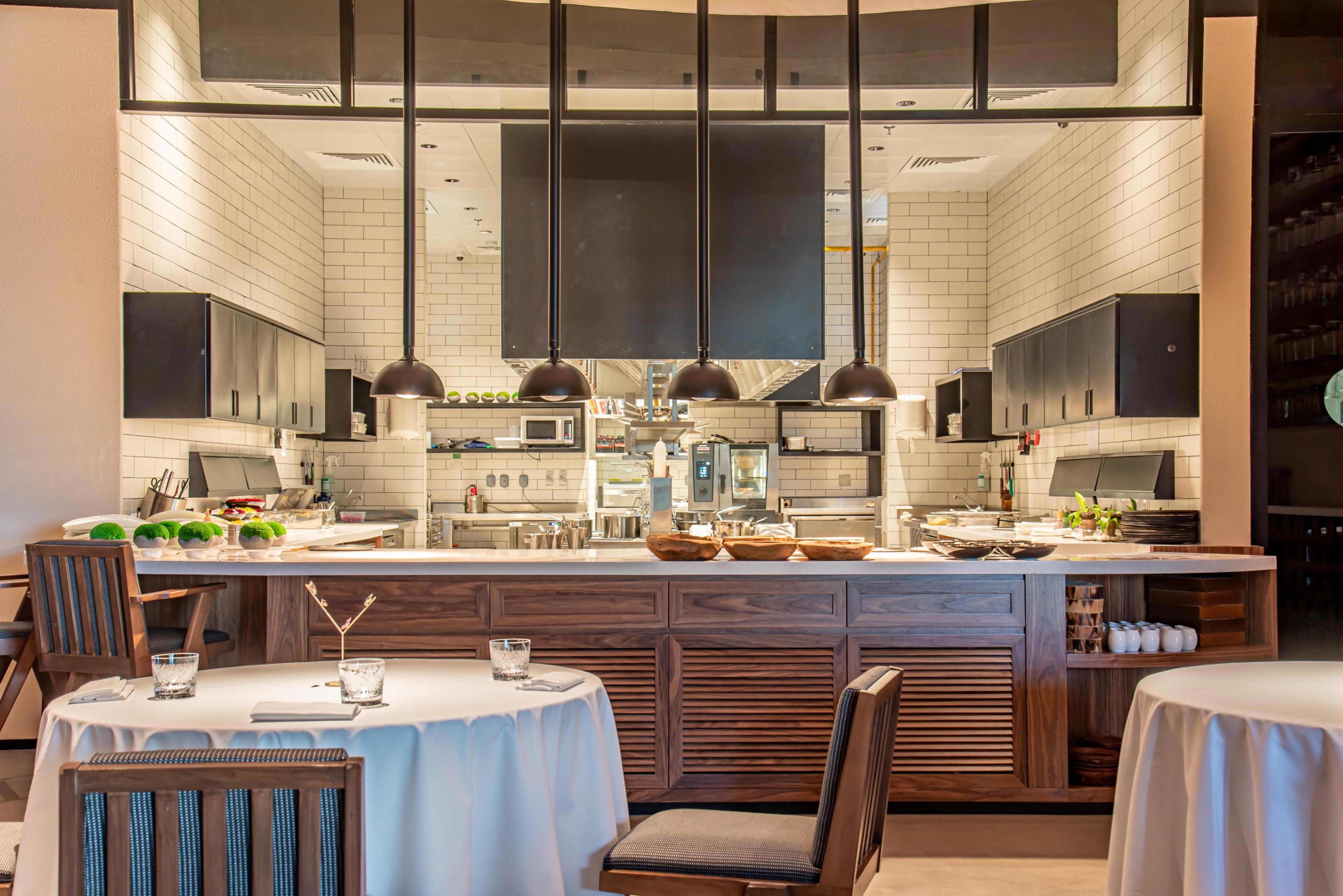
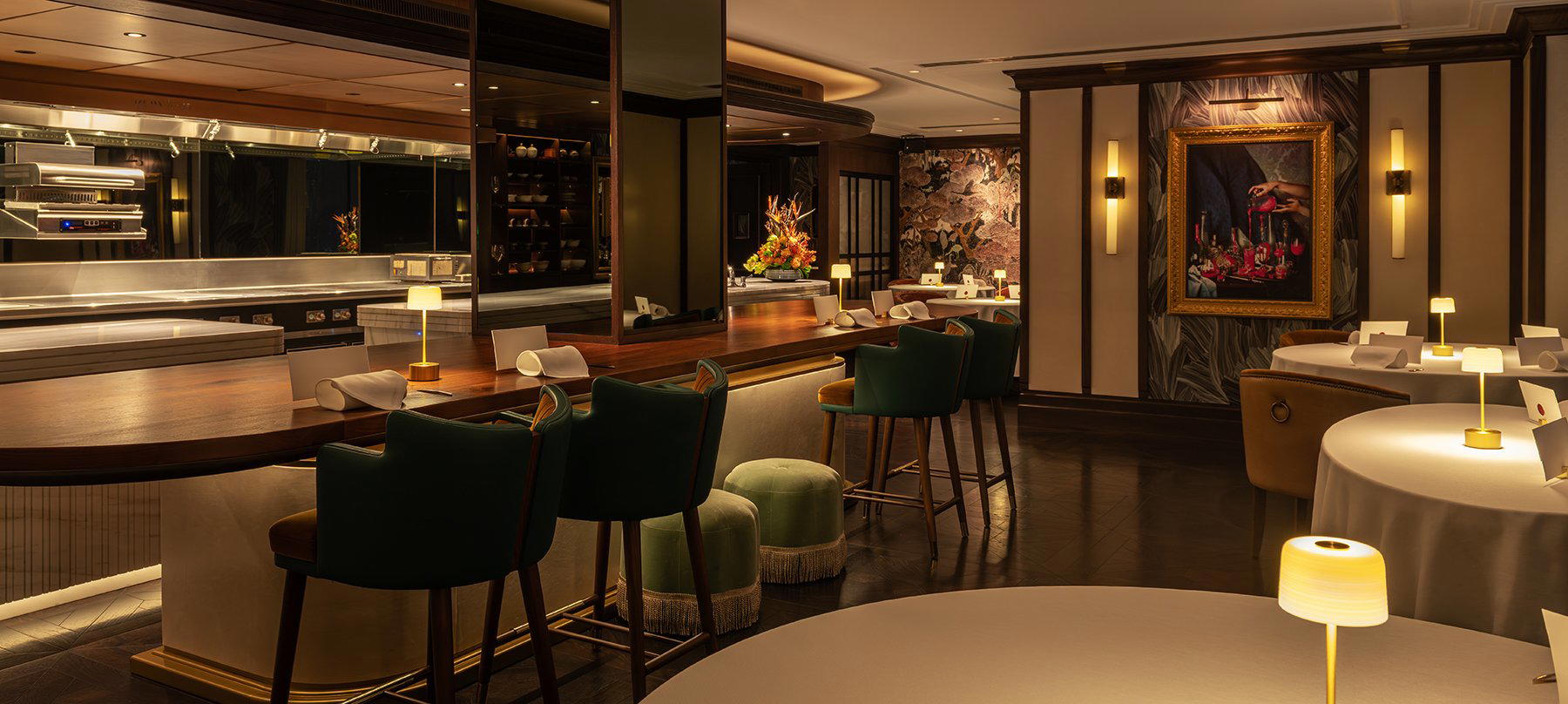
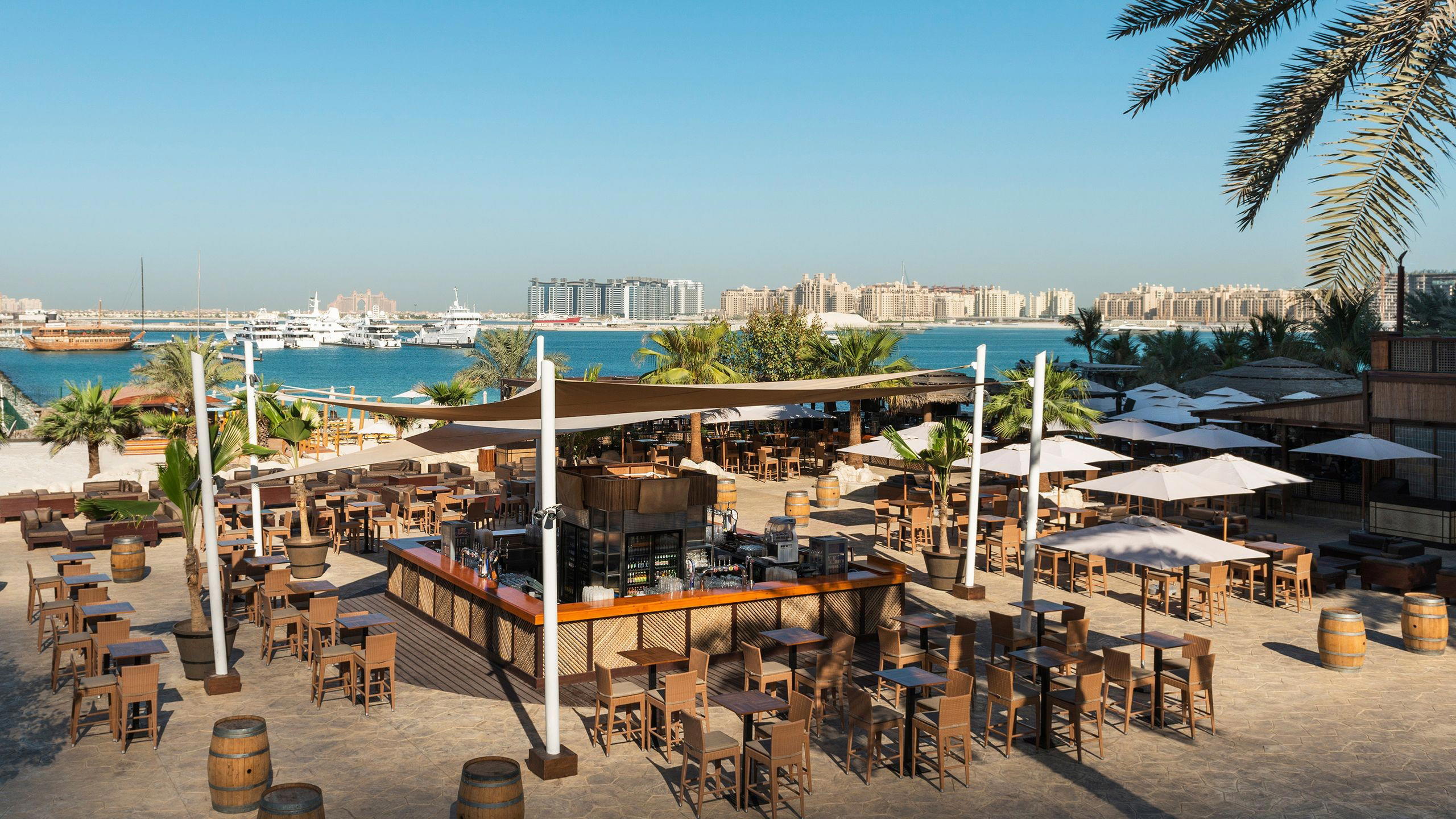
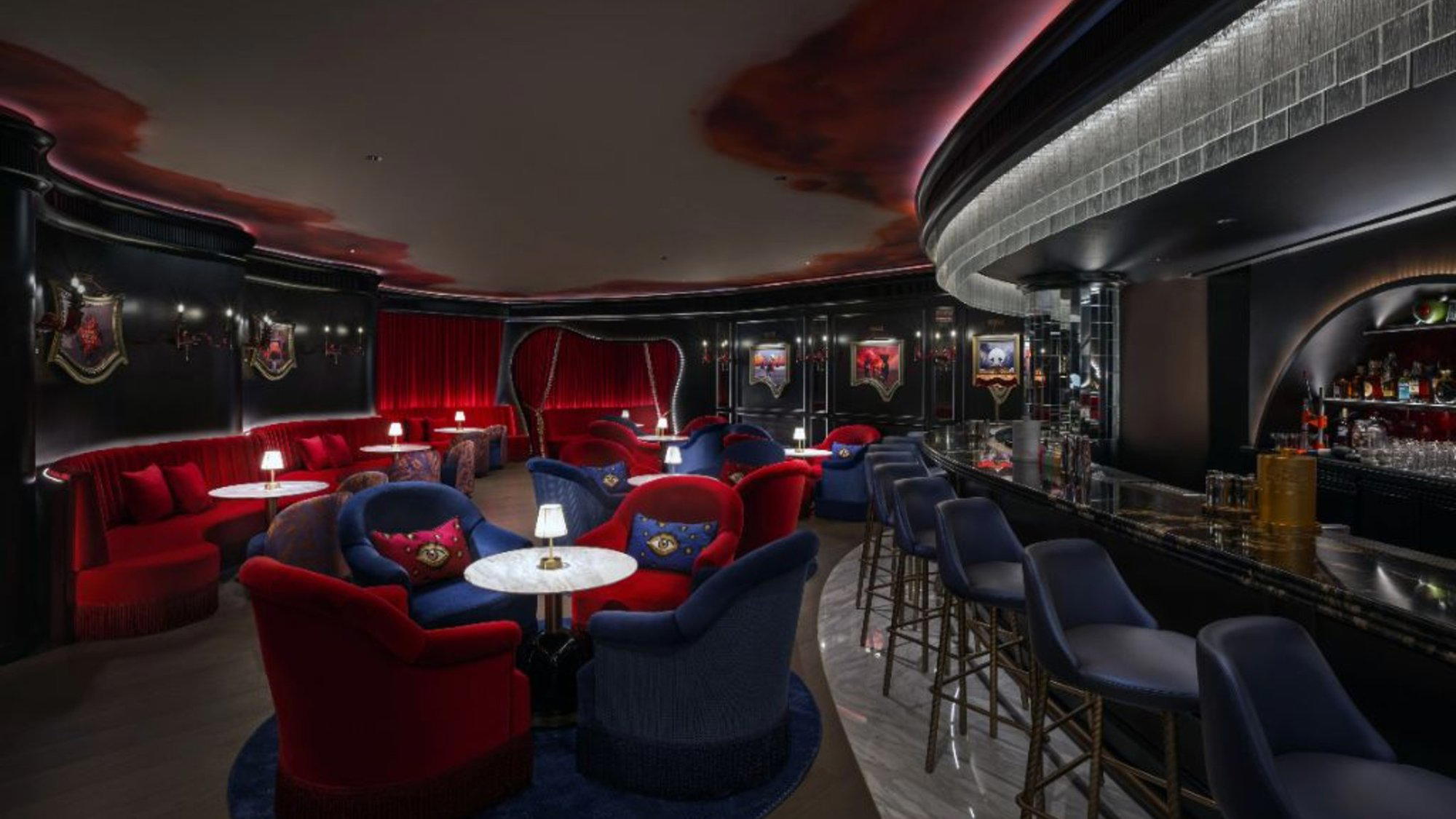
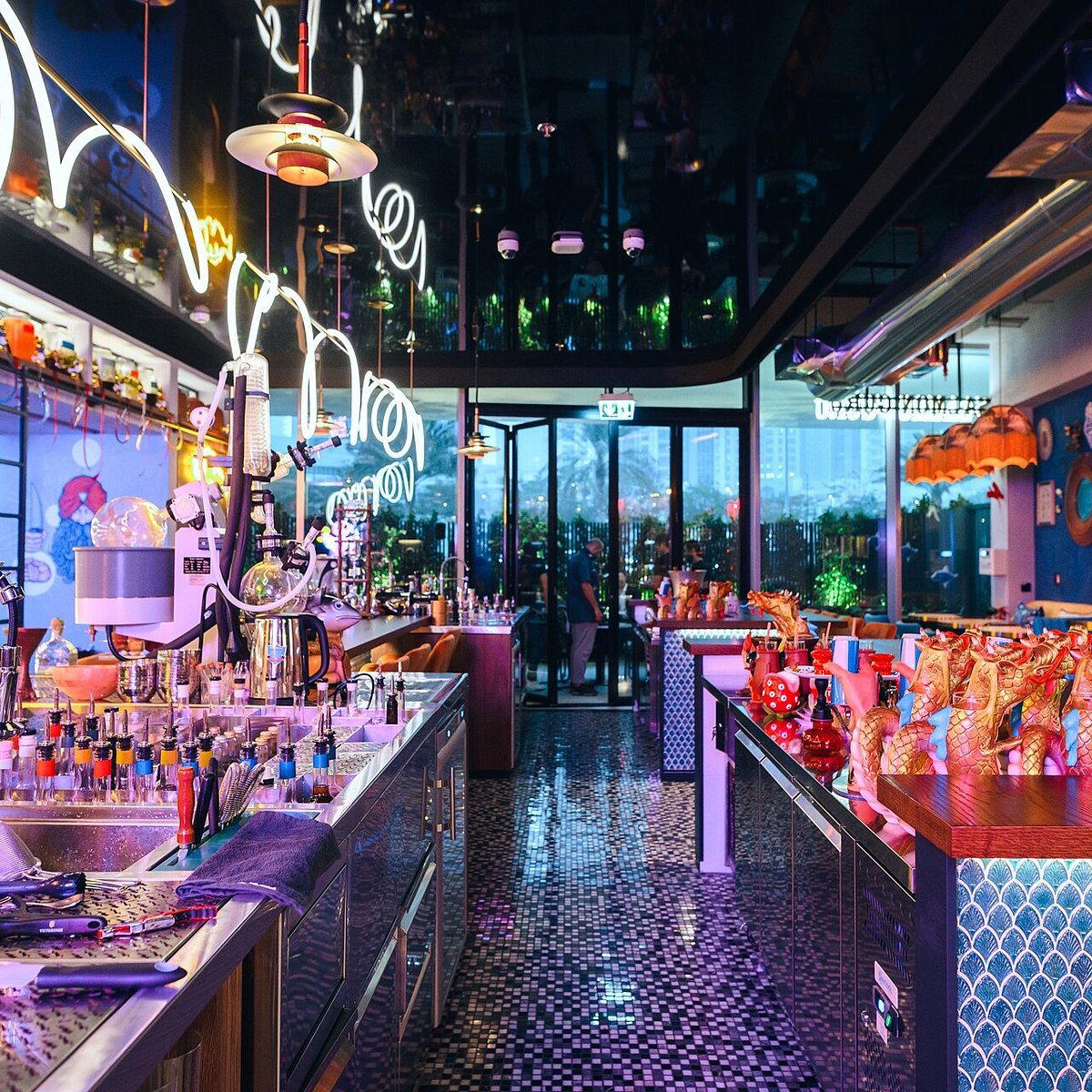
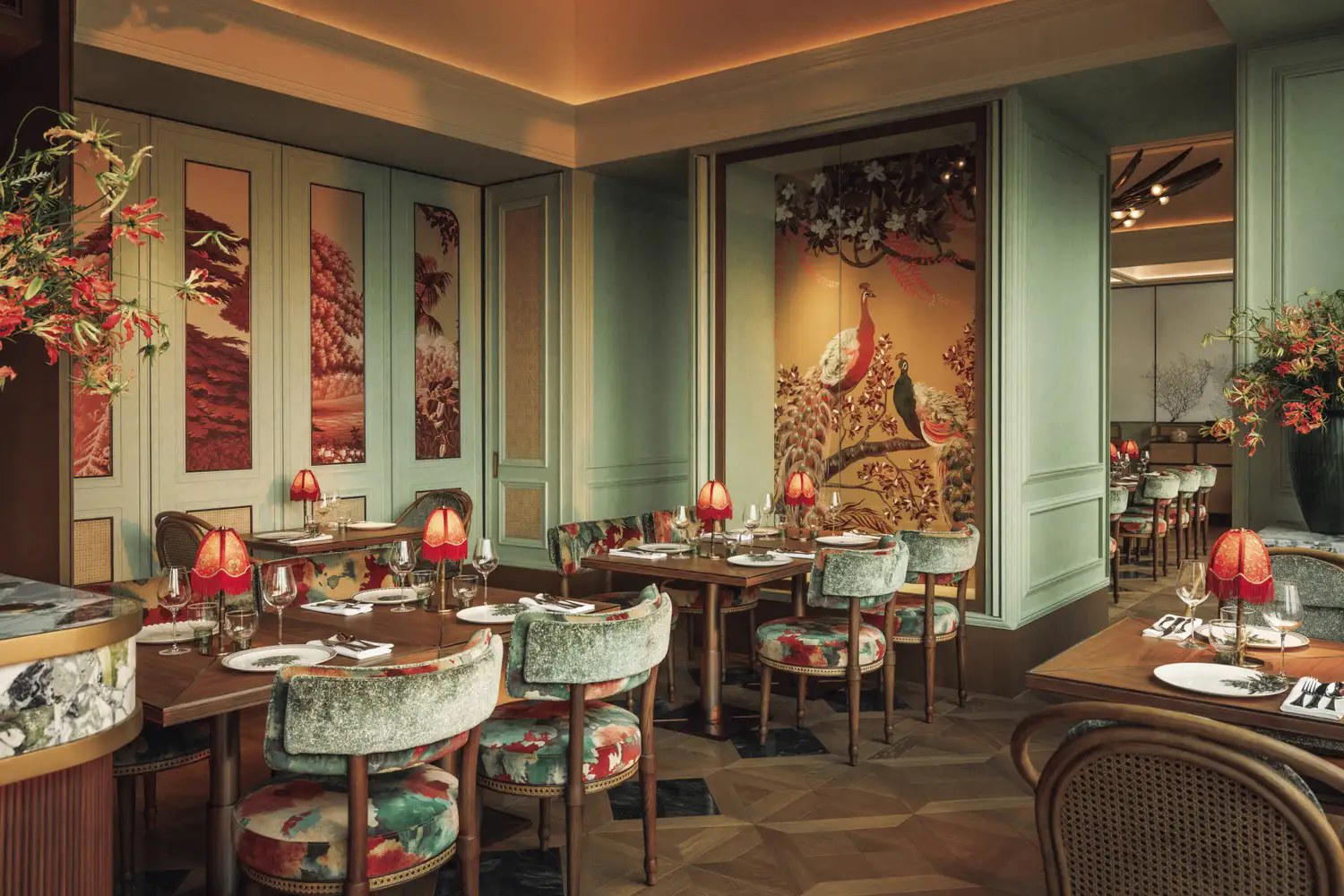
Modern yet cozy atmosphere with calming, welcoming vibes and open kitchen views.