
Inside Kyoto Station’s Shinkansen concourse, Hosen JR shinkansen kyoto eki ten puts Kyoto wagashi into a transit setting without stripping it of credibility. Its Tabelog 100 selection for Japanese traditional sweets and sweets-cafe category in West Japan gives the counter more weight than the average station sweet stop, especially for travelers who want a compact Kyoto purchase before boarding.
Pearl is the En Primeur Club membership app — saves, bookings, and concierge access live there. Same editors, same standards.
- Address
- Japan, 〒600-8214 Kyoto, Shimogyo Ward, Higashishiokoji Takakuracho, 8-3 JR京都駅新幹線構内 2階
- Phone
- +81 75-693-9103
- Website
- housendo.com
 Saves & bookings on Pearl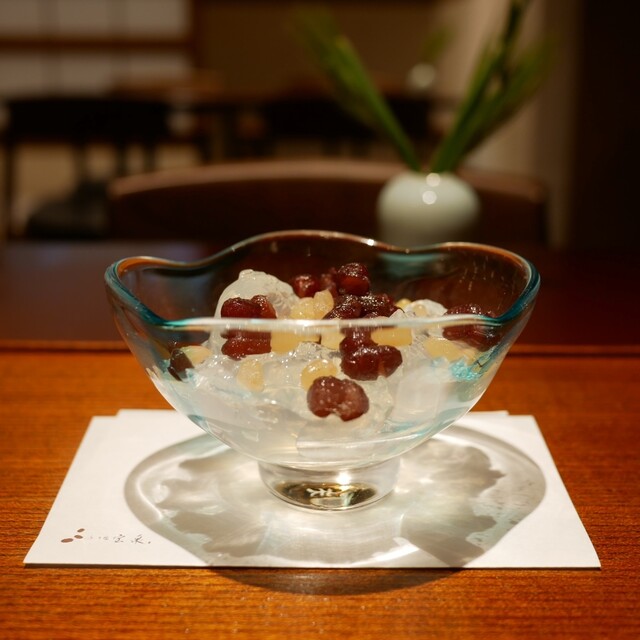
Kyoto Station is not a gentle introduction to the city. The Shinkansen side runs on clipped announcements, rolling suitcases, platform clocks and the small panic of passengers calculating carriage numbers. Against that tempo, Japanese sweets take on a different role: less tea-room ceremony, more edible shorthand for place. Hosen JR shinkansen kyoto eki ten belongs to that category of station food that has to move quickly while carrying enough Kyoto identity to justify space in a traveler’s bag.
That matters in a city where wagashi is often framed through tatami rooms, seasonal motifs and formal tea culture. Station retail compresses the same tradition into a purchase that can survive a train ride. The value proposition is not ceremony; it is access. A traveler can leave Kyoto with a credible wagashi reference without building an afternoon around a sweets salon. For a wider look at the city’s dining range, start with Our full Kyoto restaurants guide, then separate transit convenience from destination dining with a harder eye.
Kyoto wagashi, reduced to transit speed
Wagashi in Kyoto carries heavy cultural freight. The form sits close to tea practice, temple seasons and gift etiquette, but the modern traveler often meets it in department-store basements and rail stations. That shift is not a dilution by default. It asks a different question: which shops can keep enough craft signal when the context is fluorescent, fast and practical?
Hosen JR shinkansen kyoto eki ten has one useful credential in that argument: selection for Tabelog 100 in the Japanese traditional sweets and Japanese sweets cafe category for West Japan in 2023, with additional sweets-category selections listed across earlier years. Tabelog recognition is not the same kind of signal as a Michelin star, but in Japan’s sweets world it functions as a serious consumer-facing marker. It places the shop in a narrower group than ordinary station counters, where packaging and convenience often outrun substance.
The comparison inside Kyoto Station is also instructive. A quick meal stop such as 551蓬莱 serves a different travel need: hot, filling, immediately practical. A sweets counter works on another rhythm, closer to gifting, train snacks and small-format souvenirs. Nearby Kyoto dining can run from the compact everyday register of 3TOKU6MI Shijo karasuma ten to more composed rooms such as Abbesses or [ki:]. The station sweets format should not be judged against those meals. Its test is whether a brief stop gives enough local specificity to feel chosen rather than merely convenient.
Value is the point, not the ornament
Kyoto can make visitors overpay for atmosphere. Wagashi is especially vulnerable to that trap because beauty, seasonality and ceremony are easy to romanticize. The sharper read here is more prosaic: this is a recognized Japanese-sweets address operating in a station setting, with take-out built into the format and a café component attached. That combination makes sense for travelers who want Kyoto confectionery without surrendering time to a reservation-led itinerary.
Against Kyoto’s higher-spend dining spectrum, the contrast is stark. Comparison venues in the city can move into multi-thousand-yen lunch and dinner bands, with places such as Tempura Tokoro Kyorynsen and Gozan Nozomi sitting in a different financial conversation altogether. Even casual station-adjacent or department-store choices such as FUKUNAGA901, Saikyo Yaki Kyoto Yamaroku and Mangetsu JR kyoto isetan ten answer different cravings. Hosen JR shinkansen kyoto eki ten occupies a narrower purchase moment: a small Kyoto sweet, a gift box, or a short pause before the train.
That makes it useful, not grand. The smarter traveler treats it as part of a Kyoto food map rather than a substitute for one. Pair it mentally with older sweet traditions around the city, including places such as Aburi Mochi Honke Nemoto Kazariya, where the setting carries more historical texture. The station branch’s strength is compression: recognized wagashi credibility in a place designed for departure.
Kyoto planning often benefits from this kind of segmentation. Save long meals for neighborhoods where the room, service and pacing justify the time; use the station for precision purchases. For hotels, bars and cultural planning around the same trip, the broader city guides are more useful than forcing every decision through restaurants alone: Our full Kyoto hotels guide, Our full Kyoto bars guide, Our full Kyoto wineries guide and Our full Kyoto experiences guide.
How to use it in a Kyoto itinerary
The strongest case for Hosen JR shinkansen kyoto eki ten is timing. It suits the traveler who has already eaten seriously in Kyoto and wants a final edible marker before leaving, or the arriving passenger who wants a low-commitment introduction to the city’s sweet culture. Reservations are not the frame here; movement is. Seating exists, but the take-out function is central to why this address works.
For families, the format is forgiving in a way formal kaiseki rooms are not. For solo travelers, it avoids the awkwardness of using a full-service restaurant for a minor craving. For gift buyers, Japanese sweets carry social meaning without the bulk of many food souvenirs. The buying decision stays compact, which is part of the appeal.
Use it alongside, not instead of, broader Japan food planning. Travelers extending the route can compare other regional registers through -Grilled beef Sukiyaki- KAMAKURA TANUKIAN 鎌倉 たぬき庵 in Kamakura,. 鮪と炭火焼き うお炭 秋葉原店 in Tokyo,.cafe in Osaka,.know in Kumamoto, (Shoku) Vietnam in Kawasaki and [Curry Senmon Ten] Maruyama Kyoju. in Sapporo. Japanese food culture also travels abroad in revealing ways, from Jōdo Saké Bar in Los Angeles to Onigiri Time in Pasadena. In that wider frame, this Kyoto Station counter reads clearly: not a grand meal, but a disciplined answer to a practical question before the train doors close.
A Credentials Check
Nearby venues at a similar price tier for orientation.
| Venue | Cuisine | Price | Awards | Notes |
|---|---|---|---|---|
| Hosen JR shinkansen kyoto eki tenThis venue — the venue you are viewing | Traditional Japanese sweets cafe | $ | , | |
| Yamamoto Mambo | Kyoto-style okonomiyaki & teppanyaki | $ | , | Shimogyō |
| Gyoza Dokoro Takatsuji Sukemasa Honten | Kyoto-style Gyoza Specialty Shop | $ | , | Shimogyō |
| 実伶 | japanese | $ | , | Nakagyō |
| Marie France Kitayama ten | Traditional Japanese Bakery | $ | , | Sakyō |
| Tama Ki Tei | Japanese bakery & pastry shop | $ | , | Uji |
Continue exploring
More in Kyoto
Restaurants in Kyoto
Browse all →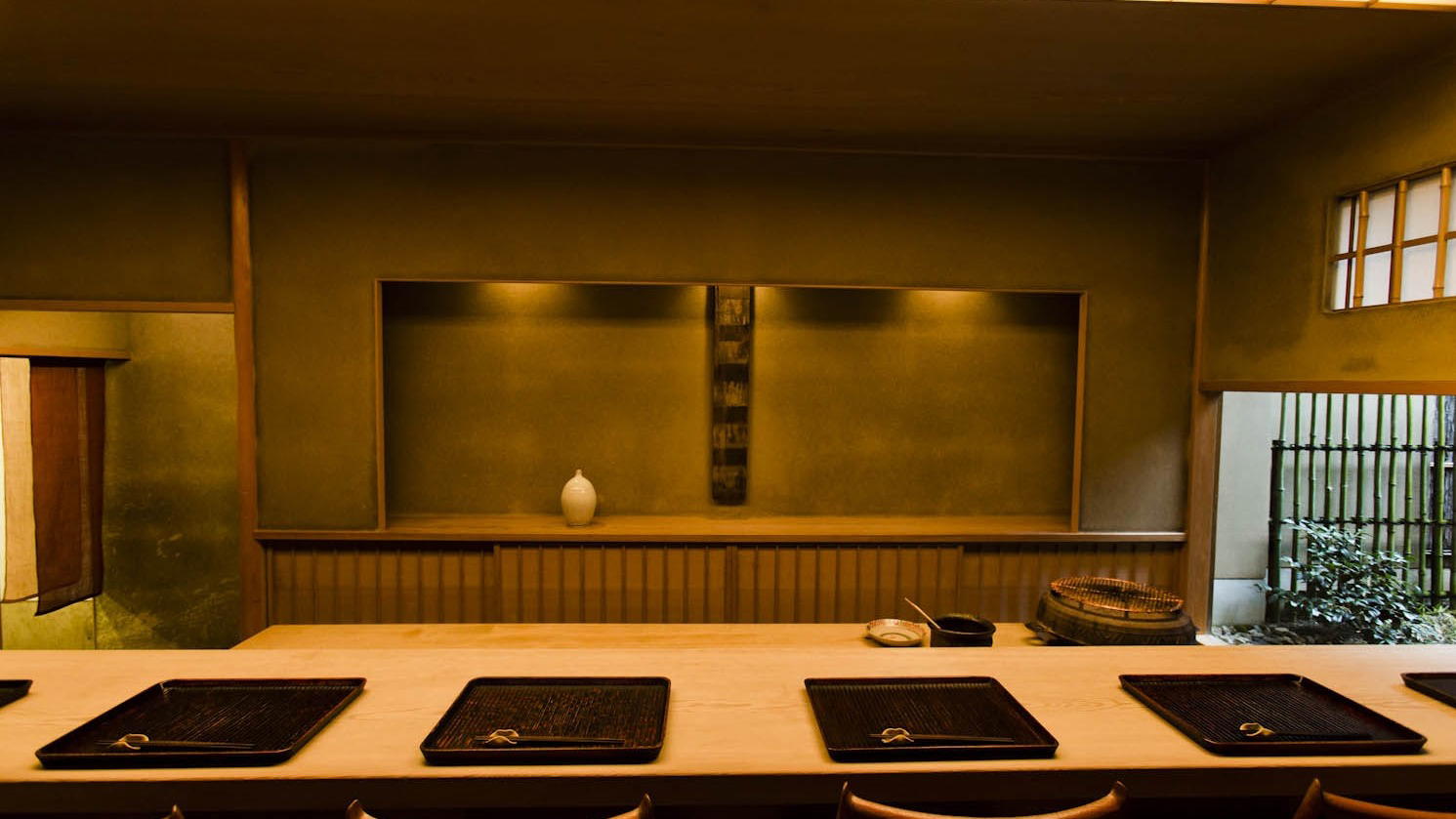
Bars in Kyoto
Browse all →

Hotels in Kyoto
Browse all →

Wineries in Kyoto
Browse all →
At a Glance
- Quiet
- Classic
- Cozy
- Solo
- Family
- Casual Hangout
- After Work
- Standalone
- Design Destination
- Local Sourcing
Calm, clean station-concourse cafe with simple Kyoto-inspired décor that feels more serene than a typical station shop, designed to bring a touch of traditional wagashi tearoom atmosphere into the Shinkansen area.