
Kyoto’s gyoza culture is often overshadowed by kaiseki and temple-side sweets, but this Takatsuji address gives the dumpling its own local grammar. Gyoza Dokoro Takatsuji Sukemasa Honten is a compact, no-reservation dumpling room recognized in Tabelog’s Dumplings 100 in 2019, 2021, and 2024, with a Kyoto-inflected style built around local vegetables, dashi, miso, and garlic-free seasoning.
Pearl is the En Primeur Club membership app — saves, bookings, and concierge access live there. Same editors, same standards.
- Address
- Japan, 〒600-8446 Kyoto, Shimogyo Ward, Horinouchicho, 263
- Phone
- +81 75-201-6175
- Website
- sukemasa.kyoto
- Directions
- Get directions
 Saves & bookings on Pearl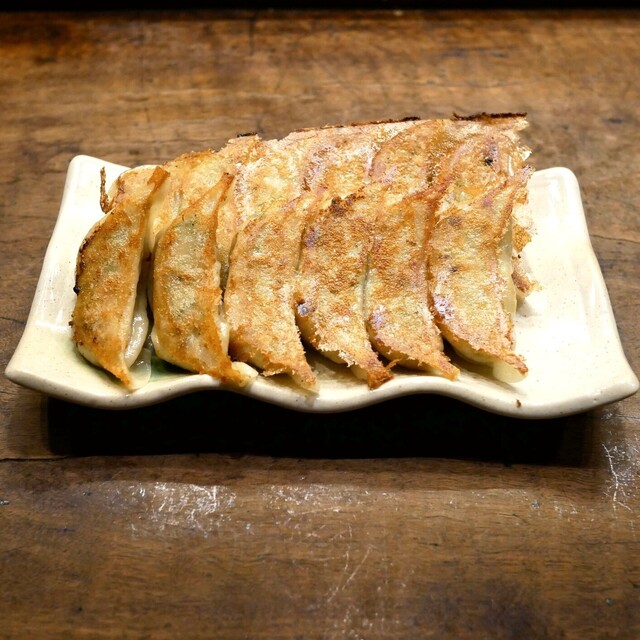
Takatsuji sits in the workaday fold of central Kyoto, where appetite is less ceremonial than habitual. The appeal is not kaiseki progression or hotel choreography, but the compressed energy of a dumpling counter, table-turnover rhythm, and a format built for friends. In a city that can make dinner a reservation sport, gyoza offers another occasion: small plates, shared orders, drinks within reach, and enough informality to keep the evening loose.
That matters in Kyoto. Special-occasion dining is often equated with tatami rooms, seasonal menus, and high-spend omakase counters, yet local celebration has a second register: modest rooms where the food is specific, the bill grounded, and the group can talk without whispering. Gyoza Dokoro Takatsuji Sukemasa Honten belongs there. Its recognition in Tabelog’s Dumplings 100 in 2019, 2021, and 2024 places it in a national conversation about a dish judged by repetition, consistency, and identity rather than ceremony.
Kyoto gyoza as a local-language occasion meal
Japanese gyoza has a broad national template, but Kyoto’s version can read differently when seasoning moves away from the heavier Chinese-influenced profile of many city dumpling shops. The distinction is not luxury versus casual, but whether the dumpling feels like a generic drinking snack or a local argument. This house makes that argument through Kyoto vegetables, Kujo green onions, a dashi base, Yamari miso, and a garlic-free preparation, giving the format a Kyoto accent without fine-dining costume.
For milestone meals that do not need linen, the dumpling format solves a common Kyoto problem. Kaiseki can be too formal for a reunion; ramen can be too quick for a night that should stretch. Gyoza sits between them. It rewards ordering in rounds, pairs naturally with sake, shochu, or wine, and lets the table set its own pace. That is why this room works for birthdays among friends, post-gallery dinners, or a first night in Kyoto when the goal is to feel everyday dining habits rather than perform reverence for them.
The competitive set clarifies the point. Kinobu represents Kyoto’s more formal Japanese dining grammar, while Fujimura sits in a higher-spend bracket. PATISSERIE.S occupies a sweet-course lane, and Muromachi Kaji points toward another expression of Kyoto restaurant culture. Against that spread, a specialist dumpling shop earns attention by narrowing the brief. Recognition on a national dumpling list matters because the category is crowded, low-priced, and unforgiving: a room cannot hide behind rare ingredients or long beverage pairings when the core item must carry the meal.
A compact room built for repeatable pleasures, not grand theatre
The room’s scale reinforces the experience. With 24 seats across counter, table, and terrace seating, it operates more like a neighbourhood specialist than a destination dining room engineered for long reservations. Capacity shapes the social temperature. Counter seats suit solo diners or pairs wanting a quick, focused meal; tables better fit friends sharing several rounds. The format is informal, but constraints are real: reservations are unavailable, private rooms are absent, and the visit works well with patience rather than a rigid itinerary.
This is not Kyoto’s answer to a grand celebration restaurant; it is a better answer for people who want celebration to feel relaxed. The absence of garlic is more than a dietary footnote. It makes the dumplings easier before drinks elsewhere, after a train arrival, or in the middle of a mixed evening when no one wants the meal to dominate the night. Kyoto dining often prizes restraint, and this gyoza style borrows that restraint without becoming precious.
The condiment language underlines the regional point. Black-roasted shichimi and Chidori vinegar push the meal toward Kyoto seasoning traditions rather than the louder heat-and-vinegar shorthand of many dumpling counters. Specific sensory claims are better left to the plate, but the structure is clear: dashi, miso, Kyoto vegetables, and garlic-free seasoning place the dumpling in dialogue with the city’s broader taste for balance.
How to place it in a Kyoto itinerary
Central Kyoto rewards itinerary discipline. Shijo and Karasuma form one of the city’s practical dining corridors, with subway access, department-store food floors, casual specialists, and higher-ambition rooms within walking range. A dumpling meal here can anchor a night that moves on to bars, or act as a casual counterpoint after temples and shopping. For the area’s wider eating map, see Our full Kyoto restaurants guide, then compare nearby and category-adjacent options such as 3TOKU6MI Shijo karasuma ten, 551蓬莱, [ki:], Abbesses, and Aburi Mochi Honke Nemoto Kazariya.
Travellers building a broader Kyoto stay should separate dining decisions from accommodation and evening-drinks decisions. A casual dumpling meal makes sense when the hotel choice or bar plan is doing the heavy lifting; use Our full Kyoto hotels guide and Our full Kyoto bars guide for that layer. For regional context beyond restaurants, Our full Kyoto wineries guide and Our full Kyoto experiences guide frame the city as more than a sequence of meals.
Japan’s casual-specialist scene is also worth reading across cities. A focused Kyoto gyoza room becomes sharper beside other narrow-format addresses, from -Grilled beef Sukiyaki- KAMAKURA TANUKIAN 鎌倉 たぬき庵 in Kamakura and. 鮪と炭火焼き うお炭 秋葉原店 in Tokyo to.cafe in Osaka.know in Kumamoto, (Shoku) Vietnam in Kawasaki, and [Curry Senmon Ten] Maruyama Kyoju. in Sapporo. Even outside Japan, the same lesson applies at focused Japanese-leaning rooms such as Jōdo Saké Bar in Los Angeles and Onigiri Time in Pasadena: the narrower the format, the less room for drift.
The editorial read is simple. Choose this for a relaxed celebration, friends’ dinner, or Kyoto meal that values specificity over ceremony. Skip it when the occasion demands private-room formality, guaranteed seating, or a chef-led tasting format. In the right slot, gyoza does not replace Kyoto’s grand dining traditions. It reminds diners that everyday specialties can carry just as much local information, often with fewer rituals in the way.
The Short List
Comparable venues to calibrate price, style, and recognition.
| Venue | Cuisine | Price | Notes |
|---|---|---|---|
| Gyoza Dokoro Takatsuji Sukemasa HontenThis venue — the venue you are viewing | Not listed | $ | Not listed |
| suba | Shimogyō, Contemporary standing soba | $ | Not listed |
| Honke Gepaikeya Naomasa | Not listed | $ | Nakagyō, Traditional Kyoto Wagashi & Mochi Shop |
| Men Dokoro Toritani | Ukyō, Kyoto chicken ramen | $ | Not listed |
| Chuka Soba Takayasu | Sakyō, Kyoto tonkotsu ramen shop | $ | Not listed |
| Fuka Nishiki ten | Not listed | $ | Nakagyō, Traditional Kyoto nama-fu & Japanese sweets |
Recognition history
Dated appearances from independent guides and award organizations, with the underlying list record or original source where available.
Tabelog 100 #62 · No. 62
Tabelog · Tabelog 100 - Dumplings - 2024
Continue exploring
More in Kyoto
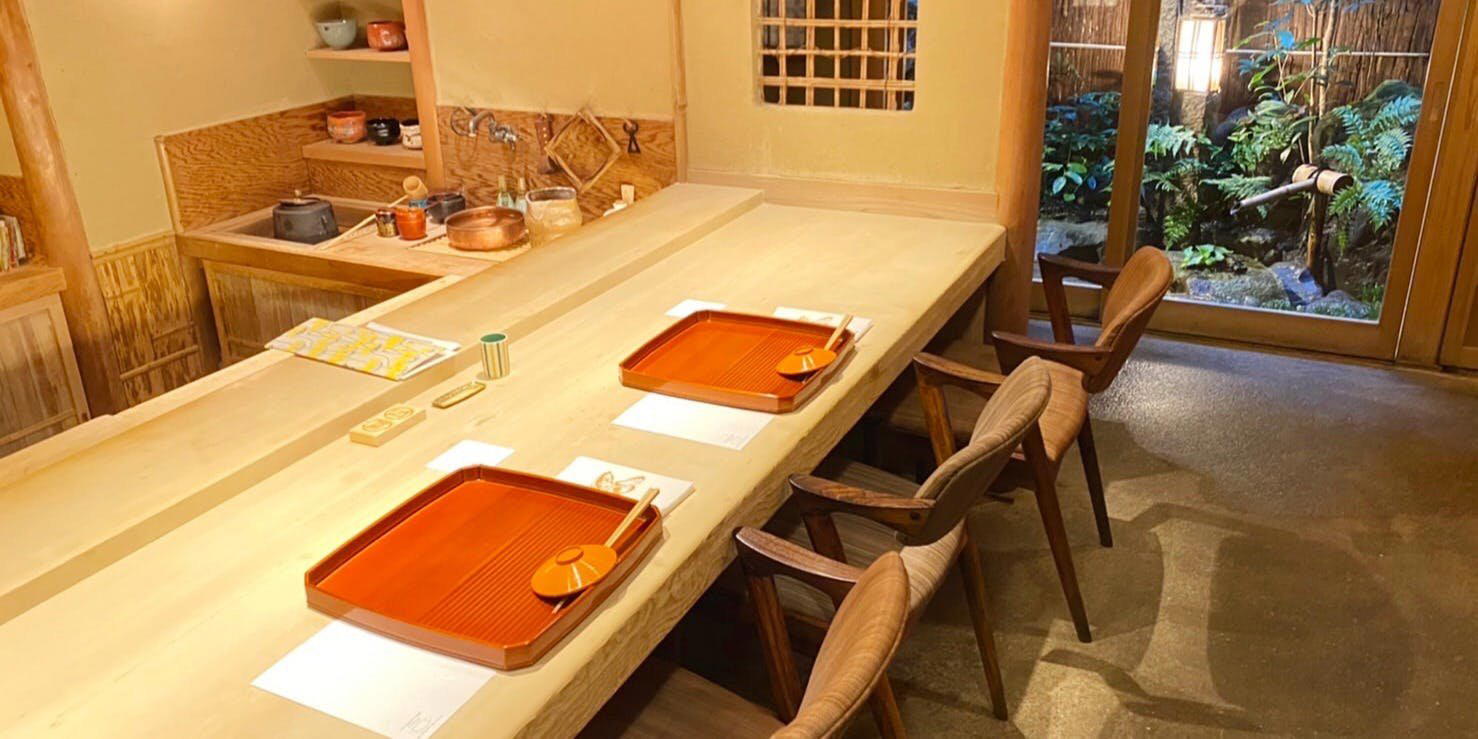
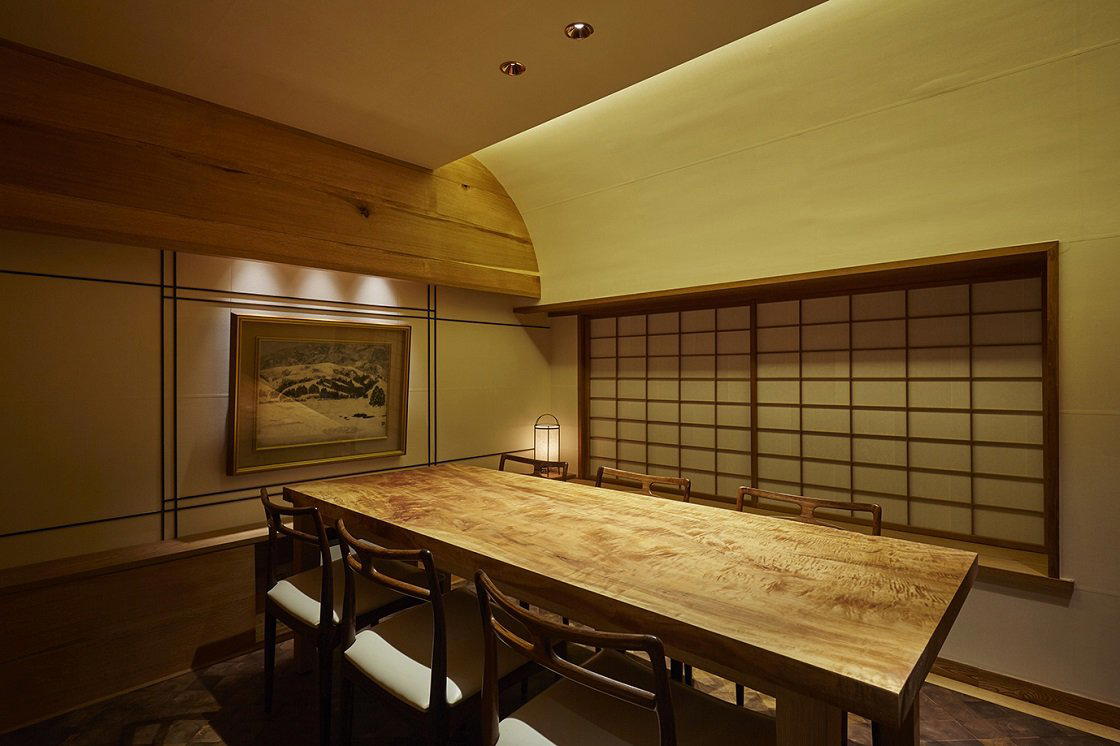
Restaurants in Kyoto
Browse all →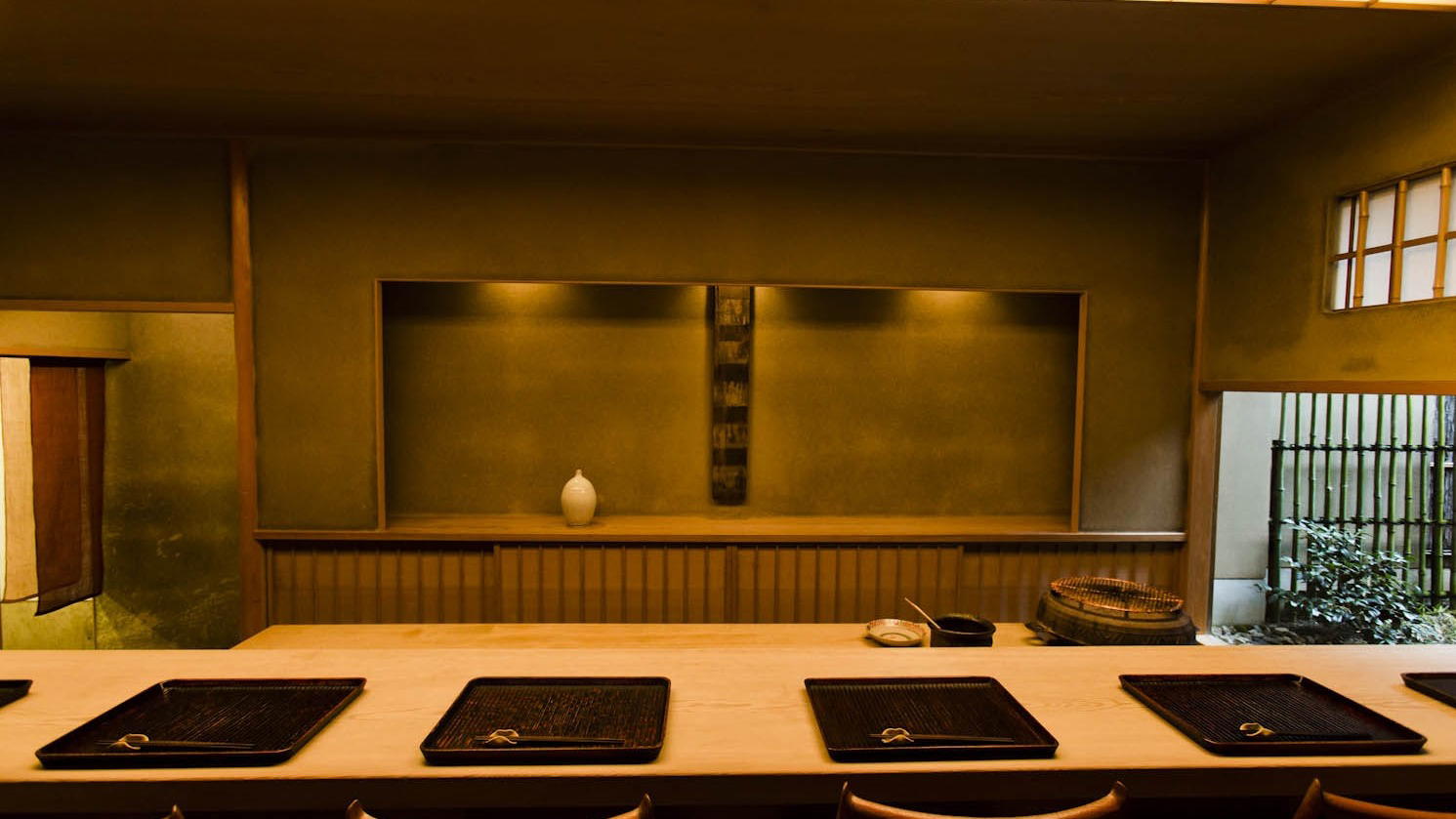
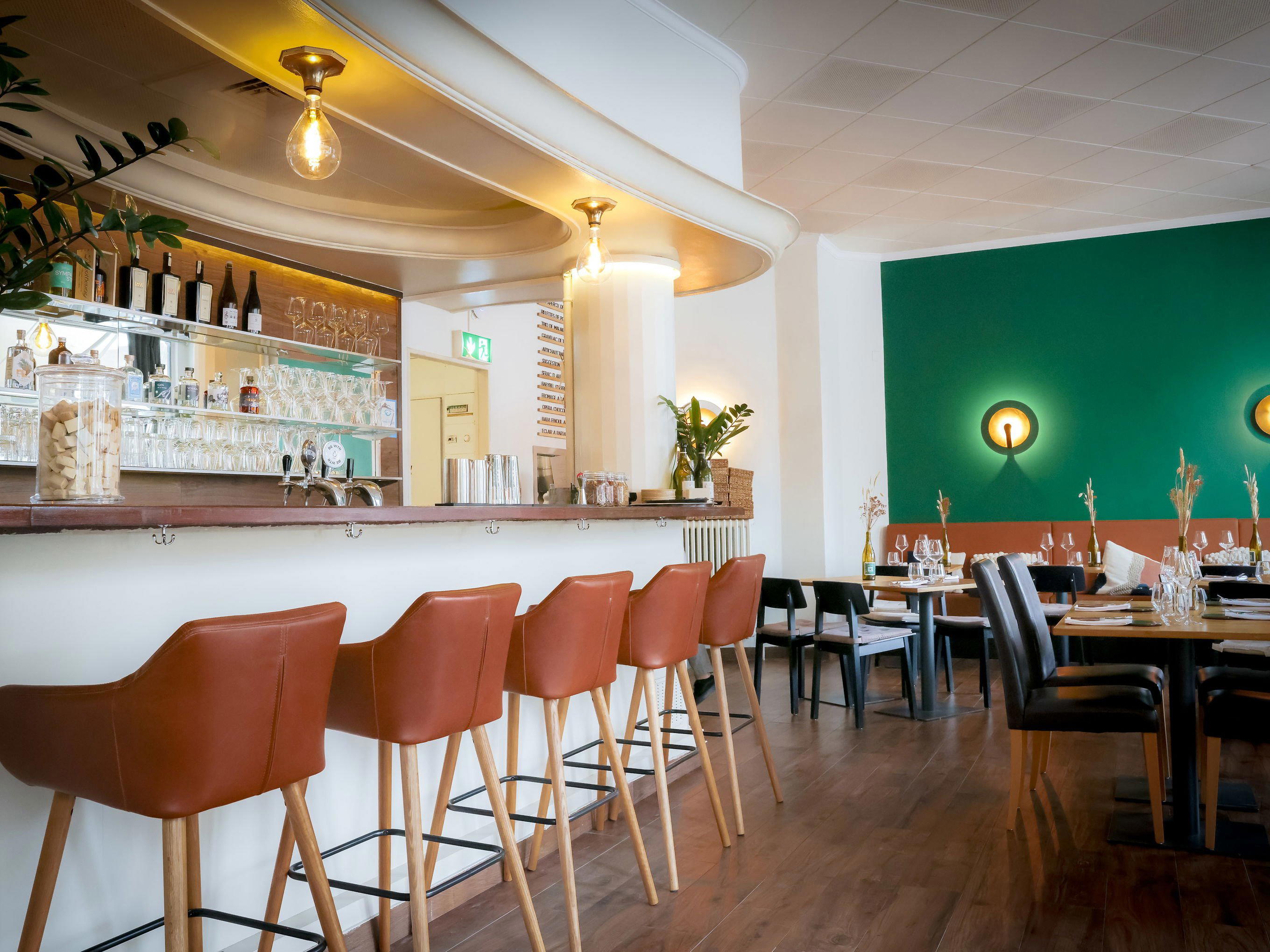
Bars in Kyoto
Browse all →
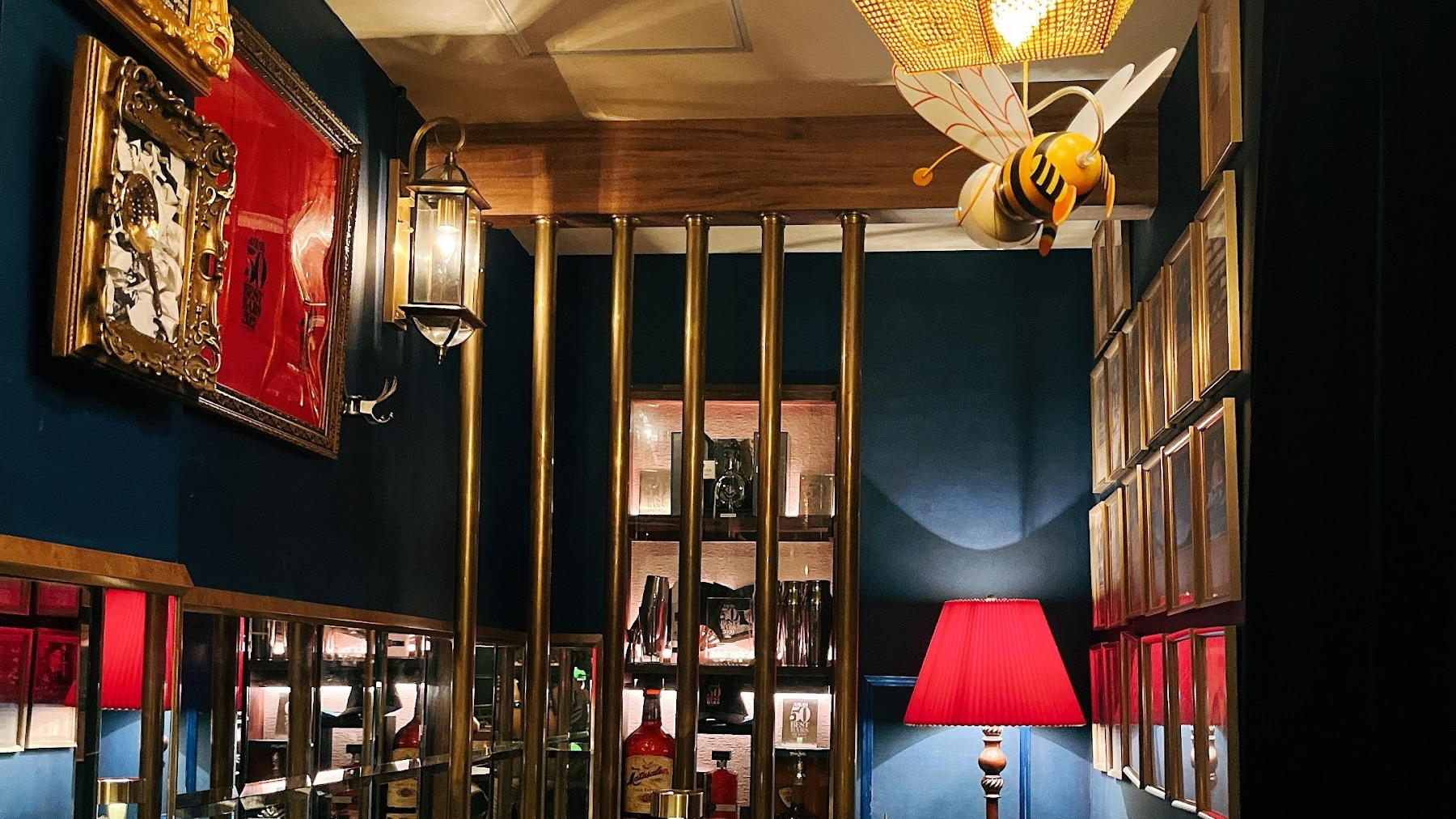
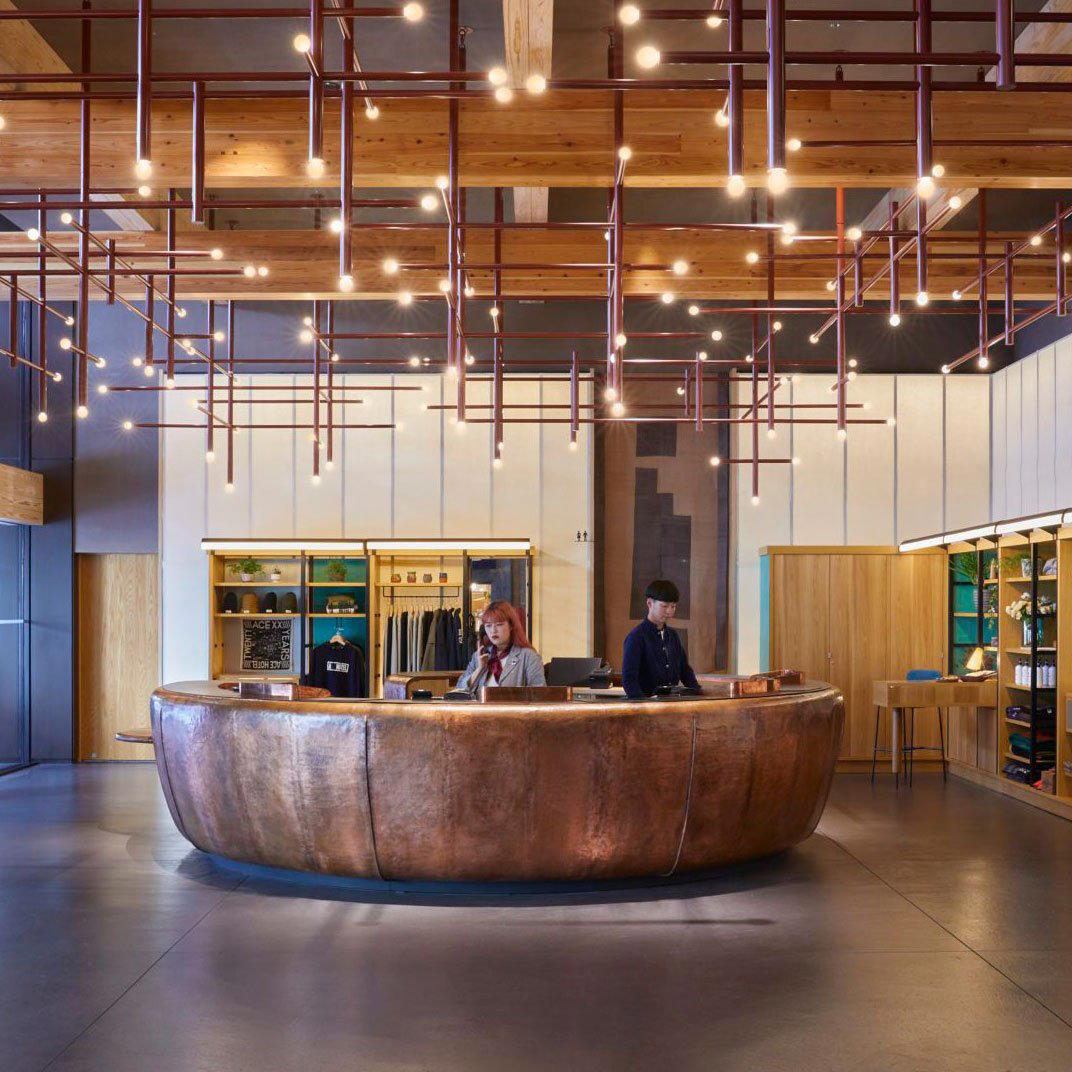
Hotels in Kyoto
Browse all →
Wineries in Kyoto
Browse all →
At a Glance
- Cozy
- Lively
- Classic
- Solo
- Casual Hangout
- After Work
- Family
- Group Dining
- Standalone
- Local Sourcing
Current opening hours
- Monday
- 11:30 AM–2 PM, 5–10 PM
- Tuesday
- 11:30 AM–2 PM, 5–10 PM
- Wednesday
- 11:30 AM–2 PM, 5–10 PM
- Thursday
- 11:30 AM–2 PM, 5–10 PM
- Friday
- 11:30 AM–2 PM, 5–10 PM
- Saturday
- 11:30 AM–10 PM
- Sunday
- 11:30 AM–10 PM
Hours can change for holidays and private events. Last verified .
Small, casual neighborhood dumpling shop with counter and table seating plus a few terrace seats; bright, unfussy and bustling at peak times but still relaxed enough for solo diners and families.