
Kyoto’s bakery culture rewards small-format precision as much as ceremony, and Marie France Kitayama ten belongs to that everyday end of the city’s food map. The Kitayama shop is recognised in Tabelog’s Bread WEST 100 selections for 2020 and 2022, with a bread-and-sandwich format that reads as neighbourhood routine rather than destination theatre.
Pearl is the En Primeur Club membership app — saves, bookings, and concierge access live there. Same editors, same standards.
- Address
- Japan, 〒606-0841 Kyoto, Sakyo Ward, Shimogamo Minamishibacho, 44-1 ヱイ山荘ビル
- Phone
- +81 75-702-0288
- Website
- marry-france.jp
 Saves & bookings on Pearl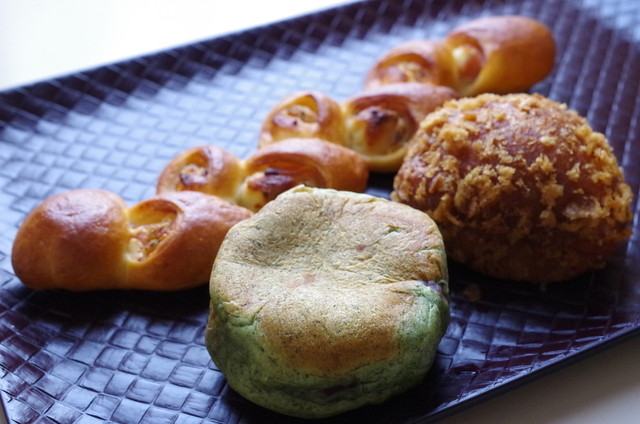
Kitayama moves at a different tempo from the temple corridors and department-store food halls further south: wider pavements, cleaner architecture, and morning trade that feels local before touristic. Here a bakery counter must work quickly, as commuters, parents, students, and regulars choose by habit rather than ceremony. Marie France Kitayama ten fits that rhythm: a bread-and-sandwich shop built not for a long meal, but for a compact progression of choices that can shape the day.
Kyoto’s serious eating culture is often framed through kaiseki, tea, tofu, and wagashi, but its bakery scene has its own discipline. Bread here is not merely Western import cosplay; it has been absorbed into Japanese daily life through shokupan, filled buns, sandwiches, and precise small-batch production. The city’s stronger bakeries serve locals buying breakfast or school-run food and food-focused travellers who know a morning bakery stop can reveal as much about Kyoto’s habits as a formal dinner.
Kitayama's bakery rhythm is built around sequence, not spectacle
The useful way to read a place like this is through progression. A bakery visit compresses the logic of a tasting menu into minutes: plain or softly enriched breads that show dough handling, filled buns and savoury sandwiches, then something sweet enough to finish without turning breakfast into dessert. Kyoto’s bakery culture values proportion: controlled sweetness, fillings measured against texture, and a takeaway format with little room for theatrical distraction.
Marie France Kitayama ten has built its public reputation within that grammar. Its listed categories are Bread and Sandwich, and recognition in Tabelog’s Bread WEST 100 in 2020 and 2022 places it within a regional bakery conversation rather than the city’s restaurant-award circuit. That distinction matters. A bread-specific list judges bakeries, not tasting-menu dining rooms or counter sushi. For travellers, it signals daily craft, repeat custom, and consistency in a category where freshness and turnover do much of the work.
Among Kyoto comparables, price and format vary widely. Kawabata Doki sits in a higher spend bracket, Briant Kitayama honten occupies a fuller bakery-café register, Radio Bagel narrows the field around bagels, and Grandir Shimogamo ten works in a low-spend everyday lane. Marie France Kitayama ten belongs closer to the neighbourhood bakery end of that map, which is why it is useful: Kyoto food culture without reservation drama, a chef counter, or the need to turn breakfast into an event.
The anpan focus gives the shop its clearest identity
The shop’s clearest anchor is anpan, the Japanese sweet bun filled with bean paste. The format looks simple, but it tests balance: dough structure, filling sweetness, moisture, and timing must align. The Kitayama branch is associated with three types of anpan, made with house dough and homemade filling prepared daily. Production is calibrated to demand, with a daily sales limit of about 450 anpan across both locations. That says more than adjectives: this is a freshness model, not an abundance model.
That matters in Kyoto, where wagashi has already trained the palate toward season, restraint, and bean-based sweetness. Anpan translates part of that vocabulary into bread. It is not the same tradition, but it speaks to a related preference for measured sweetness and texture. In a bakery sequence, anpan becomes the hinge between savoury bread and dessert: substantial enough for breakfast, gentle enough for tea or coffee, and familiar enough to reveal small differences in execution.
The absence of a chef-led narrative is part of the point. Kyoto has many rooms where authorship is foregrounded; bakeries like this are judged by repetition. A regular customer does not need a manifesto, only dependable bread across ordinary mornings. Selection for Tabelog’s Bread WEST 100 gives the shop an external trust signal, but the stronger editorial point is category fit: this address belongs in a Kyoto itinerary when the day needs a good first bite rather than another reserved meal.
How to place it in a Kyoto food day
North Kyoto rewards pacing. A bakery stop in Kitayama can precede a garden visit, a museum morning, or a walk through the quieter residential side of Sakyo Ward. It also works as a counterweight to heavier bookings later in the day. Kyoto dining can become over-scheduled when lunches, tea appointments, and dinners are stacked too tightly. A low-ceremony bakery visit restores flexibility without sacrificing quality.
For a broader Kyoto stay, place this address beside other small-format food stops rather than formal dining rooms. Use Our full Kyoto restaurants guide for the city’s wider restaurant spread, then compare nearby and casual options such as 3TOKU6MI Shijo karasuma ten, 551蓬莱, [ki:], Abbesses, and Aburi Mochi Honke Nemoto Kazariya. For the rest of the trip architecture, Our full Kyoto hotels guide, Our full Kyoto bars guide, Our full Kyoto wineries guide, and Our full Kyoto experiences guide help keep the day from becoming only a sequence of meals.
The broader Japanese casual-food map also frames the appeal. A bakery like this shares travel logic with tightly focused addresses elsewhere: -Grilled beef Sukiyaki- KAMAKURA TANUKIAN 鎌倉 たぬき庵 in Kamakura for a specific beef format. 鮪と炭火焼き うお炭 秋葉原店 in Tokyo for tuna and charcoal cooking.cafe in Osaka for café pacing.know in Kumamoto, (Shoku) Vietnam in Kawasaki, and [Curry Senmon Ten] Maruyama Kyoju. in Sapporo. Outside Japan, the same principle applies at focused Japanese-leaning counters such as Jōdo Saké Bar in Los Angeles and Onigiri Time in Pasadena: narrow formats often teach more than broad menus.
The verdict is simple without being casual. The restaurant is a Kyoto bakery for readers who pay attention to morning food, anpan culture, and the way neighbourhood shops carry a city’s daily appetite. It is not a substitute for Kyoto’s formal dining traditions. It is more useful than that: a low-friction window into how bread, bean paste, sandwiches, and routine sit inside the city’s contemporary food life.
Comparison Snapshot
Side-by-side context: comparable cuisine and price.
| Venue | Cuisine | Price | Notes |
|---|---|---|---|
| Marie France Kitayama tenThis venue — the venue you are viewing | Traditional Japanese Bakery | $ | Not listed |
| Saruya | Traditional Japanese sweets & tea | $ | Sakyō |
| Jukou Gundan | Ramen, tsukemen & maze-soba shop | $ | Sakyō |
| Mitsubachi | Traditional Japanese sweets café (anmitsu & kakigori) | $ | Kamigyō |
| Imanishi Ken | Traditional Japanese wagashi & ohagi shop | $ | Shimogyō |
| Menya Yuko | Japanese Ramen | $ | Nakagyō |
Recognition history
Dated appearances from independent guides and award organizations, with the underlying list record or original source where available.
Tabelog 100 #30 · No. 30
Tabelog · Tabelog 100 - Bread - WEST - 2022
Continue exploring
More in Kyoto
Restaurants in Kyoto
Browse all →
Bars in Kyoto
Browse all →
Hotels in Kyoto
Browse all →
Wineries in Kyoto
Browse all →
At a Glance
- Classic
- Cozy
- Solo
- Family
- Casual Hangout
- After Work
- Standalone
- Local Sourcing
Current opening hours
- Monday
- Closed
- Tuesday
- Closed
- Wednesday
- 7 AM–6 PM
- Thursday
- 7 AM–6 PM
- Friday
- 7 AM–6 PM
- Saturday
- 7 AM–6 PM
- Sunday
- 7 AM–6 PM
Hours can change for holidays and private events. Last verified .
A direct, neighborhood-style Japanese bakery with a warm, everyday feel; more functional than design-driven, focused on takeaway bread rather than lingering, but with the inviting atmosphere of a long-established local favorite.