
Tama Ki Tei belongs to Kyoto’s serious bread circuit rather than its temple-district dining script: a takeaway bakery in Uji with Tabelog Bread WEST 100 recognition and a low-spend, high-demand format. The appeal is the ritual as much as the bread: arrive early, choose decisively, pay in cash, and treat the stop as part of a wider Uji day rather than a conventional sit-down meal.
Pearl is the En Primeur Club membership app — saves, bookings, and concierge access live there. Same editors, same standards.
- Address
- 京都府宇治市五ケ庄平野57-14
- Phone
- +81774381801
- Website
- tamaki-tei.com
 Saves & bookings on Pearl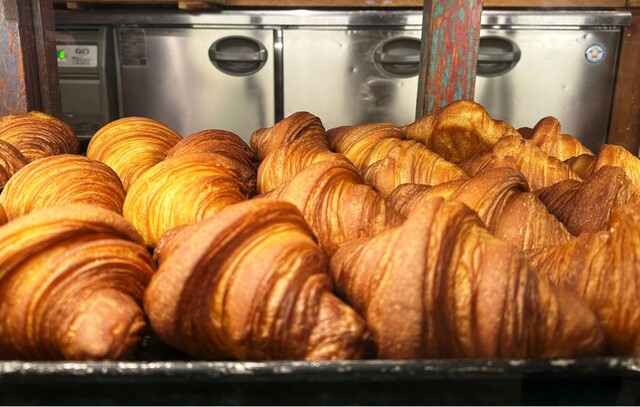
Uji changes the pace before the counter comes into view. The city’s tea shops, commuter stations, and residential streets create a different rhythm from central Kyoto’s restaurant corridors, and that matters for understanding the bakery ritual here. Bread in Japan is rarely a casual afterthought; the stronger addresses operate with the urgency of a small sushi counter, only the queue moves toward trays instead of seats. Tama Ki Tei sits in that culture: takeaway-focused, built around choice, timing, and the discipline of knowing that popular items can disappear before the day is done.
Uji's bakery ritual rewards early, decisive ordering
Kyoto’s dining reputation is often filtered through kaiseki, wagashi, matcha, and counter cooking, but its bread culture has its own serious audience. The city’s bakeries draw from French technique, Japanese softness, sandwich-shop pragmatism, and the local habit of buying something precise rather than grazing aimlessly. In that setting, a bakery selected for Tabelog Bread WEST “Tabelog 100” 2022 is not a minor detour; it is evidence of a category with its own standards, queues, and repeat customers.
The format shapes the experience. There is no long meal arc, no sommelier, no theatrical pacing. The decision-making happens fast: scan the shelves, read the room, keep the line moving, and leave with a bag that may become breakfast, train food, or a riverside snack later in Uji. The listed categories, bread and sandwich, place the shop in the practical side of Kyoto eating, closer to everyday buying than ceremony. That practicality is part of the pleasure. A serious bakery in Japan does not need table service to feel exacting.
Compared with Kyoto sweets shops and casual lunch rooms, the bakery category asks for a different kind of attention. Aburi Mochi Honke Nemoto Kazariya belongs to shrine-side confectionery ritual; 551蓬莱 speaks to portable Kansai comfort; [ki:] and Abbesses pull Kyoto toward more composed dining. Tama Ki Tei is a different proposition: the craft is compressed into the purchase rather than stretched across courses.
Recognition places it in western Japan's serious bread conversation
Tabelog’s Bread WEST 100 selection gives the bakery a useful competitive marker. It signals that the venue is judged inside a western Japan bread bracket, not simply as a convenient local shop. That distinction matters in Kyoto, where many visitors over-index on famous dining formats and miss the city’s morning and daytime food habits. The award history also reaches beyond a single year, with selections listed across multiple Tabelog Bread 100 cycles from 2017 through 2022, which points to sustained attention rather than a brief spike.
The economics reinforce the category. This is not Kyoto’s luxury dining tier, and it should not be assessed with that vocabulary. Its average spend sits in the everyday range, which makes the critical question more interesting: how much craft can a bakery deliver inside a format designed for takeaway, quick decisions, and repeat local use? That is where the stronger Japanese bakeries earn loyalty. The reward is not a choreographed lunch; it is the ability to turn a modest purchase into the anchor of a day’s eating.
Uji also changes the comparison set. Chez Hagata, Keihan Uji Ekimae Surugaya, Shubaku, and Mogu Mogu Bakery all occupy nearby or adjacent casual territory at varying price points, but bread recognition gives Tama Ki Tei a more specific identity. It is less useful to compare it with central Kyoto tasting menus than with the city’s wider habit of specialist food stops: one place for mochi, another for tea, another for bread, each with its own etiquette and timing.
For readers mapping a Kyoto food day, this is where the city becomes more interesting than a sequence of reservations. Central addresses such as 3TOKU6MI Shijo karasuma ten serve a different urban rhythm around Shijo-Karasuma. Uji asks for looser planning, especially if the day also includes tea, river walks, or temple visits. The broader city context is covered in Our full Kyoto restaurants guide, while sleep, drinking, wine, and cultural planning sit separately in Our full Kyoto hotels guide, Our full Kyoto bars guide, Our full Kyoto wineries guide, and Our full Kyoto experiences guide.
How to read it against Kyoto's wider eating habits
The critical mistake is treating a high-demand bakery like a substitute restaurant. It works better as a planned food stop: a place where the value lies in product range, repeat buying, and the choreography of takeaway. The Tabelog listing describes more than 100 types of bread, which explains why the ritual can feel closer to editing than ordering. The diner is not choosing a tasting menu; the diner is building a small inventory for the day.
This kind of specialist stop also travels well as an idea beyond Kyoto. Japan’s casual dining strength often sits in narrow formats that outsiders underrate: a sukiyaki-focused room such as -Grilled beef Sukiyaki- KAMAKURA TANUKIAN 鎌倉 たぬき庵 in Kamakura, a Tokyo charcoal-and-tuna address like. 鮪と炭火焼き うお炭 秋葉原店 in Tokyo, or compact everyday formats such as.cafe in Osaka.know in Kumamoto, (Shoku) Vietnam in Kawasaki, and [Curry Senmon Ten] Maruyama Kyoju. in Sapporo. Even outside Japan, the same lesson holds at focused Japanese-leaning addresses such as Jōdo Saké Bar in Los Angeles and Onigiri Time in Pasadena: format discipline often tells the reader more than décor language.
The verdict is simple enough without inflating it. The restaurant is for travelers who understand that Kyoto’s food intelligence is not confined to dinner. It suits a Uji itinerary, a morning purchase, or a low-cost counterpoint to the city’s formal meals. Its strength is not spectacle; it is the local ritual of getting there, choosing well, and letting bread carry part of the day.
Cuisine Lens
Comparable options at the same price tier.
| Venue | Cuisine | Price | Notes |
|---|---|---|---|
| Tama Ki TeiThis venue — the venue you are viewing | Japanese bakery & pastry shop | $ | Not listed |
| Sukesama (ぎょうざ処 亮昌) | Kyoto Gyoza Specialist | $ | Gion |
| Gyoza Hohei Gion honten | Gyoza specialty shop | $ | Higashiyama |
| Honke Funahashiya | Japanese traditional sweets | $ | Nakagyō |
| Menya Takakura Nijou | Kyoto ramen and tsukemen shop | $ | Nakagyō |
| Onkashi Tsukasa Shioyoshiken | Traditional Kyoto Wagashi (Japanese confectionery) | $ | Kamigyō |
Recognition history
Dated appearances from independent guides and award organizations, with the underlying list record or original source where available.
Tabelog 100 #99 · No. 99
Tabelog · Tabelog 100 - Bread - WEST - 2022
Continue exploring
More in Kyoto
Restaurants in Kyoto
Browse all →

Bars in Kyoto
Browse all →

Hotels in Kyoto
Browse all →
Wineries in Kyoto
Browse all →
At a Glance
- Lively
- Cozy
- Solo
- Family
- Casual Hangout
- Standalone
A bustling, takeaway-focused neighborhood bakery with lines from early morning, bright display cases packed with breads, and a cozy, casual atmosphere centered on grabbing fresh items rather than lingering to dine in.