Hong Kong's older-district cake shop tradition occupies a specific and dwindling tier in the city's eating culture, and Hoover Cake Shop represents that category at street level. Positioned against the fast-moving premium dining that defines Central and Wan Chai, neighbourhood bakeries like Hoover hold their relevance through consistency and local routine rather than editorial recognition or tasting-menu ambition.
- Address
- Hong Kong, Hong Kong
- Directions
- Get directions
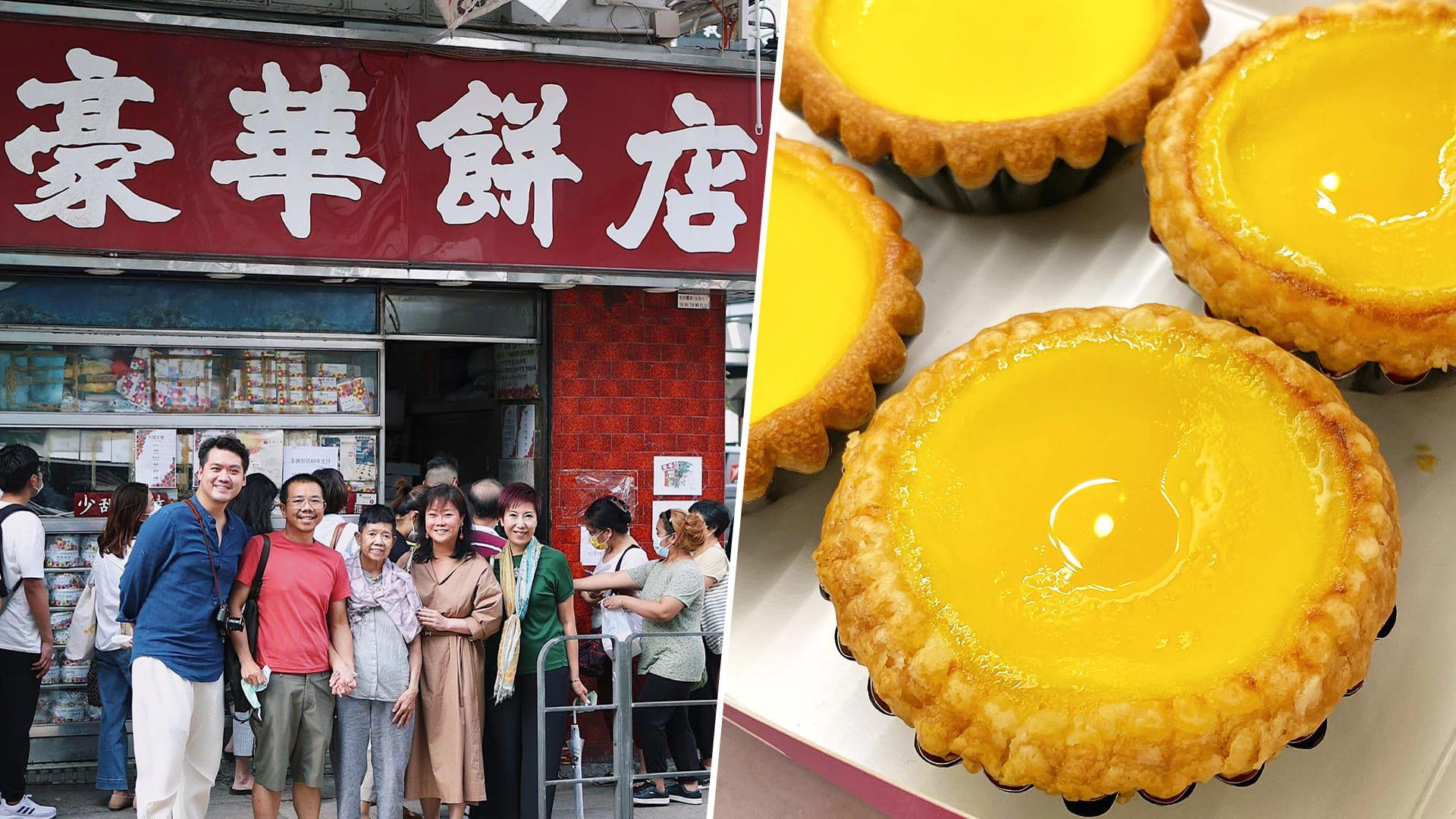
Where the Neighbourhood Does Its Daily Business
Hong Kong's premium dining narrative tends to collapse toward a familiar set of postcodes: the towers of Central, the hotel corridors of Tsim Sha Tsui, the revamped industrial blocks of Sai Ying Pun. Against that gravity, the older-district cake shop sits in a different register entirely. These are not venues that position themselves against Amber or Caprice. They measure success by how reliably a neighbourhood returns to them, morning after morning, for pineapple buns and milk tea rather than tasting menus.
Hoover Cake Shop belongs to that older, place-rooted tier of Hong Kong food culture. The city's beng dim (cake shop) tradition developed in the mid-twentieth century as a distinctly Cantonese-Western hybrid form, adapting European baking techniques to local tastes and budgets. The result was a category of goods, wife cakes, cocktail buns, Swiss rolls, cream horns, that sit entirely outside the international fine-dining conversation but are, for a large portion of Hong Kong's population, the food that actually defines daily eating. In that sense, a cake shop is a neighbourhood institution in ways that a three-Michelin-star counter can never be.
The Cake Shop in Hong Kong's Wider Eating Map
To understand where a place like Hoover sits, it helps to sketch the full range of where Hong Kong eats. At the upper end, Cantonese fine dining at Forum and high-concept European kitchens like Ta Vie and 8 1/2 Otto e Mezzo Bombana compete for international recognition and allocation dining. Midrange, the city has an enormous density of specialist noodle shops, congee houses, and cha chaan teng (Hong Kong-style diners) that serve the working population across all eighteen districts. Below that, and in some ways more culturally load-bearing than either tier above it, is the neighbourhood bakery: open early, priced for daily use, and embedded in residential streets rather than commercial corridors.
That distribution matters geographically. The further you travel from the Central Business District, the more the eating map shifts toward locally-anchored formats. A visit to Hoi Tin Garden in Tuen Mun or Lei Garden in Sha Tin makes the point clearly: the New Territories and outer districts operate on different rhythms and different reference points than the dining-focused tourism infrastructure of Hong Kong Island. Cake shops are native to those rhythms. They are how those neighbourhoods feed themselves.
What the Beng Dim Format Delivers
Hong Kong's cake shop canon is narrower and more specific than a Western bakery. The standard repertoire includes bo lo bao (pineapple bun, named for its scored crust, not its content), dan tat (egg custard tart, with a shorter, crumblier pastry than the Portuguese pastel de nata), lao po bing (wife cake, with a winter melon and almond paste filling inside flaky pastry), and various cream-filled sponge rolls. The quality distinctions between shops are real but granular: the lamination of the pastry, the set of the custard, the ratio of butter to lard in the base. These are not flashy differentiators. They reward repeat visits from people who already know what they are looking for.
For visitors arriving from more celebrated restaurant formats, this can require a recalibration. The vocabulary of a cake shop is entirely different from the signal-heavy environment of a counter dining experience. There are no tasting notes, no service choreography, no provenance statements on the menu. What there is, at a well-run shop, is product that has been made the same way for decades, by people who have no particular interest in changing it.
Hong Kong's Outer Precincts and the Case for Exploring Them
The city's food geography rewards deliberate exploration beyond the familiar districts. Coconut Soup in Yau Tsim Mong, King of Soybeans in Wong Tai Sin, and Habib's in Kwun Tong all point toward a city with real eating density outside the zones most guides cover. One-ThirtyOne in Tai Po and Gangstas on the Outlying Islands extend the argument further: the MTR and ferry network make most of these districts accessible within forty-five minutes from Central, and the eating at that distance from the tourist infrastructure tends to be priced and calibrated for local use rather than visitor expectations.
The former Jumbo Floating Restaurant in Aberdeen represents the opposite end of that spectrum: a venue whose identity was inseparable from spectacle and location, and whose loss marks a kind of chapter-closing in Hong Kong's hospitality story. Neighbourhood institutions like Hoover are less theatrical but more durable. They close when a landlord raises rent or a family decides not to pass the business on, not because the concept has run its course.
For visitors with time outside the standard itinerary, pairing one of Hong Kong's serious restaurant meals with a morning in a residential neighbourhood, ending at a cake shop, gives the city a different dimension. The contrast between Gaia in Central and a dai pai dong in Sham Shui Po is not a contradiction; it is a more accurate picture of how Hong Kong actually eats. And finding your way to I Love Istanbul in Tsuen Wan or through the food streets of Wong Tai Sin is the kind of street-level navigation that makes the city readable in ways that a hotel concierge list does not.
For the full range of where to eat across every price tier and district, see our full Hong Kong restaurants guide. For context on how Hong Kong's high-end dining compares to other major cities, the Michelin-starred counters of Le Bernardin in New York City and the Korean-inflected tasting menus at Atomix offer useful reference points for the upper tier of international restaurant ambition.
Planning a Visit
Cake shops in Hong Kong are typically at their busiest in the morning, when freshly baked goods come out of the oven and the neighbourhood queues before work. Arriving early means more choice and the leading condition product. Most operate on a walk-in basis with no booking required. Prices sit at the accessible end of Hong Kong's eating spectrum, making them practical stops at any point in a day's itinerary.
A Minimal comparable set
Comparable venues nearby, for context on price, style, and recognition.
| Venue | Cuisine | Price | Notes |
|---|---|---|---|
| Hoover Cake ShopThis venue — the venue you are viewing | Not listed | $ | Not listed |
| Keung Kee Dai Pai Dong | Not listed | $ | Sham Shui Po East, Cantonese Dai Pai Dong |
| Lin Heung Tea House | Central, Traditional Cantonese Dim Sum | $ | Not listed |
| Tsui Wah Restaurant (翠華餐廳) | Central, Hong Kong Cha Chaan Teng | $ | Not listed |
| Kam Wah Cafe | Mong Kok, Hong Kong Cha Chaan Teng | $ | Not listed |
| Lau Sum Kee Noodle | Not listed | $ | Sham Shui Po East, Traditional Hong Kong Bamboo-Pressed Noodles |
Continue exploring
More in Hong Kong
Restaurants in Hong Kong
Browse all →
Bars in Hong Kong
Browse all →
At a Glance
- Classic
- Well Known
- Casual Hangout
- Solo
- After Work
- Standalone
Nostalgic 1970s Hong Kong atmosphere with a steady queue of customers at the takeout window, evoking the charm of a traditional neighborhood bakery.